
Review · USA
Rockies to the Red Rocks Train – Denver to Moab – SilverLeaf Plus
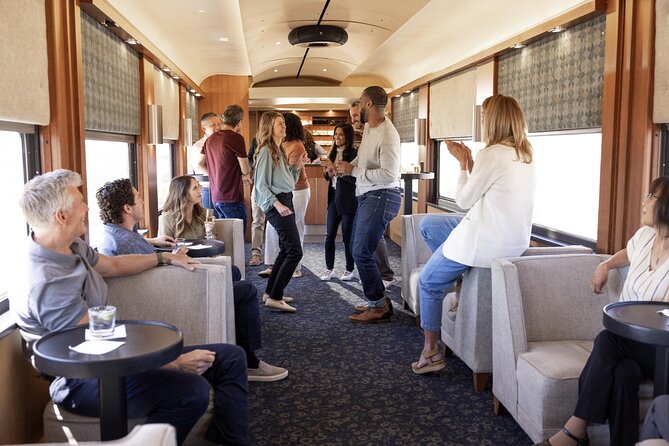
Rail turns scenery into the show. Rocky Mountaineer’s two-day Rockies to the Red Rocks trip links Denver and Moab by train, following the Colorado River through mountain canyons before reaching Utah’s red-rock country. I like the SilverLeaf Plus lounge car and its small outdoor viewing area, along with the thoughtful service, meals, drinks, and luggage transfers built into the fare.
I also like the overnight in Glenwood Springs, which breaks up a long rail journey in a pleasant hot-springs town. The main drawback is cost: at $2,327 per person, this is a special-occasion trip rather than a budget way to get from Colorado to Utah. You also need to arrange your own lodging before Denver and after Moab.
Key points to know before booking
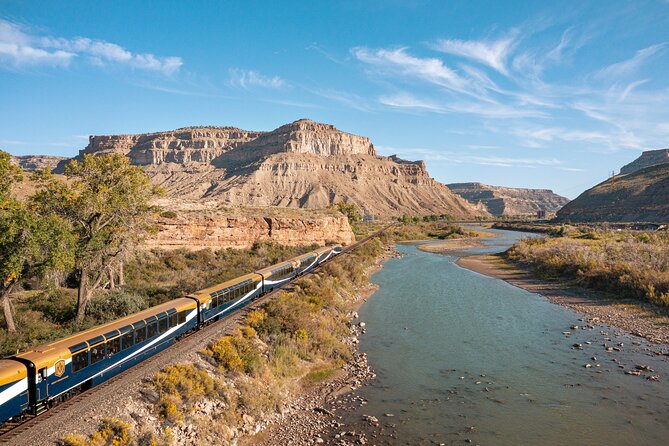
- Two days, one scenic rail route: Travel from Denver to Moab while following the Colorado River through Gore Canyon, De Beque Canyon, and Ruby Canyon.
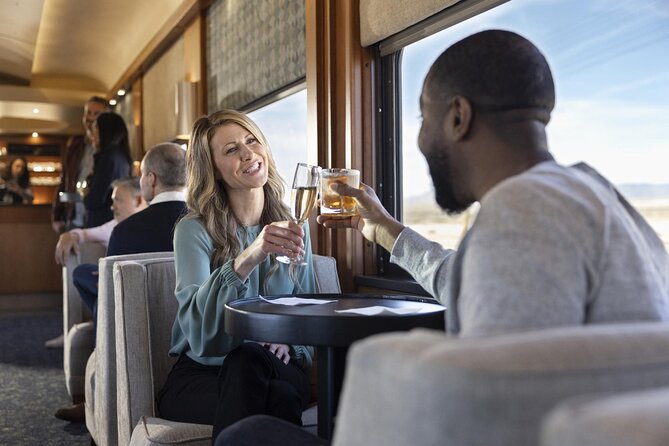
- SilverLeaf Plus adds breathing room: You get access to a lounge car, a small outdoor viewing area, premium alcoholic drinks, and signature cocktails.
- Glenwood Springs breaks up the journey: The overnight stop includes a moderate, clean, comfortable hotel, with the exact property assigned shortly before departure.
- Meals come to your seat: Breakfast, lunch, snacks, and drinks are part of the onboard service, with a two-course hot breakfast on the second morning.
- The train reaches places roads do not: Some of the finest canyon views are along stretches of river with limited road access.
- The arrival is at Moab, not a national park: Arches National Park and the other Utah parks require separate plans and transportation.
Why this Denver to Moab train journey is special
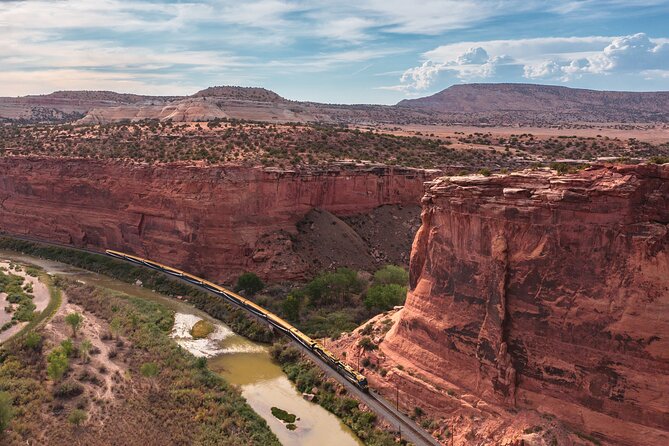
This is not simply a comfortable way to cover the miles between Denver and Moab. The route is the point. From the start, you get a changing view of Colorado, moving from city streets and foothills to high mountain terrain, steep river canyons, open desert, and red sandstone near Moab.
I like the pace. You are not driving, checking maps, or trying to find a safe place to pull over. The train keeps moving while you watch the scenery change outside the window. That matters on a route where many of the best views are beside the Colorado River, beyond ordinary road access.
The onboard Hosts add another layer to the trip with storytelling and route details. You can learn about railroad engineering, nearby towns, rivers, canyons, and local landmarks without giving up the view. The service is formal enough to feel like a treat, but the experience remains relaxed.
The current rating is 4.9 from 98 reviews, with 97 percent recommending the experience. The clearest praise centers on the staff, food, and comfort of the coach. That matches the practical strength of this trip: you are paying for service and ease as much as for scenery.
More Train Journeys in the USA:
- Key West Conch Tour Train
★ 4.5 · 792 reviews - Skunk Train: Pudding Creek Express from Fort Bragg
★ 4.0 · 260 reviews - Skunk Train: Wolf Tree Turn from Willits
★ 4.5 · 258 reviews
Denver starts with city views and mountain engineering
The day begins in Denver, with boarding in the morning. Before the train gets fully into the mountains, a motorcoach transfer passes through RiNo, Denver’s River North Art District. This area is known for creative businesses and colorful murals, so even the transfer offers a quick look at a part of the city that many rail passengers might otherwise miss.
Once the journey turns toward the mountains, keep an eye out for Boulder and the Flatirons. Boulder sits where the Rocky Mountains meet the Plains, and the view gives you a useful sense of Colorado’s geography. The city’s breweries, food scene, and outdoor culture are not part of this rail trip, but the glimpse helps place the route.
The train also passes Gross Reservoir Dam as it gains elevation. This reservoir supplies water to Denver and the agricultural Great Plains. It is a practical piece of infrastructure, but the view is scenic too, with water, mountain slopes, and Boulder in the distance.
One of the route’s most unusual features is the Big 10 Curve. These tight, 10-degree-radius curves add distance to the track so the train can hold to a railroad-friendly two percent grade. I appreciate details like this because they explain why the route looks the way it does. The railroad is not merely following the easiest line through the mountains. It is working with steep terrain and historic engineering limits.
Crossing the Continental Divide through Moffat Tunnel
The Moffat Tunnel cuts 6.2 miles through the mountains and carries the train across the Continental Divide. The passage itself is dark and brief compared with the open views outside, but it marks a major change in the journey.
After leaving the tunnel, you can see the mountain resort town of Winter Park. The route then shifts toward the Colorado River, which becomes the main companion for much of the rest of the trip. The river brings a sense of motion to the scenery, while rafters and the changing canyon walls give you something to watch at lower levels.
Byers Canyon provides an early taste of the rugged river country. Keep watch for wildlife, since the route may offer glimpses of animals along the canyon. No sightings are guaranteed, so do not treat this as a wildlife tour. The real reward is the combination of river, rock, and steep slopes.
Gore Canyon is the dramatic highlight of the first day. Cliffs rise more than 1,000 feet around the river, and the canyon is widely regarded as one of the most scenic natural features in the United States. The train passes through rather than stopping, so you will want to be ready when the canyon arrives.
This is a good reason to avoid spending the whole day in the lounge car. SilverLeaf Plus gives you extra room, but the main show remains outside. Use the lounge for a change of pace, then return to your seat when the canyon narrows.
Glenwood Springs makes the overnight worthwhile
You reach Glenwood Springs in the evening and spend the night there. The town is a historic resort destination, best known for its hot springs. A soak can be a pleasant way to unwind after a full day of sitting, watching, eating, and listening.
The hotel is described as moderate, clean, and comfortable, with essential amenities and good service. The exact accommodation is assigned a few days before departure and appears on your boarding pass at check-in. Do not book your own Glenwood Springs hotel unless you have confirmed that you are not using the included accommodation.
The overnight is important for two reasons. First, it keeps the rail journey from becoming an exhausting single-day run. Second, it gives Glenwood Springs a real place in the trip instead of reducing it to a passing name on a route map.
This stop is not a full town tour, and the schedule does not promise a long block of free time. If the hot springs appeal to you, plan with care around arrival, hotel transfer, and the next morning’s departure. The benefit is the chance to rest in a proper bed rather than rush through the entire route in one sitting.
Same tracks, a different day out:
- Key West Conch Train Tour
★ 4.5 · 234 reviews - Fairbanks: Gold Dredge 8 Historic Train Tour
★ 4.7 · 219 reviews - Wild West Day Trip to Virginia City from Tahoe with Train Ride
★ 4.0 · 142 reviews - All-Day Guided Zipline Tour with Train Ride and Lunch in Durango
★ 5.0 · 133 reviews
Day two changes from mountains to desert
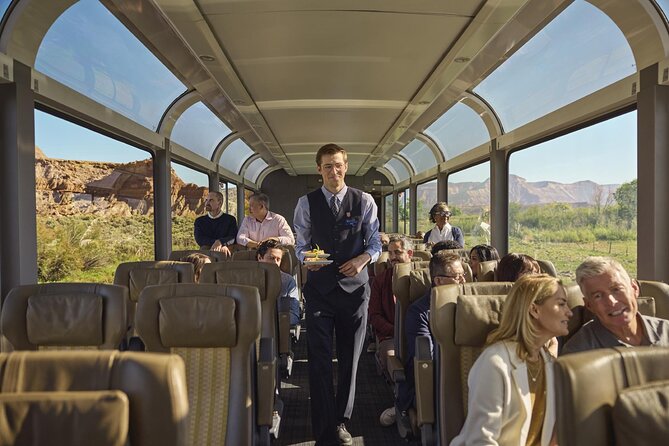
The second morning begins with a two-course hot breakfast featuring locally sourced ingredients as the train heads southwest. Breakfast is listed among the included meals, though the booking information also marks it as optional, so confirm exactly what applies to your reservation before departure.
The scenery changes quickly after Glenwood Springs. The train passes New Castle, where the Colorado River supports fishing, rafting, and kayaking. Deer, elk, and black bear live in the area, although animal sightings depend on luck and timing.
Next comes De Beque Canyon, a 15-mile narrow canyon marked by stair-step layers of sedimentary rock. The rock bands give the canyon a different character from the sharper mountain scenery of Gore Canyon. You can watch the geology change as the train moves west.
Grand Junction is the largest city along this part of the route. It developed where the Gunnison River meets the Grand River, which was the earlier name for the Colorado River. Nearby Fruita is known for dinosaur fossils and for the unusual story of Mike the Headless Chicken, whose memory is celebrated with a festival each May.
Those towns help keep the journey connected to real communities. This is not a trip through empty scenery alone. Rivers, farms, railroads, fossils, and local stories all shaped the places outside the windows.
Ruby Canyon and Utah’s fading railroad towns
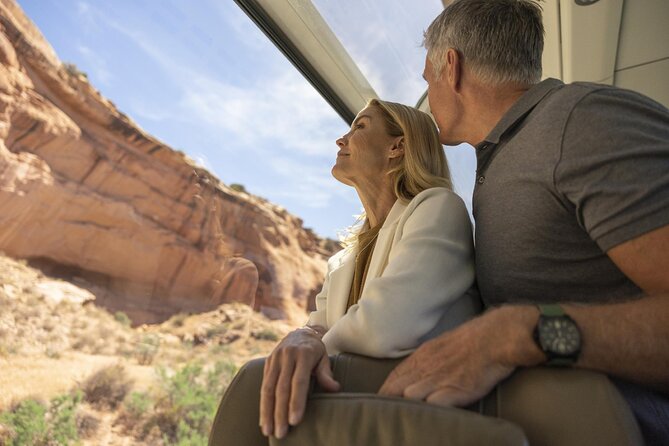
Ruby Canyon is one of the best sections of the second day. Red sandstone walls line a 25-mile stretch of the Colorado River, and much of this part of the river is difficult to reach by road. That is exactly the sort of view that makes a rail trip worthwhile.
The canyon is popular with river rafters, but from the train you get a different angle. You remain dry, comfortable, and moving through the canyon while the river bends below. The red rock becomes stronger here, preparing you for Moab without giving away the full desert setting too early.
The route then passes Cisco and Thompson Springs in Utah. Cisco was once a busy community and a water stop for steam locomotives on the Denver and Rio Grande Western Railroad. Interstate 70 and the decline of the railroad changed its fortunes. Thompson Springs suffered a similar fate and now has very few remaining buildings.
These places are easy to dismiss as empty stops, but they show how roads, railroads, and changing transport patterns reshape towns. You see the remains from the train without having to force a stop where there is little to do.
Approaching Moab and the red rocks
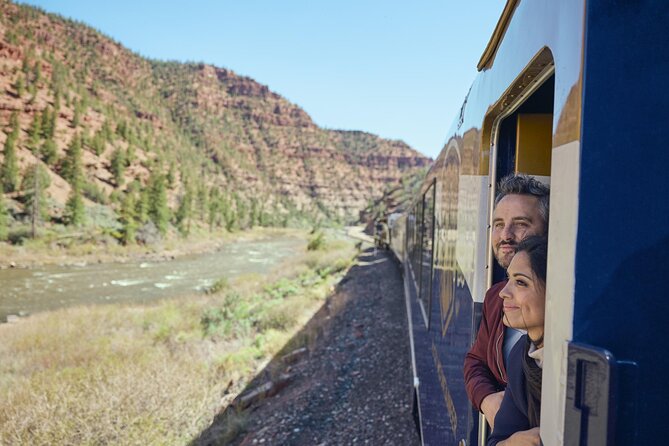
Near Moab, red sandstone formations begin to dominate the view. The train passes by Arches National Park, with the La Sal Mountains visible in the distance. The La Sals are Utah’s second-highest mountain range, rising sharply above the desert and creating one of the region’s most memorable contrasts.
The rail journey ends in Moab, the gateway to Utah’s Mighty Five national parks: Arches, Bryce Canyon, Canyonlands, Capitol Reef, and Zion. Only the approach to Arches is part of this experience. You need separate plans for park entry, sightseeing, lodging, and transportation after arrival.
For westbound passengers from Denver, the train disembarks at the Hoodoo Moab Hotel. The supplied meeting-point information also lists the Rocky Mountaineer Moab Guest Centre at 59 South Main Street, Suite 3, so check your boarding materials carefully for the exact pickup and arrival instructions. The stated start time is 8:30 a.m.
What SilverLeaf Plus adds for the price
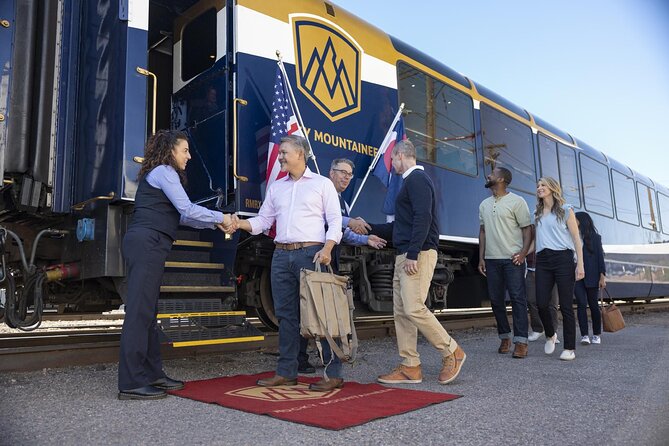
The $2,327 price is high, but it covers more than a seat. You receive two days of onboard food and drinks, one hotel night in Glenwood Springs, baggage handling between the train and midpoint accommodation, gratuities, Hosts, and access to SilverLeaf Plus features.
The lounge car gives you a second place to sit and relax. A small outdoor viewing area offers a way to experience the air and scenery directly, though the primary viewing remains from the train itself. Premium alcoholic drinks and signature cocktails are included at this service level.
I would value SilverLeaf Plus most on a full scenic day when you want room to change position without giving up comfort. The added service is less important if you plan to remain in your main seat for the whole trip, but the extra space can make two long days feel easier.
The food is another strong point. Breakfast and lunch are locally inspired, while snacks and drinks arrive during the day. The most direct praise for this trip centers on the staff and food, and that makes sense: good scenery loses some of its charm when you are hungry, rushed, or managing your own meals at every stop.
Still, value depends on your travel style. If you only need transportation between Denver and Moab, the fare will feel excessive. If you see the trip as a two-day scenic experience with hotel, meals, service, and access to remote canyon views, the price becomes easier to defend.
Practical details that affect your comfort
Your luggage allowance includes a maximum of two pieces per person, with a total weight of 30 kilograms or 60 pounds. No single piece may exceed 23 kilograms or 50 pounds. Baggage is checked and transferred between destinations, which means you do not need to carry everything into the train or to the midpoint hotel.
The train has restrooms onboard, but WiFi is not included. I would treat that as a small benefit rather than a problem. The point of this route is to watch the scenery, listen to the Hosts, and enjoy the service, not to work continuously online.
The experience is listed with a maximum of 15 people, and most people can participate. Service animals are allowed, and the departure point is near public transportation. Airfare, connecting transportation, and lodging before Denver or after Moab are not included.
The cancellation rule is strict: the booking is non-refundable and cannot be changed for any reason. That makes travel insurance and careful date planning sensible, especially at this price.
Who should book the Rockies to the Red Rocks train
I would recommend this journey to you if the route itself matters as much as the destination. It suits people who want canyon scenery without driving, who enjoy attentive service, and who like learning about railroad engineering and local places along the way.
It also works well for a special trip between Colorado and Utah. The Glenwood Springs overnight gives the journey shape, while the shift from Rocky Mountain terrain to Moab’s sandstone makes the two days feel varied.
I would hesitate if you are watching your budget, need dependable WiFi, or want long stops in towns and national parks. This is a moving scenic experience, not a hop-on, hop-off tour. You pass through major sights, but you do not stop at every one.
Should you book it?
Book it if you want the ride to be the main event. The strongest reasons are the Colorado River canyons, Gore Canyon, Ruby Canyon, the changing terrain, and the ease of having meals, drinks, lodging, Hosts, and baggage handling arranged for you.
Skip it if you mainly want to reach Moab cheaply or spend your time inside Arches and Canyonlands. For the right person, SilverLeaf Plus turns a difficult drive into a comfortable two-day story, with scenery that keeps changing outside the window and very little to manage along the way.
FAQ
How long is the Rockies to the Red Rocks train journey?
The journey takes approximately two days, traveling from Denver to Moab with one overnight stay in Glenwood Springs.
What is included in the SilverLeaf Plus experience?
The package includes lunch, one night of accommodation in Glenwood Springs, onboard restrooms, gratuities, luggage handling to and from the midpoint hotel, Hosts, and onboard storytelling. Breakfast is listed as included in the trip information, though it is also marked optional in one part of the booking details, so confirm this when reserving.
What hotel is used in Glenwood Springs?
The accommodation is a moderate, clean, comfortable hotel with essential amenities and good service. The specific property is assigned a few days before departure and shown on your boarding pass at check-in.
How much luggage can I bring?
You may check up to two pieces per person. The combined weight may not exceed 30 kilograms or 60 pounds, and no individual piece may weigh more than 23 kilograms or 50 pounds.
Is WiFi available on the train?
WiFi is not included onboard.
Where does the train arrive in Moab?
For westbound passengers traveling from Denver, the train disembarks at the Hoodoo Moab Hotel. The stated start time is 8:30 a.m., and you should check your boarding materials for the exact meeting and arrival instructions.
Just added around the USA
- Ventura: Rail Bike Guided Tour with Farm Stand Stop★ 4.1 · 18 reviews
- Virginia City Day Tour From Lake Tahoe with Train Ride★ 4.8 · 19 reviews
- Winnipesaukee Scenic Railroad★ 4.5 · 7 reviews
- Laughton Glacier Hike and White Pass Rail Adventure★ 5.0 · 12 reviews
- Verde Canyon Rail Day Adventure from Scottsdale or Phoenix★ 5.0 · 4 reviews
- Train Ride Adventure through Mother Natures Giant Redwoods Park★ 4.5 · 9 reviews
- Grape Train Escape: Wine Tasting and Verde Canyon Railroad Adventure★ 4.5 · 30 reviews
- Grand Canyon Excursion from Sedona with First Class Train Ride★ 4.5 · 47 reviews
USA Train Journeys, compared.
Skunk Train: Pudding Creek Express from Fort Bragg
Read our review →
Wild West Day Trip to Virginia City from Tahoe with Train Ride
Read our review →
All-Day Guided Zipline Tour with Train Ride and Lunch in Durango
Read our review →
Browse the lists this tour appears in