
Review · USA
Skip the Line: Historic RailPark and Train Museum Ticket with Guided Tour
Step inside Kentucky’s railroad past. Bowling Green’s Historic RailPark combines a small museum with a guided walk through real railcars, making the $22 admission a strong value for families, history fans, and anyone who likes transportation stories with something solid to see. I especially like the chance to walk through a working mail car and the old Pullman cars, rather than only viewing engines behind a fence.
I also like the short format. At about 45 minutes, this fits neatly into a Bowling Green stop, and several tour times make it easier to match your day. The main limitation is that the indoor exhibit area is small, so you should book this for the railcars and guide, not for a large museum collection.
Key things to know before you go
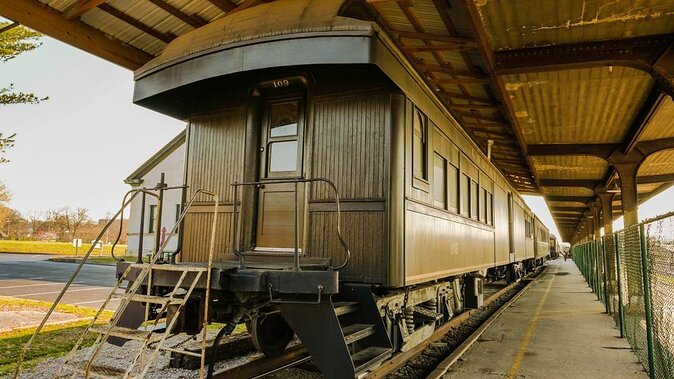
- The real railcars are the main event: Walk through an E8 engine, a railroad post office car, Pullman dining cars, a sleeper, and a presidential office car.
- The mail car offers the strongest story: You get a clear look at how mail moved between cities before modern delivery systems.
- The 45-minute visit is easy to fit into a day: It gives you a focused history lesson without taking over your schedule.
- The $22 price covers both parts: Your admission includes the self-guided museum and the guided railcar tour.
- The experience suits families: Most people can participate, service animals are allowed, and the subject is hands-on enough for many age groups.
- Book ahead when possible: It is commonly reserved around 10 days in advance, with confirmation provided at booking.
Why Bowling Green’s depot matters
Bowling Green sits between Louisville and Nashville, two major Kentucky and Tennessee cities linked by rail for generations. The city’s position helped make its station more than a place to catch a train. It became part of the local economy and a useful connection point for people, goods, and mail.
The current L&N Depot dates from 1925. It replaced an older station and once handled more than 20 departing trains each day. That number helps you picture the site in its working years. This was not a quiet museum corner. It was a busy transportation hub, where passengers arrived, mail moved out, and railroad schedules shaped daily life.
The museum uses that setting well. Instead of presenting railroad history as a list of dates, it connects the depot to economic and social change in the region. You can see how transportation affected communication, business, travel, and the movement of people between cities.
I find this context especially useful if you are not already a train enthusiast. You do not need to know the difference between every locomotive type to understand the basic point: railroads changed how quickly people, letters, and supplies could move. The museum gives that idea a physical setting.
More Railway Museums in the USA:
- Bowling Green: Historic RailPark & Train Museum Entry & Tour
★ 5.0 · 16 reviews - Snoqualmie Fall & Railway Museum 3-Hours (Private Tour)
★ 5.0 · 4 reviews - Prague: Railway Kingdom Giant Model Railway Museum
★ 4.4 · 54 reviews
Start inside the depot museum
The indoor museum is self-guided, so you can move at your own pace before or after the railcar portion. It contains exhibits of local and national interest, with material tied to the cultural, historical, and economic role of railroads.
Expect a modest exhibit area rather than a large institution filled with dozens of galleries. One of the clearest practical points is that the indoor section is relatively small. That is not necessarily a problem, since it keeps the visit manageable, but it does shape how you should judge the ticket.
If you enjoy reading every panel, you may finish the indoor section quickly. If you are visiting with children, the compact size can be an advantage. You can look at the displays without asking everyone to endure a long museum march before reaching the trains.
The self-guided format also gives you flexibility. You can spend more time with displays that catch your attention, then join the guided portion for the parts that benefit from explanation. The visit works best when you treat the depot museum as an introduction and the railcars as the main attraction.
The railcar tour brings the story to life
Behind the museum, about 450 feet of track holds the preserved cars. This is where the visit becomes more physical and memorable. You are not just looking at a railroad artifact through glass. You can walk through actual cars that served real purposes for decades.
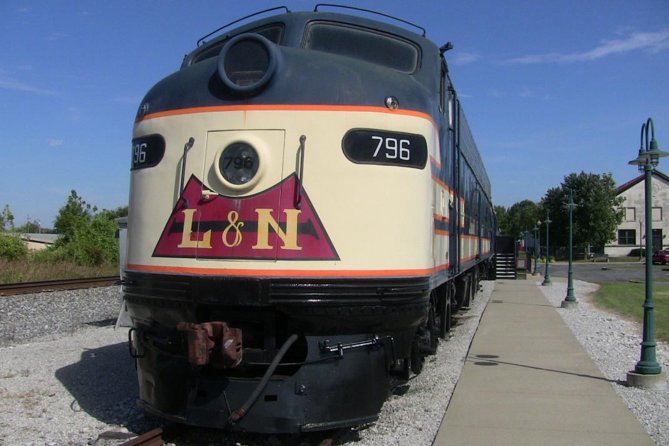
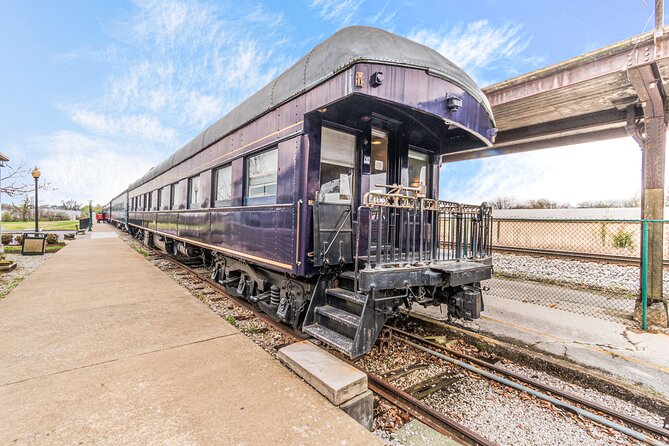
The collection includes an E8 engine, a railroad post office car, the Duncan Hines Diner, a 1949 Pullman diner, the Pine, a 1953 Pullman sleeper, and the 353 Presidential office car. Each car shows a different side of rail travel.
The E8 engine gives you the machinery and scale of passenger rail. Even if your interest in engines is limited, the size of a locomotive helps explain the power required to move long trains between cities. It also gives the outdoor portion a strong visual start.
The railroad post office car is one of the most useful stops for understanding everyday life before today’s delivery systems. Mail was sorted and handled while the train was moving. That meant letters could continue their journey between cities without waiting for the train to reach a station.
I would allow extra attention here. The mail car connects easily with modern life because everyone understands how much communication has changed. You can compare a process that required people, bags, schedules, and moving railcars with the instant messages and online services you use now.
The Duncan Hines Diner and the 1949 Pullman diner show the social side of rail travel. Long-distance trains were not only about getting from one city to another. Dining cars gave passengers a place to eat and spend time during the journey.
The Pine, a 1953 Pullman sleeper, shifts the focus to overnight travel. Sleeper cars helped make long rail journeys more practical by giving passengers a place to rest. Walking through the car lets you consider how much planning and space were once required for a trip that might now be handled by a car or airplane.
The 353 Presidential office car adds another layer. It suggests how railcars could serve official and private purposes, not merely carry ordinary passengers. Together, the cars make the collection feel varied. You move from engine power to mail delivery, dining, sleeping, and executive travel.
Why the guided portion is worth the price
The guided railcar tour is the part that turns a collection of old cars into a connected story. A guide can explain what each car did, how it was used, and why its design mattered. That added context is important because railroad interiors can otherwise look like a series of rooms with unfamiliar equipment.
The strongest praise for the experience centers on the guide’s passion and clear teaching. That matters here. A good explanation can show you where mail was sorted, how passengers used the dining cars, and how rail service fit into the larger history of communication and travel.
You should expect the guide to lead the railcar portion, while the indoor museum remains self-guided. This mix is sensible. You get freedom with the exhibits and personal explanation where the objects are less familiar.
The tour is offered in English. If you follow English comfortably, the short guided format should be easy to manage. The 45-minute length also keeps the presentation focused. You are unlikely to get buried under a long lecture, although the compact schedule means the tour cannot cover every possible railroad topic in depth.
More Museum Visits in the USA:
- Brussels: Train World Museum Entrance Ticket
★ 4.7 · 524 reviews - London: Postal Museum Entry Ticket and Underground Rail Ride
★ 4.6 · 363 reviews - Brussels Train World Museum Entrance Ticket
★ 4.5 · 220 reviews - From Krakow: Zakopane Tour with Gubalowka Funicular & Museum
★ 4.5 · 80 reviews
A good choice for families and mixed interests
This experience works well for families because it combines looking, walking, and listening. Children can see the size of the engine, enter the passenger cars, and imagine mail being sorted on a moving train. Adults get the larger story about transportation, business, and changing technology.
It also suits groups with different interests. A rail enthusiast may enjoy the variety of cars and the details of their former uses. Someone who came mainly for a quick local attraction can still get a clear, contained visit without committing to several hours.
The experience is family-friendly, but I would still set expectations before arriving. The indoor museum is not huge, and the visit is educational rather than an amusement attraction. Its appeal comes from real objects and historical explanation, not rides or flashy entertainment.
Most people can participate, and service animals are allowed. The site is near public transportation, which can help if you are building a Bowling Green day without relying entirely on a car. The available information does not provide detailed mobility guidance for every railcar, so you should contact the museum directly if your group has specific access needs.
Is $22 good value?
At $22 per person, the ticket is reasonably priced because it covers two different parts of the experience: the self-guided museum and the guided railcar tour. You are paying for access to the depot exhibits, the outdoor collection, and the explanation that ties the cars together.
The value is strongest if you enjoy actual historic objects. Walking through the mail car, diner, sleeper, and presidential office car gives you more than a quick look at a locomotive. You get several distinct examples of how railroads served different needs.
The value is weaker if you expect a large museum with extensive indoor displays. The exhibit area is small, and the full visit lasts about 45 minutes. That is enough for a focused stop, but not a full-day attraction.
For families, the price also benefits from the compact schedule. You can pair the museum with other Bowling Green activities instead of spending the whole day on one ticket. The several daily tour times add practical value, especially if your plans change around meals or other stops.
Taxes, fees, and handling charges are included. Food and drinks are not included, so plan to eat separately. There is no reason to treat that as a major issue, since the experience is short, but it is useful to know before you arrive.
Timing your visit in Bowling Green
The short duration makes this easy to place into a larger itinerary. You can schedule it as a morning stop, an afternoon break, or a planned visit between other activities. Since multiple times are offered throughout the day, you have some room to build around your schedule.
The ticket is commonly booked about 10 days in advance. That does not mean you must always reserve that far ahead, but it is a useful planning signal. If your dates are fixed, booking early removes uncertainty and gives you the tour time you want.
The mobile ticket is practical. Confirmation arrives at the time of booking, so you do not need to wait for a paper ticket. The experience is offered in English, and the dress code is smart casual. That is a simple standard, but it is worth keeping in mind if the museum is one stop during a dressed-up day.
Because the tour is outdoors as well as indoors, your comfort may depend on the weather. The provided information does not specify weather arrangements, so you should check with the provider if rain or severe conditions are expected.
What I would pay attention to
I would make the mail car my first priority. It offers the clearest bridge between railroad history and modern life, and it gives you a strong reason to slow down rather than simply walk through every car.
I would also listen closely when the guide explains the former uses of the cars. The Duncan Hines Diner, 1949 Pullman diner, Pine sleeper, and 353 Presidential office car are not interchangeable displays. Their different roles show how rail travel served ordinary passengers, overnight travelers, diners, postal workers, and public officials.
If you have children with you, give them a simple challenge: notice how many different jobs the railroad made possible. Mail workers, dining staff, engineers, conductors, and passengers all used the same rail system in different ways. That can turn the visit into an easy history lesson without making it feel like school.
I would not rush the outdoor section just because the tour is short. The cars are the reason to come, and they are the part most likely to stay in your memory. The indoor exhibits can provide background, but the preserved cars let you see the past at full scale.
Who should book this experience?
You should consider booking it if you like transportation history, restored vehicles, local history, or compact attractions with a clear focus. It is also a smart choice for families looking for an educational activity that does not demand half a day.
It may not suit you if you want a large museum, a long guided program, or a major entertainment attraction. The indoor gallery is small, and the entire visit is brief. That is the tradeoff for a focused, easy-to-schedule stop.
The experience earns its strongest praise for the guided railcars, the mail car, and the quality of the teaching. Those are the features to value when deciding. If you approach it expecting a chance to walk through real railroad cars and understand how they were used, the $22 ticket offers solid value.
Should you book the Historic RailPark?
Yes, if your plans include Bowling Green and you have even a passing interest in trains, mail, or the way people traveled before modern technology. The experience gives you real cars, a useful guide, a small museum, and a manageable 45-minute schedule for one reasonable price.
Book it especially if you are traveling with children or with people who prefer short attractions. Just keep your expectations in the right place: the indoor museum is compact, while the outdoor railcar tour carries most of the visit. Choose this for the cars and the stories, and you are likely to leave with a clearer picture of how railroads helped connect Bowling Green with the wider region.
Free cancellation is available if you cancel at least 24 hours before the start time. Cancellations made later, or changes made within that period, are not eligible for a refund.
FAQ
How long does the Historic RailPark experience last?
The experience lasts approximately 45 minutes.
What does the $22 ticket include?
The price includes the self-guided museum visit and the guided railcar tour. Taxes, fees, and handling charges are also included.
Is the museum visit self-guided?
The museum portion is self-guided. The railcar portion is guided.
What language is the experience offered in?
The experience is offered in English.
Are food and drinks included?
No. Food and drinks are not included in the ticket price.
Can I cancel for a full refund?
Yes. You can cancel for a full refund if you do so at least 24 hours before the experience start time. Changes or cancellations made less than 24 hours before the start time are not accepted for a refund.
More Skip-the-Line Tickets in the USA
- From Naples: Guided tour of Pompeii skip-the-line and round-trip train
★ 4.5 · 811 reviews - Skip the Line Kuranda Scenic Railway Gold Class and Skyrail Rainforest Cableway
★ 4.5 · 574 reviews - Skip the Line: Kingdom of Railways Entrance Ticket in Prague
★ 3.5 · 26 reviews - Como-Brunate Jeep Sightseeing Tour & Funicular Rail SKIP THE LINE
★ 4.5 · 6 reviews
Just added around the USA
- Ventura: Rail Bike Guided Tour with Farm Stand Stop★ 4.1 · 18 reviews
- Virginia City Day Tour From Lake Tahoe with Train Ride★ 4.8 · 19 reviews
- Winnipesaukee Scenic Railroad★ 4.5 · 7 reviews
- Laughton Glacier Hike and White Pass Rail Adventure★ 5.0 · 12 reviews
- Verde Canyon Rail Day Adventure from Scottsdale or Phoenix★ 5.0 · 4 reviews
- Train Ride Adventure through Mother Natures Giant Redwoods Park★ 4.5 · 9 reviews
- Grape Train Escape: Wine Tasting and Verde Canyon Railroad Adventure★ 4.5 · 30 reviews
- Grand Canyon Excursion from Sedona with First Class Train Ride★ 4.5 · 47 reviews
Railway Museums, compared.
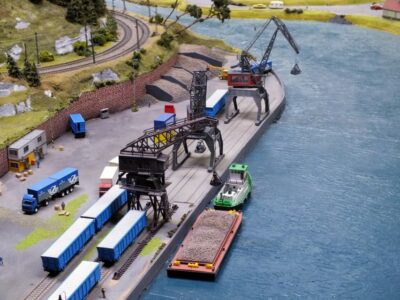

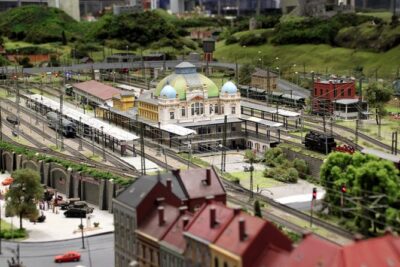
Skip the Line: Kingdom of Railways Entrance Ticket in Prague
Read our review →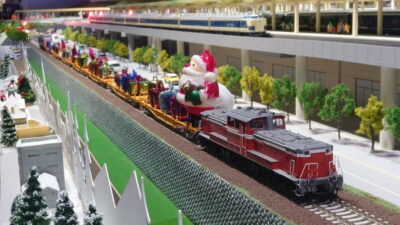
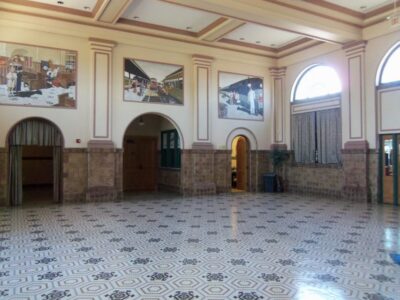
Bowling Green: Historic RailPark & Train Museum Entry & Tour
Read our review →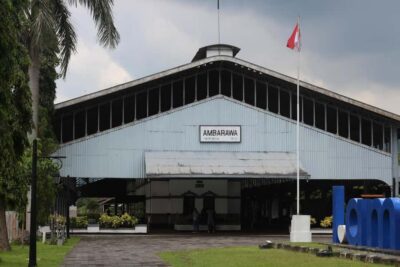
Kusadasi Day Trips Magnesia, Train Museum Turkish Bath
Read our review →
Browse the lists this tour appears in