
Review · NEW ZEALAND
Ultimate self-drive rail car journey
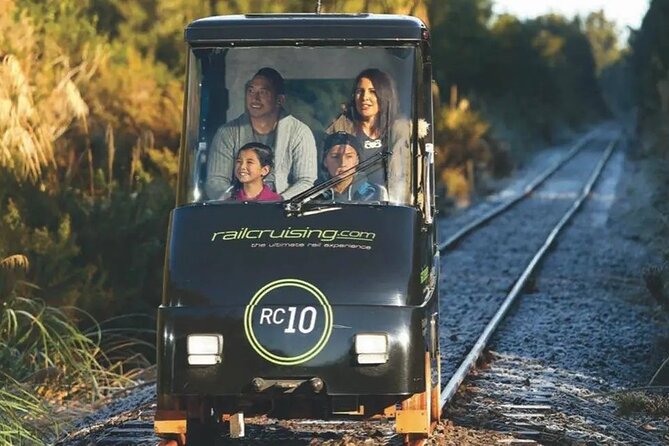
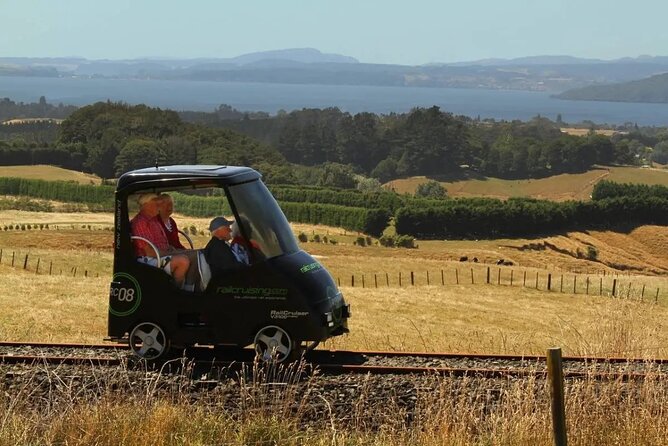
Rail travel gets wonderfully strange here. You ride a small petrol-electric rail car along a disused railway line, passing native forest, farmland, and broad views toward Lake Rotorua and Mount Tarawera. I like the gentle 20km/h pace, and I like that your group can have its own car with room for up to four people. The main thing to understand is that self-drive does not mean steering your own vehicle. The cars are fully automatic and guided along the track.
This is a strong pick for families, railway fans, and anyone wanting a quieter Rotorua outing. I also like the mix of audio commentary, wildlife spotting, and old railway details. The possible drawback is simple: if you want a fast, high-adrenaline activity, this two-hour ride may feel too slow.
Key points before you book
- Automatic rail cars for up to four people: You get a private car for your group, but the vehicle follows the railway without passenger steering.
- A 20km/h view of Rotorua: The slow speed gives you time to notice forest trees, farmland, birds, old railway equipment, and changing views.
- Native forest and lake scenery: The route passes the Ohokeriki, or Dansey Road Scenic Reserve, and offers views toward Lake Rotorua and Mount Tarawera.
- A 20-minute stop at Mamaku: You can get out at the old Mamaku station site and spend time in the log cabin before returning.
- Useful family extras: A wildlife bingo sheet adds a playful task for children, while a baby changing station is available at Mamaku.
- Flexible booking terms: You can cancel for a full refund up to 24 hours before departure, but poor weather can affect the trip.
Why this old railway makes a good Rotorua outing
Rotorua is famous for geothermal sights, Māori culture, and outdoor activities. This ride gives you something different: a quiet trip through the countryside on a railway line that is no longer used by regular trains.
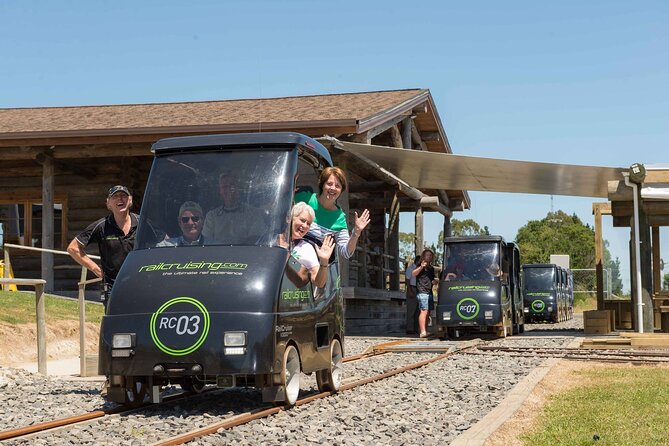
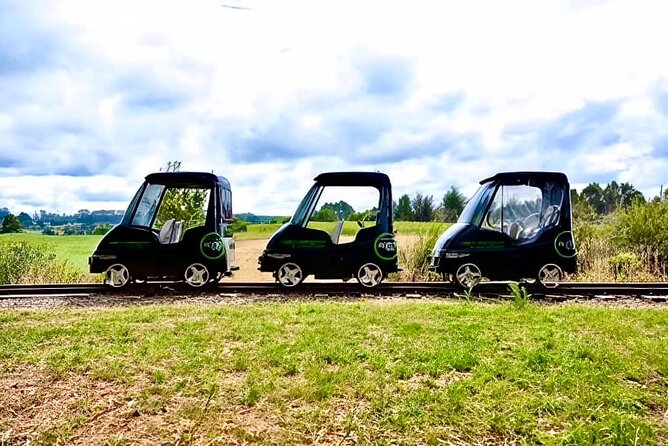
The experience has a pleasingly odd charm. You sit low in a compact rail car, listen to commentary through the speakers, and let the track carry you away from the road. The cars have waterproof sides, so you get protection from the weather while still having clear views around you.
At about 20km/h, the journey is not about covering a lot of ground. It is about noticing what is close by. You may spot birds, deer, roosters, old railway equipment, and changes in the vegetation. One useful tip is to ask for the wildlife bingo sheet at the start. It gives children something to watch for and turns a calm ride into a small outdoor game.
The audio commentary adds useful context without taking over the trip. It covers the history of New Zealand’s railways and points out features along the route. The commentary is not constant, which suits the experience. You get information when it matters, then quiet stretches to enjoy the view.
More Train Journeys in New Zealand:
- Northern Explorer Train Journey from Wellington to Auckland
★ 4.0 · 513 reviews - TranzAlpine Train, Arthur’s Pass and Castle Hill Day Trip
★ 5.0 · 426 reviews - Coastal Pacific Train Journey from Picton to Christchurch
★ 4.5 · 345 reviews
Starting at Ngongotahā after a short briefing
Your journey begins at Rotorua RailCruising, at 45 Ngongotaha Road in Ngongotahā. The start is practical rather than elaborate. You receive a short safety briefing, then the guide helps settle you into the rail car and sends you along the track.
The cars hold up to four passengers. That works well for a family or a small group of friends, since you can share the ride privately rather than joining a large vehicle. Most people can take part, and service animals and pets are allowed. The activity is also near public transportation, which helps if you are not driving around Rotorua.
You should arrive ready for a relaxed trip, not a hands-on driving lesson. The name suggests that you control the car, but the vehicle is fully automatic. You still get the feeling of traveling independently along the railway, but you do not steer or manage the speed yourself.
That distinction matters most to adults who are booking because they want to drive. If the appeal is the unusual vehicle, the scenery, and the railway setting, the automatic system is unlikely to be a problem. If operating the car is the main reason you are interested, adjust your expectations before booking.
Tarukenga: railway traces and local connections
As the rail car leaves the starting point, the route passes the site of the former Tarukenga Station. The station itself is gone, but the journey gives you a sense of how the line once connected communities in the area.
Near the road is Toi te Whenua, a 5.5-metre aluminium sculpture. It greets people arriving in Rotorua from the Waikato side and provides one of the route’s more unusual landmarks. The sculpture is easy to appreciate from a slow-moving rail car, since you have time to look rather than rushing past in a car.
The route also passes Tarukenga Marae, a Te Arawa marae associated with Ngāti Te Ngākau and Ngāti Tura hapū of Te Urewera? The supplied description identifies it as being closely tied to these local hapū, and the audio information helps place the site within the area’s Māori community and railway setting. This is one reason the commentary matters. Without it, some of the route’s landmarks would simply pass by as scenery.
You will not be stopping for a long visit at each point. Think of these places as part of a moving story about the railway line, the surrounding communities, and the way people once traveled through the district.
Ohokeriki forest brings the best scenery
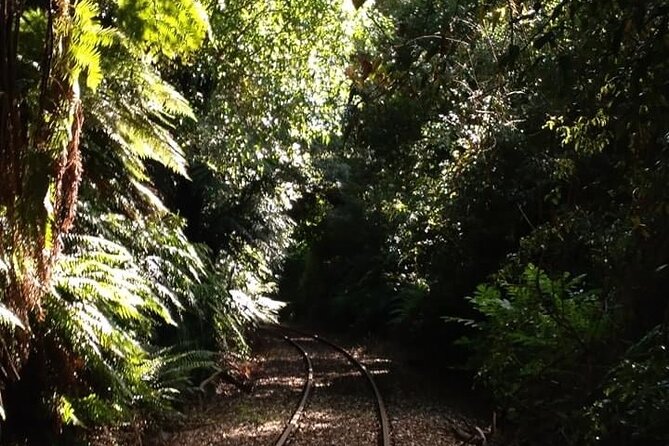
The most rewarding section for many people is the run through Ohokeriki, also called Dansey Road Scenic Reserve. This 468-hectare native forest lies west of Ngongotahā and includes old rimu and tawa trees.
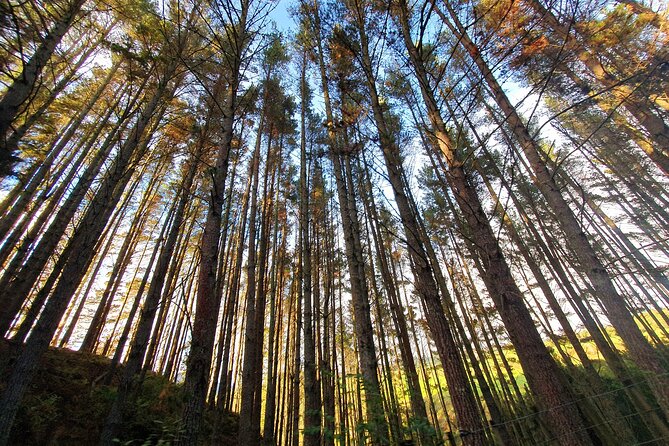
The forest changes the mood of the trip. Open farmland gives way to thicker native vegetation, and the low-speed rail car lets you look into the trees without the distractions of a road journey. The forest is also known for its variety of plant and animal life, so this is the section where the bingo sheet can become especially useful for younger riders.
I would keep your eyes moving instead of focusing only on the biggest view. The attraction here is the combination of old trees, railway track, and small signs of wildlife. The route does not try to turn the forest into a staged attraction. You simply pass through it at a gentle pace.
The weather can affect how much you enjoy this section. The cars have waterproof sides, which provide some shelter, but the experience still relies on being outdoors. The operator requires good weather, and a cancellation caused by poor conditions brings the choice of another date or a full refund.
Same tracks, a different day out:
- TranzAlpine Train Journey: Christchurch to Greymouth
★ 4.5 · 312 reviews - Arthur’s Pass Discovery and TranzAlpine Train – Small Group Tour
★ 5.0 · 272 reviews - Arthur’s Pass: TranzAlpine Train and Castle Hill Day Tour
★ 4.8 · 270 reviews - Northern Explorer Train Journey from Auckland to Wellington
★ 4.0 · 204 reviews
Mamaku Station gives the journey a useful pause
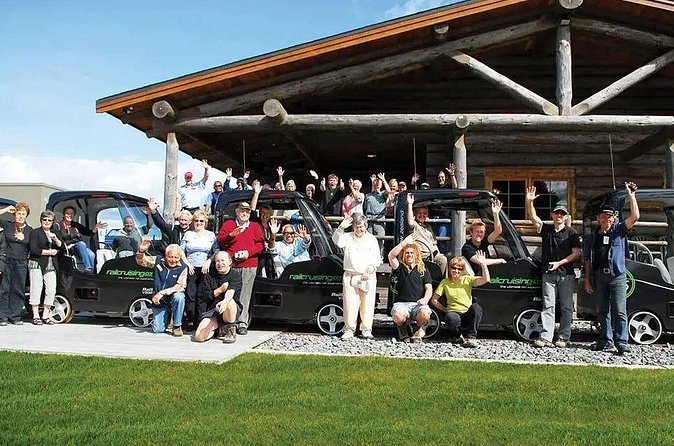
Mamaku Railcruising Station is the turning point and the end of the outward ride. You leave the rail car and have about 20 minutes to look around the station area and go inside the attractive log cabin.
This stop breaks up the ride in a helpful way. Two hours seated in one vehicle can feel long for young children, but the chance to get out gives everyone a stretch and a change of view. The cabin also adds to the railway character of the outing, making the stop feel like part of the story rather than a simple turnaround.
A baby changing station is available at Mamaku, a practical detail that can make the trip easier for families with very young children. The experience is family-friendly, but you should still consider your child’s patience with a slow, seated activity. The wildlife bingo sheet is a smart way to keep children involved during the quieter stretches.
After the stop, you return along the railway to Ngongotahā. The reverse journey offers a different angle on the same route. You may notice details you missed on the way out, and the changing light can alter the look of the forest and farmland.
Lake Rotorua and Mount Tarawera views
The rail line offers views over Lake Rotorua and toward Mount Tarawera. These are not the only reasons to book, but they give the ride a wider sense of place.
Rotorua can sometimes feel like a collection of separate attractions. This journey helps connect the town to its surrounding country. You see farmland, forest reserves, community landmarks, and distant volcanic scenery in one outing. The views are best understood as part of a changing sequence rather than one fixed lookout.
Because the cars move slowly, you have a reasonable chance to take in the scenery without the usual rushed photo stop. Waterproof sides help if conditions are unsettled, although the operator’s good-weather requirement tells you that the day still matters.
The ride also suits people who prefer a calm outing. There is no demanding walk, strenuous activity, or complicated equipment to handle. You can listen to the commentary, look for wildlife, and let the rail line do the work.
The commentary adds more than background noise
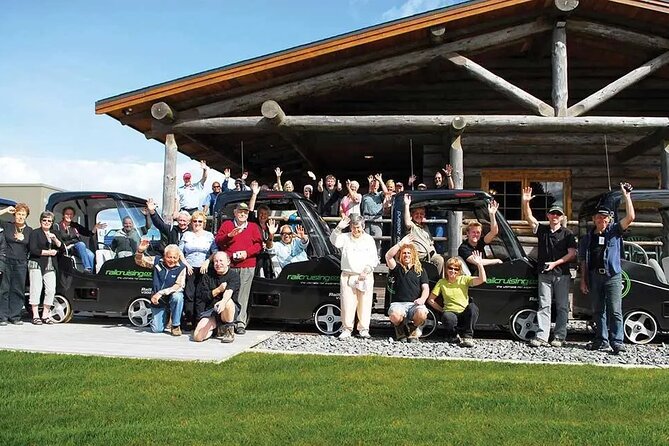
The audio tour covers New Zealand railway history and points out relevant sites along the route. That makes a difference here because much of the appeal is tied to the old railway itself.
One particularly useful detail comes from the local knowledge shared during the journey. John, who has provided commentary and information about the railway, is praised for bringing the old equipment and railway history to life. You may see equipment beside the track that was used long ago, and the commentary helps explain what you are looking at.
The best approach is to treat the audio as an occasional guide, not a lecture. The commentary comes on when relevant, then leaves room for the natural sounds and quiet of the countryside. That balance suits the pace of the ride.
If you enjoy railway stories, this may be the strongest part of the experience. If you prefer pure scenery, you can still enjoy the trip because the information does not appear to run continuously.
Is $46.54 good value for two hours?
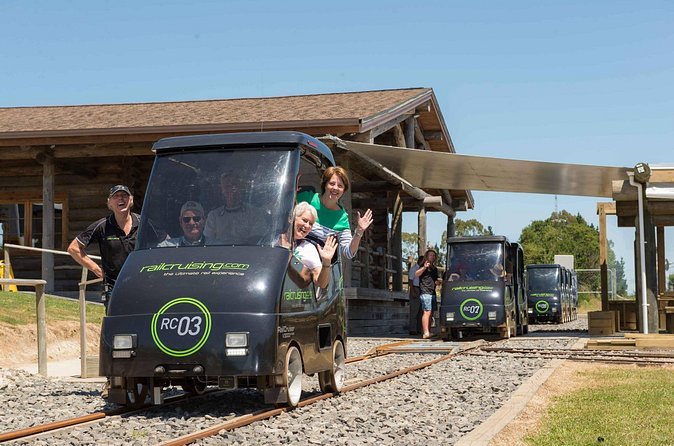
At $46.54 per person, this is not the cheapest way to spend two hours in Rotorua. It is also more than a simple walk or scenic drive. The value comes from the unusual format, the private rail car, the commentary, the forest route, and the short stop at Mamaku.
For a group of up to four, the private-car arrangement improves the value. You are sharing the experience with your own family or friends, rather than being placed in a large group. That can make the slow pace feel more personal and relaxed.
The price also covers more than a short railway ride. You get a return journey, a safety briefing, the audio tour, access to the station stop, and a route that combines native forest, farmland, railway history, and lake views.
I would consider it good value if you enjoy unusual transport, local stories, and gentle scenery. I would be less enthusiastic if you are mainly seeking a major sightseeing landmark or a high-energy activity. The experience is about atmosphere and novelty, not speed.
Who will enjoy this most?
Families are an obvious match. Children can watch for wildlife, use the bingo sheet, and enjoy the novelty of a rail car. The Mamaku stop and baby changing station also help make the outing manageable for parents.
Railway enthusiasts should appreciate the old line, former station sites, historic equipment, and commentary. You do not need to be a serious train fan, though. The experience works simply as a scenic countryside trip with an unusual vehicle.
It also suits couples and small groups who want a quiet break from Rotorua’s busier activities. Since the tour is private for your group, you can settle into your own rhythm.
The main mismatch is for anyone expecting true self-driving. You will not operate the car. It is automatic, and that is worth treating as a key booking detail rather than a minor technical point.
Practical details that can shape your day
The activity lasts about two hours and begins and ends at Rotorua RailCruising in Ngongotahā. Plan around the full duration, since the Mamaku stop is part of the outing and the return trip follows afterward.
Mobile tickets make entry simple. Confirmation is provided at booking, and the activity is near public transportation. Pets and service animals are allowed, and most people can participate.
Free cancellation is available until 24 hours before the start time. Changes or cancellations inside that window are not accepted for a refund. Since the experience depends on good weather, the operator may offer another date or a full refund if conditions force a cancellation.
I would check the forecast before setting aside a prime day in your Rotorua schedule. On a clear or lightly settled day, the combination of forest and distant views should be much more rewarding.
Should you book Rotorua RailCruising?
Book it if you want a gentle, original outing with railway character, family appeal, and time to notice Rotorua’s countryside. The strongest reasons are the private four-seat rail car, the Ohokeriki forest section, the old railway setting, and the wildlife bingo idea for children.
Skip it if the word self-drive makes you expect to steer, or if two hours at 20km/h sounds painfully slow. For everyone else, this is a thoughtful way to see a quieter side of Rotorua. Bring patience, keep an eye out for wildlife, and ask for the bingo sheet before you set off.
FAQ
Where does the rail car journey begin?
It begins at Rotorua RailCruising, 45 Ngongotaha Road, Ngongotahā, Rotorua 3010, New Zealand.
Where does the experience finish?
The journey finishes back at the Rotorua RailCruising meeting point.
How long does the experience take?
The full experience takes approximately two hours.
How many people can sit in one rail car?
Each petrol-electric rail car has space for up to four passengers.
Is the rail car really self-drive?
The cars are fully automatic. You do not steer them, despite the self-drive description.
How fast does the rail car travel?
The rail cars travel at about 20km/h.
What can you see along the route?
The route includes native forest, rolling farmland, views over Lake Rotorua, views toward Mount Tarawera, railway landmarks, and old railway equipment.
What happens at Mamaku Station?
Mamaku is the turnaround point. You leave the rail car and have about 20 minutes to visit the log cabin and look around.
Are pets and service animals allowed?
Yes. Service animals and pets are allowed.
Can the experience be canceled because of weather?
Yes. The activity requires good weather. If the operator cancels because of poor conditions, you can be offered another date or a full refund.
Can I cancel my booking for a refund?
Yes. You can receive a full refund if you cancel at least 24 hours before the experience start time.
Just added around New Zealand
- Queenstown to Dunedin with Taieri Gorge Train One-Way Tour★ 5.0 · 5 reviews
- 2 Day West Coast Glaciers and TranzAlpine Train: Queenstown to Christchurch★ 3.0 · 3 reviews
- Franz Josef to Christchurch Small-Group Tour W TranzAlpine Train★ 4.5 · 2 reviews
- Dunedin to Queenstown One Way Tour Including Taieri Gorge Train★ 5.0 · 6 reviews
- Captivating Railway Journey in Coromandel★ 4.5 · 36 reviews
- Kaikoura Whale Watch Day Tour from Christchurch including Coastal Pacific Train★ 5.0 · 6 reviews
- Arthur’s Pass with optional TranzAlpine Train (Small Group Tour)★ 5.0 · 13 reviews
- Taumarunui: Forgotten World Rail Cart Tour with Lunch★ 5.0 · 12 reviews
New Zealand Train Journeys, compared.
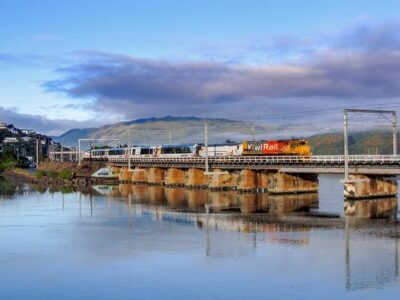
Northern Explorer Train Journey from Wellington to Auckland
Read our review →
TranzAlpine Train, Arthur’s Pass and Castle Hill Day Trip
Read our review →
Coastal Pacific Train Journey from Picton to Christchurch
Read our review →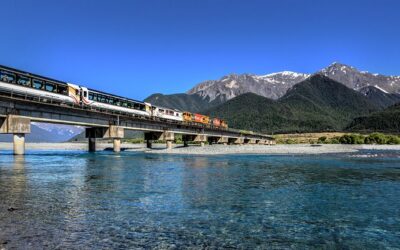
TranzAlpine Train Journey: Christchurch to Greymouth
Read our review →
Arthur’s Pass Discovery and TranzAlpine Train – Small Group Tour
Read our review →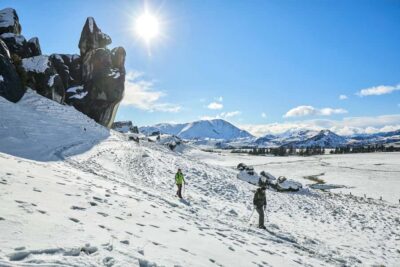
Arthur’s Pass: TranzAlpine Train and Castle Hill Day Tour
Read our review →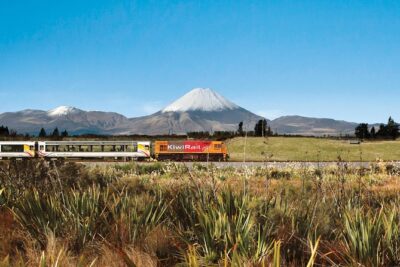
Northern Explorer Train Journey from Auckland to Wellington
Read our review →
Arthur’s Pass and TranzAlpine Train Day Tour from Christchurch
Read our review →Browse the lists this tour appears in