
Review · CAIRO
12-Night Private Tour: Amarna and El Minya with Cruise and Train
Ancient Egypt takes the long way. This 13-day journey links Cairo, El Minya, Luxor, Aswan, and Abu Simbel by private car, train, and Nile ship, giving you far more than the usual pyramid-and-cruise route. I especially like the rare visits to Tell el-Amarna and Tuna el-Gebel, plus the chance to see Egypt from a moving train and from the river.
I also like the personal setup: an Egyptologist guide accompanies you, and guides such as Salah and Fathy Taher are specifically praised for their Egyptology and Portuguese-language skills. The main caution is cost control. At $1,973.36 per person, the price covers a great deal, but entrance fees, visa, tips, and several headline sights, including Abu Simbel and Philae, are extra.
Key points to know before you book
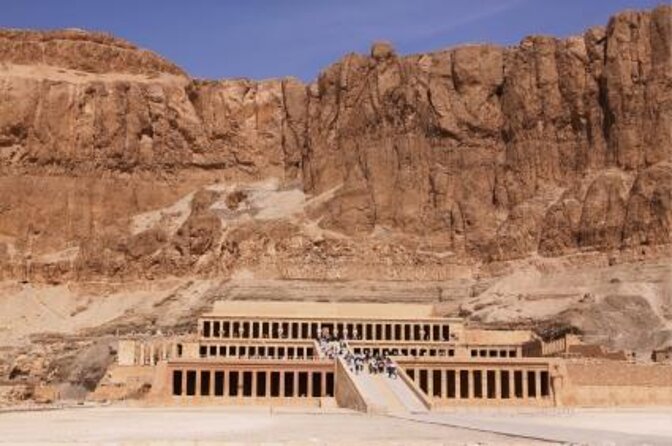
- Amarna is the star for serious ancient-history fans: You visit the city founded by Akhenaten and several tombs that many Egypt programs skip.
- The four-night Nile cruise links the classic sights: Luxor, Edfu, Kom Ombo, and Aswan come in a steady river sequence.
- Train travel adds local texture: You use a first-class sitting train to Minya and a sleeper train back to Cairo.
- The schedule is active: Several days begin early and include long road or rail transfers.
- The price is strongest for a full Egypt experience: Hotels, cruise, many meals, guides, and transfers are included, but admission costs add up.
- The tour suits history-minded visitors: You get pyramids and famous temples, but also remote tombs, Coptic Cairo, Memphis, and the Amarna period.
Why Amarna changes the usual Egypt trip
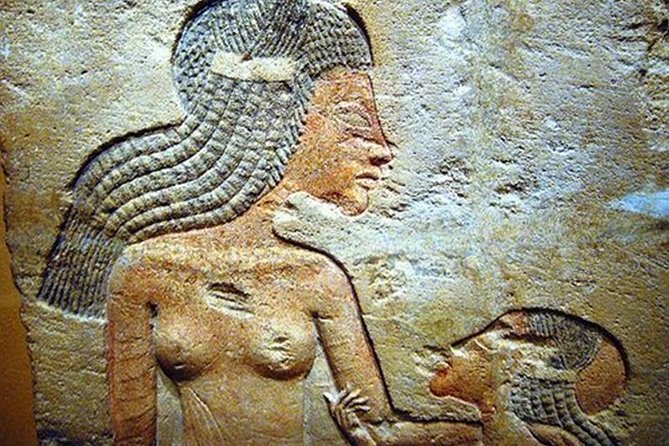
Most first visits to Egypt follow a familiar line: Cairo, Luxor, the Nile, and perhaps Abu Simbel. This program adds El Minya, a central Egyptian stop that changes the emphasis from famous monuments to a more specialized period of history.
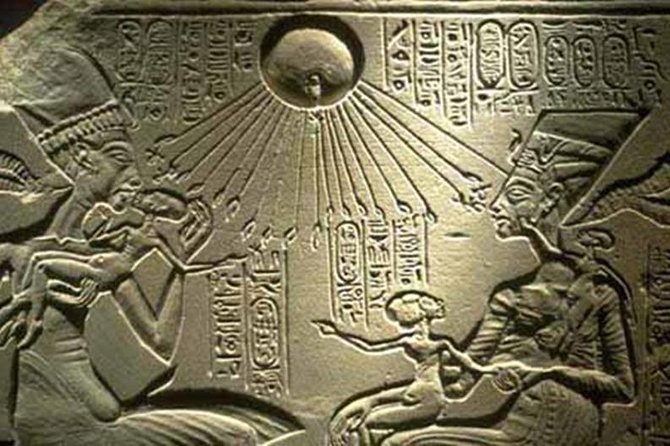
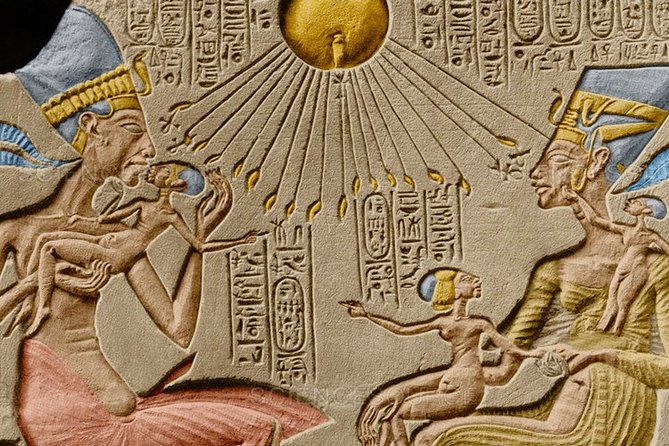
At Tell el-Amarna, you explore the remains of Akhenaten’s short-lived capital. Akhenaten replaced the traditional state religion centered on Amun with worship of Aten, the sun disk, and built a new capital in the late 14th century BC. After his death, the city was largely abandoned and damaged by later supporters of the older religious order.
The Northern Tombs include the tombs of Ahmose, Huya, and Mery-Re I. The Southern Tombs include those of Ay and Mahu. These are not polished, easy-to-reach attractions in the manner of the Giza Plateau. They are part of a more demanding day in a region known for open desert and local farmland.
Your guide explains the tombs outside, since guides are not allowed inside. You then enter on your own, giving you quiet time with the decoration and layout. That arrangement is common at Egyptian archaeological sites, but it helps to know it in advance if you prefer a continuous explanation at every stop.
The Amarna section is the strongest reason to choose this program over a standard Egypt package. If Akhenaten interests you, the extra rail journey and overnight stay in the area are well justified.
A few more train trips around Cairo worth a look
- Private 7-Night Egypt Explorer Tour including Sleeper Train and Nile Cruise from Cairo
★ 4.5 · 3 reviews - From Hanoi: 2-Day 2-Night Sapa Tour by Overnight Train
★ 4.4 · 96 reviews - Sapa: 3-Day, 3-Night Trek and Hotel with Overnight Train
★ 4.2 · 64 reviews
Cairo begins with pyramids, tombs, and a bull cemetery
Your arrival at Cairo International Airport includes meet-and-assist service through the airport procedures. A representative also explains the general plan, and you meet your Egyptologist guide either on arrival day or the following day.
The second day moves south of Cairo to Saqqara, where the Step Pyramid of Djoser is the main prize. Built in the Third Dynasty around 2650 BC, it is usually described as the world’s oldest major stone structure. Its stepped form marks an important stage in the development of pyramid building.
The nearby Serapeum offers a different kind of experience. This underground complex held the burials of sacred Apis bulls, placed in large stone sarcophagi. It is a good reminder that ancient Egyptian religion involved animals, burial rituals, and several overlapping gods, not only pharaohs and pyramids.
Dahshur adds the Bent Pyramid and Red Pyramid, both associated with the Fourth Dynasty. The Bent Pyramid is especially useful for understanding how pyramid design changed during construction. The Red Pyramid offers a more direct look at the mature pyramid form.
The day finishes at Memphis, the ancient capital traditionally linked with King Menes. You see the colossal statue of Ramses II and the alabaster sphinx. The order and exact access can change, and several of these admissions are not included, so ask your guide which sites are part of your paid plan and which are optional.
One important practical point: the description places the Giza Pyramids and Sphinx among the tour highlights, but the Day 2 schedule describes them as optional. Confirm this before departure. You should not assume the Giza entry fees or a full plateau visit are included in the base price.
El Minya and Tuna el-Gebel reward curious visitors
The next morning begins with a transfer to Giza railway station around 7:30 am. The first-class sitting train reaches Minya around 11:00 am. From there, a guide meets you for the drive toward the Amarna area, with lunch at a local restaurant on your own.
This is a real travel day, not a quick excursion. The road journey takes about two hours, and the archaeological sites require additional driving. You gain access to places that are not part of most Cairo and Luxor circuits, but you give up a relaxed morning.
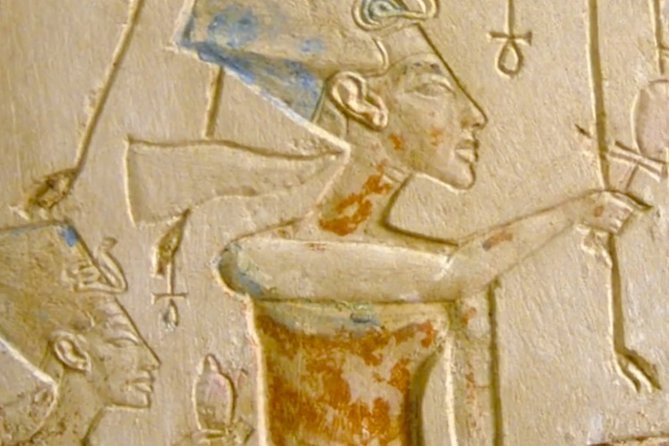
The following day brings Tuna el-Gebel. The site includes boundary stelae connected with Akhenaten, showing the king and his wife worshipping Aten. You also see ancient tombs, the tomb of Petosiris, ibis catacombs, and the tomb of Isadora, along with remains linked to ancient Hermopolis.
Tuna el-Gebel helps explain the wider religious world around Amarna. The ibis catacombs, in particular, show how sacred animals were cared for and buried on a large scale. The visit has less visual drama than Giza or Abu Simbel, but it rewards anyone who wants to understand how Egyptian beliefs worked on the ground.
After Tuna el-Gebel, you take a train toward Luxor, arriving around 7:00 pm. The sequence is efficient, though tiring. Pack a small day bag, keep water close, and do not put essentials in luggage that will be hard to reach during the rail transfers.
Luxor combines grand temples with quieter tombs
Luxor gives you two different experiences: the private tombs and memorial temples of the west bank, followed by the huge temple complexes along the river.
The Valley of the Nobles shows how elite Egyptians presented daily life, work, funerals, and the afterlife. These tombs are less famous than the royal tombs in the Valley of the Kings, but their scenes often feel more personal because they show ordinary activities and social roles.
The Ramesseum was the memorial temple of Ramses II. Its huge seated statue survives only in fragments, but reliefs still show events such as the Battle of Kadesh and religious festivals. Medinet Habu, the memorial temple of Ramses III, is usually the better-preserved complex and contains military scenes and texts.
These west-bank visits take place before or around your move onto the Nile cruise. The exact order can change with sailing times, so expect some adjustment. The included private vehicle is valuable here because the sites are spread out and the heat can make walking between them unpleasant.
Karnak is scheduled on the east bank after breakfast on the cruise check-in day. The complex includes the Great Temple of Amun-Ra, the Temple of Khonsu, and other sacred structures. Its scale can be hard to grasp from a guidebook, so give yourself time to look up through the columns and across the courtyards rather than rushing from one named feature to the next.
Luxor Temple is especially attractive after dark, when the row of sphinxes and illuminated columns create a different mood from the sunlit ruins. You can walk back to the ship after the visit, depending on the final location and timing.
The program lists these visits as optional in places, and admission fees are not included. That wording matters. Budget for the sights you care most about, and ask the guide for the day’s exact supplement before entering.
More Train Journeys in Cairo:
- Egypt on Budget – 8 Days ( Cairo , Aswan , Nile Cruise – Luxor ) Sleeper Train
★ 4.5 · 121 reviews - 6- Days Aswan , Abu Simbel , Cruise , Luxor & Round Sleeper Train
★ 5.0 · 25 reviews - Cairo : Luxor East and West Banks Tour & Overnight SLEEPER Train Rounded trip
★ 4.5 · 21 reviews - Cairo : Luxor East and West Banks Tour by Overnight Sitting Train Rounded trip
★ 5.0 · 20 reviews
Four nights on the Nile keep the middle section simple
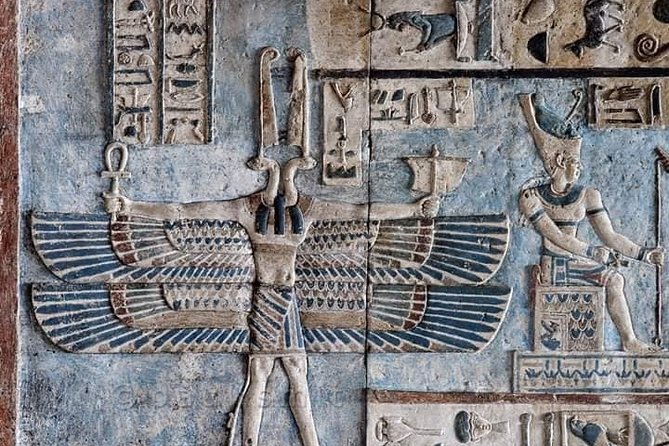
The four-night deluxe cruise from Luxor to Aswan is the trip’s easiest stretch. Once aboard, the ship becomes your base while the river connects the major temples.
At Edfu, a horse carriage takes you from the landing area to the Temple of Horus. The temple was built during the Ptolemaic period and is dedicated to Horus. Its large pylons, carved walls, and relatively complete plan make it one of the clearest temple visits on the cruise route.
Kom Ombo is unusual because it is a double temple. One side honors Sobek, the crocodile god, while the other is linked with Hathor. Later Roman additions add another layer to the site. Since the temple is visited between sailing periods, pay attention to the return time. Ships do not wait indefinitely for late arrivals.
The cruise includes full board for four nights, and a guide accompanies you during the sailing days. That is useful because you are not left to arrange every landing visit yourself. You should not expect reliable internet on board, however. Wi-Fi is not available on the ship, and television service may not work during sailing because of weak signal.
Cruise quality can vary by ship and sailing date, so the word deluxe should not be read as a promise of a specific luxury standard. The main benefit is the route, the river views, and the reduced need to repack every morning.
Abu Simbel is spectacular, but it is not included
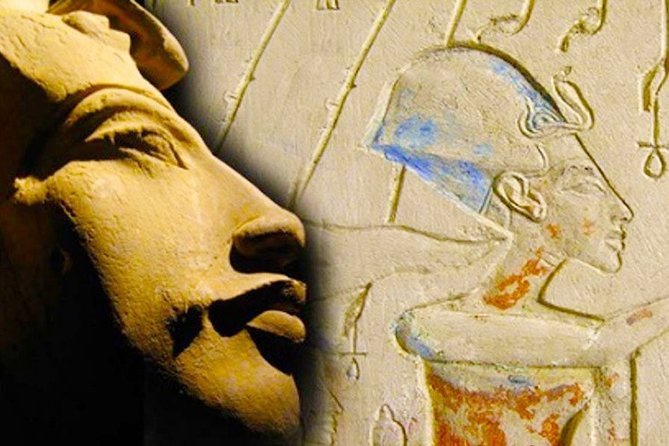
From Aswan, Abu Simbel is offered as an optional excursion. The complex contains the great temple of Ramses II and a second temple connected with his queen, Nefertari. Ramses II designed the larger temple as a major statement of royal power, and the sun festival associated with the interior statues remains part of its fame.
The drive is long compared with the listed seven-minute site duration, which appears to describe the stop entry rather than the full excursion. Confirm the departure time, transport method, and total supplement before booking this add-on.
I would prioritize Abu Simbel if your budget and energy allow. The temples are among the most memorable sights in southern Egypt, but the extra cost and early start make it less attractive for anyone already feeling worn down by the Amarna and rail sections.
Aswan adds engineering, stonework, and Isis
The Aswan portion includes the High Dam and the Unfinished Obelisk. The dam is a modern Egyptian engineering project built with UNESCO financial support to protect monuments from Nile flooding. The visit gives useful context for why several ancient sites were moved or protected in the 20th century.
The Unfinished Obelisk shows how stoneworkers began carving a monument directly from bedrock. Cracks forced the project to stop, leaving you with a rare look at the production process rather than only the finished object.
Philae Temple is another optional visit. Dedicated mainly to Isis, it was moved to protect it from rising water after the dam projects. The island setting and boat transfer make it different from the land-based temples, but admission and the optional excursion cost extra.
At around 6:00 pm, you board a sleeper train to Cairo. A flight upgrade is available for an additional charge. The sleeper train saves a hotel night, but it is less comfortable than flying, especially after several active days.
Old Cairo provides a quieter final chapter
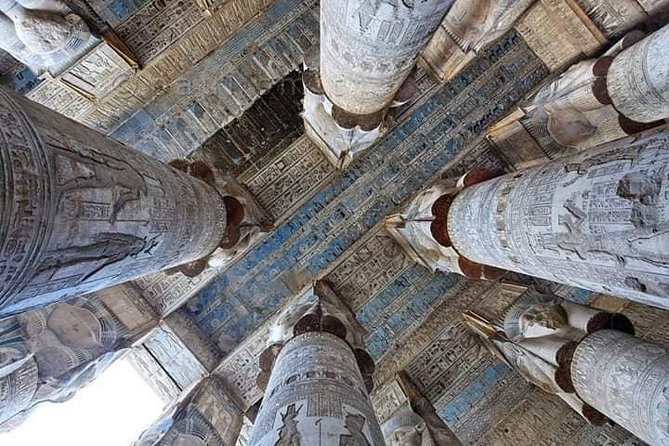
After arrival at Giza railway station, a private car takes you to Old Cairo. The Hanging Church dates back roughly 1,700 years and is one of the oldest churches in the area. Its name refers to its position above the gatehouse of an earlier Roman fortress.
The Ben Ezra Synagogue dates from the ninth century and is now mainly a historic site, since Cairo’s Jewish community largely departed after the 1950s. Seeing a church and synagogue within the same compact area adds balance to the ancient Egyptian focus.
Day 12 is free, with optional excursions suggested by your guide. This day matters. The first half of the program is packed with transfers, tombs, temples, and early starts, so I would protect the free day for rest unless there is one Cairo sight you especially want to add.
What the $1,973.36 price really covers
The price is strong for the amount of transport and guiding involved. It includes four Cairo hotel nights, one night in a four-star Amarna-area hotel, two nights at Aracan Eatape Luxor on bed and breakfast, four nights on the Nile cruise with full board, and one sleeper-train night with half board.
It also includes breakfast on 12 days, four lunches, five dinners, airport assistance, private tours in Cairo and on the cruise, and an English-speaking Egyptologist guide. Spanish is available, while other languages cost extra.
The hotel names can vary. Listed Cairo options include Cairo Pyramids Hotel, Mercure Pyramids, Le Passage Heliopolis, Grand Pyramids Hotel, Oasis Pyramids Hotel, and Cataract Pyramids Resort, or similar properties. Ask which category and exact hotel you are receiving.
Your extra budget should cover the Egyptian entry visa, all monument admissions, gratuities, optional Abu Simbel, optional Philae, and possibly Giza, Karnak, Luxor Temple, and other sites marked optional. Keep small Egyptian currency available for tips, with the guide advising on local practice.
At $1,973.36, the value is best if you want a guided, multi-region program and would otherwise need to arrange several trains, hotels, transfers, and a Nile cruise separately. It is less attractive if you plan to skip the optional sights or prefer slow, independent travel.
Who should book this Egypt route
You should consider this tour if Akhenaten and Amarna matter to you, you want an Egyptologist with you throughout, and you like having transport arranged across a complicated route. It also suits visitors who want both major monuments and less common sites such as Tuna el-Gebel, the Serapeum, and the Valley of the Nobles.
I would hesitate if you dislike early starts, rail travel, changing hotels, or optional-fee decisions. The schedule is ambitious, and the combination of central Egypt, Luxor, Aswan, Cairo, and Abu Simbel can feel full.
The seven published ratings are all five out of five. The strongest praise centers on the unusual Amarna access and the wide range of transport, from minibuses and trains to cruise ships, small boats, and horse carriages. Fathy Taher is singled out for Portuguese and Egyptology skills, while Salah is also warmly thanked.
Should you book it?
Book this trip if you want a serious survey of Egypt with Amarna at its center, not just a quick visit to the pyramids and a standard Nile cruise. The route is demanding, but it reaches places many shorter programs leave out.
Before paying, ask for the exact hotel list, ship name, included entrance fees, optional-tour prices, and confirmation of how Giza and Abu Simbel are handled. If those costs fit your budget, this is a strong choice for a first Egypt visit with an unusual historical focus.
FAQ
How long is the tour?
The experience lasts approximately 13 days and includes 12 nights.
Where does the tour begin?
It begins in Cairo, with pickup and meet-and-assist service at Cairo International Airport.
Is the tour private?
It is described as a private activity with a private guide and vehicle for the booking group. The information also says that groups of two to nine adults may share tours or transfers with two families, so confirm the exact arrangement when booking.
What languages are available?
English and Spanish guides are available. Other languages require a supplement.
Are entrance fees included?
No. Entrance fees for monuments are not included, and several excursions are marked optional.
Is Abu Simbel included?
No. Abu Simbel is offered as an optional excursion from Aswan and costs extra.
Is Philae Temple included?
No. Philae is listed as an optional excursion, with additional cost.
Is Wi-Fi available on the cruise?
No. Wi-Fi is not available on the ship, and television service may not work during sailing because of weak signal.
Are meals included?
Yes. The package includes breakfast for 12 days, four lunches, five dinners, full board during the four-night Nile cruise, and half board on the sleeper train night.
Can I cancel for a full refund?
You can cancel for a full refund up to 24 hours before the experience start time. Cancellations or changes made within 24 hours are not refunded or accepted.
Just added around Cairo
- 2-Day Private Tours to Luxor and Dendera from Cairo by Sleeper Train★ 5.0 · 3 reviews
- Package 7-Days 6-Nights Cairo Pyramids, Nile Cruise&Alexandria by Sleeper Train★ 5.0 · 2 reviews
- Luxor Day Tour by Sleeper Train★ 5.0 · 3 reviews
- Cheap Egypt holiday 11 Days Cairo-Luxor-Aswan-Abu Simbel by sleeping train★ 5.0 · 4 reviews
- Full day Luxor tour from Cairo by a sleeper train★ 5.0 · 5 reviews
- 10 Day Around Egypt to Cairo ,Giza ,White desert ,Nile Cruise With Train & Hotel★ 5.0 · 5 reviews
- Cairo and Nile Cruise Tours to Luxor and Aswan by Sleeping Train★ 5.0 · 4 reviews
- Cairo : Luxor Full Day Guided Tour & Overnight Train Rounded trip★ 5.0 · 4 reviews
Evening Experiences, compared.

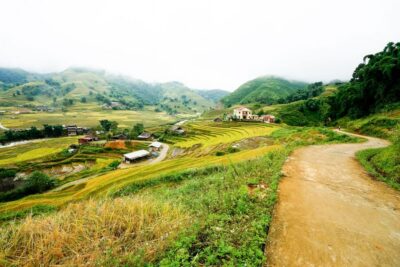
Sapa: 3-Day, 3-Night Trek and Hotel with Overnight Train
Read our review →
Night life in Bangkok – Jodd Fairs Train Night Market(Joint)
Read our review →
Sa Pa Trekking 2 Days 3 Nights Homestay by Night Train
Read our review →
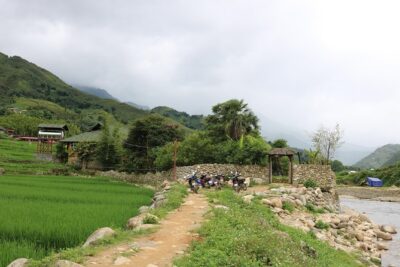
2 days 3 Nights Sapa Trekking Tour by Night Train from Hanoi
Read our review →
Sapa Trekking Tour by Night Train from Hanoi 3 Nights – 2 days
Read our review →
Sapa – Bac Ha Trek Tour – Night Train & Bus & Homestay overnight
Read our review →Browse the lists this tour appears in