
Review · HANOI
Sapa: 3-Day, 3-Night Trek and Hotel with Overnight Train
Mountain villages reward early starts. This Sapa trip combines a sleeper train from Hanoi, guided walks through the Muong Hoa Valley, and a night with a Dzay family in Ta Van. I especially like the mix of local village life and mountain walking, plus the chance to see Hmong, Dzay, and Red Dao communities across several days rather than rushing through Sapa on a day trip.
The trip is also well arranged for first-time visitors to northern Vietnam: train tickets, station transfers, meals, a Sapa hotel, and the homestay are covered. The main drawback is the physical effort. The 9-kilometer trek, steep and slippery sections in wet weather, and uncertain mountain conditions are not a good match for anyone with limited mobility.
Key points to know before booking

- You sleep in three different settings: a shared four-berth train cabin, a three-star hotel in Sapa, and a homestay in Ta Van Village.
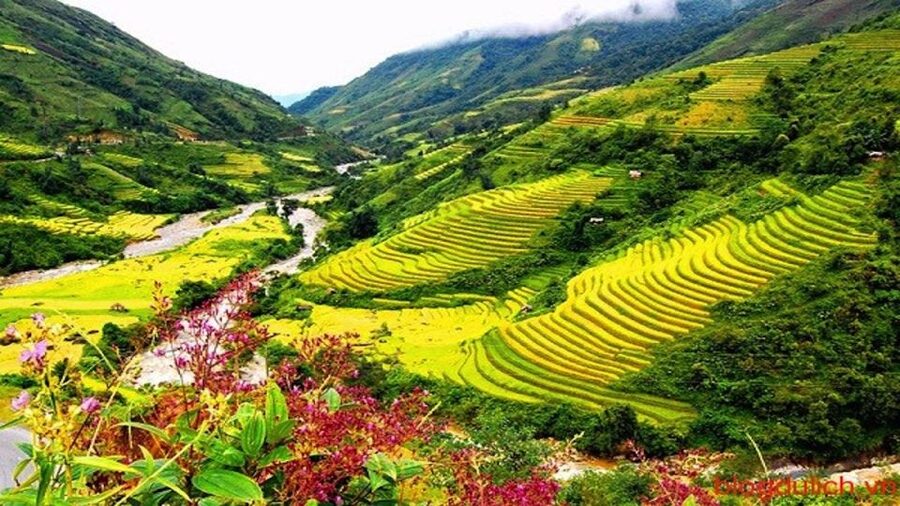
- The strongest walking day runs from Y Linh Ho through Lao Chai to Ta Van, with rice terraces and Hmong villages along the Muong Hoa Valley.
- Guides are a major part of the trip: local guides such as Chu, Mai, Su Su, and Ai have been praised for friendly conversation and useful local insight.
- The train is comfortable but noisy: soft berths and air-conditioning help, though bumps, sounds, and a difficult toilet can make the journey less restful.
- Expect persistent sales approaches on the trail, especially from local women and children selling handicrafts. Stay polite, but follow your guide and do not feel pressured to buy.
- Bring cash in Vietnamese dong, proper trekking shoes, warm layers, sun cream, sunglasses, and insect repellent.
Why this Sapa trip works well

Sapa is best understood on foot. The town itself is a useful base, but the real reward comes when the pavement gives way to village paths, rice terraces, bamboo, streams, and mountain roads. This three-day plan gives you enough time to see several communities and still includes a hotel night for a little comfort.
I like that the tour does not treat the homestay as a quick photo stop. You spend a full night in Ta Van, home to the Dzay people, after walking there through the valley. That creates a better sense of place than a short bus excursion.
The trip also helps with the awkward logistics of reaching Sapa from Hanoi. You board the overnight train around 10 PM, arrive in Lao Cai the following morning, and transfer by shared minibus to Sapa. For $212 per person, the package includes transport, accommodation, meals listed in the plan, a local guide, sightseeing charges, and service costs. That is useful value if you want one booking to handle the main pieces.
Still, this is not a soft sightseeing holiday. The walks can be demanding, and rain changes the footing quickly. You should also confirm the exact Hanoi drop-off arrangement before departure, since the advertised transfer information and practical return arrangements can differ depending on your meeting point and booking details.
More Sleeper and Overnight Trains in Hanoi:
- From Hanoi: Sapa Hill Tribes 2-Day Tour by Overnight Train
★ 4.4 · 62 reviews - Sa Pa Trekking 2 Days 3 Nights Homestay by Night Train
★ 4.5 · 11 reviews - Private Overnight Train Hanoi To Sapa Or Return
★ 3.5 · 10 reviews
The overnight train from Hanoi to Lao Cai
Your trip begins at Hanoi Railway Station. You can arrange pickup from a hotel in Hanoi’s Old Quarter, or go to the station yourself by about 9 PM to meet staff and collect your tickets. The train leaves at approximately 10 PM.
Look for the elevator, go to the second floor, and proceed to gate 2A. If you need help reaching the station, the local partner can arrange a taxi, but it is worth confirming the price and pickup time in advance.
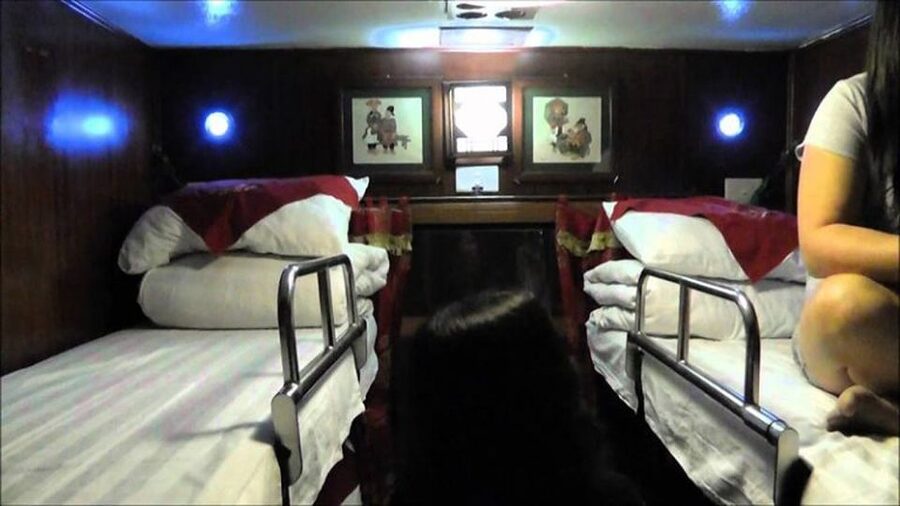
The included berth is in a shared four-person, air-conditioned cabin. Several people have found the soft bunks comfortable enough to sleep, and the train itself adds a memorable local touch to the trip. It is a practical way to cover the distance while saving a night in Hanoi.
You should also set your expectations correctly. The train can be noisy and bumpy, and using the toilet may be awkward. You may not get a choice of upper or lower bunk, so pack a small overnight bag that you can keep near your berth rather than sorting through your main luggage at bedtime.
Day 1: Sin Chai and your first look at Sapa
The train arrives at Lao Cai in the morning. You meet the guide at the station, transfer to Sapa at about 6 AM, and leave your luggage at the hotel. Breakfast follows, though standard room check-in is not until 2 PM unless you pay for early access.
That timing matters. After a night on the train, you may want a shower and a short rest, but the room might not be ready. Pack a change of clothes and basic toiletries in your hand luggage. It will make the first morning much easier.
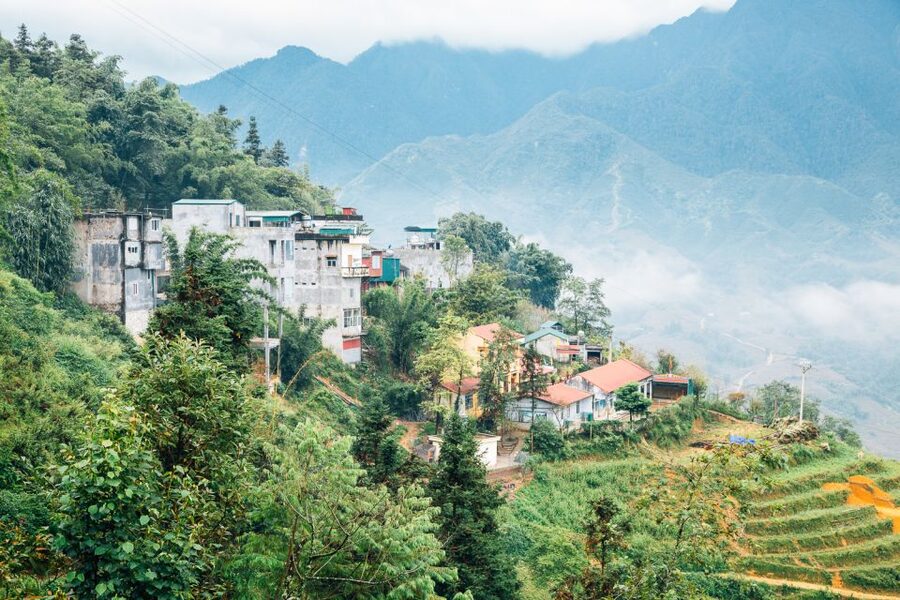
The first walk heads southwest from Sapa toward Sin Chai Village, about two kilometers from the town center. Sin Chai is associated with the Black Hmong and is described as a simple, rural settlement where daily life remains less polished for visitors than in central Sapa.
This is a good introduction to the area because you begin with a manageable village walk rather than immediately tackling the longest route. You will see the contrast between Sapa’s tourist center and the quieter nearby communities.
After the walk, you return to the hotel for lunch and free time. You can rest, explore Sapa, or simply recover from the overnight train. Dinner is around 6 PM, leaving the evening open for a walk through town, shopping, or a snack of roasted corn and baked eggs by a charcoal fire.
You spend the night in a three-star hotel in Sapa center. This night is a useful comfort break before the longer trek, although solo visitors should expect a single supplement for two nights in the hotel and private bungalow arrangements, with the exact amount confirmed at booking.
Day 2: The Muong Hoa Valley to Ta Van

Day two is the main walking day. After breakfast, you follow the side of the Muong Hoa Valley toward Y Linh Ho, a village connected with the Black Hmong. From there, the route continues down to Lao Chai, another Hmong village.
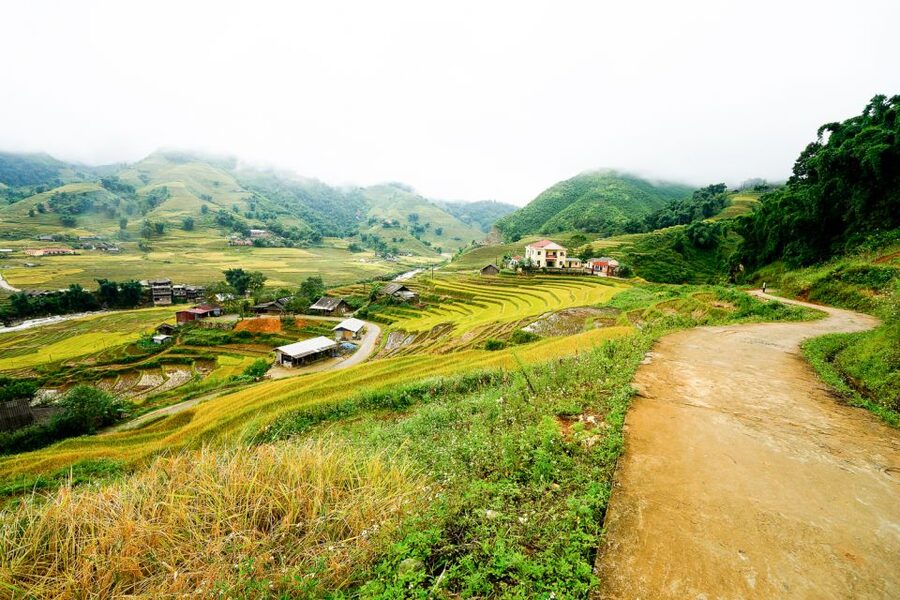
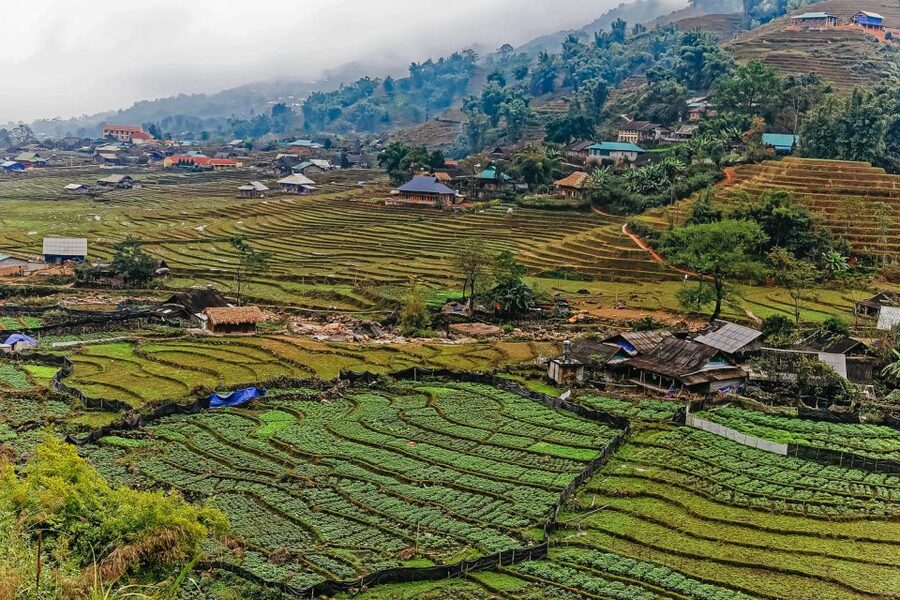
The valley is the visual heart of the trip. Rice terraces, mountain slopes, and village paths give you the kind of views that are difficult to appreciate from a vehicle. The route also gives your guide time to explain local customs and the different ethnic communities living in the region.
You stop for lunch before continuing through rice fields to Ta Van Village. Ta Van is associated with the Dzay people and is where you spend the night in a homestay.
The homestay is one of the best reasons to choose this itinerary. It gives you a chance to experience traditional hospitality in a setting connected to the village, rather than returning to a hotel in Sapa every evening. The accommodation has been described as clean and welcoming, and the food has received particularly strong praise.
Do not expect a luxury hotel. The appeal is the setting and the contact with local life, not private facilities or a carefully controlled resort atmosphere. Bring warm clothing, especially from September through March, when Sapa can be cold. Mountain weather can change quickly at any time of year.
More Hiking Trips in Hanoi:
- Sapa Trekking Tour by Night Train from Hanoi 3 Nights – 2 days
★ 5.0 · 7 reviews - Trekking Sapa – Bac Ha Market: Sleep on Train & Homestay
★ 4.5 · 7 reviews - 2 days 3 Nights Sapa Trekking Tour by Night Train from Hanoi
★ 4.0 · 7 reviews - Explore Sa Pa with Overnight Train & Sleeper Bus & Trekking
★ 3.9 · 7 reviews
Day 3: Waterfalls, bamboo, and the return to Sapa

After breakfast in Ta Van, you continue toward Giang Ta Chai and Su Pan. The route includes villages connected with the Red Dao and Hmong communities, along with a waterfall, a rattan bridge, and views through bamboo forest.
This section adds variety after the terraces and open valley of the previous day. The waterfall and bridge provide natural stopping points, while the bamboo paths can feel more enclosed and shaded. If rain has fallen, take extra care. Mud and slippery ground can make the walk much harder than the distance suggests.
At the main road, a vehicle takes you back to Sapa. You have time to pack and prepare for departure at about 2 PM, then travel back toward Hanoi by limousine bus. Arrival in Hanoi is expected around 8 to 9 PM.
The return ride is more comfortable than the train for many people, but check where you will be dropped off. The general package describes Hanoi Old Quarter pickup and drop-off, while practical arrangements may vary by meeting point. Confirm this before you leave Sapa so you are not trying to negotiate a late-night taxi after a long day.
What the guides add to the walk
The guides are central to the quality of this trip. The most praised guides include Chu, Mai, Su Su, and Ai. Their strengths are friendliness, local knowledge, conversation, and flexibility with photo stops.
Mai, in particular, has been praised for allowing plenty of time for pictures and pauses. That matters in May, when farmers may be planting rice and you may get a closer look at the work. Seasonal conditions can change what you see, so your guide helps you notice the details rather than simply following a path.
The organization can be less smooth for solo visitors. If you are the only person starting on your date, you may meet different groups or guides on different days, and meeting instructions may not always feel perfectly clear. Ask for the next day’s time and meeting place before you separate from the guide.
Handling the sales pressure in Sapa
You should know about one recurring annoyance before booking. Local women and children may walk alongside the group, offer handicrafts, and ask for money or sales. Some may follow for part of the trek, and sales pitches can continue during stops and lunch.
The best approach is polite firmness. A simple no, followed by continuing with your guide, usually works better than a long explanation. You can chat if you wish, but do not feel obliged to buy. Prices may be high, and repeated purchases can quickly add to the cost of the trip.
This issue is not a reason to reject the region, but it can affect your enjoyment. If you want a completely quiet walk with no commercial contact, Sapa may test your patience. Keep your expectations realistic and remember that the people selling goods are trying to earn a living.
Is $212 good value?
At $212 per person, the price is fair for a trip that covers several expensive and time-consuming parts of northern Vietnam travel. You receive:
- One night in a shared four-berth sleeper cabin
- One night in a three-star Sapa hotel
- One night at the Ta Van homestay
- Transfers from Lao Cai to Sapa
- The return limousine trip toward Hanoi
- A local English-speaking guide
- Breakfast, lunch, and dinner listed in the schedule
- Sightseeing fees, tax, and service charges
The package is especially good value if you want someone else to coordinate the train, Lao Cai transfer, village routes, and accommodation. Booking each part independently may give you more control, but it also creates more opportunities for missed connections or unclear arrangements.
The price does not include drinks, meals outside the stated plan, or personal purchases. Carry Vietnamese dong because banking services in Sapa may not work reliably. US dollars, euros, and Australian dollars are also accepted in Sapa, but local cash is the most practical choice for small expenses.
Who should book this trek?
This trip suits you if you want a structured introduction to Sapa and prefer active days over long periods in town. It is a good fit for couples, friends, and solo visitors who like meeting local guides and sharing transport and accommodation.
It is not suitable for wheelchair users or people with mobility impairments. The 9-kilometer trek is also not recommended for older visitors or children. Even if you are fit, bring proper trekking shoes rather than casual sneakers.
The trip is most comfortable for people who can handle basic accommodation changes, an overnight train, shared transport, and mountain weather. You should also be happy with a group format, though a private group is available.
What to pack for the three nights
Keep your main luggage light and pack a small bag for the train and trek. Useful items include:
- Trekking shoes with good grip
- Warm clothing, including a scarf and hat
- Sunglasses and sun cream
- Insect repellent
- Necessary medicine
- Vietnamese dong in cash
- A change of clothes for the first morning in Sapa
Fog is common in December, January, February, and March. Cold weather can continue from September through March, so do not rely on Hanoi’s forecast when packing for the mountains.
Should you book this Sapa tour?
Book it if you want a practical, moderately active route that combines the overnight train, several ethnic minority villages, a Dzay homestay, and guided walks in the Muong Hoa Valley. The strongest parts are the local guides, the welcoming food and homestay, and the chance to see more than one village area.
Think twice if you need private rooms throughout, dislike noisy transport, want complete control over the walking pace, or have difficulty on uneven ground. Also confirm the return drop-off details and any solo supplement before paying.
For the right person, this is a good way to see Sapa without spending hours arranging every connection yourself. Pack for rain and cold, keep your schedule flexible, and treat the mountain paths as the main event.
FAQ
How long does the Sapa tour last?
The trip lasts about three to three and a half days, including the overnight train from Hanoi to Lao Cai.
Where does the trip begin?
You begin at Hanoi Railway Station, where you meet staff and receive your train tickets. Pickup from a hotel in Hanoi’s Old Quarter may be available.
What time does the overnight train leave Hanoi?
The train is scheduled to leave at about 10 PM. You should reach the station by around 9 PM.
Where do I stay during the trip?
You spend one night in a shared four-berth air-conditioned train cabin, one night in a three-star hotel in Sapa, and one night at a homestay in Ta Van Village.
Which ethnic communities do I visit?
The route includes villages connected with the Black Hmong, Dzay, and Red Dao peoples.
How long is the trek?
The trek is about 9 kilometers. It is not recommended for older visitors, children, or anyone with mobility impairments.
Are meals included?
Breakfast, lunch, and dinner listed in the schedule are included. Drinks and meals not shown in the plan cost extra.
Is the tour suitable for solo visitors?
Solo visitors can join, but a single supplement may apply for two nights involving the three-star hotel and private bungalow arrangements. Confirm the amount at booking.
What should I bring?
Bring comfortable trekking shoes, warm clothes, a scarf, hat or cap, sunglasses, sun cream, insect repellent, necessary medicine, and cash in Vietnamese dong.
Can I cancel the booking?
You can cancel up to 24 hours in advance for a full refund. Reserve-now, pay-later booking may also be available.
More Three-Day Trips in Hanoi
- Sapa 3 Days Trekking Tour ( Overnight Train + Homestay + Hotel )
★ 5.0 · 4 reviews - 3-Day Isle of Skye, ‘Hogwarts Express’ Train and Highlands Tour
★ 5.0 · 972 reviews - 3-Day Blarney Castle, Ring of Kerry, & Cliffs of Moher Rail tour
★ 4.5 · 211 reviews - Edinburgh: Isle of Skye & Optional Jacobite Train 3-Day Tour
★ 4.7 · 191 reviews
More Evening Experiences in Hanoi
- 3 Days Sapa Tour with Night Train from Hanoi
★ 4.5 · 8 reviews - Sapa – Bac Ha Trek Tour – Night Train & Bus & Homestay overnight
★ 5.0 · 6 reviews - Sapa 2 Days 1 night By Bus/Train – Overnight in Hotel 3* With Mountain View
★ 4.0 · 2 reviews - Sapa Trek Tour with Sleeper Bus/Night Train – Overnight at Hotel
★ 5.0 · 2 reviews
Just added around Hanoi
- Sapa 2 Days 1 night By Bus/Train – Overnight in Hotel 3* With Mountain View★ 4.0 · 2 reviews
- Sapa Trekking Tour by Night Train from Hanoi 3 Nights – 2 days★ 5.0 · 7 reviews
- Trekking Sapa – Bac Ha Market: Sleep on Train & Homestay★ 4.5 · 7 reviews
- Hanoi city tour and drinking beside railway- group tour★ 4.0 · 7 reviews
- 3 Days Sapa Tour with Night Train from Hanoi★ 4.5 · 8 reviews
- Sapa – Bac Ha Trek Tour – Night Train & Bus & Homestay overnight★ 5.0 · 6 reviews
- Sapa 3 Days Trekking Tour ( Overnight Train + Homestay + Hotel )★ 5.0 · 4 reviews
- Private Overnight Train Hanoi To Sapa Or Return★ 3.5 · 10 reviews
Sleeper and Overnight Trains, compared.
Egypt on Budget – 8 Days ( Cairo , Aswan , Nile Cruise – Luxor ) Sleeper Train
Read our review →


6- Days Aswan , Abu Simbel , Cruise , Luxor & Round Sleeper Train
Read our review →
Luxor East and West Banks Tour & Overnight SLEEPER Train Rounded trip
Read our review →
Luxor East and West Banks Tour by Overnight Sitting Train Rounded trip
Read our review →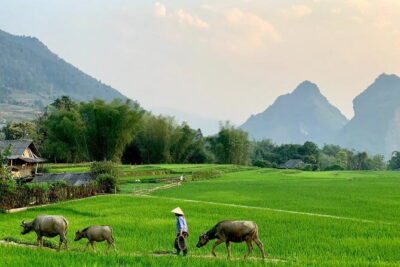
Sa Pa Trekking 2 Days 3 Nights Homestay by Night Train
Read our review →
Browse the lists this tour appears in