
Review · CAIRO
Cheap Egypt holiday 11 Days Cairo-Luxor-Aswan-Abu Simbel by sleeping train
Egypt rewards early starts. This 11-day trip links Cairo, Luxor, Aswan and Abu Simbel with four Cairo hotel nights, four nights aboard a Nile cruise and two overnight sleeper-train journeys. I like the excellent sweep of the route, from the Giza Pyramids and Saqqara to the Valley of the Kings, and I like the mix of transport, since the trains give you a glimpse of ordinary Egyptian life between major sights. The main drawback is that entrance fees and the sleeper-train cost are not included in the advertised $950 price.
This is a busy holiday, not a slow one. You will have long sightseeing days, an early morning drive to Abu Simbel and a 12-hour train ride in each direction. Still, small groups of up to 10 people, airport transfers and meals on the cruise make the trip easier to manage. Guides named Nasser, Eman and Mohammed have been praised for friendly service, clear English and helpful extra stops.
Key details to know before booking
- Four nights on a Nile cruise: Meals include breakfast, lunch and dinner while the ship moves between the major temples.
- Two sleeper-train journeys: You travel overnight between Cairo and Luxor, then Aswan and Cairo, with the train fare charged separately.
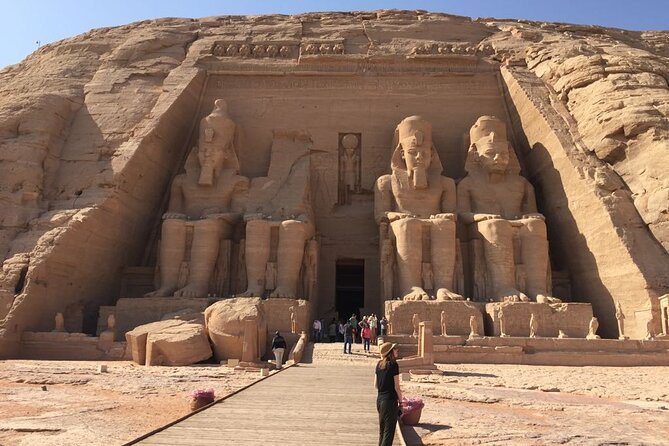
- Abu Simbel at 3:30 a.m.: The long road trip covers about 350 kilometers each way, so this is a demanding but important day.
- Cairo is spread across four sightseeing days: The program covers ancient monuments, Islamic Cairo, Coptic Cairo and major mosques.
- The $950 price is not all-inclusive: Add entrance tickets, a visa, gratuities and sleeper-train tickets to your budget.
- Airport pickup and drop-off are included: A representative meets you outside Cairo International Airport after passport control and baggage collection.
What $950 buys you in Egypt
At $950 per person, this trip offers a lot of structure for a first visit. You receive four nights in a four-star Cairo hotel with breakfast, four nights on a five-star Nile cruise with full board, several lunches, airport transfers, an air-conditioned vehicle, bottled water and professional guides.
The value depends on the extra charges. Entrance tickets are not included at the Pyramids, Saqqara, Egyptian Museum, Citadel, Valley of the Kings, Luxor temples, Abu Simbel, the High Dam or the Unfinished Obelisk. Visa costs, tips and both sleeper-train journeys are also separate.
I would not treat $950 as the final cost. It is better understood as the cost of the main hotel, cruise, transport and guiding package. The clear advantage is that you do not have to arrange each city, cruise transfer or long-distance connection yourself. The disadvantage is that your final bill will rise once admission fees and train tickets are added.
The group limit of 10 is useful. You get more personal attention than on a large coach tour, while still sharing some transport and excursions. The package also offers group discounts, which could improve the value for families or friends booking together.
More Sleeper and Overnight Trains in Cairo:
- Egypt on Budget – 8 Days ( Cairo , Aswan , Nile Cruise – Luxor ) Sleeper Train
★ 4.5 · 121 reviews - 6- Days Aswan , Abu Simbel , Cruise , Luxor & Round Sleeper Train
★ 5.0 · 25 reviews - Cairo : Luxor East and West Banks Tour & Overnight SLEEPER Train Rounded trip
★ 4.5 · 21 reviews
Arrival in Cairo and the first night
Your airport pickup begins outside Cairo International Airport. After passport control and baggage collection, you leave the terminal hall and look for a driver holding a sign with your name. The transfer to your hotel takes about 45 minutes, depending on traffic.
There is no sightseeing on the first day. That is sensible after an international flight, since Cairo traffic and airport formalities can use up more energy than expected. You spend the night at the hotel and begin the main program the next morning.
The transfer is included, which removes one common source of airport confusion. Confirm your arrival details carefully at booking, since the driver needs to know when and where to meet you.
Day 2: the Pyramids, Sphinx and Saqqara
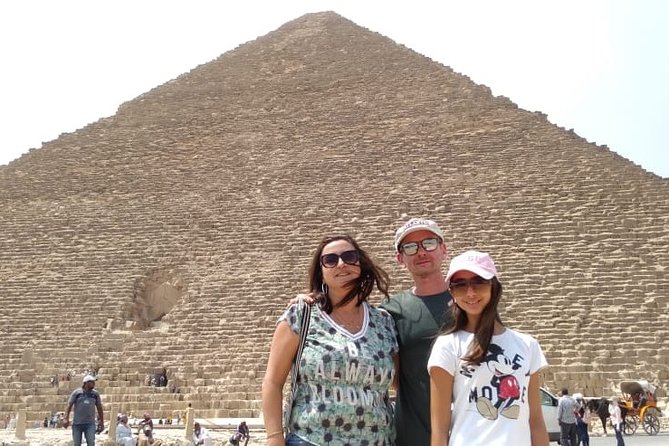
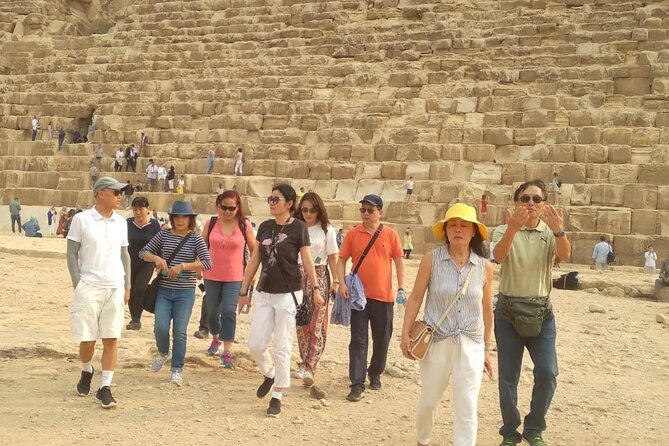
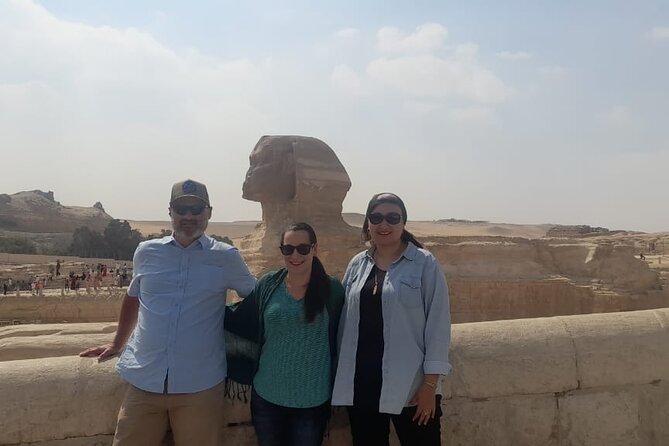
The first full day begins around 8 a.m. with the Giza Plateau. You see the Great Pyramid of Cheops, the pyramids of Chephren and Mykerinos, the Valley Temple and the Sphinx. The planned time at Giza is about two and a half hours.
Your guide provides the historical explanation, while the site itself supplies the drama. The Sphinx is especially rewarding when your guide explains its connection with the funerary complex and the traditional identification of its head with King Chephren. Bring water, a hat and practical shoes. Bottled water is included, but drinks at lunch are not.
Lunch is served at a local restaurant between visits. It is a full meal, though beverages cost extra. The schedule then continues to Saqqara, about 27 kilometers southwest of Cairo, for the Step Pyramid of Djoser.
Saqqara adds something Giza cannot. The Step Pyramid shows an earlier stage in pyramid design, built from stacked mastaba forms rather than the smooth-sided shape later associated with the great pyramids. You have about two hours at the site, and the full day can feel tiring in the heat.
Day 3: Cairo museum treasures and old religious quarters
The Egyptian Museum is the first stop, with about an hour scheduled inside. Its collection includes more than 250,000 artifacts and objects dating back roughly 5,000 years. The Tutankhamun display, with its gold, jewelry and burial treasures, is the obvious draw.
One hour is short for a collection of this size. You will need to follow your guide closely and accept that you will see highlights rather than the whole museum. If ancient art is your main interest, this is one place where a longer independent visit would be useful, but the group schedule does not allow much spare time.
Next comes the Cairo Citadel, built by Saladin between 1176 and 1183 to protect Cairo and Fustat from the Crusaders. The elevated position gives the site its practical importance, while the buildings explain Cairo’s long role as a political center.
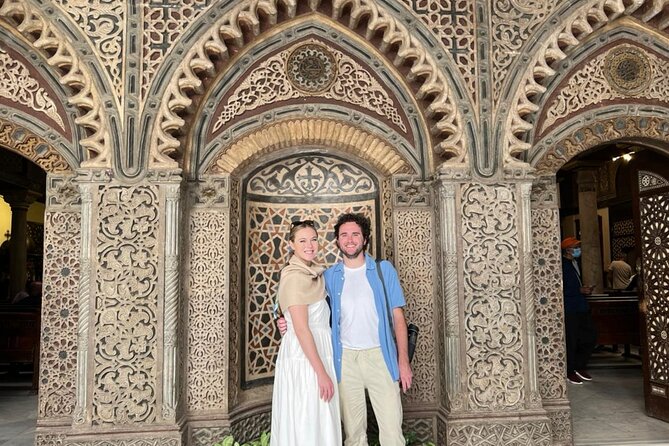
The final Cairo stops are in the Coptic quarter. You visit Abu Serga Church, St. Barbara Church, the Hanging Church and the Ben Ezra Synagogue. This compact area lets you see Christian and Jewish landmarks within a city program otherwise focused heavily on pharaonic Egypt.
After returning to the hotel, you collect your luggage and leave around 6 p.m. for Giza Railway Station. The sleeper train to Luxor takes about 12 hours. This is not a luxury hotel night on wheels, but it saves a full day of road travel and gives you a direct look at Egypt beyond the monuments.
More Train Journeys in Cairo:
- Cairo : Luxor East and West Banks Tour by Overnight Sitting Train Rounded trip
★ 5.0 · 20 reviews - 4 Days Nile cruise luxor, Aswan,Hot air balloon&abu simbel with Train from Cairo
★ 4.5 · 12 reviews - Cairo: Luxor East and West Banks Guided Tour& Overnight Sitting Train Round Trip
★ 5.0 · 8 reviews - Kings of Ancient Egypt : 6 Days Cairo and Luxor Guided Tours & Overnight Train
★ 5.0 · 7 reviews
Day 4: Luxor temples and your Nile cruise
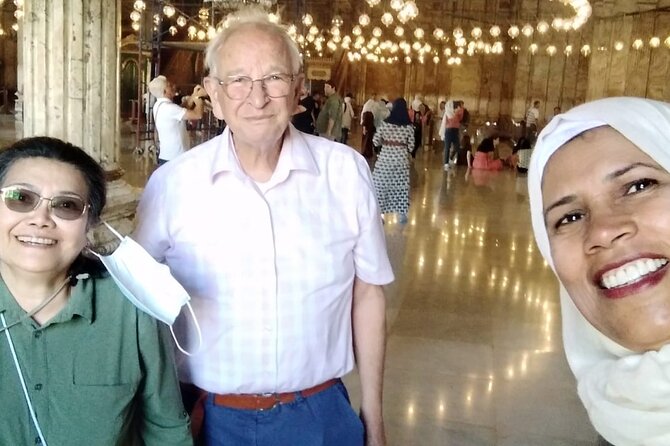
Arrival at Luxor Railway Station is scheduled for about 6:30 a.m. A representative meets you and transfers you to the cruise ship. Normal embarkation is around 11 a.m., though early boarding depends on availability.
If you arrive early enough, the day’s touring may begin before you board. The schedule then turns to Luxor’s East Bank, with visits to Karnak Temple and Luxor Temple. Breakfast, lunch and dinner are served aboard the cruise.
Karnak is a huge temple complex built and expanded over many centuries, from the Middle Kingdom through the Ptolemaic period. Its long construction history explains why the site feels more like a sacred district than a single building. Your guide can help you make sense of the columns, gateways and religious changes.
Luxor Temple is smaller and more focused. Built around 1400 BCE, it was known in ancient Egyptian as Ipet Resyt, the southern sanctuary. Seeing Karnak and Luxor on the same afternoon gives you a useful comparison between the two major East Bank sites.
The cruise is one of the practical strengths of the trip. Instead of packing and unpacking for every southern city, you sleep aboard the ship while the Nile connects the stops. The tradeoff is that shore visits follow the ship’s timetable, so you will not have complete control over how long you stay at each temple.
Day 5: the Valley of the Kings and Hatshepsut
The West Bank brings you to the Valley of the Kings, where pharaohs and nobles were buried in tombs cut into the cliffs. About an hour is scheduled here. Entrance fees are extra, and the exact tombs available can vary, so budget for admission and listen carefully to your guide’s advice.
The Valley is more than a collection of decorated rooms. It shows how royal burial moved away from obvious pyramid monuments toward concealed cliff tombs. Inside, the painted walls and corridors make the visit one of Luxor’s most memorable experiences, though the heat and walking can be demanding.
You also visit the monument associated with Queen Hatshepsut. She was the second historically confirmed female pharaoh, and her rule gives the site a valuable human story beyond dates and architectural details. The planned visit lasts about 45 minutes.
The itinerary also refers to the Colossi of Memnon as part of the West Bank area. Check the precise order of stops with your guide, since the day’s timing can change according to cruise operations and local conditions.
Day 6: Edfu and Kom Ombo by river
At Edfu, you visit the large temple dedicated to Horus. The transfer is by horse carriage, a practical way to reach the site from the ship and an experience that feels different from the Cairo road transfers.
The Edfu Temple is particularly useful for understanding later pharaonic architecture. Your guide can point out how its gateways, courtyards and reliefs preserve the worship of Horus in a period long after the Old Kingdom pyramids were built.
Kom Ombo offers an unusual double temple dedicated to Sobek and Haroeris. Two gods, two religious traditions and a distinctive layout make this stop easy to remember. The visit lasts about an hour.
These shore visits are short, so stay aware of the meeting time. The ship schedule keeps the whole program moving, and falling behind can mean missing the next departure.
Day 7: the 3:30 a.m. road to Abu Simbel
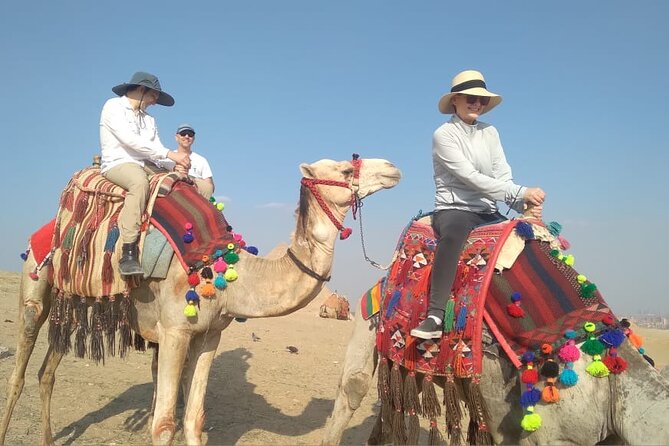
Abu Simbel is the hardest day and one of the most important. You leave around 3:30 a.m. after an early breakfast box and ride a shared air-conditioned bus about 350 kilometers from Aswan. You return around midday for lunch aboard the cruise.
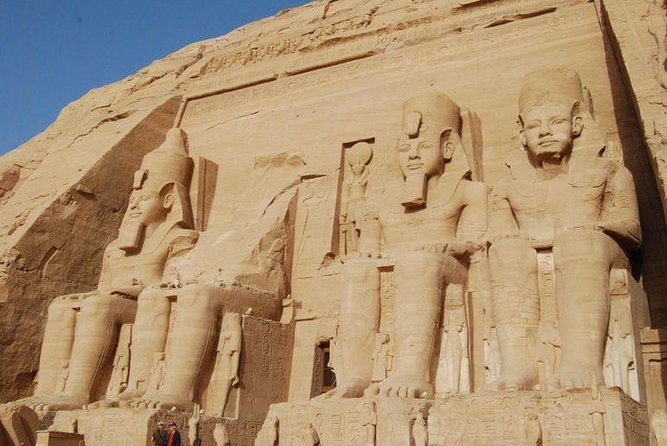
The two temples were built for Ramses II and are famous for their enormous seated figures cut into the rock. The scale is the reason to make the trip, but the long drive and early start mean you should judge your energy honestly.
The operators specify comfortable shoes, light clothing and a sun hat. Those are not decorative suggestions. You will be outside in strong sun, and the site requires walking. The early departure also follows Ministry of Tourism and Antiquities instructions, so there is little flexibility in the timing.
Admission to Abu Simbel is extra. Bring patience as well as water, since the road time is long and the return journey comes after a very early morning.
Day 8: Aswan’s engineering and ancient quarry
The day in Aswan covers the High Dam and the Unfinished Obelisk. The High Dam, built between 1960 and 1970, transformed flood control and water management along the Nile. It also explains much about modern Egypt’s relationship with the river.
The Unfinished Obelisk lies in an ancient granite quarry. It is the largest known ancient obelisk, left in place when a flaw prevented completion. This is a good stop for seeing how monumental stonework began before it became a finished temple or monument.
You have lunch at a local restaurant in the afternoon, then transfer to Aswan Railway Station for the second overnight train. This journey returns you to Cairo and lasts about 12 hours. Breakfast is served on the train the following morning.
Days 9 to 11: rest, Islamic Cairo and departure
Arrival at Giza Railway Station is followed by a transfer to your Cairo hotel. The schedule deliberately leaves Day 9 mostly free, giving you time to recover from the overnight train. Hotel check-in is normally at 2 p.m., and earlier access depends on availability.
Day 10 turns to Islamic Cairo. Ibn Tulun Mosque dates from the ninth century and was commissioned by Ahmad ibn Tulun, whose rule had considerable independence from the Abbasid center. The mosque’s age and open design provide a different kind of architectural experience from the pharaonic sites.
You then visit the Mosque and Madrasa of Sultan Hassan, a massive Mamluk complex near the Citadel. Its schools once represented all four Sunni legal traditions, and its scale makes it one of the strongest architectural stops in the Cairo portion.
On Day 11, a representative helps with checkout and transfers you to Cairo International Airport. Breakfast is included, with a breakfast box prepared for an early departure. Standard checkout is noon, and late checkout may be available until 2 p.m.
Who should book this Egypt itinerary?
I would choose this tour if you want Egypt’s major sites arranged in one continuous route and you do not want to handle domestic connections yourself. It suits first-time visitors, small groups, history fans and people who value guides, included meals and airport support.
I would hesitate if you need slow mornings, dislike overnight trains or want long independent visits inside museums and temples. The Abu Simbel day is especially demanding, and the included itinerary leaves limited free time.
The cancellation terms are worth noting before payment: a full refund requires cancellation at least six full days before the start time. Cancellations two to six days ahead receive 50 percent, while cancellations less than two days before departure are not refunded.
FAQ
Does the tour start and finish in Cairo?
Yes. Pickup begins at Cairo International Airport, and the final airport transfer is also in Cairo.
How many nights are spent in Cairo?
The package includes four nights in a four-star Cairo hotel with breakfast.
Are the sleeper-train tickets included?
No. The sleeper-train cost is listed separately from the tour price.
How long are the train journeys?
The Cairo to Luxor journey takes approximately 12 hours. The Aswan to Cairo journey also takes approximately 12 hours.
Is Abu Simbel included in the itinerary?
Yes. You travel from Aswan by shared air-conditioned bus, leaving at about 3:30 a.m. and returning around midday. The entrance fee is not included.
Are meals included?
Breakfast is included at the Cairo hotel. The cruise includes breakfast, lunch and dinner, and several lunches are also included during the land touring. Drinks at the local restaurant lunch are not included.
How large is the tour group?
The activity has a maximum of 10 people. Group discounts are available.
Should you book this tour?
Book it if you want a well-organized Egyptian highlights route with Cairo, Luxor, Aswan and Abu Simbel in one 11-day plan. The Nile cruise, private guides, airport transfers and small group limit make the package practical, especially for a first visit.
Before paying, price the missing items: entrance fees, visa, gratuities and sleeper trains. If you accept the early mornings and the two long overnight journeys, this is a strong-value way to see Egypt’s essential monuments without arranging every transfer yourself.
Just added around Cairo
- 2-Day Private Tours to Luxor and Dendera from Cairo by Sleeper Train★ 5.0 · 3 reviews
- Luxor Day Tour by Sleeper Train★ 5.0 · 3 reviews
- Package 7-Days 6-Nights Cairo Pyramids, Nile Cruise&Alexandria by Sleeper Train★ 5.0 · 2 reviews
- Full day Luxor tour from Cairo by a sleeper train★ 5.0 · 5 reviews
- 10 Day Around Egypt to Cairo ,Giza ,White desert ,Nile Cruise With Train & Hotel★ 5.0 · 5 reviews
- Cairo and Nile Cruise Tours to Luxor and Aswan by Sleeping Train★ 5.0 · 4 reviews
- Cairo : Luxor Full Day Guided Tour & Overnight Train Rounded trip★ 5.0 · 4 reviews
- Kings of Ancient Egypt : 6 Days Cairo and Luxor Guided Tours & Overnight Train★ 5.0 · 7 reviews
Sleeper and Overnight Trains, compared.
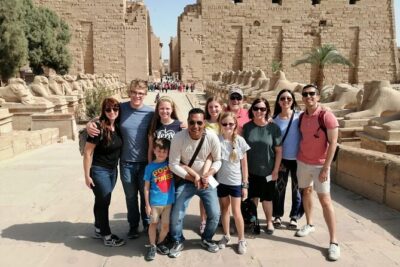
Egypt on Budget – 8 Days ( Cairo , Aswan , Nile Cruise – Luxor ) Sleeper Train
Read our review →

Sapa: 3-Day, 3-Night Trek and Hotel with Overnight Train
Read our review →

6- Days Aswan , Abu Simbel , Cruise , Luxor & Round Sleeper Train
Read our review →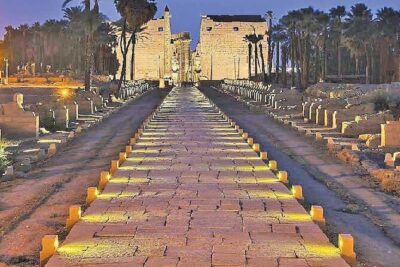
Luxor East and West Banks Tour & Overnight SLEEPER Train Rounded trip
Read our review →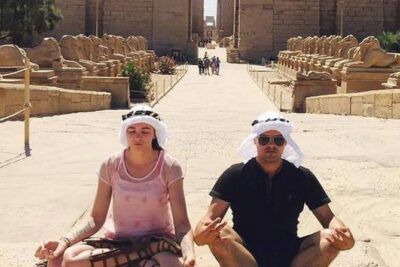
Luxor East and West Banks Tour by Overnight Sitting Train Rounded trip
Read our review →
Sa Pa Trekking 2 Days 3 Nights Homestay by Night Train
Read our review →Browse the lists this tour appears in