
Review · TOKYO
Mt. Fuji and Hakone Day Trip From Tokyo with Bullet Train Option
Fuji views come with a busy schedule. This 11-hour outing packs Mt. Fuji’s 5th Station, steaming Owakudani, the Hakone Ropeway, and a Lake Ashi cruise into one day. I like the simple transport plan and the choice between a coach return and a faster bullet train, but you should expect a long day with limited time at each stop.
I also like the English-speaking tour conductors, who can turn long road stretches into useful lessons about Japan. Guides such as Happy, Ai, Yuka, Rino, Kenji, and Tiako have earned warm praise for keeping groups informed and on time. The main concern is pace: traffic, queues, fog, or wind can shrink sightseeing time, and some people have spent much of the morning on the bus.
What makes this day trip worth considering
- Mt. Fuji’s 5th Station: Reach one of the mountain’s highest road-accessible points, weather and road conditions permitting.
- Owakudani’s volcanic vapors: See steaming vents and hot springs in a stark geothermal valley.
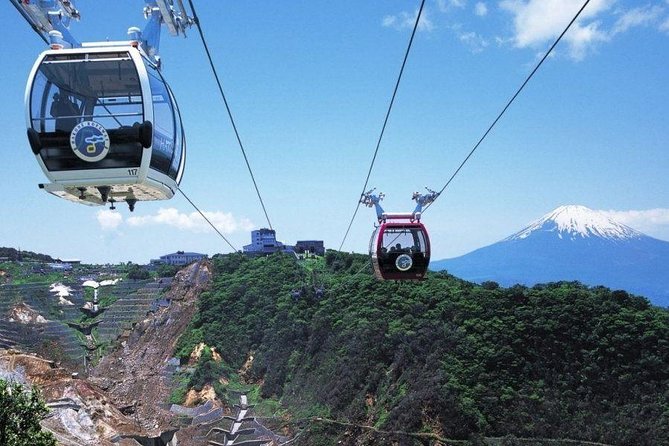
- Hakone Ropeway: Glide above the volcanic area on a 25-minute aerial ride toward Sounzan Station.
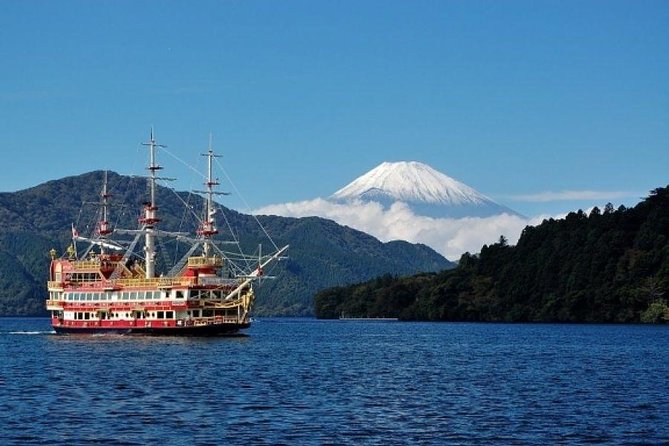
- Lake Ashi pirate ship: Finish the sightseeing portion with a 30-minute cruise and possible Fuji views.
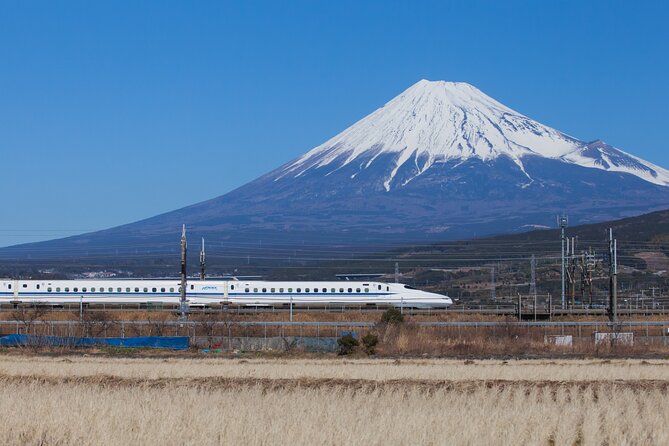
- Bullet train choice: Return from Odawara to Tokyo by non-reserved Shinkansen seating instead of riding the coach back to Shinjuku.
- Optional Japanese lunch: Add a meal for convenience, though the quality and setting may not suit everyone.
Meeting at Shinjuku Love and leaving Tokyo behind
The day begins at 8:30 a.m. beside the Robert Indiana LOVE sculpture in Shinjuku, at 6-chōme-5-1 Nishishinjuku. Look for staff holding a blue HIS flag. This is a central and recognizable meeting point, but Shinjuku is a large district, so allow plenty of time to find the sculpture.
The coach is air-conditioned and equipped with free Wi-Fi. There is no restroom on board, so use facilities before departure and at the available stops. A seat belt is required by Japanese law.
The group can reach 45 people, although a small van may be used when numbers are low. That difference matters. A full coach gives you a social day and a clear group structure, but it can also mean slower boarding and longer waits. A smaller vehicle may feel easier, though the route and timing remain dependent on road traffic.
Your guide is an important part of the experience. Several guides have been praised for their English, humor, historical stories, and careful group management. Happy has used the bus ride for history and even an origami lesson. Rino has been praised for keeping people engaged while protecting the schedule. Tiako and Kenji have also received strong approval for clear organization and personal care.
That said, guide quality may vary. If your guide gives little commentary, the long ride can feel like transportation rather than sightseeing. This is the first big trade-off of the tour.
More High-Speed Trains in Japan
- Mt Fuji & Hakone Cruise, Drum Show Bullet Train 1 Day from Tokyo
★ 4.0 · 7,413 reviews - Tokyo Mt Fuji 5th St & Hakone Cruise Bus Tour w/Bullet Train
★ 4.4 · 5,024 reviews - Snow Monkey Park and Miso Production Tour Bullet Train from Tokyo
★ 4.5 · 26 reviews
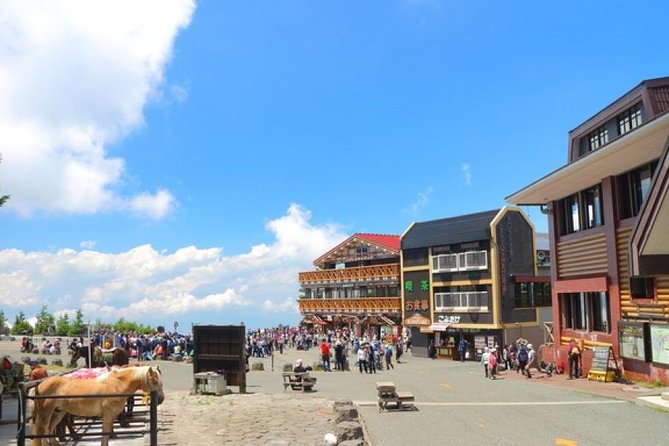
Mt. Fuji’s 5th Station gives you a short mountain window
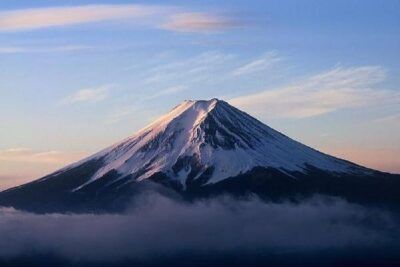
The usual first sightseeing stop is Mt. Fuji’s 5th Station, with about 30 minutes to look around. At roughly this point on the Subaru Line, you are high enough to feel close to the mountain while still arriving by road.
You may see broad views over the surrounding area, and on a clear day the mountain itself can be spectacular. One especially good version of the route has used the 4th Station or another nearby viewpoint when conditions require a change. The exact stop can shift with weather and road access.
Thirty minutes is enough for photos, a quick look around, and a breath of mountain air. It is not enough for a relaxed visit. If Fuji is clear, you may wish the bus had given you more time. Several people have found this portion too brief, especially after the long ride from Tokyo.
Weather controls the quality of this stop. Fog, humidity, and rain can hide the mountain completely. The operator does not cancel or refund simply because Fuji is obscured. If the road to the 5th Station is closed, the bus may visit the Fujisan World Heritage Center, Oshino Hakkai, Lake Kawaguchi Oishi Park, Lake Yamanakako Hana no Miyako Park, or lower stations instead.
That flexibility keeps the day moving, but it also means the advertised mountain stop is not guaranteed. I would book this tour for access to the Fuji region, not for a promise of a perfect Fuji photograph.
Lunch is convenient, but the add-on needs a little thought
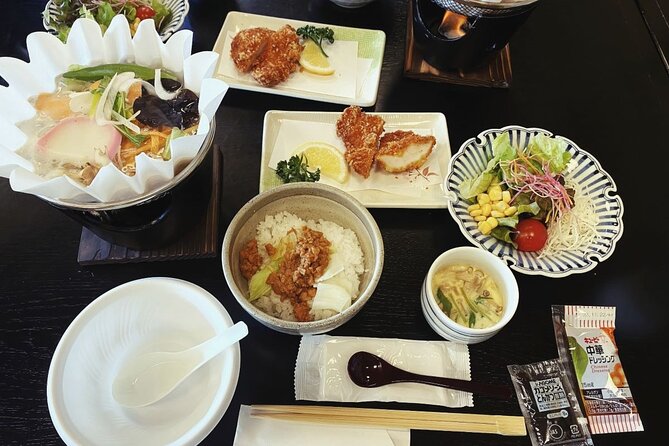
You can book the tour with or without a Japanese-style lunch. Adding lunch makes the day easier because the schedule leaves little room to hunt for food on your own. The meal has been described as a buffet or hotpot-style spread, with options that suit several tastes.
Food quality seems less consistent than the transport and guiding. Some people have enjoyed the buffet, while others found the meal ordinary, the dining room stuffy, or the food poorly suited to them. If you have allergies, most requests can be accommodated, but gluten-free meals are not provided.
The no-lunch option costs less and gives you control, but the operator recommends preparing food before departure because suitable lunch places may not be available. For a busy day outside Tokyo, I would lean toward adding lunch if convenience matters more than finding a special meal.
Owakudani shows Hakone at its most dramatic
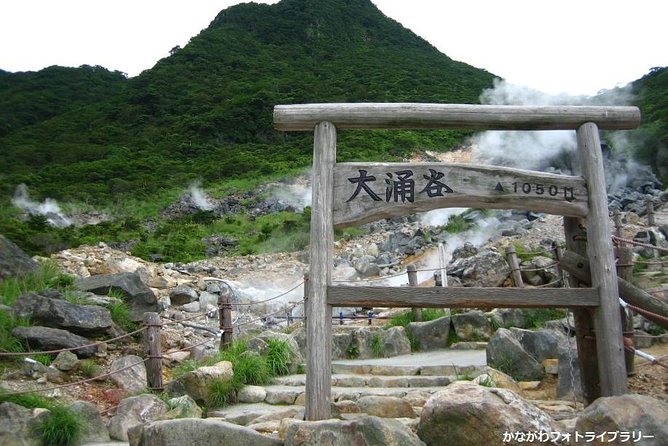
After Fuji, the route continues toward Owakudani Valley, a volcanic area on Mt. Hakone. Here, sulfuric vapors rise from the ground and hot springs point to the heat below. The scenery is raw and unusual, a sharp change from Tokyo’s towers and shopping streets.
The scheduled visit is about 30 minutes. Your guide can explain the volcanic activity and help you understand what you are seeing, which is useful because Owakudani is more interesting when you know why the vents steam and why the air can smell strongly of sulfur.
Traffic can affect the order and length of this section. One version of the day has needed to adjust the ropeway starting point because of congestion. The route may also feel rushed if earlier delays build up. Bring shoes that are easy to walk in, since this day includes buses, stations, queues, and several changes in elevation.
More High-Speed Trains in Tokyo:
- Mt Fuji & Hakone Private Tour from Tokyo: Return by Bullet Train
★ 5.0 · 22 reviews - Bullet Train Experience & Mishima Shrine Private Tour from Tokyo
★ 5.0 · 9 reviews - Bullet Train and Mt. Fuji Famous Food Tour
★ 5.0 · 4 reviews - 3-Day Private Tokyo and Nagano: Snow Monkeys, Tsukiji Market and Bullet Train
★ 5.0 · 2 reviews
The Hakone Ropeway is the afternoon highlight
The 25-minute Hakone Ropeway ride from Owakudani toward Sounzan is one of the strongest parts of the outing. From the cabins, you look down over the volcanic area and across Hakone’s rugged scenery. It gives you a moving viewpoint that a bus cannot match.
On a clear day, this is a fine place for photographs. Visibility can disappear in fog, though, and wind or operating problems can force a substitute. Possible alternatives include the Hakone Komagatake Ropeway, Hakone Lake Ashi Boat Cruise, Mt. Fuji Panoramic Ropeway, Mishima Skywalk, Odawara Castle, Hakone Shrine, Hakone Checkpoint, or several museums and attractions.
Queues are another issue. A long line can eat into the later cruise, and one difficult day involved more than an hour standing during a ropeway change. That is not typical sightseeing at its best, but it is a real risk on a tightly timed group route.
Still, if the ropeway is running smoothly, it is often the moment when the tour feels most worthwhile. You get fresh air, height, motion, and a clear sense that Hakone is more than a quick stop on the way to Fuji.
Lake Ashi finishes the sightseeing route
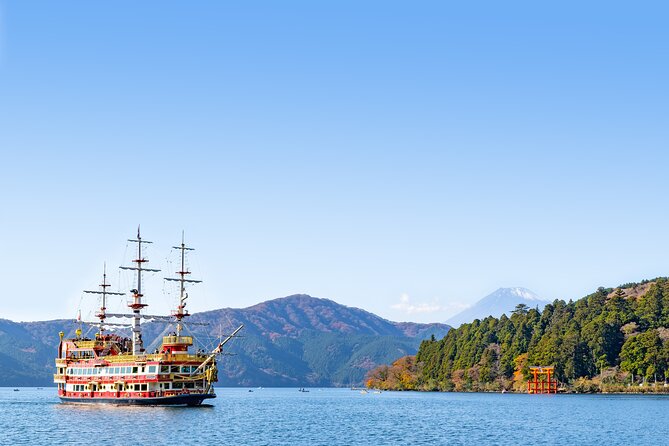
The final major activity is a 30-minute cruise on Lake Ashi aboard a pirate-themed pleasure boat. The ship is playful rather than traditional, but it gives you a comfortable way to see the lake after a long day on the road.
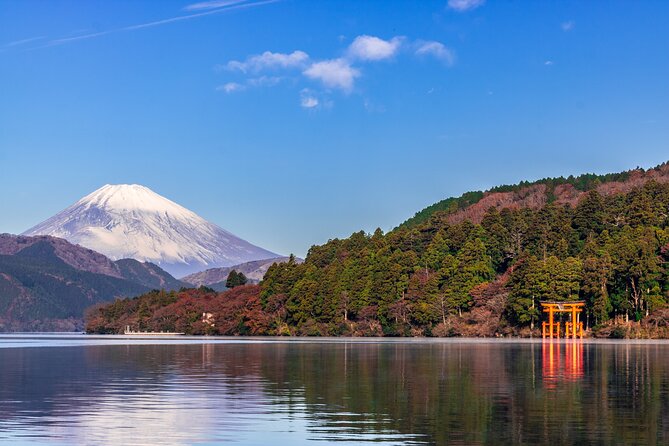
When the sky is clear, Mt. Fuji may appear beyond the hills. This is one of the best photo chances of the day, though it is never guaranteed. Clouds can arrive quickly, and some people have found the cruise less rewarding in fog or darkness.
The ship can also feel crowded. If the boat is canceled because of weather or another operating problem, the tour may switch to Hakone Machi or another listed attraction. There is no refund for these weather-related or operational changes.
The timing is crucial. Delays at the ropeway can leave the cruise late in the day, sometimes after sunset. A night boat ride can still be pleasant, but it will not give you the Fuji view shown in sunny-day photos.
Choosing the return: coach or Shinkansen
At Odawara Station, the group splits according to the return option selected at booking. The coach returns to Shinjuku, usually arriving around 7:30 p.m., though traffic can make it later. This is the simpler choice if you want to stay with the guide and avoid managing a train connection.
The bullet train option saves road time and gives you a pleasant final ride after a tiring day. The ticket is for a non-reserved seat, and there are about two trains per hour from Odawara to Tokyo. The guide does not board the Shinkansen, so you receive instructions before departure and continue independently.
This option needs more care than the sales description might suggest. You must choose a train departing from Odawara, and if you miss it because of a tour delay, you receive no refund. You can use the next train in the non-reserved section.
The train arrives at Tokyo Station, not directly at Shinjuku. One confusing element is the onward journey across Tokyo’s enormous rail system. You may need a local train connection, and the operator’s instructions may not feel sufficient if you are tired or unfamiliar with Japanese stations. I would choose the bullet train for speed, but only if you are comfortable navigating on your own after the guide leaves.
You can also ask in advance about getting off at Hakone-Yumoto or Odawara on the coach return. This does not reduce the price, and you cannot change the scheduled return location after the tour begins.
Is $97.52 good value for an 11-hour day?
At $97.52 per person, the tour offers solid value if your goal is to cover several difficult-to-link sights in one day. The price includes transport, the guide, taxes, the ropeway, and the Lake Ashi cruise. Add lunch if you want a simpler day, though the meal is not the reason to book.
Doing the same route independently would give you more control and perhaps more time at each place. It would also require you to coordinate mountain buses, Hakone transport, ropeway operations, the lake cruise, and the return to Tokyo. The tour’s main product is not luxury. It is access and structure.
You pay for convenience, not a slow-paced visit. The value is strongest when the weather is good, traffic is manageable, and your guide keeps the group moving with useful commentary. It is weaker if Fuji is hidden, queues eat the afternoon, and you prefer long visits at one or two places.
Who should book this Fuji and Hakone outing?
I would recommend it to a first-time Japan visitor who wants a broad taste of the Fuji and Hakone area without renting a car or sorting out several train systems. Families and mixed-age groups may appreciate the coach, included activities, and clear schedule. It also suits anyone who wants a guide to explain the scenery rather than simply follow signs.
You should think twice if you dislike early starts, long coach rides, group timing, or uncertain weather. Independent visitors who already understand Japan’s transport system may prefer a slower Hakone visit with more time at the lake, shrine, museums, or hot springs.
Wear comfortable walking shoes and arrive early at Shinjuku Love. Keep your expectations realistic: this is a highlights route, not a restful country escape. If conditions are kind, it can produce a very satisfying day, especially with a strong guide such as Happy, Ai, Yuka, Rino, Kenji, or Tiako. If the clouds close in, the tour becomes a busy transport day with several backup sights.
Should you book it?
Book this tour if you want maximum coverage with minimum planning and accept that every stop will be short. The ropeway, Lake Ashi cruise, and possible Shinkansen return add real value, while the guide can make the long road sections more interesting.
Skip it if seeing Mt. Fuji clearly is your one essential goal, since weather can hide the mountain and no refund is given for poor visibility. For the best chance of enjoying the day, choose a favorable forecast, add lunch if you do not want to carry food, wear easy walking shoes, and select the bullet train only if you are ready to find your own way from Tokyo Station afterward.
FAQ
Where does the tour start?
It starts at the Robert Indiana LOVE sculpture, at 6-chōme-5-1 Nishishinjuku, Shinjuku City, Tokyo. Staff use a blue HIS flag to identify the meeting point.
What time does the tour begin?
The scheduled start time is 8:30 a.m. Late arrivals cannot join partway through the route, and no refund is provided for missing the departure.
How long does the tour last?
The tour lasts about 11 hours. A coach return normally reaches Shinjuku around 7:30 p.m., although traffic may cause a later arrival.
Is lunch included?
Lunch is included only when you select the option marked +Lunch. Without lunch, food may not be available during the route, so preparing something before departure is recommended.
Is the Mt. Fuji 5th Station guaranteed?
No. Road closures or bad weather can prevent access. The tour may instead visit lower Fuji stations, the Fujisan World Heritage Center, Oshino Hakkai, Lake Kawaguchi Oishi Park, Lake Yamanakako Hana no Miyako Park, or another approved alternative.
What does the bullet train option include?
The option includes a non-reserved Shinkansen ticket from Odawara Station to Tokyo Station. The guide does not ride the train with you, and you must arrange your onward journey from Tokyo Station.
Can I cancel for a full refund?
You can cancel at least 24 hours before the scheduled start for a full refund. Cancellations or changes made less than 24 hours before departure are not accepted for a refund.
More One-Day Trips in Tokyo
- Tokyo: Izu Scenic Oceanview Train, Volcano, Coast Day Trip
★ 3.4 · 4 reviews - From Tokyo: Seibu Railway 1 Day Pass and Nagatoro
★ 4.7 · 4 reviews - Zurich: Day Trip to Grindelwald, Interlaken & Lauterbrunnen
★ 4.5 · 4,699 reviews - From Milan: Bernina Train and St. Moritz Day Trip
★ 4.5 · 4,495 reviews
Just added around Tokyo
- Train in Samurai Swordsmanship and Defeat the Demon in Tokyo★ 5.0 · 5 reviews
- Private tour with Yasushi and Yoko – by car, train, on foot★ 5.0 · 2 reviews
- Mt Fuji & Hakone Private Tour from Tokyo: Return by Bullet Train★ 5.0 · 22 reviews
- Bullet Train and Mt. Fuji Famous Food Tour★ 5.0 · 4 reviews
- Bullet Train Experience & Mishima Shrine Private Tour from Tokyo★ 5.0 · 9 reviews
- Tokyo-Izu: Volcano, Ocean& Capybara Cuddle with Izu Scenic Train★ 3.5 · 3 reviews
- 3-Day Private Tokyo and Nagano: Snow Monkeys, Tsukiji Market and Bullet Train★ 5.0 · 2 reviews
- Tokyo: Kamakura & Enoshima Day Tour with Pickup & Train Ride★ 4.1 · 61 reviews
High-Speed and Bullet Trains, compared.
Mt Fuji & Hakone Cruise, Drum Show Bullet Train 1 Day from Tokyo
Read our review →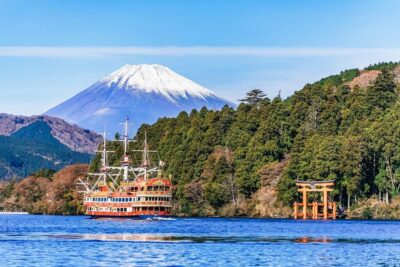
Tokyo Mt Fuji 5th St & Hakone Cruise Bus Tour w/Bullet Train
Read our review →
Taj Mahal & Agra Tour by Gatimaan Express Train
Read our review →
Pompeii Tour with Wine and Lunch by High Speed Train
Read our review →
Venice Day Trip from Rome by High-Speed Train with Happy Hour
Read our review →
Suzhou Private Day Trip from Shanghai with Bullet Train Option
Read our review →

“Taj Mahal” Tour from Delhi by India’s Fastest Train (Gatiman Express)
Read our review →Browse the lists this tour appears in