
Review · TOKYO
Snow Monkey Park and Miso Production Tour Bullet Train from Tokyo
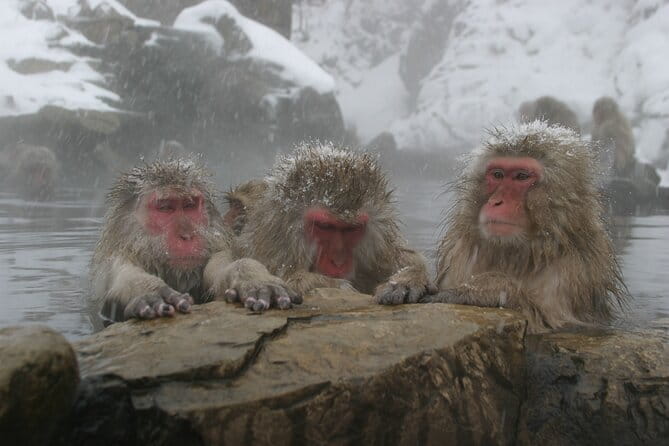
Snow monkeys make a long day worthwhile. This 12-hour outing pairs a smooth Hokuriku Shinkansen ride with a hands-on look at miso production, free time in chestnut-loving Obuse, and a close view of Japanese macaques at Jigokudani. I like the way the tour gets you beyond Tokyo without forcing you to plan several train connections, and I especially like the mix of food culture, art, countryside, and wildlife. The main catch is the hard walk to the monkey park, which can be icy, steep, and tiring.
I also like that the group is limited to 20 people and that an English-speaking National Government Licensed Guide Interpreter takes over in Nagano. Guides such as Mariko and Ken have been praised for keeping the day organized and helping people through the difficult sections. Still, you should know that you handle the first and last train rides without a guide, and lunch is your responsibility.
Key points to know before booking
- The bullet train covers the long distance quickly: Round-trip reserved ordinary-class Shinkansen tickets from Tokyo are included, but you board and ride independently.
- The walk is the real physical test: Expect about 50 minutes each way between the Shiga Kogen Roman Museum area and Jigokudani Monkey Park.
- Miso production adds a local food connection: The Suzaka stop shows how miso is made and includes a sample of the finished products.
- Obuse offers a quieter cultural pause: You get about 80 minutes to stroll through a town linked with artist Katsushika Hokusai and famous for chestnuts.
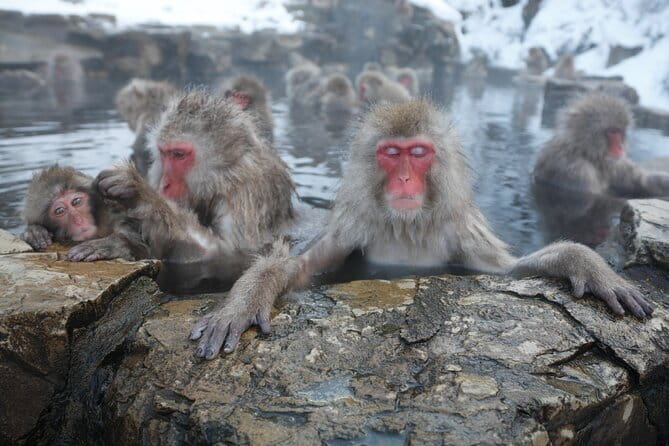
- Monkey bathing is seasonal: You have the best chance of seeing macaques in the hot spring through around March, but it is never guaranteed.
- Winter shoes matter: The trail can freeze and turn slippery, so sturdy, non-slip footwear and warm clothing are essential.
Why this makes a good day outside Tokyo
Tokyo can fill every hour with neon, shopping, temples, and train stations. This tour gives you a very different day: clean mountain air in Nagano Prefecture, traditional food production, a small historic town, and wild animals in a forest setting.
The Shinkansen is a big part of the appeal. You leave Tokyo Station in the morning and reach Nagano in roughly 90 minutes, rather than spending much of the day on slower local trains. The rail journey also gives you a chance to see how quickly Japan changes from the capital to the cooler mountain country.
At $289.91 per person, this is not a cheap day trip. The price makes more sense if you value convenience. It covers round-trip bullet train tickets, the guided visits in Nagano Prefecture, local transportation, and admission to Jigokudani Monkey Park. You still pay for lunch, and the train ride is not guided, but arranging all these pieces independently can be stressful if you do not know the area.
This is also a good choice if your Tokyo stay is short. You can see a corner of Japan that would otherwise require careful research, timed train connections, and advance booking. If you are comfortable handling the trains and local transport yourself, you may spend less by going independently. The tour fee pays for structure and support more than luxury.
More High-Speed Trains in Japan
- Mt Fuji & Hakone Cruise, Drum Show Bullet Train 1 Day from Tokyo
★ 4.0 · 7,413 reviews - Tokyo Mt Fuji 5th St & Hakone Cruise Bus Tour w/Bullet Train
★ 4.4 · 5,024 reviews - Mt. Fuji and Hakone Day Trip From Tokyo with Bullet Train Option
★ 4.0 · 368 reviews
Starting at Tokyo Station and riding north
Your day begins at 7:20 am at Tokyo City i, the tourist information center in the basement of the KITTE JP Tower in Marunouchi. This is not simply a matter of walking up to a guide at the train platform. You must collect your tickets and final tour details in advance.
Ticket pickup is available from three days before departure until the day before departure, during the center’s stated 9:00 am to 7:00 pm opening hours. It is not available on the day of booking or the day after booking, and the center can close without notice. If you are staying in an apartment or Airbnb, pay close attention to this rule. Some people have had to cross Tokyo to collect their tickets because delivery was not possible.
Once you have the tickets, you board the Hokuriku Shinkansen at Tokyo Station. Your ordinary-class seats are reserved, which removes one common worry on a busy Japanese train. The guide does not accompany you on this part of the journey, so you need to identify the correct train and be ready to board on time.
The operator provides clear instructions, but first-time bullet train riders should allow extra time at Tokyo Station. It is a large complex, and the tour does not wait for a missed departure. If you miss your designated train, you may take a later train the same day in the non-reserved car section. You cannot change the scheduled train in advance, and unused tickets are not refundable.
You also carry your own baggage. Space on board is limited, so a small day bag is more practical than a large suitcase. You return to Tokyo around 8:00 pm, making this a full day from start to finish.
Meeting your guide in Nagano
The train reaches Nagano after about an hour and a half. You meet the guide at 9:50 am in the station concourse on the second floor, in front of the Nagano City Tourist Information Center. Look for the JTB Sunrise Tours sign.
This meeting arrangement works well once you understand it. The train portion gives you independence, while the guide takes over for the road travel and visits in the region. Guides including Mariko and Ken have received especially strong praise for their calm organization, helpful instructions, and willingness to assist people during the walking sections.
The group can include up to 20 people, though some departures may be smaller. A sedan or taxi van may replace the usual bus if the group is small. Seating on the vehicle may not be assigned, and the order of stops can shift because of traffic and road conditions.
Suzaka and the making of miso
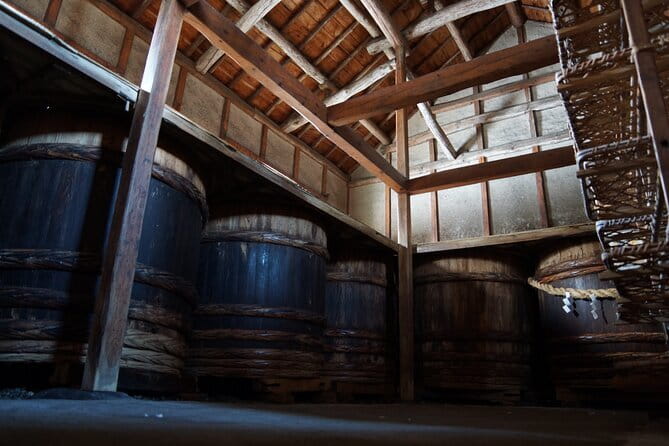
The first guided stop is Shioya Jozo in Suzaka, where you learn how miso is produced. Miso is one of the basic building blocks of Japanese cooking, especially in miso soup, and the visit gives you a useful connection between the food on your table and the work behind it.
The stop lasts about 40 minutes. You see the production process and sample the products. The experience is not a long cooking class, so do not expect to make a batch of miso yourself. Its value is cultural and practical: you get a look at a traditional Japanese food that can otherwise seem like an anonymous ingredient in a restaurant meal.
The change to a miso visit is a good fit for this trip. It gives the day a local food focus before you reach Obuse, where chestnuts and sweets are part of the town’s identity. If you are interested in Japanese cuisine, this stop adds more substance than another quick photo stop.
More High-Speed Trains in Tokyo:
- Mt Fuji & Hakone Private Tour from Tokyo: Return by Bullet Train
★ 5.0 · 22 reviews - Bullet Train Experience & Mishima Shrine Private Tour from Tokyo
★ 5.0 · 9 reviews - Bullet Train and Mt. Fuji Famous Food Tour
★ 5.0 · 4 reviews - 3-Day Private Tokyo and Nagano: Snow Monkeys, Tsukiji Market and Bullet Train
★ 5.0 · 2 reviews
Strolling through Obuse and tasting its chestnut culture
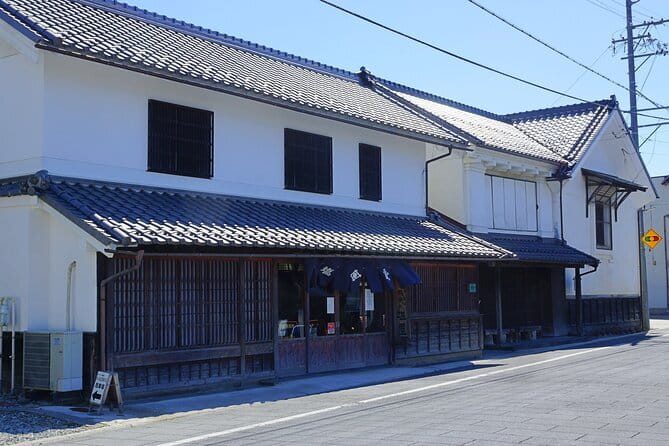
Obuse is a compact town associated with Katsushika Hokusai, the famous ukiyo-e artist who spent his later years there. You have about 80 minutes to walk at your own pace, look at the traditional townscape, and choose lunch.
This is the least tightly programmed part of the day. Use it to wander rather than trying to see everything. Obuse is also known for chestnuts, so this is a good place to look for chestnut-based sweets and local food. Lunch is not included, but the free time gives you control over what and how much you eat.
The timing requires some discipline. You need to leave enough room for the meeting time and the later drive to the monkey park. This is not a long, leisurely afternoon in Obuse. Think of it as a pleasant cultural break between the miso visit and the main wildlife stop.
The town also prevents the day from becoming a single-purpose animal excursion. You get a little art, food, and architecture before heading into the forest. For many people, that variety is what makes the price easier to accept.
The walk to Jigokudani Snow Monkey Park
The star of the day is Jigokudani Monkey Park, but reaching it takes work. The walk from the vehicle drop-off area near the Shiga Kogen Roman Museum to the park takes about 50 minutes each way. The route includes inclines, stairs, and sections that can become wet, icy, or slippery in winter.
This is not a gentle stroll from a parking lot to an attraction. You need a moderate level of fitness, good balance, and patience. Several people with walking difficulties have found the route very hard, and the tour does not provide special support for people who have trouble walking or for small children.
In winter, wear warm clothing and proper boots with non-slip soles. Ordinary city sneakers may not give you enough grip. At 850 meters above sea level, the park is cooler than Tokyo and the lower parts of Nagano. If the guide decides your clothing or footwear is not suitable, you may be advised to rent equipment near the park at your own cost.
The walk itself is part of the setting. You move through the trees beside the river, and the forest route feels far removed from Tokyo. Still, scenic does not mean easy. Give yourself time, take the slippery sections slowly, and do not treat the walk as a minor detail.
Meeting the Japanese macaques
Inside the park, you have about two and a half hours. The Japanese macaques are wild animals, not trained performers. You cannot feed or touch them, and their behavior changes with the season, weather, and time of day.
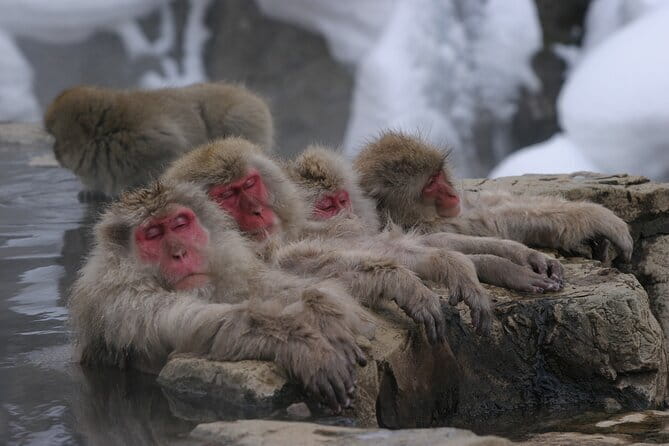
The famous image is a monkey sitting calmly in the hot spring. You have the best chance of seeing this from winter through around March, when the air is cold. Even then, no one can promise a hot spring performance. The macaques may stay away, and the tour does not offer a refund if they do not bathe.
The park can also close suddenly because of weather, seasonal conditions, monkey behavior, or other safety concerns. A full refund is provided if the operator cancels the tour, but the park itself is not a controlled animal show with guaranteed appearances.
When the macaques are present, the setting is memorable. You can watch adults, young monkeys, and babies moving around the pools and forest. Spring can bring young animals, while other seasons offer different behavior and scenery. Keep your food packed away, including anything in a plastic bag. The animals are curious and should not be encouraged to approach people.
The two and a half hours gives you enough time to watch without rushing straight back out. It also helps justify the long journey from Tokyo. The monkeys are the reason most people book, and they are usually the part you remember most.
Lunch, timing, and the pace of the day
Lunch is not included. You have time to eat in Obuse, but you are responsible for the cost and for returning to the meeting point on time. This arrangement gives you more choice than a fixed group meal, though some people may prefer not to make another decision during such a busy day.
The schedule is full without much empty time. You leave Tokyo early, meet the guide in Nagano, visit Suzaka, walk through Obuse, travel to the park, complete the long approach on foot, and then return to Nagano for the train south.
That pace works best if you like organized days and want to see several distinct places. It is less suitable if you prefer slow meals, long museum visits, or the freedom to change plans. Traffic can alter arrival times, and the order of activities may change.
The return journey is independent again. You board the reserved Shinkansen at Nagano and ride back to Tokyo without the guide. The tour ends when you arrive at Tokyo Station at about 8:00 pm, not when you return to your hotel.
Who should book this experience?
I would choose this tour if you want to see the snow monkeys but do not want to plan a complicated day trip. It is particularly useful for first-time visitors who want a guide in Nagano, reserved train seats, included park admission, and a clear structure.
It suits people who enjoy a mix of nature and culture. The miso stop and Obuse visit keep the day from being only a wildlife outing. The limited group size also makes it easier to ask questions and stay connected with the guide.
Families with older children may enjoy it, but the walk deserves serious attention. Young children, older adults, and anyone who uses a cane or has trouble with stairs may find the route too demanding. The operator specifically warns that special walking assistance is not available.
Winter visitors should pack for mountain conditions, not Tokyo weather. Bring warm layers and boots with strong traction. If you mainly want to see monkeys soaking in hot water, schedule the trip before April when possible, while remembering that the animals never follow a timetable.
Is the $289.91 price fair?
The price is fair for convenience, but not for everyone. You are paying for the expensive long-distance rail connection, reserved seating, road transportation, guide service, and park admission. You also avoid the time and uncertainty of arranging several regional connections on your own.
The value drops if you are already comfortable navigating Japan’s rail system and can organize Nagano transportation independently. The guide is not with you on either Shinkansen ride, and lunch is extra. You also need to collect the tickets before departure, which adds one more task in Tokyo.
For many short-stay visitors, though, the price buys a rare thing: a complete day outside the capital without sacrificing the bullet train experience. I would consider it worthwhile if the monkeys are high on your Japan list and the physical demands do not concern you.
Should you book it?
Book this experience if you want a well-organized escape from Tokyo, enjoy regional food and small-town culture, and can handle a roughly 100-minute round-trip walk on uneven ground. The combination of Shinkansen travel, Suzaka miso, Obuse chestnuts, and Japanese macaques gives you a fuller day than a simple park visit.
Skip it if you need an easy-access outing, dislike early starts, or expect guaranteed monkeys in the hot spring. For the best chance of seeing the classic bathing scene, go during the colder months, wear serious winter shoes, and arrive prepared for a long but rewarding day.
FAQ
How long does the tour last?
The experience lasts about 12 hours. It starts at 7:20 am in Tokyo and ends around 8:00 pm when you arrive back at Tokyo Station.
Are Shinkansen tickets included?
Yes. Round-trip ordinary-class reserved-seat tickets between Tokyo and Nagano are included.
Is a guide present on the bullet train?
No. There is no National Government Licensed Guide Interpreter during either train ride. You meet the guide at Nagano Station before the regional portion begins.
Is lunch included?
No. Lunch is not included. You have free time in Obuse to choose and purchase your own meal.
How difficult is the walk to the monkey park?
The walk takes about 50 minutes each way and includes inclines and stairs. The trail may be frozen or slippery in winter, so a moderate fitness level and non-slip footwear are needed.
Can I touch or feed the monkeys?
No. The Japanese macaques are wild animals, and visitors cannot feed or touch them.
Will I definitely see monkeys bathing in the hot spring?
No. The bathing behavior is most often seen until around March, but weather, timing, and animal behavior can affect what you see. No refund is provided if the monkeys do not enter the hot spring.
More Winter Activities in Tokyo
- Winter Tour Viking Village, Nærøyfjord Cruise & Flåm Railway
★ 4.6 · 26 reviews - Zakopane & Gubalowka Funicular – Private Winter Tour from Krakow
★ 5.0 · 10 reviews - Jade Dragon Snow Mountain Glacier Cableway with Scenic Train Tour
★ 5.0 · 9 reviews - Winter Tour Viking Village, Nærøyfjord Cruise and Flåm Railway
★ 4.5 · 4 reviews
Just added around Tokyo
- Train in Samurai Swordsmanship and Defeat the Demon in Tokyo★ 5.0 · 5 reviews
- Private tour with Yasushi and Yoko – by car, train, on foot★ 5.0 · 2 reviews
- Mt Fuji & Hakone Private Tour from Tokyo: Return by Bullet Train★ 5.0 · 22 reviews
- Bullet Train and Mt. Fuji Famous Food Tour★ 5.0 · 4 reviews
- Bullet Train Experience & Mishima Shrine Private Tour from Tokyo★ 5.0 · 9 reviews
- Tokyo-Izu: Volcano, Ocean& Capybara Cuddle with Izu Scenic Train★ 3.5 · 3 reviews
- 3-Day Private Tokyo and Nagano: Snow Monkeys, Tsukiji Market and Bullet Train★ 5.0 · 2 reviews
- Tokyo: Kamakura & Enoshima Day Tour with Pickup & Train Ride★ 4.1 · 61 reviews
High-Speed and Bullet Trains, compared.
Mt Fuji & Hakone Cruise, Drum Show Bullet Train 1 Day from Tokyo
Read our review →
Tokyo Mt Fuji 5th St & Hakone Cruise Bus Tour w/Bullet Train
Read our review →
Taj Mahal & Agra Tour by Gatimaan Express Train
Read our review →
Pompeii Tour with Wine and Lunch by High Speed Train
Read our review →
Venice Day Trip from Rome by High-Speed Train with Happy Hour
Read our review →
Mt. Fuji and Hakone Day Trip From Tokyo with Bullet Train Option
Read our review →
Suzhou Private Day Trip from Shanghai with Bullet Train Option
Read our review →
Browse the lists this tour appears in