
Review · TOKYO
Train in Samurai Swordsmanship and Defeat the Demon in Tokyo
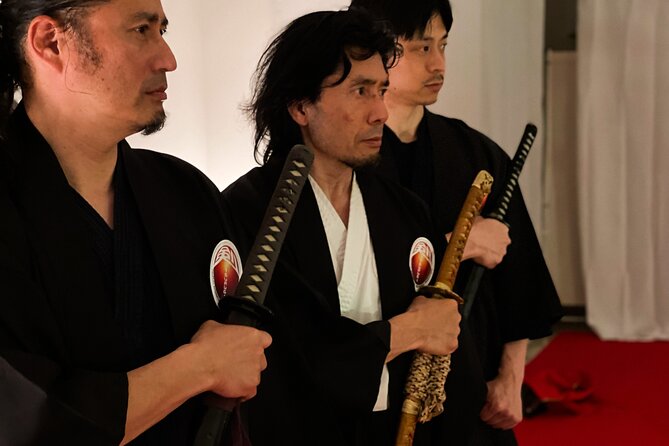
Face your inner demon with a sword. This two-hour Tokyo experience turns samurai training into a small, theatrical story, with lessons in etiquette, breathing, posture, strikes, blocks, and focus before a symbolic battle with an oni. I like the maximum group size of six, which should make instruction feel personal, and the mix of physical practice, Japanese tradition, armor, matcha, and a named scroll gives the session more substance than a simple photo opportunity. The main consideration is that the demon battle is a staged fantasy finale, not a historical combat test, so people seeking serious martial arts instruction may find it light.
I also like that the session is fully in English and welcoming to families, couples, solo participants, and friends. The two-hour length fits neatly into a Tokyo day, though the fixed meeting point in Kōjimachi means you must make your own way there since private transportation is not included.
Key points at a glance
- A six-person maximum keeps the lesson small: You should have a better chance to follow the instructor’s guidance than in a large group.
- The session follows four story chapters: Prologue, Training, Battle, and Recognition give the activity a clear beginning, middle, and finish.
- You learn more than sword movements: Etiquette, breathing, posture, Bushido, samurai history, strikes, blocks, and mental focus all form part of the lesson.
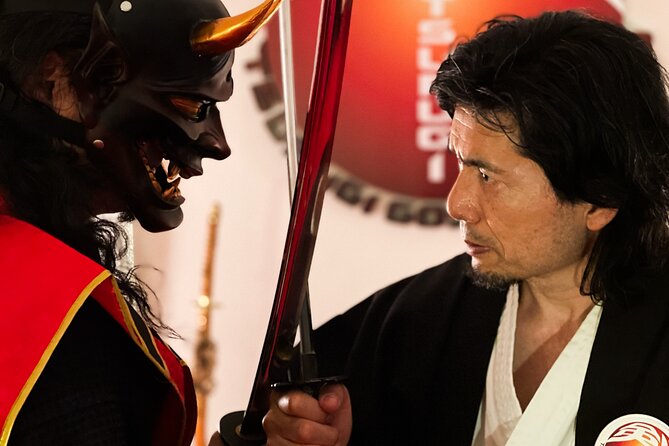
- The oni battle is symbolic: The demon represents fear, doubt, and weakness, adding a playful layer of self-discovery to the sword practice.
- You wear samurai clothing and armor: The outfit helps make the photos memorable and gives the experience a strong visual sense of place.
- A personalized scroll completes the visit: Your name and learned techniques are recorded as a keepsake, along with a commemorative photo and matcha service.
Kōjimachi is the starting point
The experience begins at the International Goshin-Budo Association in Kōjimachi, Chiyoda City. The listed address is 4-chōme 21, MK Kōjimachi Building, Tokyo 102-0083. It is near public transportation, but private transport is not part of the package, so plan your route before setting out.
This is a useful location for an activity that lasts about two hours. You are not committing a full day to a distant attraction, and the session can fit between sightseeing plans. Still, Tokyo’s rail and street layout can make a short trip feel longer than expected. I would arrive early enough to find the building without rushing into the opening scene.
The facility has toilets, and mobile ticketing makes entry simple. Confirmation is provided when you book. Since the group can be no larger than six people, the room should feel more like a private lesson than a crowded stage show, although the actual feel will depend on how many places are filled that day.
More Train Journeys in Tokyo:
- Mt Fuji & Hakone Cruise, Drum Show Bullet Train 1 Day from Tokyo
★ 4.0 · 7,413 reviews - Tokyo Mt Fuji 5th St & Hakone Cruise Bus Tour w/Bullet Train
★ 4.4 · 5,024 reviews - Mt. Fuji and Hakone Day Trip From Tokyo with Bullet Train Option
★ 4.0 · 368 reviews
Prologue: enter the world of the oni
The story begins with Japanese folklore. The Hyakki Yakō, or Night Parade of a Hundred Demons, describes yokai and oni moving through the night. These supernatural figures have appeared in Japanese legends and painted scrolls for centuries, and the experience uses that tradition as its dramatic starting point.
The central character is the oni, a demon whose return threatens the modern world. The Tsurugi Samurai Squad once sealed it, and now the squad needs new warriors to learn the old techniques and face the threat again.
This opening gives the activity a clear purpose. Instead of being handed a sword and told to copy a few movements, you are cast as someone undergoing a trial. That framing will appeal to families and people who enjoy role-play, especially when children or friends can share the same story.
The tone is important. This is not a museum lecture or a formal historical reenactment. It is a guided fantasy built around samurai ideas. You can enjoy the drama without treating every part of the story as literal history.
Training: posture, breath, and control
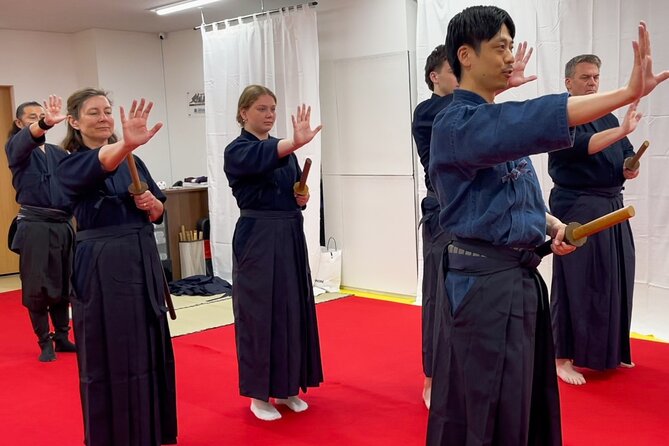
The instructional section covers the basics of samurai swordsmanship as presented through techniques associated with the Sengoku era. The guide teaches etiquette, breathing, posture, strikes, blocks, and focus. You also receive an English explanation of sword skills, Bushido, and samurai history.
I like this order because it puts control before spectacle. A sword movement means little if your stance and breathing are poor. The emphasis on concentration also gives the lesson a useful idea to carry beyond the activity: strength is not only about force, but about remaining calm and deliberate.
A live sword demonstration by the instructor helps you see the movements before trying them yourself. That is especially useful if you are unfamiliar with martial arts or if English is not your first language. Watching first can make the sequence easier to follow once practice begins.
The session is described as real technique training, but keep your expectations sensible. In two hours, you will receive an introduction rather than a complete education in Japanese swordsmanship. The value comes from trying the movements, hearing the cultural context, and seeing how the parts fit together.
The small group limit is a real advantage here. With no more than six participants, you should have more room to pay attention to corrections and ask questions. It also means you will not disappear in a large crowd during the demonstration or final battle.
Wearing the uniform makes the lesson feel real
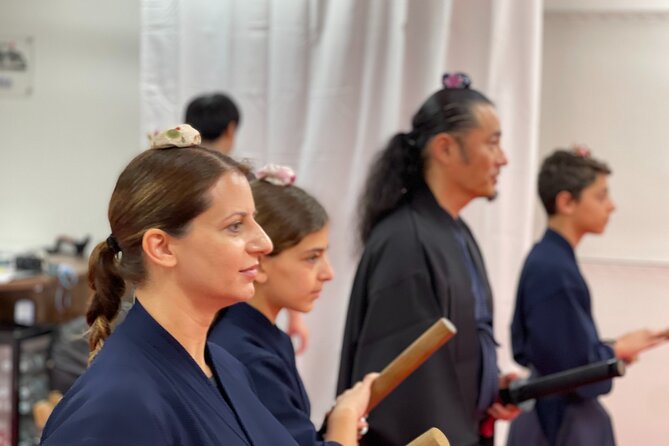
A samurai uniform is provided during the lesson, and armor is available for photos. Clothing changes the mood quickly. You are no longer simply watching an instructor demonstrate a technique. You are placed inside the story, with a costume that makes the training and final confrontation more memorable.
The armor is also a practical benefit for families and groups of friends. Photos become part of the experience rather than an afterthought. A commemorative photo with the samurai gives you a ready-made souvenir of the session.
The activity does not list a private photo session or unlimited photography time, so I would think of the images as a pleasant part of the program rather than its main purpose. If you want a long fashion shoot in armor, this probably is not the right choice. If you want a few strong pictures tied to a hands-on lesson, it fits well.
Same tracks, a different day out:
- Tokyo: Kamakura & Enoshima Day Tour with Pickup & Train Ride
★ 4.1 · 61 reviews - Snow Monkey Park and Miso Production Tour Bullet Train from Tokyo
★ 4.5 · 26 reviews - Mt Fuji & Hakone Private Tour from Tokyo: Return by Bullet Train
★ 5.0 · 22 reviews - Tokyo:Izu Penisula Train Mt Omuro, Capybara Sightseeing Trip
★ 4.1 · 10 reviews
Battle: face the demon in a symbolic clash
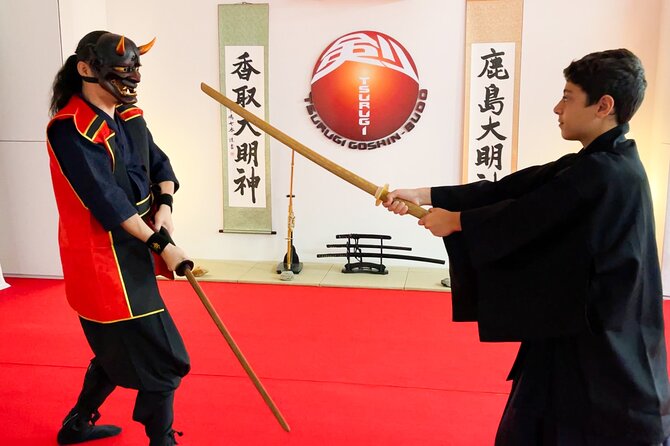
After the basic instruction, you put the skills together in the confrontation with the oni. This is the most theatrical section of the experience, and it gives the earlier lessons a clear payoff.
The battle is symbolic. The demon represents fear, doubt, and weakness within you. That idea may sound dramatic, but it gives the activity a little more meaning than simply striking at a costumed character. You are asked to show courage and focus, not just speed or power.
The final clash should be enjoyable for people who like interactive theater. You are not sitting in an audience while performers handle everything. You take part in the story and use the techniques introduced during the training.
At the same time, I would not book this expecting hard-contact combat or a serious test of martial ability. The supplied description presents it as a dramatic confrontation and a symbolic trial. Think of it as a playful finale that combines instruction and performance.
This section may work best with friends or family because the shared storyline adds energy. Still, solo participation is supported, and the experience is not limited to groups. The small size can make it easier to participate without feeling lost among strangers.
Recognition: matcha, sweets, and a named scroll
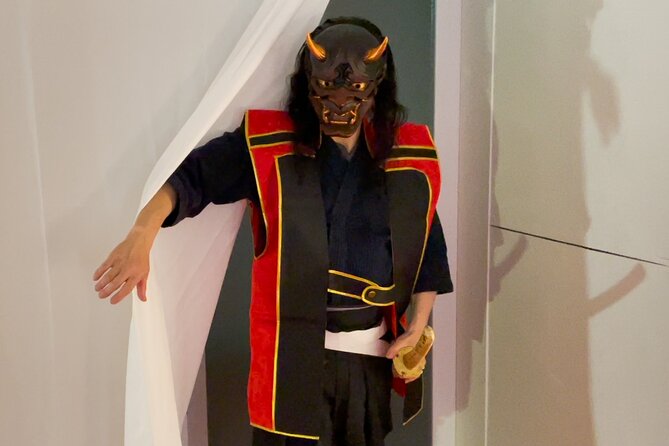
The final chapter is Recognition. After the training and battle, you receive a personalized scroll with your name and the techniques you learned. It is a stronger souvenir than a generic ticket or printed certificate because it connects directly to the session.
The scroll also reinforces the central message: carrying the sword in your heart means keeping the lessons of courage, calm, and focus. You may take that idea seriously or simply enjoy it as part of the story. Either way, it gives the activity a proper ending.
Authentic matcha tea and Japanese sweets are included. This small refreshment adds a quieter cultural moment after the movement and drama. It also helps the program feel like a complete experience rather than a workout that stops abruptly after the final pose.
The named scroll and tea service help explain the price of $84.70 per person. You are paying for a compact guided session, costume rental, instruction, demonstration, cultural explanation, refreshments, photo, and keepsake. That is fair value if you want an active cultural experience with a clear narrative.
The price will feel less attractive if you mainly want to hold a sword for a quick photograph. In that case, a short photo activity might be enough. Here, the cost makes more sense for someone who wants the full two-hour sequence and the chance to participate in every chapter.
English support and family appeal
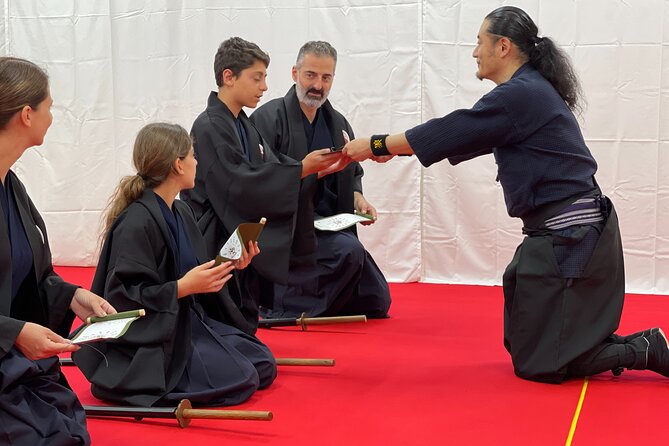
The experience is fully in English, which removes a major worry for many visitors. You receive explanations of sword skills, Bushido, and samurai history without needing to translate instructions while trying to copy a movement.
The program is also described as family-ready. Most people can participate, but the available information does not give a specific minimum age, maximum age, or detailed mobility guidance. If you are booking for a child or someone with physical limitations, confirm suitability before paying.
Families should enjoy the clear structure. The oni story gives children an easy reason to pay attention, while the uniform, armor, battle, sweets, and scroll provide several different kinds of activity. Adults who prefer cultural context will find more here than costume play alone.
Couples may find it a good birthday or shared-gift option. One birthday pair used the session to learn offensive and defensive techniques and then bring them together in the oni battle. That makes the experience feel more personal than a standard sightseeing stop.
Friends can make the battle more playful, but you do not need a group to enjoy it. The session is designed for solo participants too, and the six-person limit keeps the group from becoming unwieldy.
What the two-hour format does well
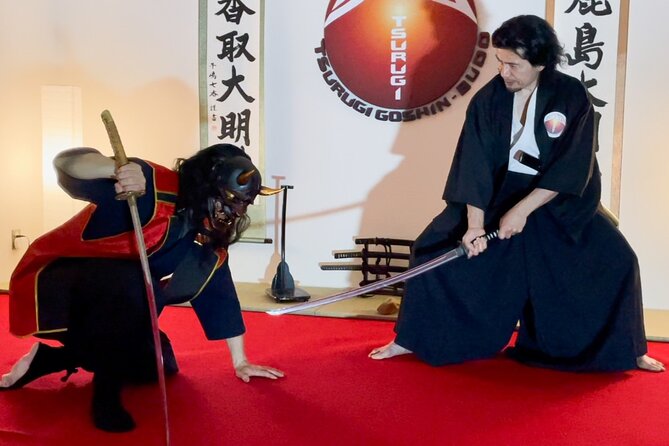
Two hours is long enough to create a beginning, lesson, battle, and ending without taking over your day. That makes this easier to fit into a Tokyo itinerary than a full-day cultural workshop.
The short format also keeps the activity focused. You are unlikely to spend hours repeating basic movements, and the story keeps the session moving from one chapter to the next. The tradeoff is that you should not expect advanced training, extensive historical discussion, or long time in armor.
I see the experience as an introduction with a strong theatrical frame. It lets you try several parts of samurai practice, hear about Bushido, and leave with a physical reminder of the visit. Someone seeking a long-term martial arts course will need something more serious and regular.
The activity ends back at the same meeting point. That makes onward planning simple, since you do not have to arrange a pickup or find a separate finishing location.
Practical details before you book
The price is $84.70 per person, and the experience is commonly booked about 29 days ahead. That advance timing suggests you should reserve early if your Tokyo dates are fixed, especially because the group is limited to six people.
Mobile tickets are accepted, and booking confirmation arrives at the time of reservation. The activity is near public transportation, but you are responsible for getting to Kōjimachi. There is no private transportation or air-conditioned vehicle included.
Free cancellation is available up to 24 hours before the start time for a full refund. Canceling or changing the booking less than 24 hours before the start time is not accepted, and the amount paid is not refunded. The cut-off follows Tokyo local time, so check the clock carefully if you are making changes from another country.
Wear something that lets you move comfortably under the rented uniform. The supplied information does not list a dress code, but sword practice includes posture, strikes, and blocks, so restrictive clothing would be a poor choice.
Who should book this Tokyo experience?
I would recommend it to you if you want a hands-on cultural activity rather than another attraction viewed from behind a barrier. It suits families, couples, friends, and solo participants who like a little fantasy mixed with practical instruction.
It is especially good for anyone interested in samurai traditions, Japanese folklore, costume photos, or activities that produce a personal souvenir. The English guidance and small group limit make it approachable for first-timers.
I would hesitate if you want a rigorous martial arts course, a historically exact reenactment, or a quiet museum-style lesson. The oni story and battle are intentionally theatrical, and the entire program must fit into about two hours.
Book it if the idea of learning basic sword movements, dressing as a samurai, sharing matcha, and confronting a symbolic demon sounds like a fun use of an afternoon. Skip it if you dislike role-play or prefer your cultural experiences to be strictly academic. For the right person, the lasting value is not pretending to become a warrior forever. It is getting a lively lesson in focus, courage, and Japanese tradition, then carrying home a scroll with your name on it.
FAQ
Where does the samurai swordsmanship experience begin?
It begins at the International Goshin-Budo Association, located at 4-chōme 21, MK Kōjimachi Building, Kōjimachi, Chiyoda City, Tokyo 102-0083.
How long does the experience last?
The activity lasts approximately two hours and ends back at the meeting point.
Is the experience conducted in English?
Yes. English guidance is provided for sword skills, Bushido, and samurai history.
What is included in the price?
The price includes samurai uniform rental, a live sword demonstration, English instruction, a personalized scroll with your name and learned techniques, matcha tea, Japanese sweets, and a commemorative photo with a samurai.
How many people can join?
The maximum group size is six people.
Can I cancel for a full refund?
Yes. You can cancel at least 24 hours before the experience start time for a full refund. Cancellations and changes made less than 24 hours before the start time are not accepted and are not refunded.
Just added around Tokyo
- Private tour with Yasushi and Yoko – by car, train, on foot★ 5.0 · 2 reviews
- Mt Fuji & Hakone Private Tour from Tokyo: Return by Bullet Train★ 5.0 · 22 reviews
- Bullet Train and Mt. Fuji Famous Food Tour★ 5.0 · 4 reviews
- Bullet Train Experience & Mishima Shrine Private Tour from Tokyo★ 5.0 · 9 reviews
- Tokyo-Izu: Volcano, Ocean& Capybara Cuddle with Izu Scenic Train★ 3.5 · 3 reviews
- 3-Day Private Tokyo and Nagano: Snow Monkeys, Tsukiji Market and Bullet Train★ 5.0 · 2 reviews
- Tokyo: Kamakura & Enoshima Day Tour with Pickup & Train Ride★ 4.1 · 61 reviews
- Tokyo:Izu Penisula Train Mt Omuro, Capybara Sightseeing Trip★ 4.1 · 10 reviews
Tokyo Train Journeys, compared.
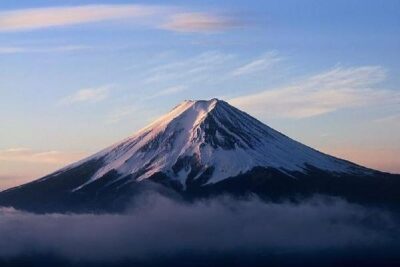
Mt Fuji & Hakone Cruise, Drum Show Bullet Train 1 Day from Tokyo
Read our review →
Tokyo Mt Fuji 5th St & Hakone Cruise Bus Tour w/Bullet Train
Read our review →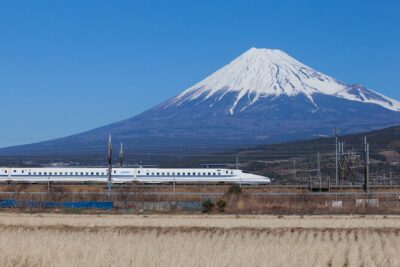
Mt. Fuji and Hakone Day Trip From Tokyo with Bullet Train Option
Read our review →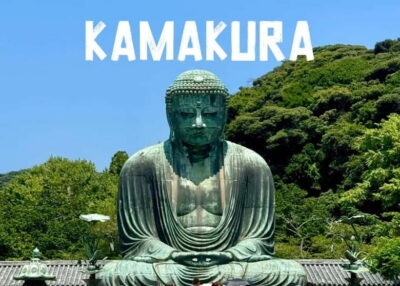
Kamakura & Enoshima Day Tour with Pickup & Train Ride
Read our review →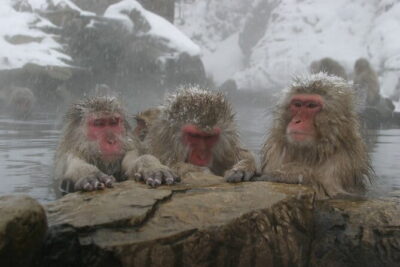
Snow Monkey Park and Miso Production Tour Bullet Train from Tokyo
Read our review →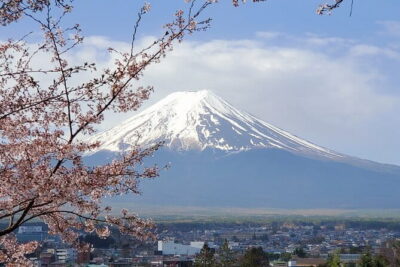
Mt Fuji & Hakone Private Tour from Tokyo: Return by Bullet Train
Read our review →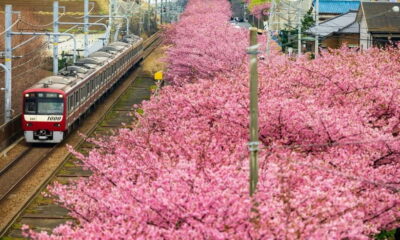
Izu Penisula Train Mt Omuro, Capybara Sightseeing Trip
Read our review →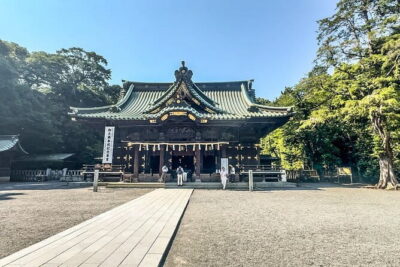
Bullet Train Experience & Mishima Shrine Private Tour from Tokyo
Read our review →Browse the lists this tour appears in