
Review · JAPAN
Hakone: Train Pass with Unlimited Rides & Activity Discounts
Hakone rewards a well-planned pass. This two-day ticket links Tokyo with Hakone’s key transport, including trains, buses, the ropeway, and the sightseeing cruise. I like that one pass can cover a full sightseeing loop, and I like the savings at more than 70 facilities. The main caution is simple: you must exchange the voucher in Shinjuku, not Hakone, and the pass is non-refundable.
At $45 per person, the value depends on how much of Hakone you see. A quick visit may not save money, especially since one French visitor felt it was cheaper to buy locally. But if you use the ropeway, cruise, mountain trains, and several buses over two days, the pass can spare you repeated ticket purchases and make the trip easier to manage.
Key points to know before you buy
- The pass starts in Shinjuku: Exchange your voucher at the Odakyu Sightseeing Service Center, Shinjuku West, on the B1 floor of Odakyu Line Shinjuku Station.
- The Tokyo connection is included: You receive round-trip Odakyu Line fare between Shinjuku and Odawara.
- Eight transport systems are covered: These include Hakone trains, buses, the cable car, ropeway, sightseeing cruise, and the KANKO SHISETSU-MEGURI sightseeing bus.
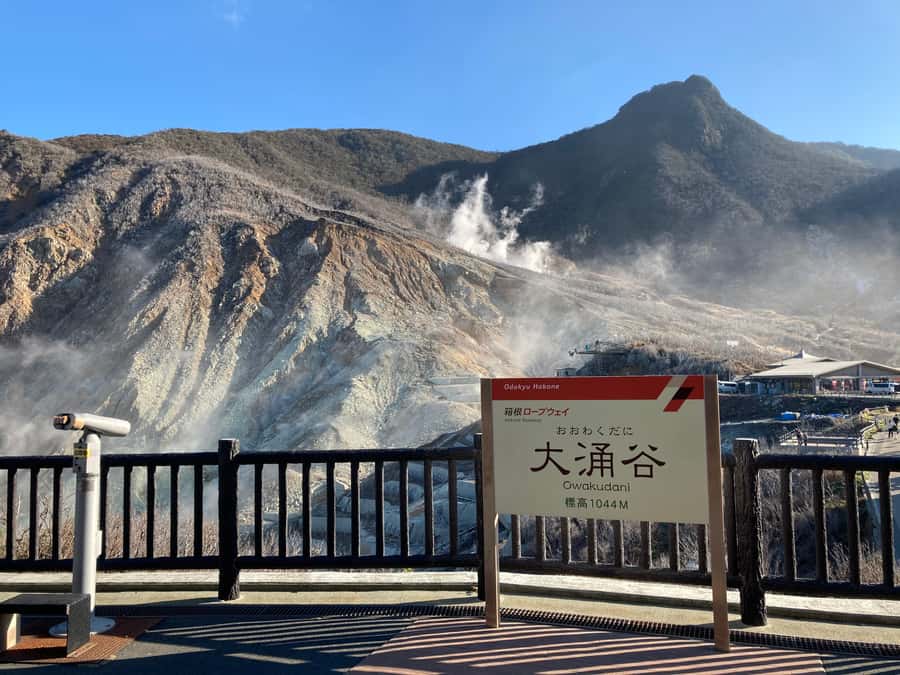
- The famous Hakone loop is practical: The pass reaches Owakudani, Lake Ashinoko, the Hakone Open-Air Museum, and other major stops.
- Romancecar costs extra: The limited express train is not included, although the regular Odakyu train fare is.
- Bad weather can change your plans: Transport may stop, with refunds limited to the specific covered service you could not use.
Starting at Shinjuku, not Hakone
Your first important task is exchanging the confirmation voucher. Go to the Odakyu Sightseeing Service Center, Shinjuku West, on the B1 floor of Odakyu Line Shinjuku Station, directly in front of the ticket gate. It operates from 8:00 AM to 6:00 PM.
This detail matters because the pass cannot simply be collected after you arrive in Hakone. One recent French booking comment complained that collection in Hakone was impossible, which is a useful warning rather than a small technicality. Build the Shinjuku exchange into your departure plan.
The pass includes a round trip between Shinjuku and Odawara on the Odakyu Line. That gives you the basic rail connection from Tokyo toward Hakone, but it does not include the limited express Romancecar. If you want the faster, more comfortable Romancecar service, you pay a separate fee.
The regular train option keeps the price down. For a $45 pass, that included Tokyo connection is an important part of the value, particularly if you are planning a full Hakone visit rather than only stopping at one attraction.
More Train Journeys in Japan:
- Mt Fuji & Hakone Cruise, Drum Show Bullet Train 1 Day from Tokyo
★ 4.0 · 7,413 reviews - Tokyo Mt Fuji 5th St & Hakone Cruise Bus Tour w/Bullet Train
★ 4.4 · 5,024 reviews - Mt. Fuji and Hakone Day Trip From Tokyo with Bullet Train Option
★ 4.0 · 368 reviews
The transport network that makes Hakone possible
Hakone is not a place where one train drops you beside every sight. The area spreads across mountain railways, roads, lake crossings, and steep slopes. The strength of this pass is that it connects those separate pieces.
Your unlimited rides cover these systems:
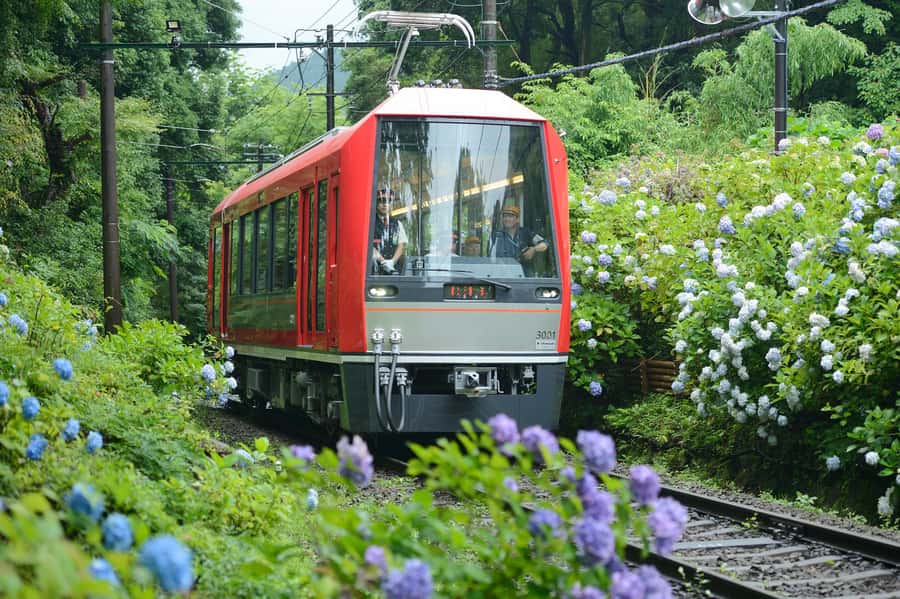
- Hakone Tozan Train
- Hakone Tozan Cable Car
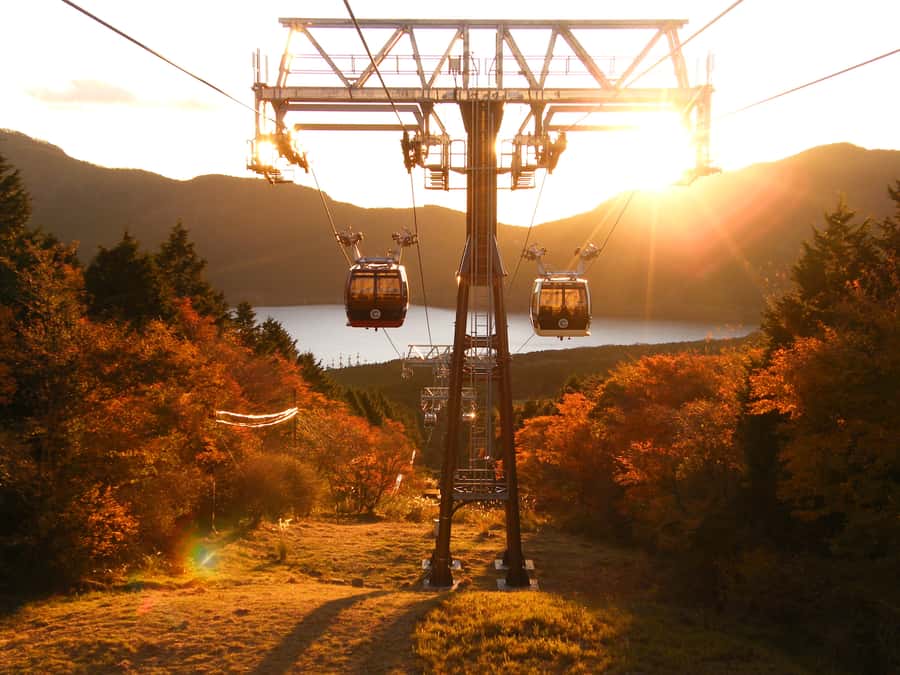
- Hakone Ropeway
- Hakone Sightseeing Cruise
- Hakone Tozan Bus in designated areas
- Odakyu Hakone Highway Bus in designated areas
- Tokai Bus in designated areas
- KANKO SHISETSU-MEGURI Bus, also called the Tourist Attraction Sightseeing Bus
That list is more useful than it first appears. You can move from the rail network to the mountain cable car, then to the ropeway, and later across Lake Ashinoko by sightseeing boat without purchasing a separate ticket at every change.
You do need to pay attention to the words designated areas. Not every route operated by every company is automatically included. I would check the pass map and route information before boarding, especially with buses. The Izu Hakone Bus is specifically excluded.
A sensible two-day Hakone plan
The pass is sold for two or three consecutive days, while the supplied price is $45 per person for the two-day option. Consecutive is the key word. You cannot treat the pass like a collection of separate day tickets, so choose your starting date with care.
A practical first day is the journey from Shinjuku toward Hakone, followed by the mountain sights. The Hakone Tozan Train provides access through the area, and the cable car carries you farther uphill. From there, the Hakone Ropeway reaches the Owakudani area and continues toward the Lake Ashinoko side of the route.
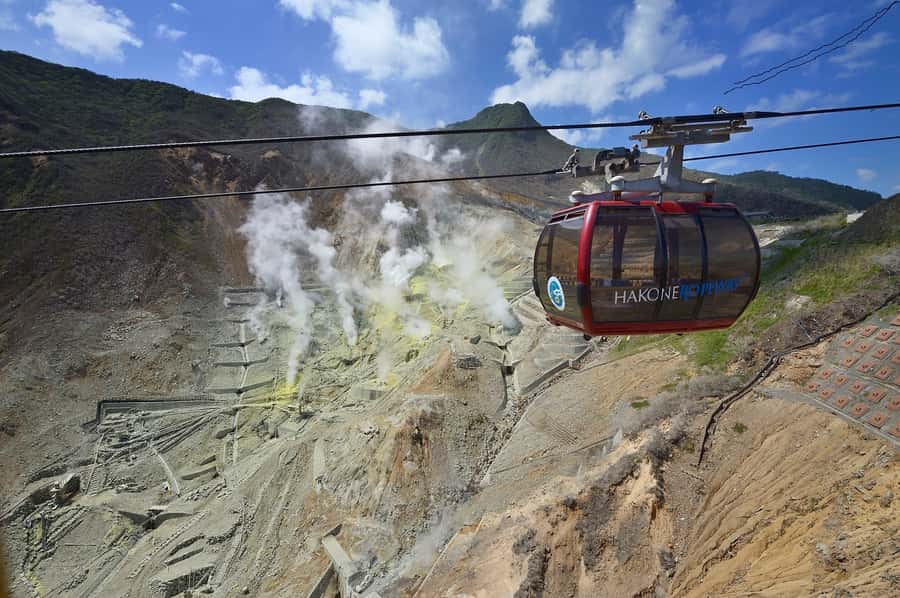
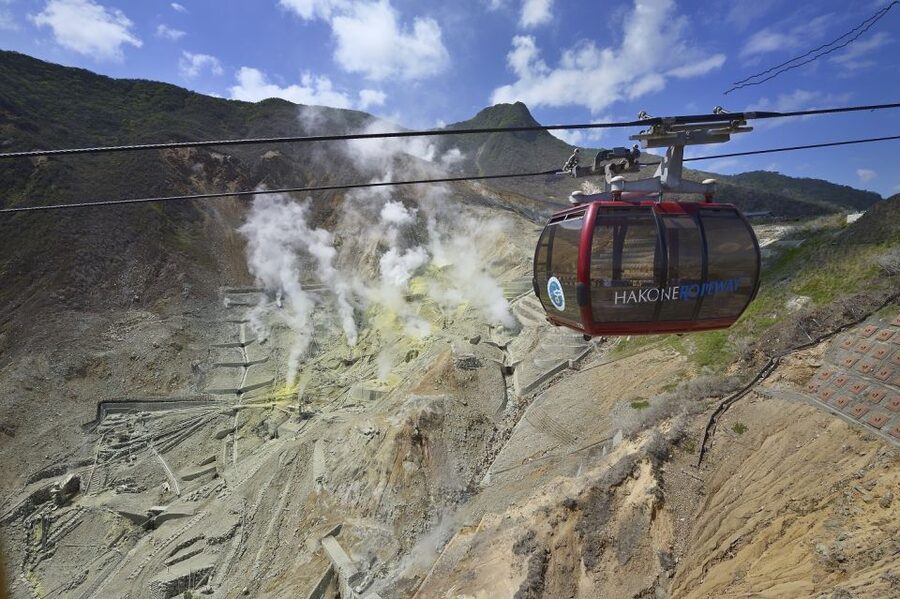
Owakudani is one of the biggest reasons to use the pass. It is a volcanic area, and the ropeway gives the journey a memorable sense of movement through the high mountain zone. You are not just taking transport between attractions. The transport itself is part of the Hakone experience.
The second day can be used for the lake and museums, or for returning to a favorite area at a slower pace. The Hakone Sightseeing Cruise crosses Lake Ashinoko and is included in the pass. A sightseeing boat ride can be a pleasant change after buses and mountain rail, and it makes the pass feel like a sightseeing ticket rather than a plain commuter pass.
The Hakone Open-Air Museum is another major stop named for this pass. It suits visitors who want a cultural break from the volcanic and lake scenery. The KANKO SHISETSU-MEGURI Bus can also help connect sightseeing facilities in designated areas, reducing the need to work out a new fare each time you board.
The exact order of your stops will depend on transport conditions, opening times, and the direction in which you approach Hakone. I would avoid trying to squeeze every listed sight into one rushed day. The two-day option gives you room to use the network as intended.
Owakudani, Lake Ashinoko, and the ropeway
The Owakudani section is where the pass earns much of its practical appeal. The ropeway is included, and that means you can reach one of Hakone’s most recognizable volcanic sights without treating the ride as an expensive extra.
Weather is important here. Hakone services may be suspended in bad conditions, and the ropeway is one of the systems most likely to affect your plans if operations stop. If a covered service is suspended and you have not been able to board it during the trip, a refund may be available for that particular portion at the Odakyu Sightseeing Service Center.
The refund rule is narrow. It does not turn a disrupted day into a full pass refund. Only the particular transportation service that you could not use across the trip is eligible, according to the stated conditions. Keep that in mind before planning a tight schedule around one connection.
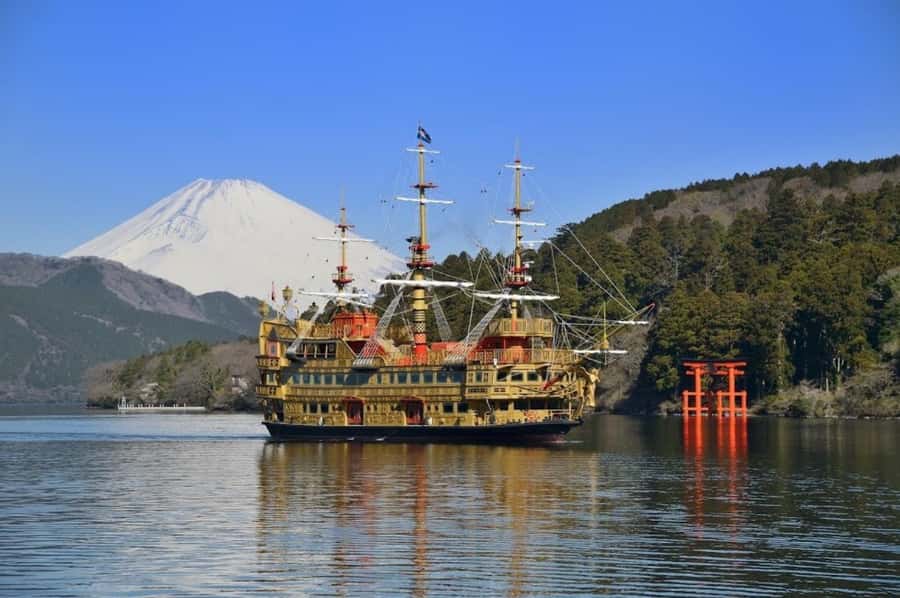
Lake Ashinoko gives the route a different character. The included sightseeing cruise, often described as a pirate ship in the booking material, is one of the most enjoyable inclusions for a first Hakone visit. The cruise is not just a way to cross the lake. It is a change of pace and one of the pass’s most distinctive features.
One recent British booking rated the pass highly even for a one-day visit, pointing especially to the Tokyo transport, Hakone transport, and pirate ship cruise. That is a strong sign that the pass can work for a concentrated visit, but the savings still depend on how many included services you actually use.
Same tracks, a different day out:
- From Osaka: Sagano Train Ride and Kyoto Guided Day Tour
★ 4.3 · 180 reviews - Fukuoka: Takachiho Gorge & Scenic Railway One Day Tour
★ 4.8 · 178 reviews - Sagano Romantic Train & Arashiyama, Kiyomizudera, Fushimi Inari Taisha Day Tour
★ 4.5 · 171 reviews - Tokyo: Kamakura & Enoshima Day Tour with Pickup & Train Ride
★ 4.1 · 61 reviews
The Hakone Open-Air Museum and other discounted sights
The pass includes discounts at more than 70 Hakone sightseeing facilities. The supplied information does not state the discount amount for each location, so you should not assume that every attraction becomes free or that every discount is the same.
Still, the benefit has real value if you already plan to visit several paid sights. The Hakone Open-Air Museum is specifically highlighted as an easy-to-reach destination, and the discounted admission can help offset the cost of the pass.
This arrangement also gives you flexibility. You do not have to build your entire day around transport alone. You can use the included buses and trains to reach a museum, lake stop, or other participating facility, then decide how much time to spend there without buying a new transport ticket for the next leg.
I would treat the discounts as a bonus rather than the sole reason to buy. The strongest case for the pass is the transport network. The attraction discounts improve the value when they match places you genuinely want to see.
Is $45 good value for two days?
The short answer is: it can be, but not automatically. The pass includes the round-trip Odakyu fare between Shinjuku and Odawara, plus unlimited rides on eight Hakone transport systems and discounts at more than 70 facilities. That is a lot of coverage for a two-day ticket.
The pass is most useful when you make a full Hakone circuit. A trip using the mountain train, cable car, ropeway, sightseeing cruise, and several buses would involve many separate fares without it. The pass also removes the need to stop and calculate the price of each section.
A quick visit is less certain. If you travel from Tokyo, see one attraction, and return without using much of the network, the $45 price may not be the cheapest choice. One recent French comment made exactly that point, saying a local purchase would have cost less.
This is why I would make a rough plan before paying. List the transport you expect to use, then consider one or two discounted attractions. If your day includes only a single train ride and one site, buy locally or compare alternatives. If it includes the ropeway, cruise, trains, and buses, the pass becomes much easier to justify.
The value is also about convenience. Even when the savings are modest, a single pass is simpler than buying separate tickets during a busy sightseeing day. That convenience is especially useful in a mountain area where a missed connection can affect the rest of your route.
The bus rules deserve your attention
The pass includes several bus systems, but only in designated areas. It does not include the Izu Hakone Bus. That means you should not assume that every Hakone bus accepts the pass just because it has a similar name.
The Odakyu Hakone Express Bus also has a practical restriction. Pass holders with a reserved seat receive priority, and you may not be boarded if the bus is full. The pass itself does not guarantee a place on every departure.
For a popular route or a crowded travel period, allow flexibility. If you miss one bus, the rest of your pass remains useful, but a tightly packed itinerary may start to unravel. A little spare time is more valuable here than trying to create a perfect minute-by-minute plan.
You must return the pass at the final station of the trip. Keep this requirement in mind as you finish your journey. Do not treat the pass as a souvenir or pack it away before reaching the end of your route.
Who will get the most from this pass?
I would recommend it most strongly to someone spending two days in Hakone and planning to use several forms of transport. It is also a good fit if you are staying in the area and want freedom to adjust your route as you go.
Families and visitors who dislike constant ticket purchases may appreciate the simplicity. The activity is listed as wheelchair accessible, though the data provided here does not explain the accessibility of every individual vehicle, station, or attraction.
It can also suit a determined day visitor from Tokyo. One British booking found the included Tokyo and Hakone transport worthwhile even for one day. That said, a one-day plan needs to be active and well organized. You should expect less value if you only make a short visit.
I would be more cautious if your plans are uncertain, if you expect bad weather, or if you are likely to use only one transport line. The non-refundable policy means you should choose your dates carefully. If a service is suspended, the stated refund provision applies only to the particular unused transportation portion, not automatically to the full pass.
Should you book the Hakone pass?
Book it if you want the classic Hakone combination of mountain transport, Owakudani, Lake Ashinoko, and the sightseeing cruise, especially over two consecutive days. The included Shinjuku to Odawara fare and discounts at more than 70 facilities add useful value.
Skip it if you plan a short, simple outing or want maximum flexibility about dates. Compare local fares first, and remember that the Romancecar and Izu Hakone Bus require separate payment. Most important, collect the pass in Shinjuku before you leave Tokyo. For a full Hakone visit, this is a practical pass with strong coverage, but it rewards planning rather than casual use.
FAQ
How long is the Hakone pass valid?
The pass is available for two or three consecutive days. The supplied price of $45 per person applies to the two-day option.
Does the pass include travel from Tokyo?
Yes. It includes round-trip train fare between Shinjuku Station and Odawara Station on the Odakyu Line.
Is the Romancecar included?
No. The limited express Romancecar requires a separate fee.
Where do I exchange the voucher?
Exchange it at the Odakyu Sightseeing Service Center, Shinjuku West, on the B1 floor of Odakyu Line Shinjuku Station West Exit, in front of the ticket gate.
What are the exchange center’s opening hours?
The center is open from 8:00 AM to 6:00 PM.
Which Hakone transport systems are included?
The pass covers the Hakone Tozan Train, Hakone Tozan Cable Car, Hakone Ropeway, Hakone Sightseeing Cruise, designated Hakone Tozan Bus routes, designated Odakyu Hakone Highway Bus routes, designated Tokai Bus routes, and the KANKO SHISETSU-MEGURI sightseeing bus.
Is the Izu Hakone Bus included?
No. The Izu Hakone Bus is not included.
Does the pass include attraction discounts?
Yes. It provides special discounts at more than 70 sightseeing facilities in Hakone.
What happens if bad weather suspends a service?
Services may be suspended because of bad weather. If you could not board a particular covered transportation service during the trip, you may request a refund for that portion at the Odakyu Sightseeing Service Center.
Just added around Japan
- Train in Samurai Swordsmanship and Defeat the Demon in Tokyo★ 5.0 · 5 reviews
- Private tour with Yasushi and Yoko – by car, train, on foot★ 5.0 · 2 reviews
- Mt Fuji & Hakone Private Tour from Tokyo: Return by Bullet Train★ 5.0 · 22 reviews
- Bullet Train Experience & Mishima Shrine Private Tour from Tokyo★ 5.0 · 9 reviews
- Tokyo-Izu: Volcano, Ocean& Capybara Cuddle with Izu Scenic Train★ 3.5 · 3 reviews
- Bullet Train and Mt. Fuji Famous Food Tour★ 5.0 · 4 reviews
- 3-Day Private Tokyo and Nagano: Snow Monkeys, Tsukiji Market and Bullet Train★ 5.0 · 2 reviews
- Guided Half-day Tour(PM) to Toyota Commemorative Museum & SCMAGLEV Railway Park★ 5.0 · 3 reviews
Japan Train Journeys, compared.
Mt Fuji & Hakone Cruise, Drum Show Bullet Train 1 Day from Tokyo
Read our review →
Tokyo Mt Fuji 5th St & Hakone Cruise Bus Tour w/Bullet Train
Read our review →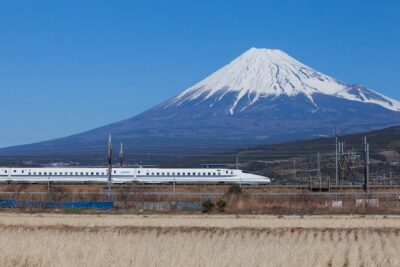
Mt. Fuji and Hakone Day Trip From Tokyo with Bullet Train Option
Read our review →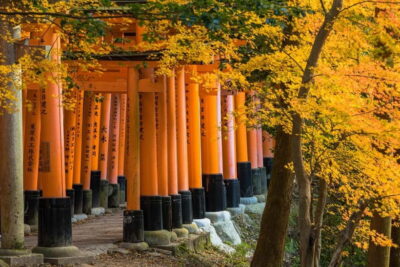

Fukuoka: Takachiho Gorge & Scenic Railway One Day Tour
Read our review →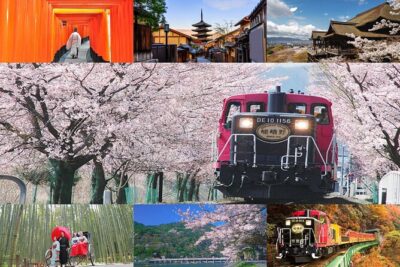
Sagano Romantic Train & Arashiyama, Kiyomizudera, Fushimi Inari Taisha Day Tour
Read our review →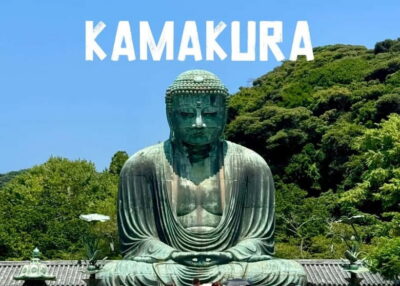
Kamakura & Enoshima Day Tour with Pickup & Train Ride
Read our review →Arashiyama Day Tour with Train, Boat, and Onsen
Read our review →Browse the lists this tour appears in