
Review · NEW ZEALAND
Rotorua Railcruising: Self-Drive Rail Car with Audio Guide
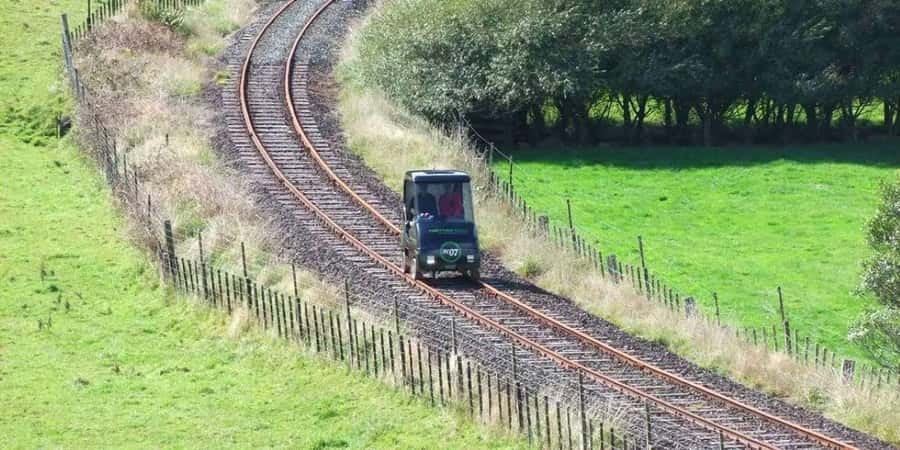
Slow travel has its own rewards. Rotorua Railcruising lets you drive a small petrol-electric rail car along the historic railway at up to 20 km/h. I like the open views, the chance to handle your own rail car, and the friendly staff at either end of the route. The main drawback is simple: this is a gentle scenic ride, not a fast or action-packed rail adventure.
You can start at Ngongotaha Station or Mamaku Railway Station, listen to an audio guide, and settle under a roof with blankets if the day turns cool. I also like the practical touches, including clear waterproof side windows, hot drinks at Mamaku, and a shuttle for one-way trips. The commentary can have some static, and there may not be enough major sights to fill every minute for some people.
Key points before you book
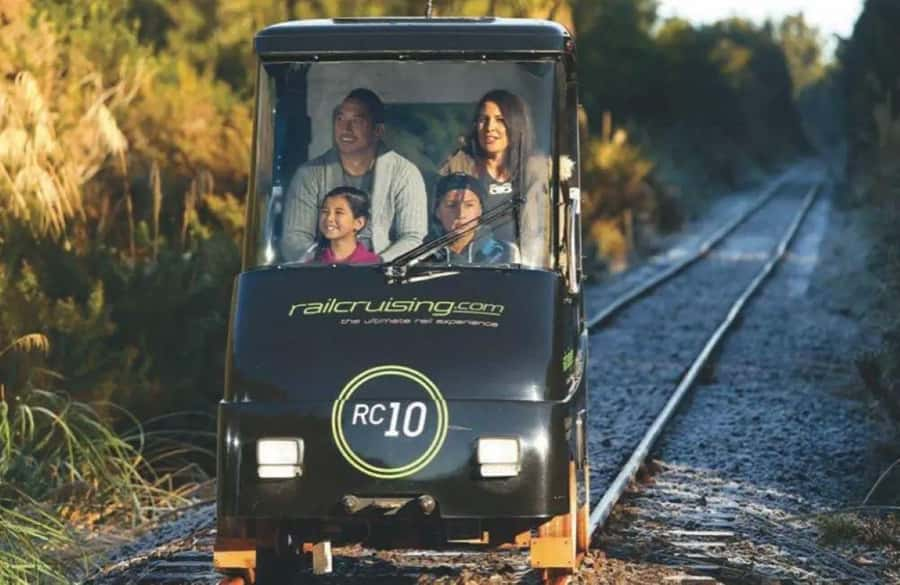
- Drive your own rail car: You are not sitting in a standard passenger carriage. You control a small hybrid petrol-electric vehicle on the railway.
- The ride is deliberately slow: The top speed is 20 km/h, making this better for views, railway history, and a relaxed outing than thrills.
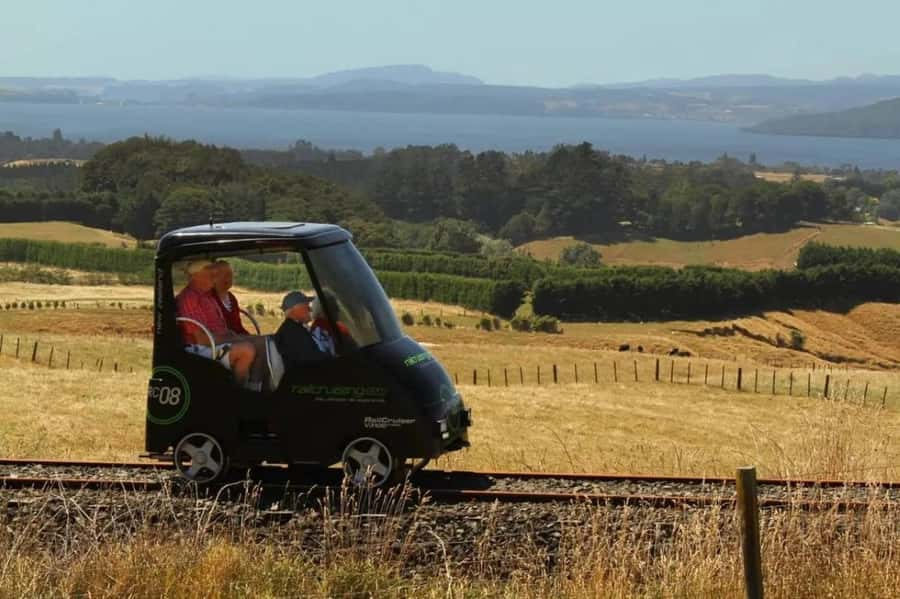
- Choose Ngongotaha or Mamaku: The journey begins at one of these two stations, with the route offering views toward Lake Rotorua and Mount Tarawera.
- Covered but open to the weather: Seating is protected, and clear waterproof side windows and blankets help on wet or cool days.
- Human help adds warmth: Staff at each end have been praised for being friendly and informative, which matters on a small, personal activity.
- Plan for a two-hour commitment: With no fast-paced entertainment, this works best when you enjoy quiet scenery and unusual transport.
A railway ride with a steering wheel
Rotorua Railcruising is not a sightseeing train in the usual sense. You sit in your own compact rail car and guide it along the track. The vehicle uses petrol-electric power, and the speed tops out at 20 km/h.
That pace tells you a lot about the outing. You have time to look around, take photographs, and follow the audio commentary without feeling rushed. You also have time to notice that the route is about the act of railway travel as much as the scenery itself.
I find the self-drive format the most unusual part. You are not simply being carried through the countryside. You get a small role in the journey, although the experience remains carefully controlled and easygoing rather than technical or demanding.
The private-group format adds to that feeling. You are not sharing a large carriage with a crowd, so the ride can feel more personal. The available information does not give a fixed group size, so you should confirm the exact arrangement when booking if that matters to you.
More Self-Guided Tours in New Zealand:
- From Cairns: Self-Guided Kuranda Trip with Train and Skyrail
★ 4.6 · 3,392 reviews - Oslo To Bergen Self-Guided Full Day Trip with Flåm Railway And Fjord Cruise
★ 4.0 · 69 reviews - Zurich: Audio Guided City Tour and Train to “Top of Zurich”
★ 4.2 · 65 reviews
Starting at Ngongotaha or Mamaku Station
The journey begins at either Ngongotaha Station or Mamaku Railway Station. The choice may depend on the departure time and booking arrangement, so check your confirmation carefully before setting out.
Ngongotaha gives you access to a route associated with the Rotorua area and views toward Lake Rotorua. Mamaku provides the railway setting and has the added comfort of tea, coffee, and milo available at the station. That hot drink is a small detail, but it is welcome on a chilly morning or after a damp ride.
The stations are part of the appeal. This is not a polished theme-park attraction built around a quick photo opportunity. It uses a railway setting and equipment tied to New Zealand transport history. You get a sense of how the line and its people shaped movement through the area, even if the presentation stays informal.
Allow yourself enough time to arrive ready to go. The activity lasts two hours, and the railway car has a fixed route and schedule. If you are taking a one-way option, a complimentary shuttle is available, which can make the outing easier to fit into a day of sightseeing.
What the two-hour journey feels like
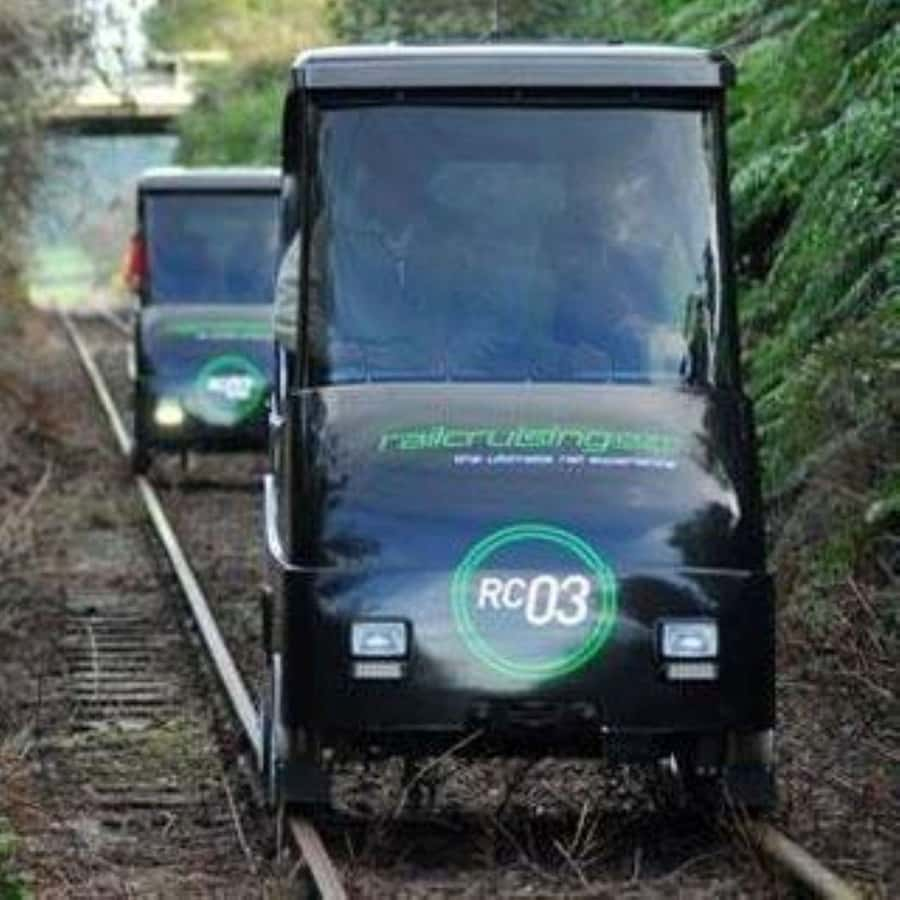
Once you are underway, the rail car moves at a maximum of 20 km/h. That is slow enough for you to take in the countryside without constantly turning your head to catch the view.
You may see Lake Rotorua and Mount Tarawera from the route. These are the headline sights, but the attraction is not built around a long list of stops. You remain in the rail car for the journey, with the scenery changing gradually rather than arriving in a series of big reveals.
That is worth understanding before you pay. If you want dramatic viewpoints every few minutes, you may find the ride too quiet. If you enjoy watching the countryside pass at a measured pace, the speed is exactly the point.
The self-drive element gives you something to do while the scenery unfolds. You are operating the rail car rather than sitting back in a regular train seat. Still, this is not a high-speed driving activity. It is closer to a calm railway outing with a little hands-on control.
At the destination, you can watch the rail cars being turned around for the return journey. That mechanical process is one of the more distinctive moments, especially if you have an interest in old railway systems. It also gives the trip a clear sense of place instead of feeling like a simple out-and-back ride with no change at the far end.
The audio guide and the people who bring it to life
An audio guide explains the railway and the local area as you travel. It covers the story of the line and the people connected with building it, giving the scenery a useful human context.
The commentary is a good reason to keep your charged smartphone with you, as the activity information specifically asks you to bring one. You should also bring headphones if your booking instructions recommend them, although the provided details do not specify the audio setup.
The recording may contain some static in certain locations. That does not ruin the ride, but it can make a few details harder to hear. Pay attention when the commentary begins, and keep the volume at a comfortable level so you can still stay aware of the rail car and the people around you.
The live staff are an important part of the outing. The men positioned at each end of the journey have been described as friendly, informative, and helpful. Their presence gives the ride a personal touch that a recording alone cannot provide. They can also help the activity feel less like a self-guided gadget and more like a small community railway project.
More Audio Tours in New Zealand:
Views of Lake Rotorua and Mount Tarawera
The most important visual promise is the open view. There are no standard train windows framing the scenery from a distance. You get a largely unobstructed look from your rail car, with the countryside visible around you.
The route includes views of Lake Rotorua and Mount Tarawera. Weather will affect how much you see, so do not treat these as guaranteed postcard moments. Bring a camera, but also bring realistic expectations. The journey is scenic rather than a dedicated mountain or lake lookout trip.
The clear waterproof side windows help when rain or wind arrives. They are practical rather than glamorous, but they mean a wet forecast does not automatically ruin the outing. You can still see through the sides while staying protected.
For a sunny day, pack sunscreen and weather-appropriate clothing. The covered seating is useful, but it does not turn the rail car into an enclosed indoor carriage. The experience is designed to keep you close to the outdoors.
Comfort in changeable Rotorua weather
Rotorua weather can shift, and the ride provides a few simple ways to handle that. Covered seating protects you from direct rain and strong sun, while blankets are available for cooler days.
I would still dress in layers. Bring a light waterproof layer if rain is possible, and do not rely on the blankets as your only warm clothing. The activity specifically recommends weather-appropriate clothes, drinks, sunscreen, a camera, and a charged smartphone.
At Mamaku Station, tea, coffee, and milo are provided. This is especially useful if you have started early or the temperature has dropped. The details do not promise food, so bring your own snacks if you need more than a hot drink during the two-hour outing.
The rail car format also affects comfort. You are in a small vehicle, not a broad carriage where you can walk around. Anyone who needs wheelchair access should note that the activity is not suitable for wheelchair users. People prone to motion sickness should also think carefully before booking, since the movement of a rail car may be uncomfortable for them.
Is $44 good value?
At $44 per person, the price is reasonable if you want an unusual activity built around railway heritage and scenery. You are paying for a two-hour outing, a self-drive rail car, the audio tour, blankets, weather protection, and, at Mamaku, hot drinks.
The value is strongest for people who would normally enjoy a museum, heritage railway, or slow scenic ride. You get more than a standard train trip because you operate the vehicle yourself. The private-group setup can also make the price feel fair if you value a quieter, more personal activity.
The value is weaker if you measure every attraction by the number of major sights or the amount of action. The route is slow, and the commentary focuses on railway history and the local area. One assessment described the ride and commentary as fine but felt there were not enough highlights. That is a useful warning, not a flaw for everyone.
I would compare it with the price of other two-hour Rotorua activities, but I would also ask what kind of day you want. At $44, this is not the best choice for adrenaline. It is a fair price for a rare chance to drive a rail car through New Zealand scenery.
Who will enjoy this most?
I would recommend Rotorua Railcruising to adults and families who like unusual transport, local stories, and unhurried views. It suits people who want to do something different from the usual geothermal attractions and lake activities.
It can also work well for railway enthusiasts. Watching the cars being turned around, hearing how the railway developed, and traveling along the historic line give the outing a clear sense of purpose.
Children may enjoy having their own rail car, but set expectations before you go. This is not a high-octane rail ride. A child expecting speed, sharp turns, or constant excitement may lose interest during the two-hour trip.
The experience is less suitable if you dislike slow movement, get motion sickness, use a wheelchair, or want a packed itinerary of stops. It is also not the best match for someone who needs a major attraction every few minutes.
Practical planning for a smoother ride
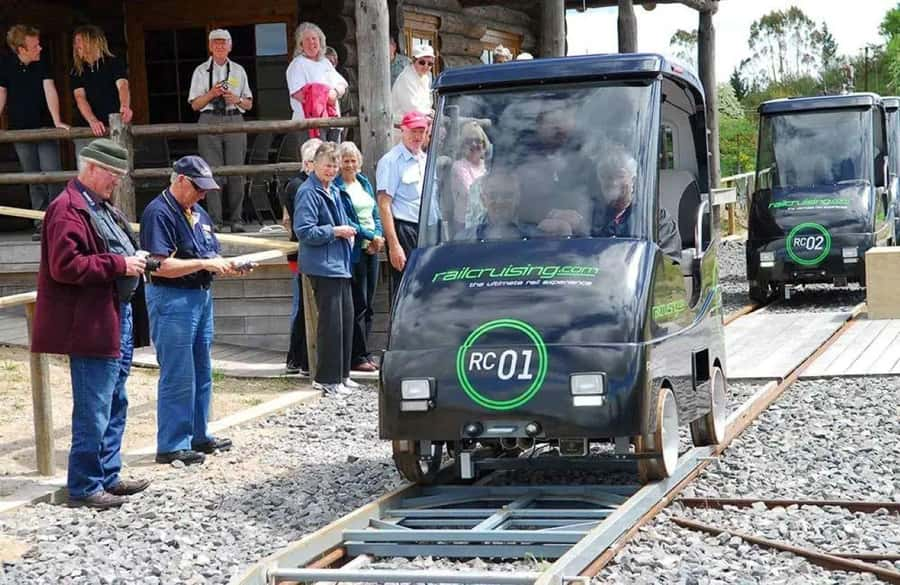
Book with the weather in mind, but do not cancel at the first sign of clouds. The clear waterproof side windows and covered seating provide some protection, and the route can still be enjoyable in changing conditions.
Bring your camera, sunscreen, drinks, suitable clothing, and a charged smartphone. Those items are not filler on a packing list. You will want the camera for the views, the sunscreen for exposed sections, a drink for the two-hour duration, and the phone for the audio guide.
Check whether your journey begins at Ngongotaha or Mamaku. If you are using a one-way option, confirm how the complimentary shuttle fits into your plans. That detail can affect where you leave your vehicle and how you arrange the rest of the day.
Cancellation is flexible up to 24 hours before departure for a full refund, and you can reserve now while paying later. Those policies help if your Rotorua schedule or the forecast is still unsettled.
Should you book Rotorua Railcruising?
Book it if you want a gentle, unusual railway outing with open views, local stories, and a hands-on twist. The friendly staff, blankets, weather protection, hot drinks at Mamaku, and the chance to watch the cars turn around all add value to a simple idea.
Skip it if you want speed, dramatic action, or a long sequence of major viewpoints. The ride is intentionally calm, and the audio commentary may have occasional static. For the right mood, $44 buys a memorable piece of New Zealand railway travel. For the wrong mood, two hours can feel slow.
FAQ
How long does Rotorua Railcruising last?
The experience lasts two hours.
How fast does the rail car travel?
The rail car travels at speeds of up to 20 km/h.
Where does the experience begin?
You begin at either Ngongotaha Station or Mamaku Railway Station, depending on the booking arrangement.
Do I drive the rail car myself?
Yes. The experience uses a self-drive petrol-electric rail car.
Is an audio guide included?
Yes. An audio tour about the Rotorua Railway and the local area is included.
What happens at the destination?
The rail cars are turned around for the return journey.
Are drinks provided?
Tea, coffee, and milo are available at Mamaku Station. You should bring your own drinks if you want something else during the outing.
Is the activity suitable for wheelchair users or people with motion sickness?
No. The activity is listed as unsuitable for wheelchair users and people with motion sickness.
Just added around New Zealand
- Ultimate self-drive rail car journey★ 5.0 · 5 reviews
- Queenstown to Dunedin with Taieri Gorge Train One-Way Tour★ 5.0 · 5 reviews
- 2 Day West Coast Glaciers and TranzAlpine Train: Queenstown to Christchurch★ 3.0 · 3 reviews
- Franz Josef to Christchurch Small-Group Tour W TranzAlpine Train★ 4.5 · 2 reviews
- Dunedin to Queenstown One Way Tour Including Taieri Gorge Train★ 5.0 · 6 reviews
- Captivating Railway Journey in Coromandel★ 4.5 · 36 reviews
- Arthur’s Pass with optional TranzAlpine Train (Small Group Tour)★ 5.0 · 13 reviews
- Kaikoura Whale Watch Day Tour from Christchurch including Coastal Pacific Train★ 5.0 · 6 reviews
Self-Guided Tours, compared.
Self-Guided Kuranda Trip with Train and Skyrail
Read our review →
Oslo To Bergen Self-Guided Full Day Trip with Flåm Railway And Fjord Cruise
Read our review →
Audio Guided City Tour and Train to “Top of Zurich”
Read our review →
Self-Guided 22-Hour Round Trip From Oslo To Sognefjord With Flåm Railway
Read our review →
Self-Guided Toledo Day Trip from Madrid with Panoramic Train
Read our review →
Take the U Train: An Audio Story of Berlin’s Oldest Elevated Railway Line
Read our review →
Electric Bike and Train Self Guided Tour of North San Diego Coast
Read our review →Browse the lists this tour appears in