
Review · BANGKOK
From Bangkok: Death Railway & Hellfire Pass Tour with Lunch
Some journeys ask for your attention. This one earns it. From Bangkok, you travel to Kanchanaburi for Hellfire Pass, the Death Railway, the Bridge over the River Kwai, two museums, and a war cemetery. I especially like the careful mix of sobering history and scenic train travel, plus the included local lunch.
I also like the small-group feel, comfortable air-conditioned van, and guides such as Luke, Alex, Travis, Ken, and Art, who have been praised for explaining both wartime events and Thai culture. The catch is simple: this is a very long day, with about 3.5 hours in the van each way, and some stops can feel rushed.
Key points at a glance
- Hellfire Pass is the emotional heart of the day: The memorial museum and walking trail make the human cost of the railway easier to understand.
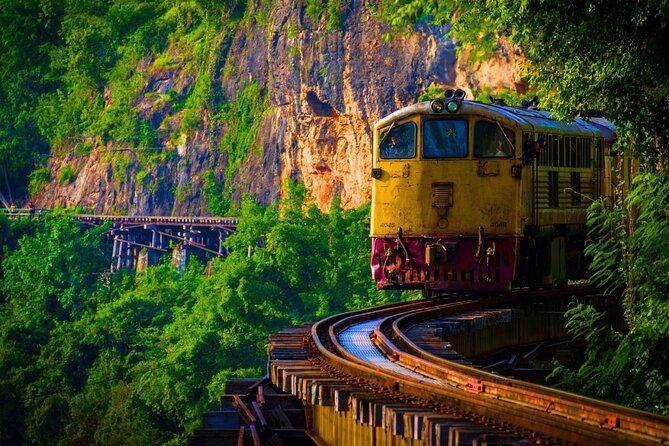
- The 45-minute train ride is scenic and historic: You cross the wooden Tham Krasae viaduct, pass rural views, and travel along a working section of the Death Railway.
- Lunch is better than a basic tour meal: It is served at a local restaurant, with several reports of tasty food, river views, and help with vegetarian meals or food allergies.
- The schedule covers a lot: You visit Hellfire Pass, the bridge, a railway museum, and Kanchanaburi War Cemetery in one day.
- The day begins early: Pickup is usually between 6:00 and 7:00 AM, and Bangkok traffic can delay your return into the evening.
- The price is strong for the inclusions: At $82 per person, hotel transfers, entry fees, lunch, a guide, a minivan, and the train ticket are covered.
Why Hellfire Pass makes this more than a sightseeing trip
Kanchanaburi is famous for green hills, rivers, and railway views, but this excursion is really about people. During World War II, Allied prisoners of war and Asian laborers were forced to build a railway linking Thailand with Burma, now Myanmar. Thousands died from overwork, disease, hunger, and brutal treatment.
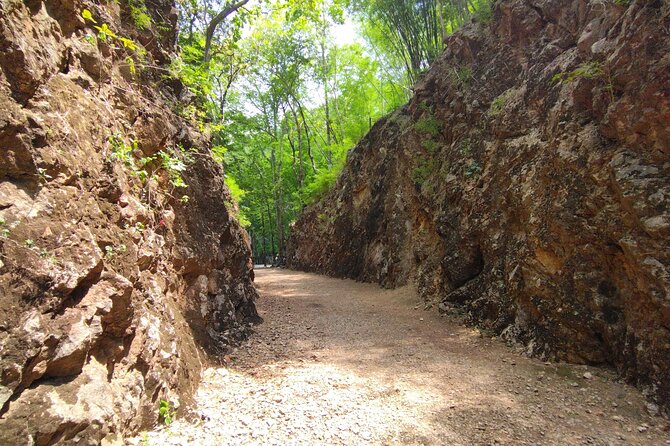
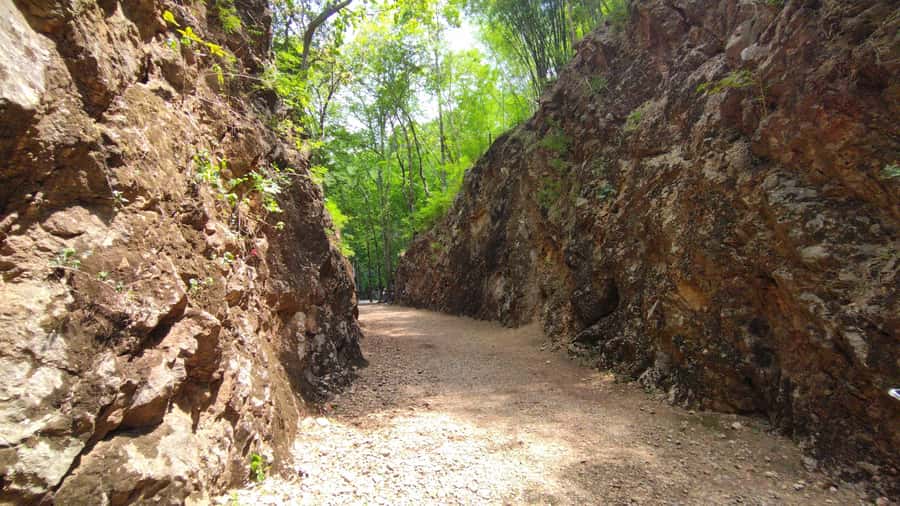
Hellfire Pass was one of the hardest sections. Workers cut a railway passage through solid rock by hand and under terrible conditions. The name comes from the appearance of the work area at night, when fires cast the laborers and cliffs into a stark glow.
At the Hellfire Pass Memorial Museum, you begin with the wider story. The displays explain the railway project and the conditions faced by those who built it. The information is direct rather than decorative, so give yourself time to read and let the place set the tone for the rest of the day.
The walking trail follows part of the old railway bed. You do not simply look at a photograph of the cut. You walk into the pass and see the rock walls close around you. That physical scale matters. It gives you a clearer sense of the labor involved than a bridge photograph alone can provide.
The walk is listed at about 1.5 hours, including the museum, guiding, and time for photographs. Wear comfortable shoes, bring sunscreen, and carry a hat. The route is not suitable for people with mobility impairments or wheelchair users, and the tour is not recommended for children under four, pregnant women, or people over 70.
More Death Railway Tours in Bangkok:
- Bridge on the River Kwai and Thailand-Burma Railway Tour
★ 4.5 · 658 reviews - Bridge on the River Kwai and Thailand-Burma Railway Guided Tour
★ 4.5 · 353 reviews - Bridge over River Kwai and Hellfire Pass Tour with Train Ride
★ 5.0 · 199 reviews
The long ride from Bangkok to Kanchanaburi
Your day starts early, usually with hotel pickup between 6:00 and 7:00 AM. The exact time is confirmed by phone by 10:00 PM the evening before, so check your messages and wait in the lobby 15 minutes before pickup.
The air-conditioned minivan is an important part of the experience. You spend roughly 3.5 hours on the road before returning to Bangkok, so a clean, comfortable vehicle and a careful driver make a real difference. Several visitors specifically praised drivers for being attentive, keeping the vehicle comfortable, and helping the day run on time.
Pickup covers hotels in Bangkok and some outlying areas, including Chatuchak, Lat Phrao, Bang Khen, Don Muang, and the Suvarnabhumi area. Give the operator your hotel name and full address when booking. If the guide does not accompany you all the way back at the end, the driver will still take you to your hotel.
The highway portion is not the exciting part. Still, the change from Bangkok streets to rural Thailand gives the day a useful rhythm. You leave the city behind, hear the history at Hellfire Pass, pause for lunch, then finish with the railway and cemetery.
Walking the Hellfire Pass trail
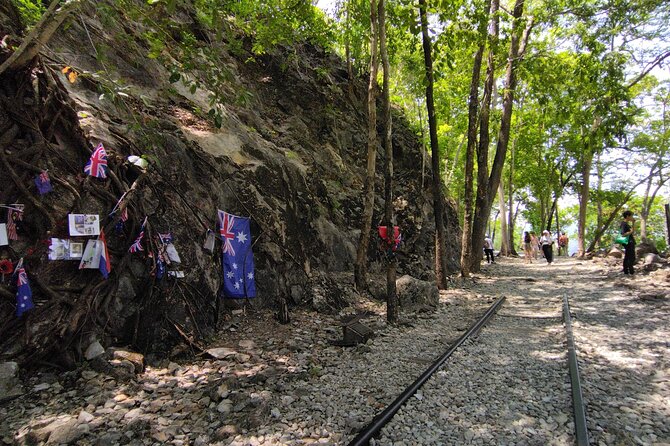
The Hellfire Pass stop is where the tour feels most personal. The museum gives you names, dates, photographs, and accounts of the railway project. The trail then lets you see the physical setting rather than only hearing about it.
Your guide can add context as you walk. Guides named Luke, Alex, Travis, Ken, Art, Mod, and Steven have been praised for explaining the story clearly and answering questions. The strongest guides also connect the railway to Thai culture and local life, rather than treating the site as a single World War II fact.
This is not a cheerful attraction, and it should not be treated like one. The right mood is quiet attention. You will have time for photos, but the best reason to walk here is to understand the work and suffering behind the railway.
The main practical issue is heat. Bring water, although water is not specifically listed as included. One person found the train especially hot and wished a bottle of water had been provided. Pack your own supply, along with sunscreen and a hat.
A local lunch with time to reset
After Hellfire Pass, you stop at a local restaurant near Namtok Station. Lunch is included, and this pause is well placed. You have just spent time at a serious memorial, and sitting down for a proper meal gives you a chance to rest before the train.
The food has been one of the most praised parts of the day. It is described as fresh, authentic, and generous, with one restaurant offering a view over the river. Vegetarian requests and food allergies have also been handled well when communicated to the guide.
Do not expect a long independent restaurant visit. The schedule needs to keep moving so you can catch the train. Still, this is more satisfying than a rushed boxed meal, and the local setting adds something to the day.
Extra meals and drinks are not included. I would buy or carry water before the train, especially during hot weather. A camera is useful, but remember that this is a memorial-focused trip, not only a photo outing.
A few more train trips around Bangkok worth a look
- From Bangkok: Death Railway & Hellfire Pass Tour with Lunch
★ 4.5 · 8 reviews - Bangkok: Floating Market, River Kwai, Railway Tour w/ Lunch
★ 4.4 · 7 reviews - Historic Kanchanaburi: Train, Boat & Skywalk + Lunch From Bangkok
★ 4.5 · 3 reviews - Historic Kanchanaburi:Train, Boat, Skywalk from Bangkok(No Lunch)
★ 5.0 · 2 reviews
Riding the Death Railway from Namtok Station
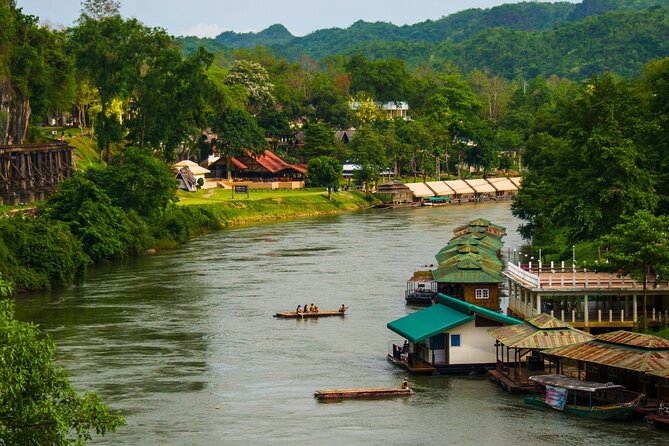
The train ride lasts about 45 minutes and is one of the day’s most enjoyable sections. It gives you a chance to sit down, look out the window, and see Thailand at a slower pace.
The railway passes over the Tham Krasae wooden viaduct, which runs along a cliff above the Khwae Noi River. This is the view many people remember most clearly: timber tracks, a steep drop toward the river, and the train moving carefully along the side of the cliff.
The scenery includes rural villages and river views. The train can feel hot, and the ride may seem long if you are eager to reach the next stop, but that slower pace is part of its appeal. You are not simply viewing a replica or staged attraction. You are riding a surviving railway route connected to a painful wartime story.
Your guide may help arrange better seats or suggest where to sit for photographs. Since exact seating cannot be guaranteed from the information provided, keep your camera ready and listen to the guide’s advice. The train ticket is included, so you do not need to arrange this part yourself.
The Bridge over the River Kwai
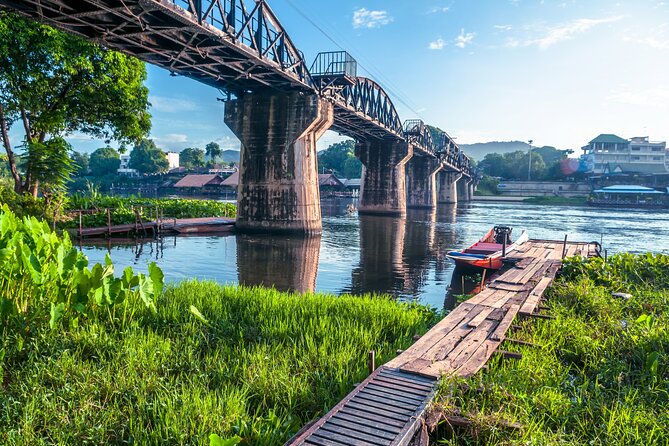
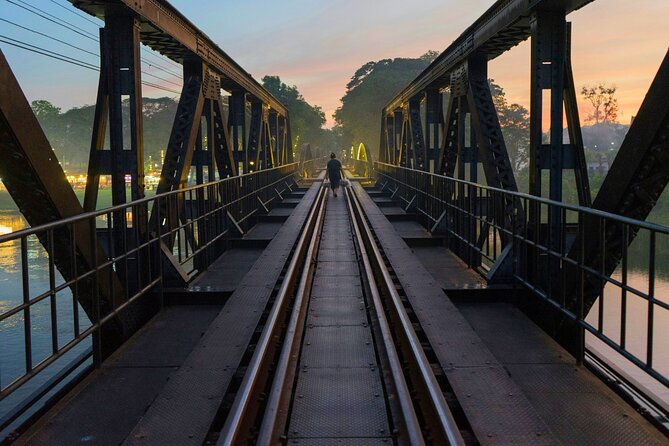
The bridge stop is short, about 20 minutes, but it carries enormous symbolic weight. The bridge became famous through books and films, although the actual history is more complicated than popular culture often suggests.
Here, your guide can connect the bridge with the wider railway project and the forced labor used to build it. You have a chance to take photographs and look at the river below. The scenery is attractive, but the bridge should be read alongside the museum and cemetery, not as a stand-alone photo stop.
Twenty minutes is enough for a look and a few pictures. It is not enough for a long, unhurried exploration. If the bridge is your main reason for booking, you may want a slower visit on another day. If you see it as one part of a larger historical route, the time works.
The railway museum and Kanchanaburi War Cemetery
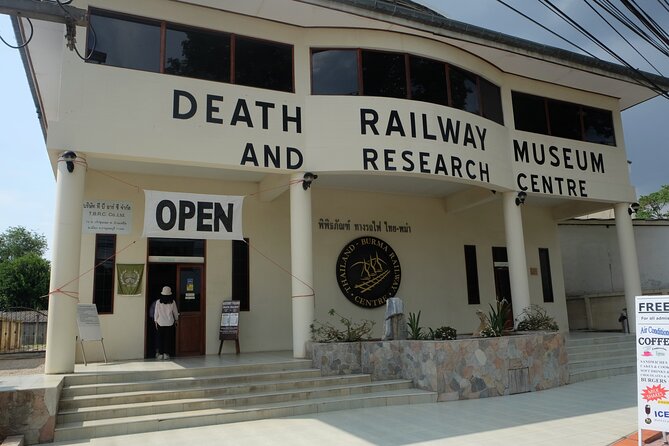
The railway museum adds another layer after the train ride. It helps explain the railway’s construction, the military purpose behind it, and the lives affected by the project. The visit lasts about 40 minutes, including guiding and time to look around.
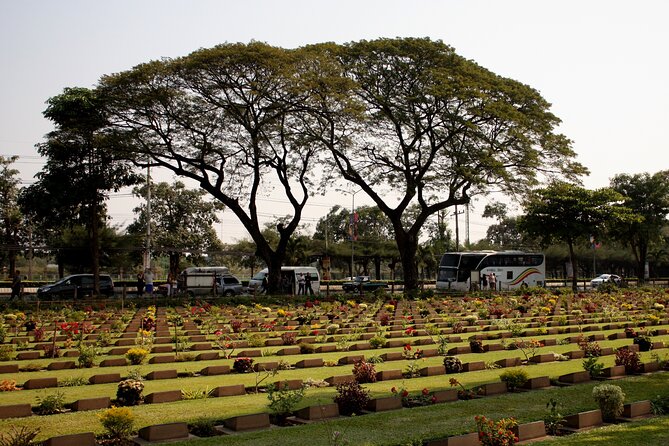
The cemetery follows, with about 20 minutes scheduled. It is carefully maintained and offers a quiet place to honor the soldiers who died during construction. The neat rows and personal names can feel more affecting than a general account of wartime losses.
Some people would prefer more time here. Twenty minutes allows a respectful visit, but not a slow reading of every marker. If you want to linger at war cemeteries, museums, or memorials, the full schedule may feel tight.
This final section also shows why the order of the day works. You first see the place where the railway was cut, then ride a section of the line, then visit the bridge, museum, and cemetery. Each stop adds context to the last.
Is $82 good value for a full day?
At $82 per person, this is good value if you want to cover several Kanchanaburi sites without arranging transport yourself. The cost includes hotel pickup and drop-off, an English-speaking guide, air-conditioned minivan transport, entrance fees, lunch, and the train ticket.
That matters because Kanchanaburi is far enough from Bangkok to make independent planning more complicated. You would need to coordinate a long road journey, museum admissions, the train, and the return trip. Here, the guide and driver handle the timing.
The main tradeoff is flexibility. A private or small-group option may give you more room to ask questions or adjust the pace, while a larger group could mean less individual attention. The supplied information confirms that both private and small-group formats are available, but the exact group size depends on your booking.
This is not a cheap half-day outing. It is a full-day excursion with substantial road time. The value is strongest for you if you want history, transport, and food bundled together. If you dislike early starts or long van rides, the price will not solve that problem.
Who will enjoy this tour most?
I would choose this experience if you have an interest in World War II history, memorials, railways, or the stories behind famous places. It also suits you if you want to see rural Thailand but do not want to organize the route from Bangkok.
It works well for couples, families with older children, and solo visitors who prefer a guide. Several guides have been praised for being warm, attentive, and good at answering questions. Art has also sent photographs and extra information after the day, while other guides helped with food needs and train seating.
I would think twice if you need a wheelchair-accessible route, have difficulty walking, or strongly prefer a relaxed schedule. The day involves an early pickup, walking at Hellfire Pass, several transfers, and a late return. Bangkok traffic can push the drop-off into the evening, with one reported return around 7:15 PM after a 6:00 AM pickup.
Hellfire Pass is closed on December 5, 24, 25, 26, 27, and 31, 2025, plus January 1, 2026. On those dates, the replacement attraction is Wat Tham Suea, also called Tiger Cave Temple, in Kanchanaburi.
Should you book the Death Railway and Hellfire Pass tour?
Book it if you want a serious, well-organized day that combines Kanchanaburi’s main wartime sites with a memorable train ride. Hellfire Pass and the cemetery are the strongest reasons to go, while the bridge and viaduct provide the visual moments.
I would not book it expecting a slow, private museum visit or a short escape from Bangkok. This is a packed day, and the road journey is unavoidable. But for $82, with transport, lunch, admissions, a guide, and the train covered, it offers a practical way to understand one of Thailand’s most important historical regions.
FAQ
How long does the tour last?
It is a full-day tour from Bangkok. Pickup is usually between 6:00 and 7:00 AM, and the return may reach the evening because of the long drive and Bangkok traffic.
What is included in the price?
The price includes hotel pickup and drop-off, an English-speaking guide, lunch, entrance fees, air-conditioned minivan transport, and the train ticket.
Is lunch included?
Yes. Lunch is served at a local restaurant near Namtok Station. Extra meals and beverages are not included.
How long is the train ride?
The train journey lasts about 45 minutes. It crosses the Tham Krasae wooden viaduct and offers views of the Khwae Noi River and rural Thailand.
Is hotel pickup available?
Yes. Pickup is included for hotels in Bangkok and some outlying areas, including Chatuchak, Lat Phrao, Bang Khen, Don Muang, and the Suvarnabhumi area. You must provide your hotel name and address.
What should I bring?
Bring comfortable shoes, a hat, sunscreen, and a camera. You should also consider bringing drinking water, since beverages are not included and the train may be hot.
Is the tour suitable for people with mobility limitations?
No. The tour is not suitable for wheelchair users or people with mobility impairments. It is also not recommended for children under four, pregnant women, or people over 70.
Just added around Bangkok
- Train trip death railway Bridge on river Kwai from Bangkok to Kanchanaburi trip★ 4.0 · 17 reviews
- Small Group: Kanchanaburi Death Railway, Erawan Waterfall and Elephant★ 4.0 · 3 reviews
- Historic Kanchanaburi: Train, Boat & Skywalk + Lunch From Bangkok★ 4.5 · 3 reviews
- River Kwai Bridge and Death Railway World War II Tour in Thailand★ 5.0 · 2 reviews
- Historic Kanchanaburi:Train, Boat, Skywalk from Bangkok(No Lunch)★ 5.0 · 2 reviews
- Private tour : Railway & Floating Market and the Bridge over river Kwae★ 5.0 · 2 reviews
- Private Tour: Kanchanaburi Erawan Waterfall Tour from Bangkok★ 4.5 · 13 reviews
- Bangkok: Railway and Floating Market Tour + Dragon Temple★ 4.5 · 9 reviews
Death Railway Tours, compared.
Bridge on the River Kwai and Thailand-Burma Railway Tour
Read our review →
Bridge on the River Kwai and Thailand-Burma Railway Guided Tour
Read our review →
Bridge over River Kwai and Hellfire Pass Tour with Train Ride
Read our review →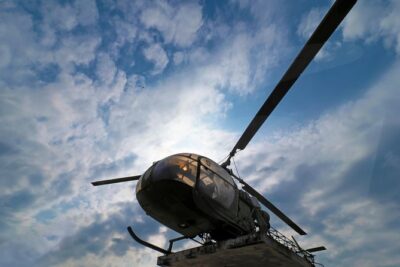
Private Tour: Thai–Burma Death Railway Bridge on the River Kwai from Bangkok
Read our review →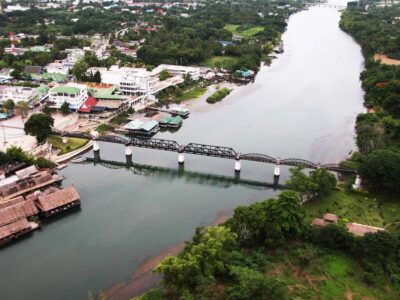
Death Railway & River Kwai Bridge Private Tour
Read our review →
Private Tour: Death Railway, Hellfire Pass and Erawan Waterfall
Read our review →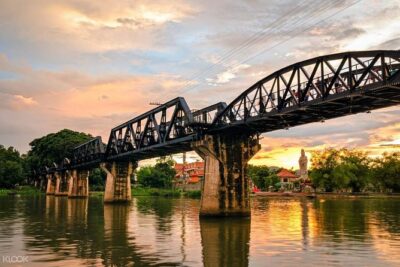
Bridge on the River Kwai and Thailand-Burma Railway Tour
Read our review →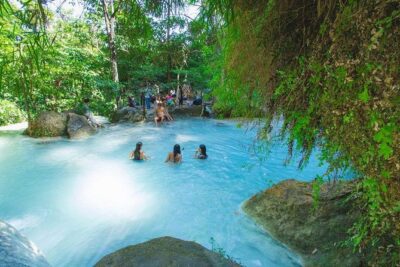
Erawan Waterfalls-Death Railway & River Kwai Tour
Read our review →Browse the lists this tour appears in