
Review · SEOUL
Gyeongju UNESCO Sites Tour by KTX train; The Museum Without walls
Ancient Korea is only one fast train away. This private day trip makes Gyeongju accessible from Seoul without asking you to plan complicated rail connections, local transfers, or site admissions yourself. You travel by KTX, meet an English-speaking guide in Gyeongju, and visit the city’s key Silla-era sights by private vehicle.
I especially like the door-to-door planning, with Seoul-area pickup, train tickets, site admissions, and local transport included. I also like the range of places covered in one day, from royal tombs and an ancient observatory to Bulguksa Temple and Seokguram Grotto. The main drawback is the length: spending eight to nine hours on a Seoul to Gyeongju day trip means a very early start and plenty of time on the road.
The tour costs $470 per person and is private, so the price makes more sense for couples, families, or small groups than for a solo visitor. The current rating is 4.6 from 11 reviews, with 91 percent recommending it. That is a strong result, though the small sample means I would still pay close attention to the long travel day and outdoor weather.
The details that matter most
- KTX from Seoul: Round-trip economic-class train fare is included, with pickup in Seoul areas and help getting to the train.
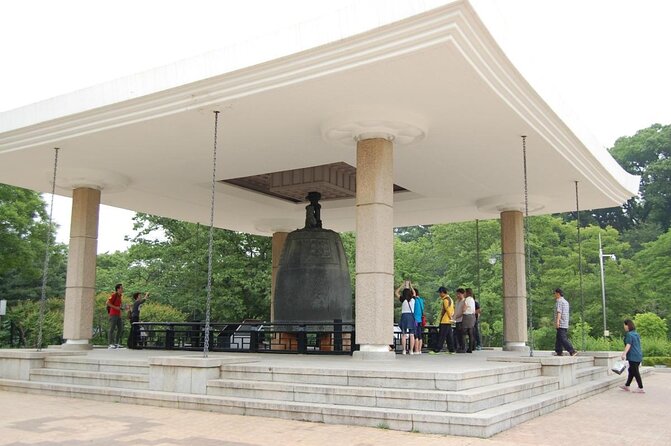
- Six major Gyeongju stops: You visit Cheonmachong Tomb, Gyeongju National Museum, Cheomseongdae Observatory, Donggung Palace and Wolji Pond, Bulguksa Temple, and Seokguram Grotto.
- Private format: Only your group takes part, which allows more flexibility than a large coach tour.
- Silla focus: The day explains the kingdom that ruled much of the Korean Peninsula before Goryeo and Joseon.
- Seokguram requires a hill visit: The grotto sits about 750 meters above sea level, so this is not a flat museum-only day.
- No Seoul hotel drop-off: Pickup is included, but the return transfer to your hotel is not.
Why Gyeongju makes a good break from Seoul
Seoul is Korea’s modern center, but Gyeongju offers a very different pace. It served as the capital of the Silla kingdom for roughly a thousand years, and its historic remains are spread around the city rather than packed into one walled complex.
That is why the nickname museum without walls fits. You move from burial mounds to a stone observatory, then from a palace pond to a Buddhist temple. The sites do not feel like isolated attractions. Together, they show how Silla rulers organized power, religion, science, ceremony, and burial.
I find this kind of day especially useful if you want historical context but have limited time in Korea. Gyeongju is far enough from Seoul that independent planning takes effort, yet the KTX makes the basic journey manageable. The private car then connects sites that are spread across the city and surrounding hills.
The tradeoff is simple: this is a sampling tour, not a slow stay in Gyeongju. You get one hour at each listed stop, which gives you a clear introduction but not much room for lingering, sketching, shopping, or wandering down side streets.
More High-Speed Trains in Seoul:
- Mt Fuji & Hakone Cruise, Drum Show Bullet Train 1 Day from Tokyo
★ 4.0 · 7,413 reviews - Tokyo Mt Fuji 5th St & Hakone Cruise Bus Tour w/Bullet Train
★ 4.4 · 5,024 reviews - Rome to Pompeii Guided Tour with Wine & Lunch by High Speed Train
★ 5.0 · 1,379 reviews
A 7:00 am start and a carefully managed train journey
The day begins at 7:00 am. A local representative picks you up in a private vehicle and helps you reach the station. One account describes the escort waiting with the group and walking them onto the train, while another mentions being taken to the subway station and shown to the correct seats.
That assistance is valuable if you are unfamiliar with Korean rail stations. KTX is efficient, but a morning departure can feel rushed when you are carrying luggage, finding platforms, and reading unfamiliar signs. Having someone handle the station transition removes much of that stress.
The train ride takes about two hours according to the tour feedback. You travel in economic class, and the round-trip fare is included. After arriving in Gyeongju, your local guide meets you at the station and the sightseeing portion begins.
The private arrangement is one of the strongest parts of the package. You are not joining a large bus group, and the vehicle helps you cover both central Gyeongju and the hilltop temple area. The return journey follows the same general pattern, although you should remember that hotel drop-off in Seoul is not included.
Cheonmachong Tomb and Silla burial customs
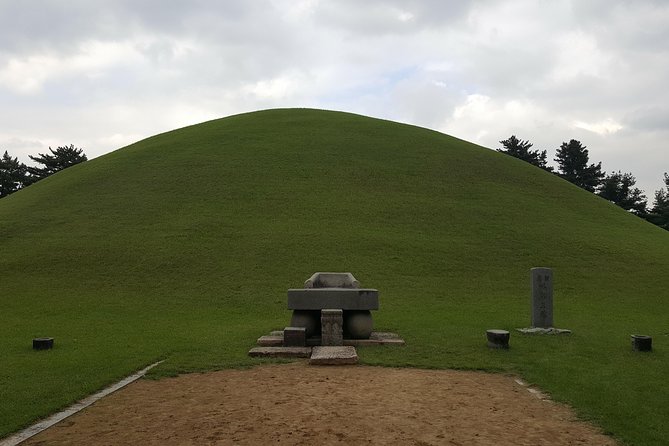
The first stop is Cheonmachong Tomb, within an area containing more than 20 large and small burial mounds from the Silla period. Many are earthen, rounded, and grass-covered, giving the site a calm appearance that can hide its purpose.
These mounds are believed to hold kings and court officials. Cheonmachong is especially useful because you can enter an excavated tomb and see how a royal burial mound worked from the inside. The name refers to a heavenly horse, linked to an important painting found among the burial goods.
You receive about an hour here, including admission. That is enough to understand the tomb structure and walk among the mounds, though the stop may feel brief if archaeology is your main interest.
I like beginning with the tombs because they make the Silla story physical. Instead of starting with dates and palace names, you see the scale of royal power in the earth itself. The broad mounds also offer a gentle first walk after the train ride.
Gyeongju National Museum puts the objects in place
The Gyeongju National Museum is arguably the best single place to understand what you have seen outdoors. Its archaeological hall displays Silla objects, including ceremonial items and other remains from the ancient capital.
The museum is included without an extra admission charge. Your guide can connect the objects to the tombs, temple, and palace pond visited during the day. That connection matters. A gold crown or ritual object means more after you have stood beside the burial mounds where such items were discovered.
You have about an hour here. I would use it to focus on the main archaeological hall rather than trying to see every display. The museum is a strong counterweight to the outdoor stops, particularly if the weather turns wet.
The museum also helps explain why Gyeongju deserves more than a quick photo stop. Its importance is not based only on attractive ruins. The surviving objects show the wealth, craftsmanship, beliefs, and international links of Silla society.
More Museum Visits in Seoul:
- Brussels: Train World Museum Entrance Ticket
★ 4.7 · 524 reviews - London: Postal Museum Entry Ticket and Underground Rail Ride
★ 4.6 · 363 reviews - Brussels Train World Museum Entrance Ticket
★ 4.5 · 220 reviews - From Krakow: Zakopane Tour with Gubalowka Funicular & Museum
★ 4.5 · 80 reviews
Cheomseongdae, where Silla watched the sky
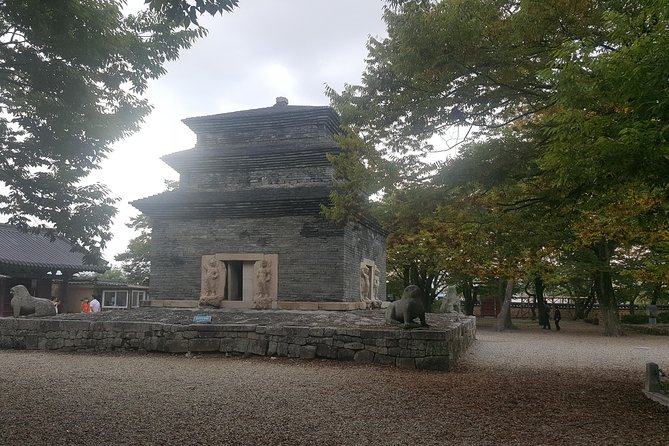
Cheomseongdae means Star Gazing Tower. Built during the reign of Queen Seondeok in 634, it is described as the oldest existing observatory in the Far East. Its structure uses 27 levels of stone arranged in a distinctive bottle-like form.
You spend about an hour in the area, and admission is free. The tower itself is smaller than many first-time visitors expect, so do not judge it only by size. Its value comes from age, design, and what it says about Silla’s interest in astronomy.
In an agricultural and royal society, watching the heavens was not a hobby separated from daily life. Astronomical observations helped rulers mark seasons and support decisions tied to farming and ceremony. Your guide can give the monument meaning that a quick photograph cannot.
This is also one of the easier stops physically. It is outdoors and weather matters, but there is no hill climb like the route to Seokguram. If you visit in rain, the tower remains visible, though the open setting may make the stop less enjoyable.
Donggung Palace and Wolji Pond after dark in history
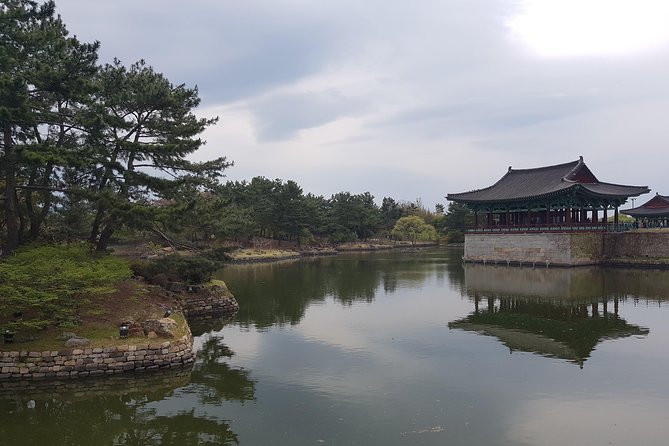
Donggung Palace and Wolji Pond, once called Anapji Pond, was built in 674 after Silla unified much of the Korean Peninsula. The royal complex included a carefully designed pond with small artificial mountains, plants, trees, birds, and animals.
The site is known for its reflected views, especially after dark, but a daytime visit still reveals the planning behind the palace grounds. The pond was not simply decorative water. It was part of a royal setting built for ceremonies, receptions, and leisure.
You receive about an hour here, with admission included. I would pay attention to the relationship between the water, pavilions, and planted areas rather than rushing straight to the best photo position.
This stop adds a softer note to the day. The tombs show death and royal succession. Cheomseongdae shows science and state order. Wolji Pond shows how the court shaped an environment for display and pleasure.
Bulguksa Temple and its famous stone pagodas
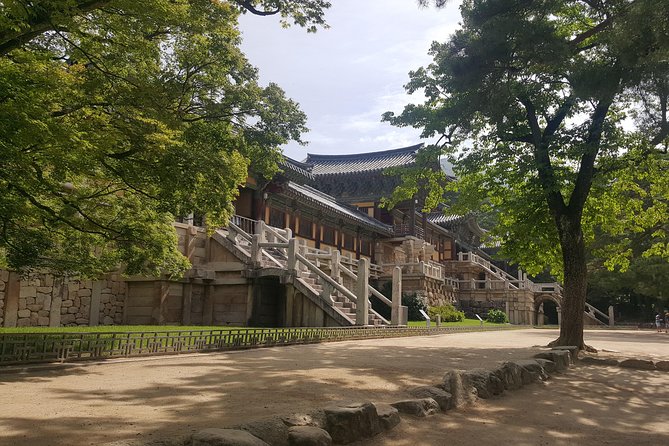
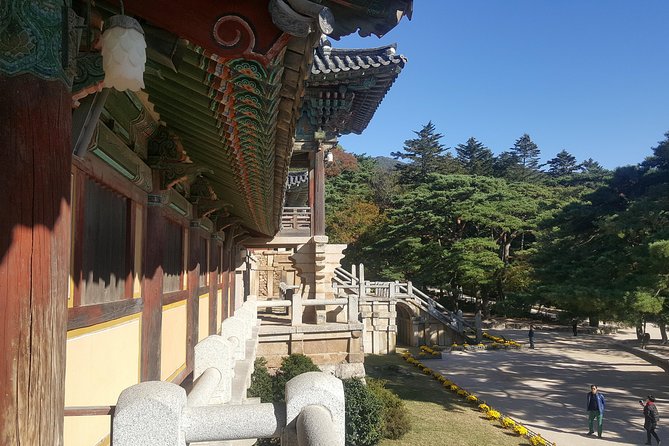
Bulguksa is Korea’s best-known Buddhist temple and one of the day’s major highlights. It contains important Silla-era relics, including the stone pagodas Dabotap and Seokgatap.
The temple is not just a pretty collection of roofs. Its stairs, terraces, gates, pagodas, and courtyards express Buddhist ideas about moving from the ordinary world toward a sacred one. Even if you are not deeply interested in Buddhism, the stonework rewards close attention.
The tour allows about an hour here, with admission included. That is enough for a guided introduction to the principal areas, but the temple deserves patience. If you want long quiet periods for photography or meditation, the schedule may feel tight.
Bulguksa also gives you a chance to compare stone and wood. The pagodas have a plain, lasting weight, while the painted buildings create a more delicate impression. Your guide can explain the Silla period relics and point out details you might otherwise pass without noticing.
Seokguram Grotto and the hill above the East Sea
Seokguram Grotto is a hermitage connected with the Bulguksa temple complex. It sits about 750 meters above sea level and looks toward the East Sea. Inside, the main Buddhist sculpture is considered one of the finest Buddhist works in the world.
This is one of the most memorable stops, but it is also the one that needs the clearest expectations. You are visiting a hillside religious site, not simply stepping into a city museum. The route may feel demanding after several earlier stops, and weather can affect the experience.
The grotto itself is protected, so the viewing arrangement is not the same as walking around an open sculpture hall. Still, the setting matters. The height, the hermitage, and the view toward the sea help explain why this place was chosen.
The tour includes admission and gives you about an hour. I would bring comfortable shoes and keep your schedule flexible in spirit, even though the overall day is set. Rain is a real concern here. One account describes heavy rain making the outdoor portions much less enjoyable, and that is a fair warning for this tour.
What the private format really adds
A private tour gives you more than a smaller number of people. It lets you ask questions about Silla politics, Buddhism, burial customs, or Korean architecture without competing with a busload of strangers.
The local guide names associated with this tour include Jay, Andrew, John, and Dylan. Feedback describes Jay as especially helpful with the historic sites, John as a good storyteller, and Dylan as personable and well informed. Andrew is described as handling the early pickup and train boarding carefully.
English ability can vary by guide. One person found the guide’s accent difficult despite his strong knowledge of Korean history and culture. I would treat that as a useful caution rather than a reason to reject the experience. The tour has received a 4.6 rating, but communication style can affect how much you get from a history-heavy day.
The private format can also make lunch easier. One guide took the group to a small local restaurant, where the portions were generous. Meals are not included, so you should budget separately and understand that the exact restaurant depends on the guide and timing.
Is $470 a fair price?
At $470 per person, this is not a budget day trip. The cost includes Seoul-area pickup, a private vehicle, round-trip KTX economic-class tickets, an English-speaking guide, and all listed admissions. You are paying for coordination as much as for transport.
For two or more people, the value improves because the private service is shared within your group. You also avoid buying separate train tickets, arranging a Gyeongju car, finding the hill route to Seokguram, and working out how to connect six widely spaced sites.
For a solo visitor, the price is harder to justify unless convenience and expert guidance are your top priorities. A longer stay in Gyeongju could offer more time and perhaps lower daily costs, but it would require at least one night away from Seoul.
I see this tour as a premium introduction. It makes sense if you have only one free day, want the main Silla sights, and do not want transport decisions eating up your time. It makes less sense if you dislike early mornings, want a relaxed pace, or are mainly interested in one site.
Who should book this Gyeongju day trip?
I would recommend it most strongly to:
- First-time visitors who want a clear introduction to Silla history.
- Couples, families, and small groups who can share the private-tour cost.
- People who value station assistance and door-to-door planning.
- Museum fans who want historical objects connected to real sites.
- Visitors with one free day from Seoul and no interest in arranging an overnight stay.
I would hesitate if you want to wander slowly, spend hours at the museum, or photograph every temple detail. I would also think twice during a period of poor weather, since several important stops are outdoors and Seokguram is on a hill.
Free cancellation is available if you cancel at least 24 hours before the start time. Changes made inside that window are not accepted, and the tour requires a minimum number of participants even though your booked group is private.
Should you book it?
Book this tour if you want to see the broad story of Silla in one tightly organized day. The combination of KTX travel, private transport, a local guide, and six major sites removes most of the practical friction.
Skip it if the $470 price feels high, or if you would rather spend two slower days in Gyeongju. The biggest question is not the quality of the monuments. It is whether you are comfortable with an early start, a long return day, and only about an hour at each stop.
For history-minded visitors, I think the tour offers a strong first look at Gyeongju. Just pack comfortable shoes, check the forecast, and remember that Seoul hotel drop-off is not part of the deal.
FAQ
How long does the Gyeongju tour take?
The experience lasts approximately eight to nine hours.
What time does the tour start?
The stated start time is 7:00 am.
Is hotel pickup included?
Yes. Hotel pickup is offered in Seoul areas.
Is hotel drop-off in Seoul included?
No. Hotel drop-off service in Seoul is not included.
Are KTX train tickets included?
Yes. Round-trip KTX economic-class fare is included.
Is transportation within Gyeongju included?
Yes. Round-trip transfer service by private vehicle is included.
Which attractions are included?
The tour visits Cheonmachong Tomb, Gyeongju National Museum, Cheomseongdae Observatory, Donggung Palace and Wolji Pond, Bulguksa Temple, and Seokguram.
Are admission fees included?
Yes. Admission fees to the listed tourist sites are included.
Is the tour private?
Yes. Only your group participates in the private tour.
Just added around Seoul
- Special Private Tour Nami Island, Rail Bike, Petite France★ 5.0 · 42 reviews
- Nami Island & Petite France & Italian Village & Gangchon Rail Bike One-Day Tour★ 4.5 · 52 reviews
- Scenic Escape: Nami Island, Garden of Morning Calm, and Rail Bike★ 3.0 · 2 reviews
- Eobi+Nami+Hanbok Tour with Rail Bike or Strawberry Option★ 5.0 · 10 reviews
- Eobi Ice Valley, Nami Island, Morning Calm and Rail Bike Seoul★ 5.0 · 9 reviews
- Private Tour Rail Bike & Nami Island & (Petite France or Garden of Morning Calm)★ 4.5 · 13 reviews
- Day Tour to Gangchon Rail Bike Nami Island and Petite France★ 5.0 · 7 reviews
- Nami Island Trip with Petite France & Italian Village and Gangchon Rail Bike★ 4.5 · 41 reviews
High-Speed and Bullet Trains, compared.
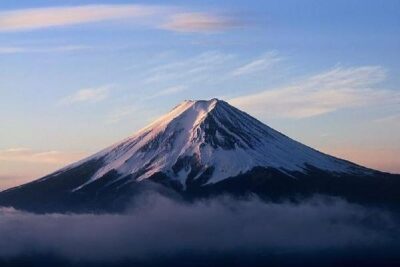
Mt Fuji & Hakone Cruise, Drum Show Bullet Train 1 Day from Tokyo
Read our review →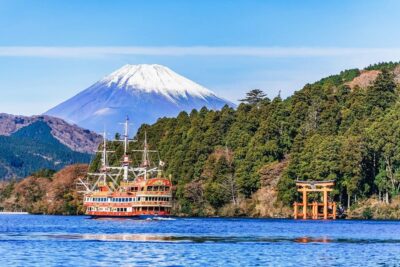
Tokyo Mt Fuji 5th St & Hakone Cruise Bus Tour w/Bullet Train
Read our review →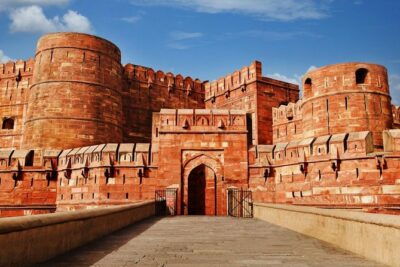
Taj Mahal & Agra Tour by Gatimaan Express Train
Read our review →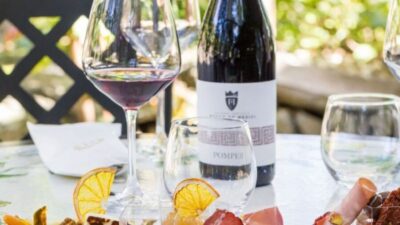
Pompeii Tour with Wine and Lunch by High Speed Train
Read our review →
Venice Day Trip from Rome by High-Speed Train with Happy Hour
Read our review →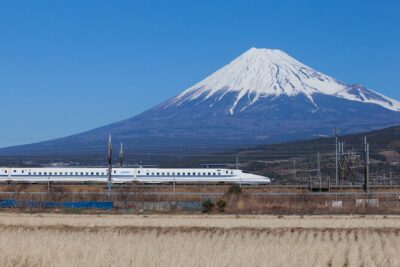
Mt. Fuji and Hakone Day Trip From Tokyo with Bullet Train Option
Read our review →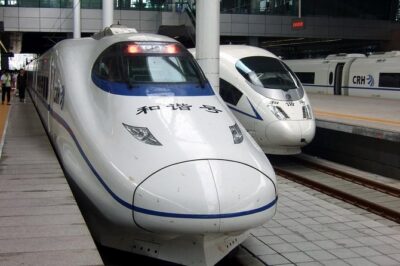
Suzhou Private Day Trip from Shanghai with Bullet Train Option
Read our review →
Browse the lists this tour appears in