
Review · CUSCO
Inca Trail 4 Day Adventure to Machu Picchu with Panoramic Train
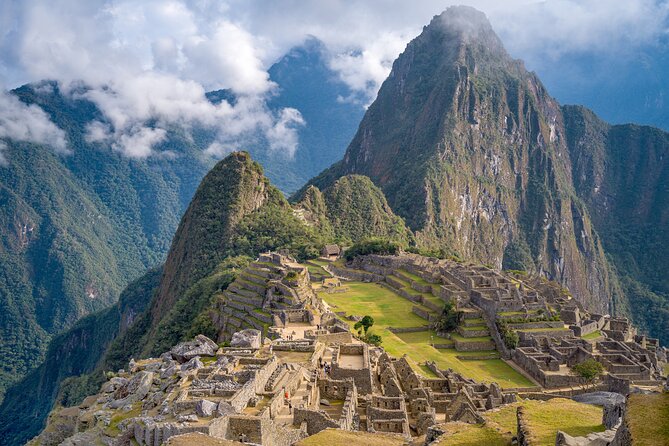
The classic route earns its reputation. This four-day Inca Trail trek combines high mountain passes, Inca ruins, cloud forest, and a final arrival at Machu Picchu through the Sun Gate. I especially like the strong local focus, with guides, cooks, and porters based in Peru, and the care given to community projects such as school supplies for children in remote areas.
I also like how much is bundled into the $950 price: permits, park entrances, transport, camping gear, meals, porters, and a bilingual guide. The main caution is the physical demand. Day two reaches 4,200 meters, and the early starts, stone steps, and four days of walking are not a casual stroll.
At a glance: what matters most
- Reach Machu Picchu through the Sun Gate: You enter the citadel after walking directly along the classic Inca Trail, rather than arriving only by train.
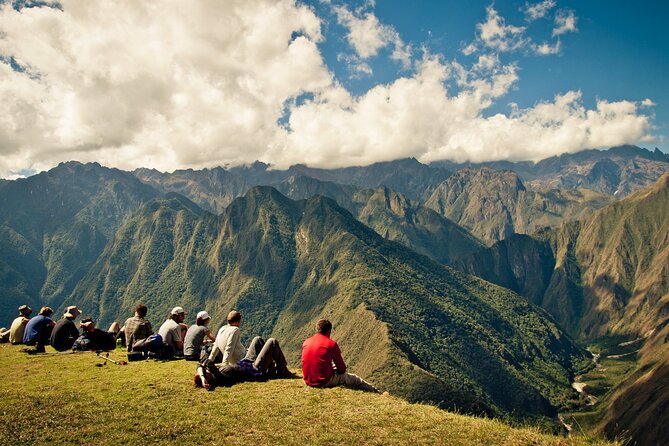
- Tackle Dead Woman’s Pass at 4,200 meters: Day two is the hardest section, with about eight hours of hiking and major altitude gain.
- Sleep in four-season tents: Two trekkers share each tent, while porters carry camping and kitchen equipment.
- Eat three cooked meals a day: A professional cook prepares buffet-style food, with vegetarian, vegan, and pescetarian choices available.
- Travel with a small group: The maximum group size is 16 people, giving the trip a more personal feel than a large coach excursion.
- Support a Peruvian operator: The company says it directs resources toward education and quality of life in remote communities.
Why the four-day Inca Trail still feels special
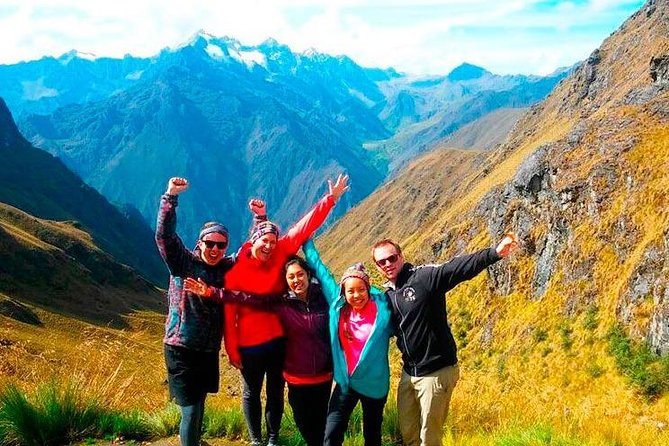
The Inca Trail is not simply a walking route to a famous ruin. It is a carefully built stone path linking mountain settlements, ceremonial sites, terraces, tunnels, and viewpoints. The reward comes in stages, not just at Machu Picchu.
This version is operated by a 100 percent local Peruvian company. That matters if you want your money to remain closer to the people who live and work in the region. The company also supports children in remote communities with books, notebooks, pencils, and other school supplies. I would not book a trek on charity claims alone, but this local connection adds meaning to an already worthwhile route.
The high rating of 4.9 from 34 listed ratings, along with a 97 percent recommendation rate, fits the strongest pattern in the feedback: guides who take care of the group, porters who work hard, and cooks who serve surprisingly good meals in camp. Guide names that come up repeatedly include Paulo, Raul, Wuilber, and Robert. Paulo receives particular praise for setting a steady pace for families and explaining Quechua culture and Inca sites with care.
There is one important limit. The trip is described as requiring moderate physical fitness, but that phrase understates the challenge for some people. You will walk six to eight hours on several days, climb to 13,780 feet, and sleep in tents. You do not need to be an athlete, but you should be comfortable with sustained uphill and downhill walking.
More Machu Picchu Train Tours in Cusco:
- Cusco: Machu Picchu 2-Day Inca Trail with Panoramic Train
★ 4.9 · 260 reviews - The First Class Machu Picchu Train by Inca Rail
★ 4.0 · 182 reviews - Excursion to the Sacred Valley and Machu Picchu by Panoramic Train
★ 5.0 · 45 reviews
Day one: Ollantaytambo, Patallacta, and the first camp
Pickup begins around 5:00 a.m. from accommodation in Cusco, Urubamba, or Ollantaytambo. That early departure helps the group reach Piskacucho, also called kilometer 82, where the classic trail begins.
The first stop is Ollantaytambo. You can buy last-minute equipment and personal items here, and you can order breakfast at a local restaurant. This is useful, but do not treat Ollantaytambo as a full shopping plan. The stop is brief, so bring most of what you need before leaving your hotel.
From Piskacucho, the route takes about six to seven hours on foot. The first major archaeological site is Patallacta, reached after roughly two hours. Its terraces and stone remains make an excellent opening lesson in how the Inca used steep mountain country. Your guide explains the site before the trail continues toward lunch.
After a buffet lunch and short rest, you walk another two and a half to three hours to the first camp. The day is long enough to test your legs, but it is also a sensible introduction to the route. You get a chance to learn how your guide sets the pace, how camp works, and how much water and clothing you really need.
The porters carry the camping and kitchen equipment, which makes a large difference. You still need a daypack for your personal items, but you are not expected to haul tents, tables, chairs, or cooking supplies over the pass.
Day two: the hard climb to Dead Woman’s Pass
Day two is the trip’s main physical test. You wake early for coca tea, offered as a greeting to the mountains, followed by breakfast and a long climb toward Warmiwañusca, better known as Dead Woman’s Pass.
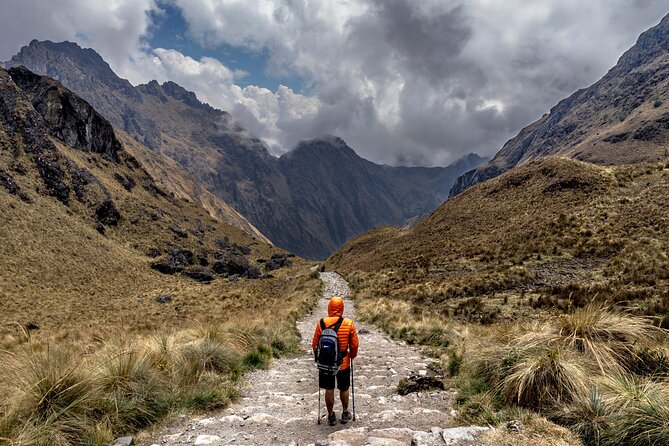
The pass reaches 4,200 meters, or 13,780 feet. The ascent is difficult because of both the steep path and the thin air. The itinerary allows about eight hours for the day, making this the longest and toughest section of the trek for most people.
The route passes through several ecological zones and changing microclimates. You might begin in cold mountain air, warm up during the climb, then need a jacket again at the pass. Pack layers that are easy to remove and put back on. Gloves, a warm hat, rain protection, and sun protection all have a place in your daypack.
After a rest at the pass, the trail drops toward the Pacaymayu Valley. Downhill walking sounds easier, but steep stone steps can be hard on knees and ankles. Trekking poles are available to rent for $20, and I would seriously consider them if you have any concern about balance or joint strain.
This is the day when a guide’s judgment matters most. The feedback gives Paulo and other guides credit for adjusting the pace to the group instead of racing ahead. That is especially important for families and mixed-ability groups. A guide who keeps everyone together turns a hard day into a shared accomplishment rather than a private struggle.
Altitude can affect anyone, regardless of fitness. The supplied information does not promise a specific altitude program, so you should ask the operator about acclimatization before booking. The itinerary does include a first-aid kit and an oxygen cylinder, but those supplies do not remove the need to take the climb seriously.
Day three: Phuyupatamarca and Wiñay Wayna
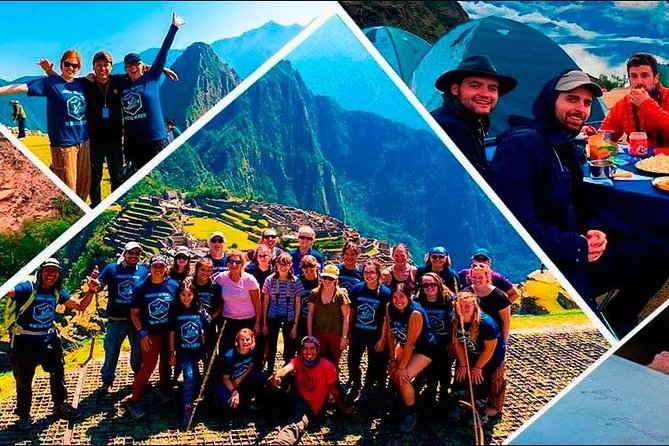
Day three is often considered the prettiest section of the trail. You begin with an early breakfast, then walk for about two hours along a relatively level stretch known as the Inca Flat.
The route reaches Phuyupatamarca, or Town in the Clouds, at about 3,650 meters. From here, you can see the Salkantay snow-covered mountain and the Vilcabamba range. The combination of stonework, high passes, and distant peaks gives this day a different character from the demanding climb of day two.
The trail then enters cloud forest. Small streams and waterfalls appear beside vegetation such as palms, orchids, and bromeliads. Parrots and parakeets may be seen, though wildlife sightings are never guaranteed. This change from cold high country to a more tropical setting is one reason the four-day route feels so varied.
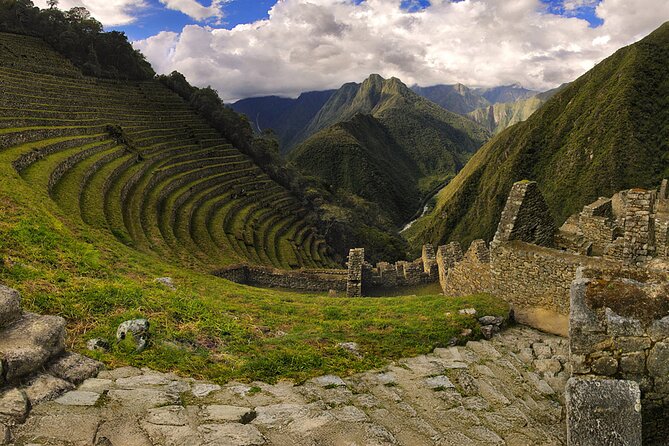
After lunch, the walk continues to Wiñay Wayna, one of the most memorable archaeological sites on the trail. The terraces and stone buildings cling to a steep slope, and the setting makes clear how carefully the Inca shaped this route.
The day covers about six hours, so it is easier than day two in terms of time, though the stone steps still demand attention. A good guide adds value here by explaining the purpose of the sites rather than simply pointing out walls. The strongest feedback about Raul and Paulo focuses on their explanations of Inca beliefs, Quechua culture, and the meaning of the archaeological remains.
Camp arrangements also matter on day three. The operator supplies four-season tents, mattresses, a kitchen tent, portable chairs, and a table. Two trekkers share each tent. The equipment is practical rather than luxurious, and one negative experience specifically raised concerns about tent dimensions for a very tall person. If you are close to two meters tall, confirm the actual sleeping space before paying.
More Scenic Railways in Cusco:
- Private Machu Picchu Day Tour by Panoramic Train
★ 5.0 · 32 reviews - Cusco: 4-Day Lares Trek to Machu Picchu with Panoramic Train
★ 4.9 · 20 reviews - Cusco: 4-Day Salkantay Trek to Machu Picchu, Panoramic Train
★ 4.3 · 17 reviews - 2-Day Inca Trail Hike to Machu Picchu & Panoramic Train
★ 4.7 · 7 reviews
Day four: entering Machu Picchu through the Sun Gate
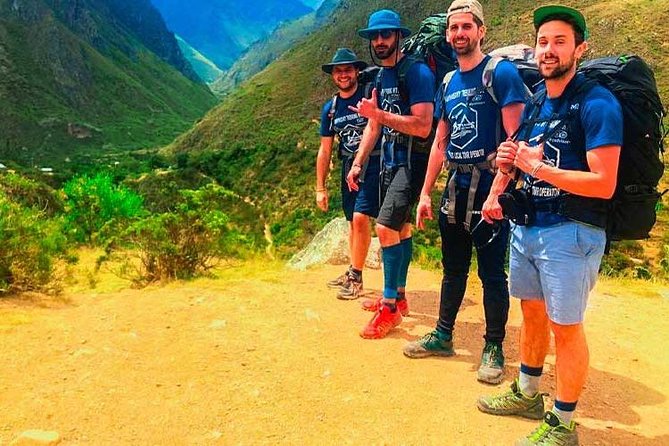
The final morning begins early. After breakfast, you say goodbye to the porters and cook, then walk toward Machu Picchu.
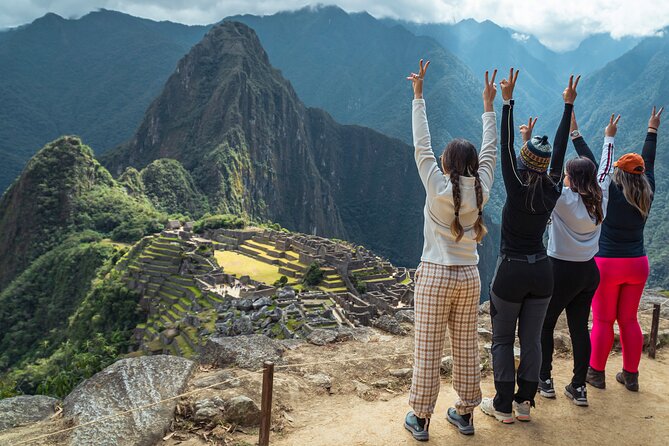
The first major reward is Inti Punku, the Sun Gate. This is where the classic trail delivers its most dramatic arrival, with a panoramic view toward the citadel. Weather can affect visibility, but the approach still feels more meaningful than arriving by bus and walking straight into the site.
At Machu Picchu, your guide provides about two hours of explanation around key places, including the Temple of the Sun, the Temple of the Water, and the Temple of the Moon. The exact route inside the citadel can depend on current regulations and the entrance circuit, so treat the listed sites as the intended focus rather than a guarantee of every location.
After the guided visit, you have time to explore on your own and take photographs. This balance works well. You receive context first, then some freedom to look at the stones, terraces, and mountain views at your own pace.
Huayna Picchu is optional and costs extra. The listed duration is about two hours, but the mountain entrance is separate from the main Machu Picchu visit. If you want to add it, confirm availability and the additional price before departure.
At the end of the day, the included return arrangement is a tourist train from Aguas Calientes to Ollantaytambo, followed by private transport to Cusco. The bus from Machu Picchu down to Aguas Calientes is not included and costs $12. The Vistadome train is also an extra upgrade, so check exactly which train service your booking includes. The title refers to a panoramic train, while the inclusions describe a tourist train.
What the $950 price really covers
At $950, this is not a budget hike, but the price includes the expensive and complicated parts of the Inca Trail. You receive:
- Inca Trail permits and entrances
- Machu Picchu admission
- A bilingual certified guide
- Private transport to the trailhead
- Pickup from Cusco, Urubamba, or Ollantaytambo
- Porters for camping and kitchen equipment
- Four-season tents and mattresses
- A kitchen tent, chairs, and table
- Three breakfasts, lunches, and dinners during the trek
- A professional cook
- Daily snacks and boiled drinking water
- Return tourist train to Ollantaytambo
- Private transport from Ollantaytambo to Cusco
- First-aid supplies and an oxygen cylinder
- A briefing before the trek
- A souvenir T-shirt
The meals are served buffet-style, and the operator accepts vegetarian, vegan, and pescetarian preferences. That is useful on a four-day route, since you cannot simply stop at a shop whenever you feel hungry.
You still need to budget for your first breakfast, your final lunch and dinner, bottled mineral water if you want it, the $12 bus, sleeping bag rental at $20, trekking pole rental at $20, and tips. Tips are not required, but they are welcome. I would also keep a small reserve for snacks or supplies at campsites.
The price is strongest for anyone who values an organized trip and does not want to arrange permits, porters, food, trains, and transfers separately. The value is less clear if you already own camping equipment and prefer to carry your own supplies, though the permit and transport costs still make independent planning difficult on this route.
Food, camping, and the working team
A professional cook prepares three meals each day on the trail. The buffet format gives you a chance to take more or less food according to the day’s effort. The available dietary choices are a real advantage, but state your needs clearly before departure rather than waiting until camp.
Boiled water is provided for drinking. Bottled mineral water can be purchased at some campsites, but it costs extra. Bring a reusable bottle or hydration system, and do not count on buying all your water along the route.
The porters carry tents and kitchen equipment, while the cook handles the meals. Feedback repeatedly praises the porters’ effort and the overall support from the team. That labor is a major part of what you are paying for, so pack lightly and treat the staff with respect.
The maximum group size is 16. That is large enough to create a social atmosphere but small enough for a guide to keep track of the group. Some bookings may be private or smaller, but the provided details do not promise a private departure.
Who should book this trek?
I would recommend this trip to you if you want the full classic Inca Trail experience and prefer to have the practical details handled for you. It suits hikers with moderate fitness who can manage long days, steep steps, altitude, and basic camping.
Families can also do it, provided everyone understands the effort involved. Paulo is praised for setting a pace that worked for children and adults, rather than forcing the group to match a fast guide’s speed.
I would hesitate if you dislike early mornings, shared tents, or changing weather. I would also think twice if you have not spent time at altitude and are unwilling to prepare properly. The operator requires a current passport on the day of travel, and confirmation depends on availability, so keep your documents and dates in order.
The non-refundable cancellation policy deserves attention before you pay. If you cancel or request a change, the amount paid is not refunded. That is common for permit-based treks, but it makes travel insurance and careful date planning especially important.
Should you book the four-day Inca Trail?
Book it if you want a locally operated trek with a strong support team, real archaeological stops, cooked camp meals, and the satisfaction of walking into Machu Picchu through the Sun Gate. The guide quality, porters, food, and family-friendly pacing are the strongest reasons to choose it.
Before paying, confirm the exact train service, tent size, Huayna Picchu availability, and all extra costs. If you are ready for the eight-hour pass day and four nights of practical mountain travel, $950 represents solid value. If you want a soft adventure with easy walking, choose another way to reach Machu Picchu.
FAQ
How long is the Inca Trail tour?
The tour lasts approximately four days and includes three nights of camping.
Where does pickup take place?
Pickup is offered from accommodation in Cusco, Urubamba, or Ollantaytambo.
What time does pickup begin on day one?
Pickup begins at approximately 5:00 a.m.
How large can the group be?
The maximum group size is 16 people.
How high is Dead Woman’s Pass?
Warmiwañusca, or Dead Woman’s Pass, reaches 4,200 meters, or 13,780 feet, above sea level.
How many hours do you walk each day?
The listed walking times are about six to seven hours on day one, eight hours on day two, six hours on day three, and five hours on day four.
Are meals included?
Three breakfasts, three lunches, and three dinners are included during the trek. The first breakfast and the final lunch and dinner are not included.
Can dietary preferences be accommodated?
Vegetarian, vegan, and pescetarian meals are available.
Is a sleeping bag included?
No. A professional sleeping bag can be rented for $20.
Is Huayna Picchu included?
No. Huayna Picchu is optional, costs extra, and takes about two hours.
Is the bus from Machu Picchu to Aguas Calientes included?
No. The bus costs $12.
Is the Vistadome train included?
No. The included service is described as a tourist train to Ollantaytambo. The Vistadome train requires an additional upgrade.
More Four-Day Trips in Cusco
- 4-Day Isle of Skye & Jacobite Steam Train (train ride included)
★ 5.0 · 82 reviews - 4-Day Cork, Ring of Kerry, Dingle, Cliffs of Moher and Galway Bay Rail Tour
★ 4.5 · 48 reviews - Borobudur & Prambanan in Yogyakarta, train to Malang, hike Bromo & Ijen // 4D3N
★ 5.0 · 18 reviews - 4 Days Nile cruise luxor, Aswan,Hot air balloon&abu simbel with Train from Cairo
★ 4.5 · 12 reviews
Just added around Cusco
- Private Machu Picchu Day Tour by Panoramic Train★ 5.0 · 32 reviews
- Excursion to MachuPicchu with Train Vistadome Full Day★ 4.5 · 31 reviews
- Belmond Hiram Bingham Train to Machupicchu – Full Day★ 4.5 · 33 reviews
- From Cusco: Machu Picchu Private Day Trip on Panoramic Train★ 5.0 · 6 reviews
- Excursion Cusco – Puno – Titicaca Observatory Train★ 5.0 · 3 reviews
- Cusco: 4-Day Lares Trek to Machu Picchu with Panoramic Train★ 4.9 · 20 reviews
- Cusco: 4-Day Salkantay Trek to Machu Picchu, Panoramic Train★ 4.3 · 17 reviews
- 2-Day Inca Trail Hike to Machu Picchu & Panoramic Train★ 4.7 · 7 reviews
Scenic Railways, compared.
Lake Como Cruise, St. Moritz & Bernina Red Train
Read our review →
Self-Guided Kuranda Trip with Train and Skyrail
Read our review →
Bernina Red Train, Swiss Alps & St Moritz From Milan
Read our review →
Swiss Alps Bernina Red Train and St.Moritz Tour from Milan
Read our review →
Milan to St. Moritz: Scenic Bernina Train Tour with Guide
Read our review →
Bernina Train, Swiss Alps & St. Moritz Day Trip
Read our review →Browse the lists this tour appears in