
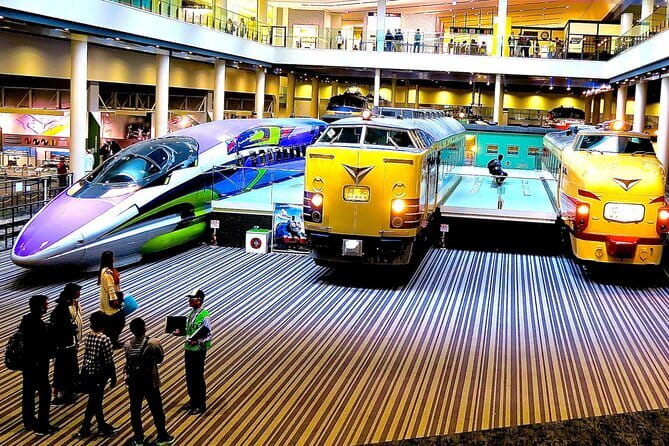
Review · KYOTO
Kyoto Railway Museum Advance Tickets
Trains tell Japan’s story. At Kyoto Railway Museum, you can see that story in full size, from polished Shinkansen cars to powerful steam locomotives and working railway equipment. I especially like the museum’s 53 preserved rail cars and its hands-on approach, summed up by the theme Look, Touch, and Experience. The large diorama and short train ride are two highlights that can turn a quick stop into a rewarding visit.
I also like the simple online admission plan. At $18.50 per person, you pay for entry and avoid dealing with admission on the day. The main caution is time: two hours may be enough for a brisk visit, but train fans can easily spend much longer here. One visitor planned less time and ended up recommending a full day, largely because of the diorama and train ride.
Key points before you go
- Fifty-three historic rail cars range from steam locomotives to Shinkansen bullet trains.
- The large railway diorama is one of the museum’s most memorable displays and deserves more than a quick glance.
- A conductor training simulator adds hands-on fun beyond static exhibits.
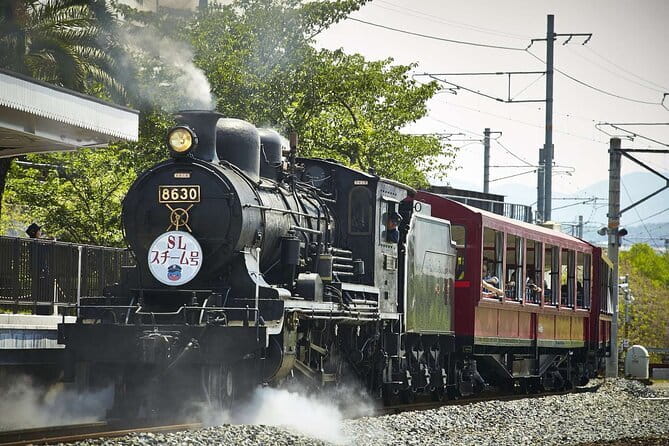
- A short SL steam train ride is available for an extra ticket bought at the museum.
- Umekoji-Kyotonishi Station is about a two-minute walk away, making the museum easy to reach by rail.
- A two-hour visit is only a starting point, especially if you enjoy technical displays or want time for the diorama and train ride.
Entering a working story of Japanese rail travel
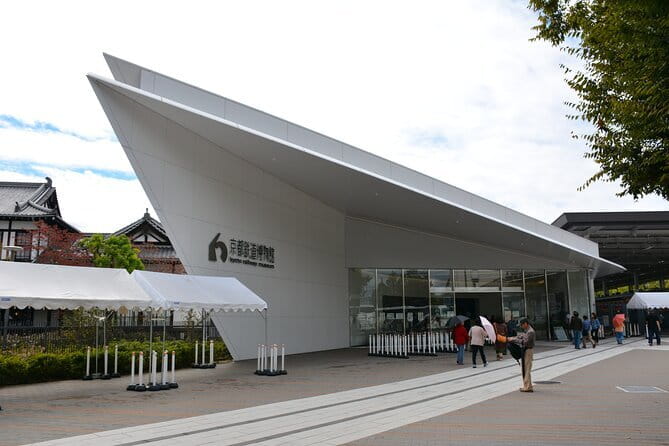
The Kyoto Railway Museum is in Shimogyo-ku, Kyoto, and its collection covers the machinery that helped modernize Japan. This is not only a museum of old trains. It shows how railway technology changed over time, with steam power, traditional passenger cars, and high-speed Shinkansen trains all represented in one place.
The collection includes 53 cars that played an important role in Japan’s railway development. You may see preserved rolling stock from very different eras, which makes the visit useful even if you are not a serious railway enthusiast. The scale helps. A photograph or model can explain a train, but walking beside a full-size locomotive gives you a much clearer sense of its size and engineering.
I like that the museum presents rail travel as something you can examine from several angles. You can look closely at the cars, touch selected hands-on exhibits, and take part in interactive activities. That fits the museum’s Look, Touch, and Experience theme better than a collection where everything sits behind glass.
The museum’s collection list is available in Japanese, so you may want to use a translation tool if you are interested in identifying each car. Even without reading every label, the broad progression from steam locomotives to Shinkansen trains is easy to follow.
More Railway Museums in Japan:
- Kyoto Railway Museum Admission Ticket
★ 4.3 · 23 reviews - Skip the Line: Historic RailPark and Train Museum Ticket with Guided Tour
★ 4.5 · 59 reviews - Prague: Railway Kingdom Giant Model Railway Museum
★ 4.4 · 54 reviews
Why the 53-car collection deserves your time
The preserved cars are the main reason to visit. Steam locomotives give you a sense of the railway’s early mechanical power, while the Shinkansen cars show Japan’s later focus on speed and precision. Seeing both in one visit provides a useful contrast.
I would not rush through the cars simply to say you saw them. Take time to notice how different each type looks and feels. The older locomotives have a heavy, exposed mechanical character. The bullet trains are smoother and more streamlined. Together, they show that modernization was not one sudden change. It came through many stages of design and engineering.
The collection also gives you something that a general transportation exhibit cannot: scale. You can compare the height, width, and shape of the cars directly. For families, that physical scale helps children understand what a train really is. For adults, it gives context to Japan’s reputation for careful railway design.
Because the museum includes both famous and less familiar rail equipment, I would allow extra time if trains are a major interest. The basic visit is listed at about two hours, but the collection alone can fill that period if you read the displays and inspect the cars carefully.
The diorama is the museum’s big crowd-pleaser
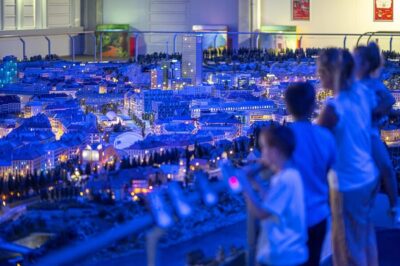
The large railway diorama is one of the strongest reasons not to treat this as a quick photo stop. It brings together the movement and organization of a railway system in miniature, giving you a different view from the full-size cars outside or in the main display areas.
I like the diorama because it shifts your attention from one train to the whole railway. Instead of studying a single locomotive, you can watch how a network works as a complete system. It is especially useful if you are visiting with children, but adults who enjoy rail operations should also plan to spend time here.
The diorama is one reason I would not promise yourself that two hours will be enough. If you are trying to see every car, spend time with the interactive exhibits, and enjoy the miniature railway scene, your schedule can stretch quickly. Build in flexibility rather than treating the museum as a fixed two-hour appointment.
No specific presentation schedule is provided, so check the museum’s current information when you arrive if timing matters to you. The important point is simple: do not save the diorama for the final few minutes.
Hands-on exhibits make the visit more than a train display
The museum’s interactive approach is a real advantage. You are not limited to reading signs and viewing parked cars. The conductor training simulators give you a chance to see how railway work is presented in a practical setting.
A simulator cannot replace operating a real train, of course, but it changes the rhythm of the visit. After examining preserved cars, you can move into an activity that asks you to pay attention and take part. That variety matters during a family visit, especially if not everyone in your group is equally interested in rail equipment.
The hands-on elements also explain why the museum can suit a broad audience. A dedicated train fan may focus on the cars and technical details. A casual visitor can enjoy the simulator, the diorama, and the visual scale without needing a specialist background.
I would think of the museum as an experience with different levels of depth. You can make a quick circuit in two hours, or spend much longer studying the collection and trying the interactive displays. Your interests will determine how much value you get from the ticket.
More Museum Visits in Japan:
- Guided Half-day Tour(PM) to Toyota Commemorative Museum & SCMAGLEV Railway Park
★ 5.0 · 3 reviews - Brussels: Train World Museum Entrance Ticket
★ 4.7 · 524 reviews - London: Postal Museum Entry Ticket and Underground Rail Ride
★ 4.6 · 363 reviews - Brussels Train World Museum Entrance Ticket
★ 4.5 · 220 reviews
The SL steam train ride costs extra

The short SL steam train ride is another strong feature, but it is not included in admission. If you want to ride it, you purchase a separate ticket at the museum.
That extra cost is worth considering before you arrive. The main ticket gives you access to the museum and its exhibits, while the steam train ride is an optional add-on. This arrangement lets you keep the basic visit at a reasonable price, but you should budget separately if the ride is important to you.
I would decide based on your priorities. If you simply want to see the collection, the admission ticket may be enough. If you want a short ride behind a steam locomotive, plan to buy the additional ticket on-site and leave room in your schedule.
The ride also helps explain why the museum can take longer than expected. A two-hour plan that includes the collection, diorama, simulator, and SL ride may feel rushed. For a relaxed visit, give yourself more time than the listed average.
Getting there takes little effort

The museum is about a two-minute walk from Umekoji-Kyotonishi Station on the JR Sagano Line. That is a major practical benefit, particularly if you are fitting the museum into a busy Kyoto day.
A nearby rail connection means you do not need to build a complicated arrival plan around the visit. The museum is also near public transportation more generally, so you can combine it with other Kyoto sightseeing without treating it as an isolated outing.
The easy access makes advance tickets more useful. You can arrange admission before leaving for the museum, then make the short walk from the station without spending extra time handling entry details. The online ticket is admission only, so personal expenses and any extra activities remain your responsibility.
The museum is open from 10:00 a.m. to 5:00 p.m. The stated operating period covers April 8, 2023 through June 17, 2026, with opening hours listed for every day of the week. Check the current schedule close to your visit in case operating details change.
Is $18.50 a fair price?
At $18.50 per person, the ticket offers solid value if you plan to spend at least a few hours inside. You are paying for access to a large collection of full-size historic cars, interactive exhibits, the conductor simulators, and the diorama. That is more substantial than a small transport display that takes half an hour.
The value is strongest for people who enjoy trains, engineering, Japanese technology, or hands-on museums. Families may also find the ticket worthwhile because the experience offers several types of activity rather than one long row of objects.
The value is less certain if you have only a short gap in your Kyoto schedule and do not care much about railways. The museum is easy to reach, but a rushed visit could leave you seeing only a fraction of the collection. In that case, the ticket is still convenient, but the experience may not justify giving up other Kyoto plans.
Since the average booking time is 34 days in advance, planning ahead is common. I would reserve early if your Kyoto dates are fixed, especially if the museum is an important part of your schedule. The ticket includes the museum admission, but not food, personal spending, or the optional SL train ride.
Food, smoking, and family details
Eating and drinking are not allowed in the exhibit rooms. You can use the restaurant, rest areas, or courtyard instead, and you may bring your own food and beverages into the courtyard.
This rule is easy to manage if you plan a break rather than trying to snack while moving between exhibits. It also gives you a natural pause during a longer visit. If you expect to stay several hours, carry food or plan to use the available eating areas.
Smoking is prohibited inside all buildings. There are two designated outdoor smoking areas, but there are no cigarette vending machines within the facility.
Strollers may be brought into the museum. Steerable toys such as tricycles and bicycles are not allowed. Those rules matter for families, so bring a stroller if needed, but leave riding toys behind.
The museum is near public transportation, and most people can participate. No special group-size restriction is provided, so you should focus your planning on arrival time, the museum’s opening hours, and how much time you want for the diorama and optional ride.
Who will enjoy this museum most?
I would recommend the Kyoto Railway Museum most strongly to:
- Families looking for an indoor activity with hands-on exhibits
- Train enthusiasts interested in steam locomotives and Shinkansen cars
- Visitors curious about Japan’s modernization through railway technology
- Anyone who enjoys large machines, engineering, and transport systems
- People who want an easy-to-reach Kyoto attraction near a JR station
You do not need to know the difference between every locomotive class to enjoy the visit. The full-size cars, the diorama, and the simulator provide enough visual interest for a casual visit.
I would be more cautious if your Kyoto schedule is already crowded or if you want only a quick stop. The museum rewards time, and the strongest parts are not limited to a single famous exhibit. A hurried visit may feel incomplete.
Cancellation and advance planning
Free cancellation is available if you cancel at least 24 hours before the experience start time. Changes or cancellations made less than 24 hours before the start time are not accepted, and the amount paid will not be refunded.
The cut-off uses local time. The experience also requires good weather. If it is canceled because of poor weather, you will be offered another date or a full refund.
For planning, I would book once your Kyoto itinerary is settled, but keep the cancellation deadline in mind. Advance tickets make arrival easier, yet they do not replace checking the museum’s current opening information before you go.
Should you book the Kyoto Railway Museum?
Book it if you like trains, large machines, Japanese technology, or museums that let you do more than read labels. The 53-car collection gives the visit real substance, while the diorama and conductor simulator add variety. The optional SL ride gives train fans one more reason to allow extra time.
At $18.50, I think the ticket is a good buy for a planned half-day visit. I would not force it into a one-hour gap. Give yourself at least the suggested two hours, and more if you want the diorama, interactive displays, and steam train ride without rushing.
The best practical plan is simple: reserve ahead, arrive by the JR Sagano Line, walk the two minutes from Umekoji-Kyotonishi Station, and treat the museum as more than a quick photo stop. If that sounds like your kind of afternoon, book it. If you have little interest in railways and a packed Kyoto schedule, spend your time elsewhere.
FAQ
How much does admission to the Kyoto Railway Museum cost?
The advance ticket costs $18.50 per person and includes museum admission.
How long does a visit usually take?
The experience is listed as approximately two hours. You may need longer if you want to study the rail cars, see the diorama, use the simulators, and take the optional SL train ride.
Is the SL steam train ride included?
No. The SL steam train ride requires a separate ticket, which you can purchase at the museum.
How do I reach the museum by train?
The museum is about a two-minute walk from Umekoji-Kyotonishi Station on the JR Sagano Line.
Can I bring food and drinks?
Food and drinks are prohibited in the exhibit rooms. You may eat and drink in the restaurant, rest areas, or courtyard, where you may also bring your own food and beverages.
Can I cancel my ticket for a refund?
Yes, you can cancel for a full refund up to 24 hours before the experience start time. Cancellations or changes made less than 24 hours before the start time are not accepted.
Just added around Japan
- Train in Samurai Swordsmanship and Defeat the Demon in Tokyo★ 5.0 · 5 reviews
- Private tour with Yasushi and Yoko – by car, train, on foot★ 5.0 · 2 reviews
- Mt Fuji & Hakone Private Tour from Tokyo: Return by Bullet Train★ 5.0 · 22 reviews
- Bullet Train Experience & Mishima Shrine Private Tour from Tokyo★ 5.0 · 9 reviews
- Tokyo-Izu: Volcano, Ocean& Capybara Cuddle with Izu Scenic Train★ 3.5 · 3 reviews
- Bullet Train and Mt. Fuji Famous Food Tour★ 5.0 · 4 reviews
- 3-Day Private Tokyo and Nagano: Snow Monkeys, Tsukiji Market and Bullet Train★ 5.0 · 2 reviews
- Guided Half-day Tour(PM) to Toyota Commemorative Museum & SCMAGLEV Railway Park★ 5.0 · 3 reviews
Railway Museums, compared.
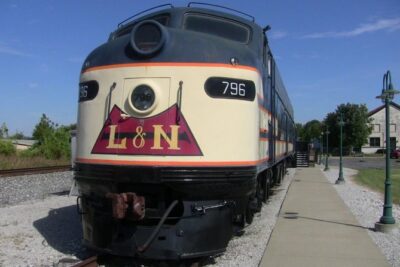
Skip the Line: Historic RailPark and Train Museum Ticket with Guided Tour
Read our review →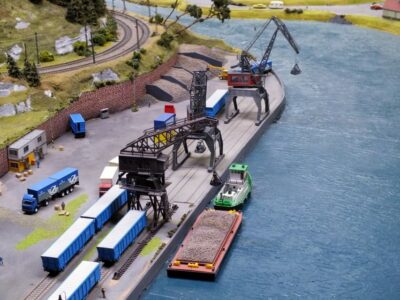
Skip the Line: Kingdom of Railways Entrance Ticket in Prague
Read our review →
Bowling Green: Historic RailPark & Train Museum Entry & Tour
Read our review →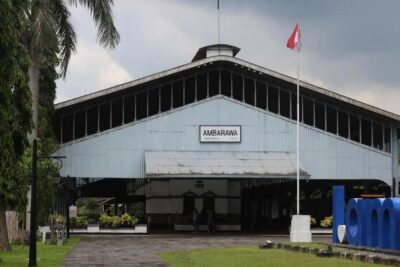
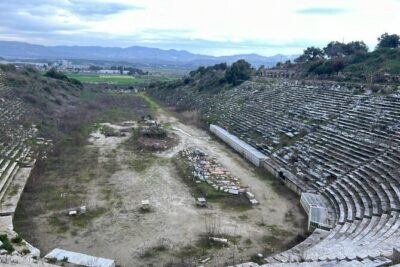
Kusadasi Day Trips Magnesia, Train Museum Turkish Bath
Read our review →Browse the lists this tour appears in