
Review · JAPAN
Osaka: Wakayama Cat Train, Seafood market, Hot Springs Tour
Cats, tuna, caves, and hot springs in one day. This $83 day trip from Osaka packs together several very different Wakayama experiences, from the gentle charm of Kishi Station to the raw Pacific coast. I especially like the story of Stationmaster Tama and the fresh seafood lunch at ToreTore Market, where you may see a whole tuna cut apart in minutes. The main tradeoff is time: about four hours of bus travel leaves limited room at each stop.
I also like that transportation, the cat-themed train, tolls, parking, and a multilingual guide are included. Guides such as Tiger have earned praise for clear updates, careful organization, and helpful food advice. The cat train ride itself lasts only about 15 minutes, so you should book this for the full mix of Wakayama sights, not for a long railway journey.
The day’s best moments at a glance
- Tama’s cat station: Learn how a calico cat helped save a rural railway stop and became Stationmaster Tama.
- Three possible cat trains: The Tama Train, Strawberry Train, or Toy Train may operate, depending on the day.
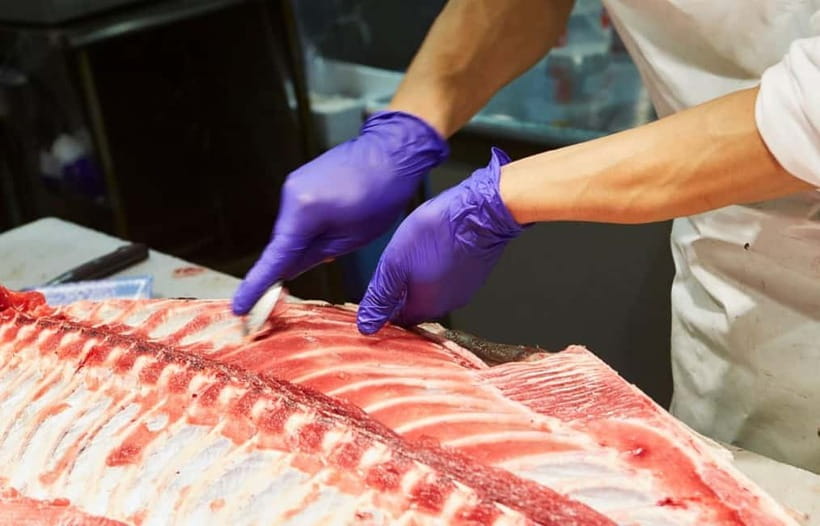
- Live tuna cutting: ToreTore Market offers a close look at professional fish preparation, with lunch bought separately.
- Shirahama’s old hot springs: You can add an optional bath at a resort area with more than 1,300 years of history.
- Pacific cliffs and pirate caves: Senjojiki and Sandanbeki give you two very different coastal views.
- Comfortable long-distance transport: An air-conditioned bus saves you from piecing together several regional connections.
Why this unusual Wakayama day trip works
This is not a single-theme excursion. It is a sampler of Wakayama, mixing local rail culture, seafood, bathing, geology, and coastal scenery. I like that variety because it gives you a wider sense of the region than a simple beach or market outing.
At the same time, the variety explains the long day. You leave Nipponbashi at 8:30 in the morning and are expected back around 6:40 pm, although traffic can change that. You will spend roughly 1.5 hours reaching Kishi Station, then about 2.5 hours on the return drive from the coast.
The price is strong for what is included. At $83, you get round-trip bus transport, the cat train, a guide, the driver, expressway fees, and parking. You still pay for lunch, the optional hot spring, and Sandanbeki Cave admission, but those extras let you control your spending.
I would choose this trip if you want several memorable stops without managing rural train schedules and coastal buses yourself. I would not choose it if you prefer slow travel, long meals, or a relaxed afternoon at one beach town.
More Market Tours in Japan:
- 3-Day Private Tokyo and Nagano: Snow Monkeys, Tsukiji Market and Bullet Train
★ 5.0 · 2 reviews - Day Trip to Bangkok Floating Market & Maeklong Railway
★ 5.0 · 1,528 reviews - Bangkok: Railway and Floating Market Tour with Dragon Temple
★ 4.6 · 1,225 reviews
Meeting at Nipponbashi and settling into the bus
The meeting point is Nipponbashi Station Exit 2, near the Namba and Shinsaibashi area, at 1-chome-3-6 Nipponbashi. You should arrive at least 15 minutes early. This is a busy pickup area with several tour groups, and late arrivals or no-shows are not refunded.
The operator sends the guide, driver, vehicle, and meeting details by email the evening before. Keep an eye on your inbox. The vehicle depends on group size, but the tour uses air-conditioned transport, and the driver handles the long highway sections.
The ride to Wakayama takes about 90 minutes. That is a useful saving over arranging the same route on your own, especially since the day includes several stops that are not connected by one simple rail line. Bring comfortable shoes, a camera, and cash. Food is not allowed in the vehicle, so plan to wait for the market stop before eating.
Kishi Station and Tama’s small railway miracle
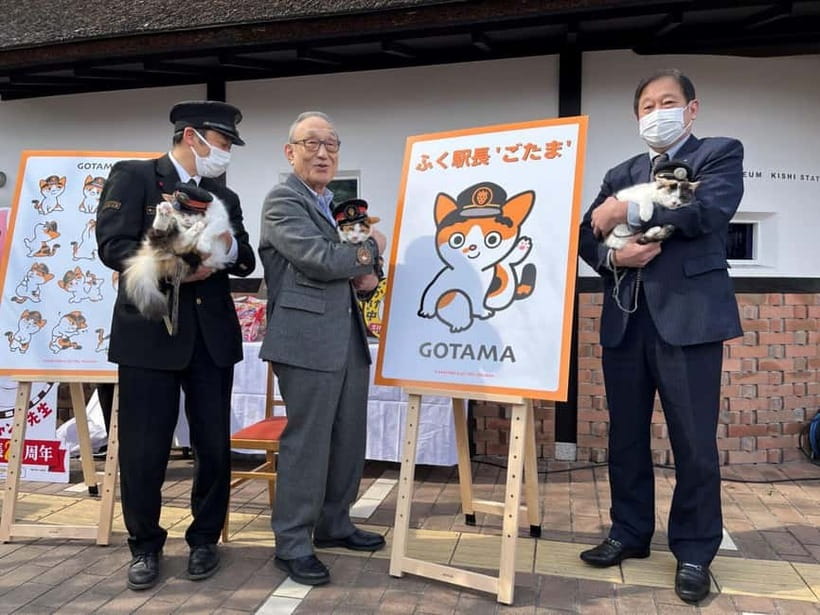
Kishi Station is the emotional center of the morning. The station building is designed with cat-like features, and the place is tied to the story of Tama, a calico cat who greeted passengers and became a symbol of a railway that was once close to shutting down.
Tama’s role was more than a cute publicity stunt. Her presence brought attention to a quiet rural stop and helped support the local railway. Today, Nitama, meaning Second Tama, continues the tradition. You can see the station’s cat theme, browse the Tama Shop, visit the cat café, collect stamps, and look for special souvenirs.
I like this stop because it connects a very Japanese love of mascots with a real local transport problem. It feels less like a large attraction and more like a tiny station that found a fresh reason to keep welcoming people.
Do not expect a huge complex. Kishi Station is compact, and your time is built around the train schedule. That is part of its charm, but it also means the stop can feel brief if you want extended time for shopping or photography.
A 15-minute ride on the Tama, Strawberry, or Toy Train
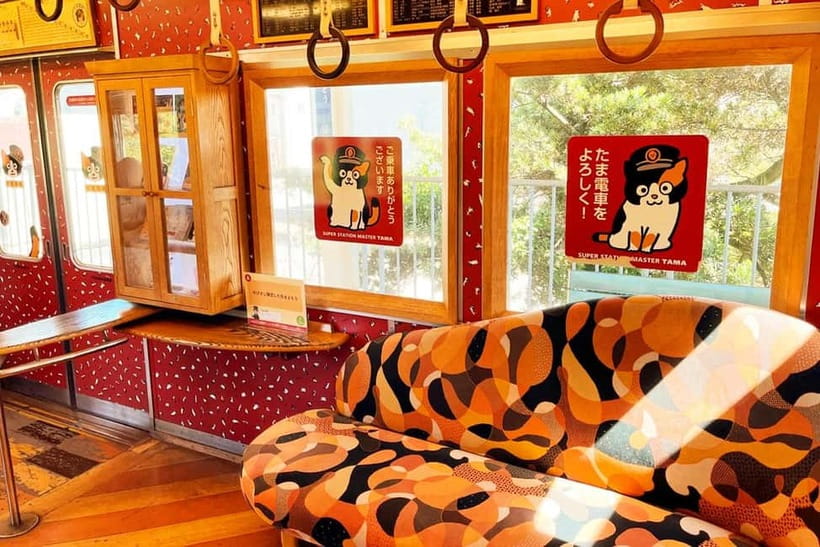
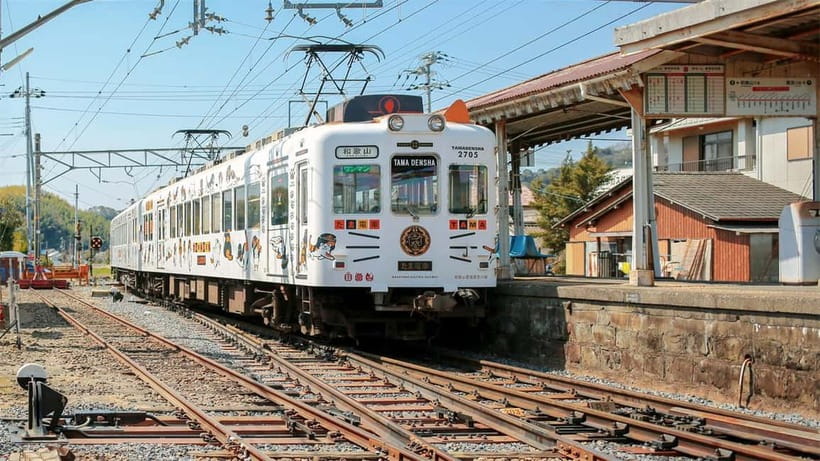
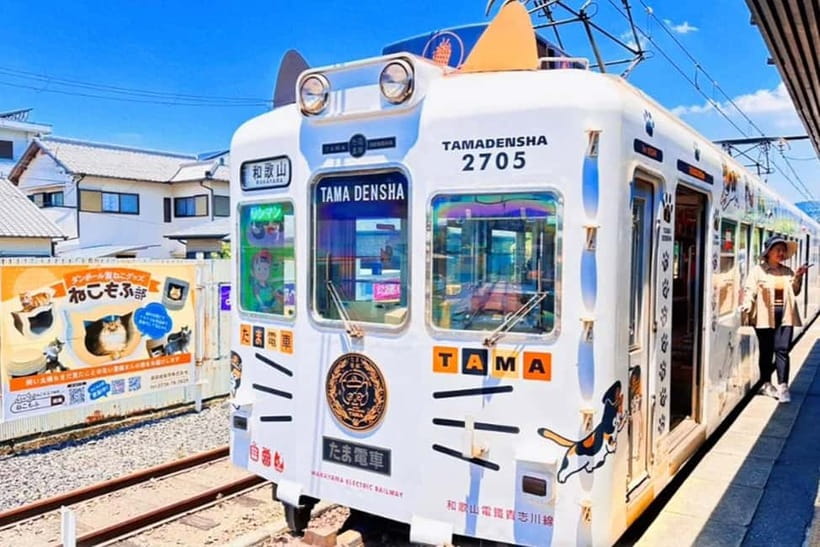
The cat-themed train is the day’s most playful moment. Depending on the operating schedule, you may ride the Tama Train, Strawberry Train, or Toy Train. Each has its own design, so the exact train is not guaranteed.
The ride lasts about 15 minutes. That detail matters. You get a taste of the railway rather than a long scenic rail trip. I would treat it as a charming local connection with a strong visual theme, not as the main transport experience of the day.
One review found the cat train less impressive than expected, and that is a fair warning. If you are booking mainly to ride a themed train for an hour, this will likely feel too short. If you enjoy small details, station stories, and a bit of whimsy, it fits the day well.
The best approach is to enjoy the whole Kishi Station stop. Look at the station design, learn about Tama and Nitama, browse the stamps and shop, and then take the train as one part of the visit.
More Spa and Hot Spring Trips in Japan:
- Kyoto: Arashiyama Day Tour with Train, Boat, and Onsen
★ 4.9 · 48 reviews - From Zakopane: Tatra Mountains with Hot Springs & Funicular
★ 5.0 · 12 reviews
ToreTore Market and the tuna cutting show
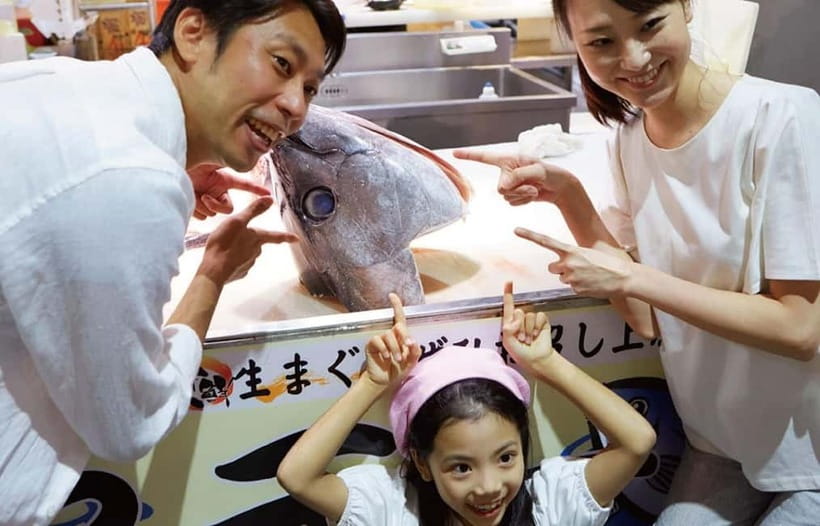
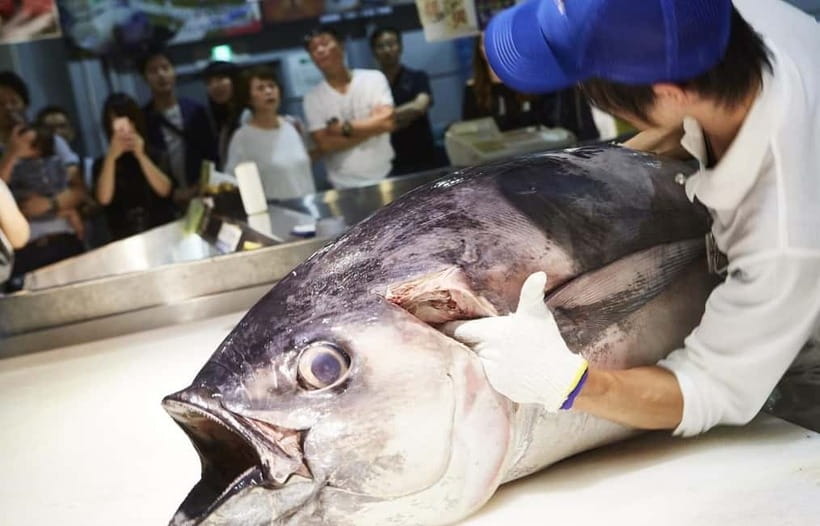
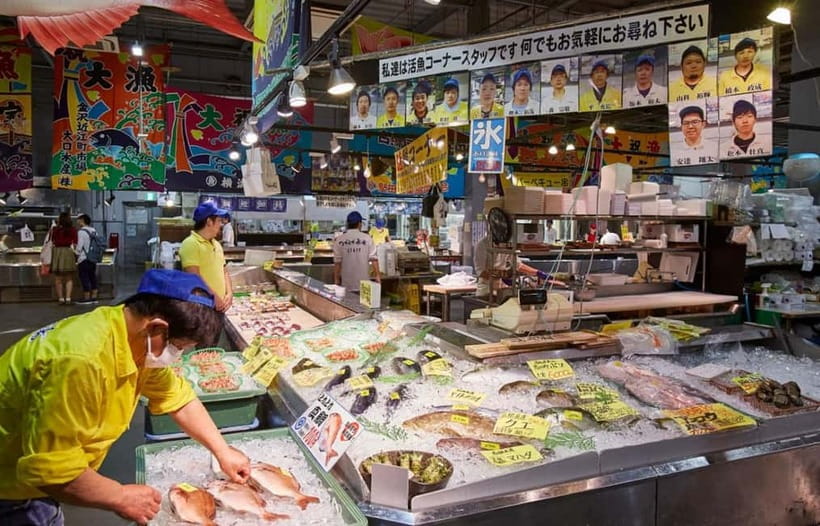
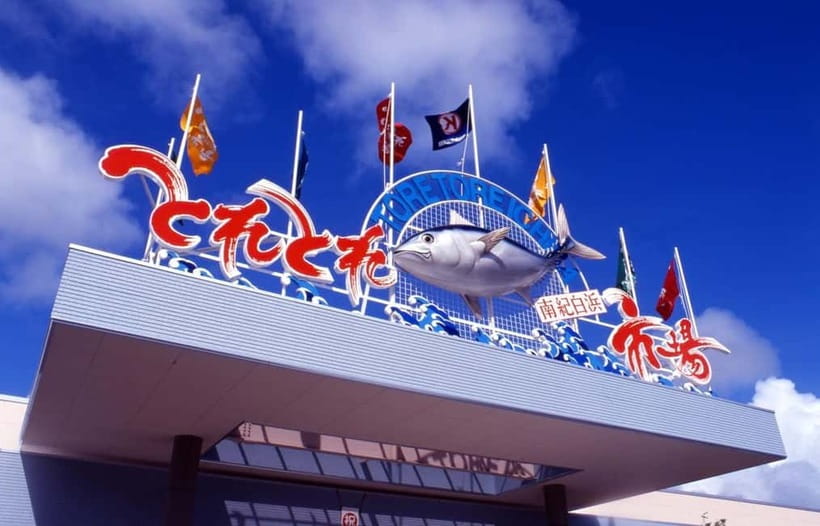
ToreTore Ichiba is the largest seafood market in western Japan, and it gives the tour a lively change of pace after the quiet railway stop. You get about two hours here for a guided visit, sightseeing, lunch, and shopping.
The star event is the tuna cutting show. Skilled staff break down a large tuna with fast, precise cuts while explaining the fish’s anatomy. The show is both a food demonstration and a lesson in how a prized fish reaches the table.
Timing is not fixed. The cutting takes place two or three times a day, and the schedule can change. Weather or other unexpected conditions can cancel it. You should see it as a welcome possibility, not a guaranteed performance.
Lunch is not included, but the market gives you plenty of choices. You can look for tuna sashimi bowls, grilled seafood, octopus rice, and other daily catches. Some areas allow you to buy seafood and cook it at BBQ tables, a useful option if you want a more hands-on meal.
I like the flexibility here. You can spend very little on a simple dish or treat yourself to fresh seafood and local products. Bring cash, since it is specifically recommended for the tour. The market also has seasoned seafood, packaged foods, gifts, and regional treats for the ride home.
Two hours sounds generous, but it can pass quickly if you watch the tuna show, choose lunch, eat, and shop. If the guide is Tiger, ask for suggestions. He has been praised for walking people through the market and helping them choose seafood to buy and cook.
Optional bathing at a 1,300-year-old hot spring area
After the market, you have the chance to visit Toretore Onsen in Shirahama. The hot spring area is described as more than 1,300 years old and connected with imperial visits and old Japanese writings.
The water is sodium bicarbonate spring water, known for a smooth feel, and the facility includes Japan’s first salt-stone bedrock bath. This is a good chance to shift gears after the market and bus rides. You can wash, soak, and enjoy a traditional Japanese bathing experience rather than simply looking at another viewpoint.
Entry is optional and not included, so check the available time and decide if the extra fee suits you. You should also know that tattoos may restrict entry. The information provided does not give a tattoo-covering policy, so ask the guide or facility before counting on the bath.
The stop may feel short if you want a full onsen visit. It works best for you if the bath itself is a priority and you are comfortable giving up some free time elsewhere. If not, the coastal stops still provide the day’s major scenery.
Senjojiki’s rock slabs beside the Pacific
Senjojiki Rock Plateau is a short stop, about 30 minutes, but it delivers one of the strongest views of the day. You walk onto broad layers of rock facing the Pacific, shaped over time by waves and weather.
The name refers to the scale of the rock surface, and you can see why the place feels open and dramatic. It is a good spot for photographs, sea air, and a quick walk after lunch. If the timing reaches sunset, the view can become especially striking as the sky changes over the water.
Wear proper walking shoes. The rocks are uneven, and the tour already includes several stops where you will be on your feet. Thirty minutes is enough for a look and photographs, but not for a long coastal walk.
Sandanbeki Cave and the pirate stories below
At Sandanbeki, you take an elevator 36 meters down to sea-level caves. The caves were once used by pirates during the Heian period, and displays recreate parts of that story.
This stop differs from Senjojiki. Senjojiki is open, bright, and exposed to the Pacific. Sandanbeki is enclosed, dark, and shaped by the sea from inside the cliffs. Natural erosion has produced the rock formations, while the historical displays give the caves a human story.
Admission is optional and separate. You have around 30 minutes for the stop, so check the schedule before paying if you want enough time to use the elevator and see the cave without rushing.
The cave adds variety, but it may not suit everyone. If you dislike enclosed spaces, have difficulty with stairs or uneven surfaces, or do not want to pay another admission fee, you may prefer to enjoy the viewpoint above.
The long ride back to Osaka
The return drive takes about 2.5 hours under normal conditions. Traffic can be heavy on weekends, public holidays, and during peak seasons, so the guide may alter the order of stops, shorten visits, or reduce the number of stops.
That flexibility is practical. It also means you should not treat every minute in the printed schedule as fixed. The expected arrival is about 6:40 pm, but you should avoid booking a tight evening reservation in Osaka.
Several positive comments about the tour focus on the guide rather than one single attraction. Tiger has been praised for keeping people informed, using WhatsApp updates in English and Chinese, explaining each stop, and making sure no one gets lost. A careful guide matters on a day with multiple short visits and a long bus journey.
The multilingual tour guide service is offered in English, Japanese, and Chinese. Communication quality can vary by guide, but the feedback about Tiger is especially strong. The professional driver is also an important part of the experience because the coastal route covers a lot of ground.
Who should book this $83 tour?
You should consider this tour if you want:
- A convenient day outside Osaka without renting a car
- A mix of food, local rail culture, hot springs, and ocean scenery
- A guided introduction to Wakayama
- A flexible seafood lunch at a large market
- A short, family-friendly cat train experience
- Help navigating rural transport and several separate attractions
I think it suits first-time visitors who want to see beyond Osaka but have only one free day. It also works for couples, families, and small groups who enjoy changing scenery.
You may want another plan if you want a long onsen stay, an extended railway ride, or plenty of free time at each stop. The tour is not suitable for wheelchair users, and the cliffs, caves, and station visits require some walking. A tattoo may also affect your ability to enter the hot spring.
FAQ
Where does the tour meet in Osaka?
The meeting point is Nipponbashi Station Exit 2, near the Namba and Shinsaibashi area, at 1-chome-3-6 Nipponbashi, Chuo Ward, Osaka.
What time does the tour depart?
Pickup is at 8:30 am. You should arrive at least 15 minutes before departure because late arrivals and no-shows are not refunded.
What time does the tour return to Osaka?
The estimated arrival is 6:40 pm, but traffic and schedule changes can affect the return time.
How long is the cat train ride?
The cat-themed train experience lasts about 15 minutes. The train may be the Tama Train, Strawberry Train, or Toy Train, depending on the daily service.
Is the tuna cutting show guaranteed?
No. The show usually takes place two or three times daily, but the time varies. Weather or other special circumstances can lead to cancellation.
Is lunch included?
No. Lunch is purchased separately at ToreTore Market. Food options include tuna sashimi bowls, grilled seafood, octopus rice, and other market dishes.
Is the hot spring included?
No. The hot spring is an optional experience, and entry is paid separately.
Is Sandanbeki Cave admission included?
No. Admission to Sandanbeki Cave is optional and not included in the tour price.
Can I join the hot spring if I have tattoos?
Entry may be restricted for people with tattoos. You should check with the guide or hot spring facility before paying for admission.
Should you book it?
I would book this tour if you want a full day of distinct Wakayama experiences for $83 and prefer not to manage the transport yourself. The strongest parts are the Tama story, the seafood market, the tuna cutting possibility, and the two Pacific coast stops.
Go in with realistic expectations. The cat train is short, the hot spring is optional, and the bus rides take up a large part of the day. But if you see those limits clearly, this is a well-priced way to combine rural Japan, fresh seafood, traditional bathing, and dramatic seaside rock formations in one organized outing.
Just added around Japan
- Train in Samurai Swordsmanship and Defeat the Demon in Tokyo★ 5.0 · 5 reviews
- Private tour with Yasushi and Yoko – by car, train, on foot★ 5.0 · 2 reviews
- Mt Fuji & Hakone Private Tour from Tokyo: Return by Bullet Train★ 5.0 · 22 reviews
- Bullet Train and Mt. Fuji Famous Food Tour★ 5.0 · 4 reviews
- Bullet Train Experience & Mishima Shrine Private Tour from Tokyo★ 5.0 · 9 reviews
- Tokyo-Izu: Volcano, Ocean& Capybara Cuddle with Izu Scenic Train★ 3.5 · 3 reviews
- 3-Day Private Tokyo and Nagano: Snow Monkeys, Tsukiji Market and Bullet Train★ 5.0 · 2 reviews
- Guided Half-day Tour(PM) to Toyota Commemorative Museum & SCMAGLEV Railway Park★ 5.0 · 3 reviews
Markets, compared.
Day Trip to Bangkok Floating Market & Maeklong Railway
Read our review →
Railway and Floating Market Tour with Dragon Temple
Read our review →

Maeklong Railway & Amphawa Floating Market Day Trip
Read our review →
Floating Market and Train Tour with Guide in Spanish and English
Read our review →
Maeklong Railway & Floating Market Tour (Private & All-Inclusive)
Read our review →
Train & Floating Market Food Adventure + Scenic train ride
Read our review →Browse the lists this tour appears in