
Review · BANGKOK
Bangkok: Maeklong Railway & Amphawa Floating Market Day Trip
The train comes through the market. That single moment makes this $49 day trip memorable, but the full outing gives you much more: a tree-wrapped temple, local food, canal-side shopping, and a firefly boat ride after sunset. I especially like the mix of lively market life and quiet river time. The main drawback is the long day, with up to 11.5 hours on the road and limited free time at some stops.
I also like the small-group setup, limited to nine people, and the way a good guide can make the day run smoothly. Guides such as Aoi, Jack, Cherry, Kit, and Nok have been praised for clear explanations, safety, and friendly help. Still, Amphawa can vary: some visits have had few or no boat vendors, so you should not expect a perfect picture of a floating market every time.
Key points to know before you go
- The train market offers one main photo moment: The train passes through Maeklong Railway Market while vendors pull back awnings and goods, then reset the stalls.
- Amphawa is best for food and atmosphere: You get about two hours to eat, browse, and explore the canal-side market at your own pace.
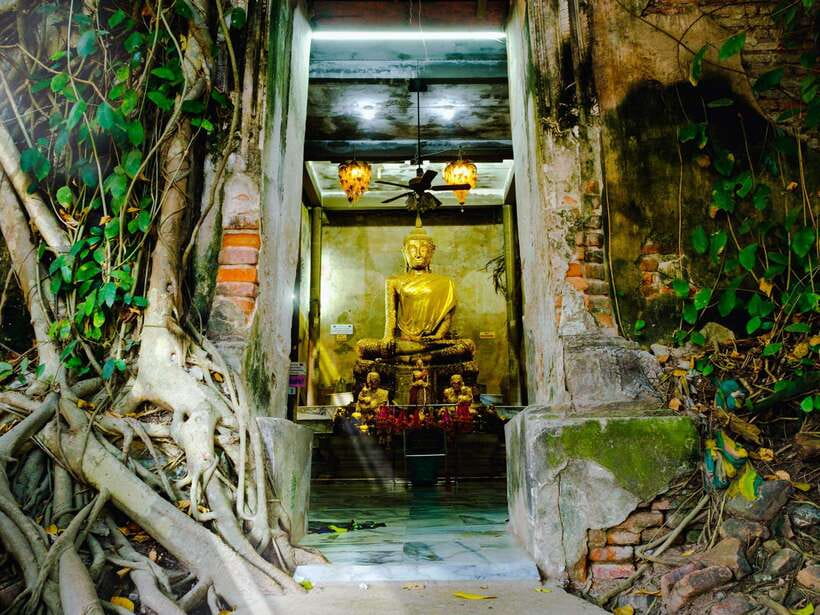
- Wat Bang Kung adds real cultural depth: A small temple shrine sits inside the roots of an old Banyan tree, with links to Thai soldiers from the 1800s.
- The firefly cruise is the day’s calm finish: The boat leaves Amphawa around dusk and looks for fireflies along the Maeklong River.
- The tour is a long escape from Bangkok: Plan on roughly 8.5 to 11.5 hours, including van rides.
- A guide matters here: At Maeklong, timing is tight, and at the markets, practical advice about food, prices, and meeting points saves effort.
Why the Maeklong Railway Market is worth the long ride
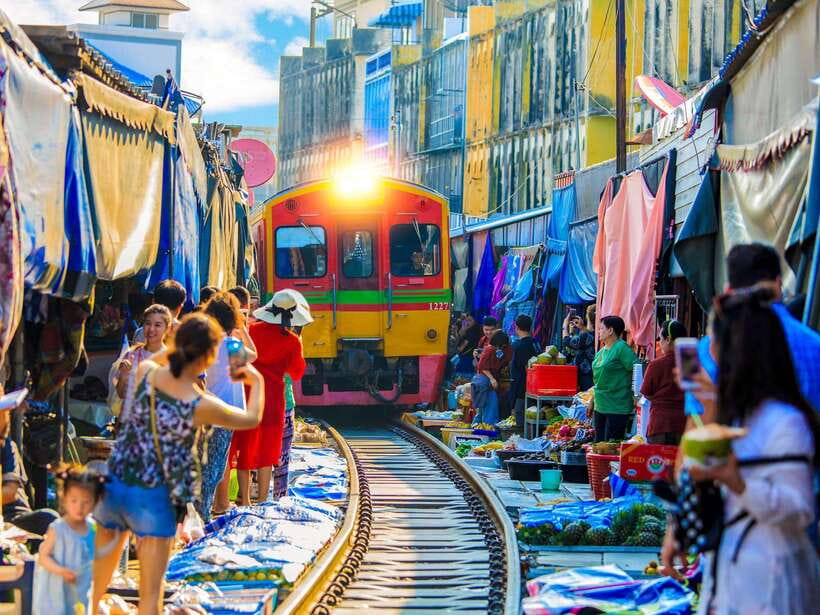
The first major stop is Maeklong Railway Market, also called Talad Rom Hub. The market has been operating for about 100 years, and its unusual setting is the reason people make the trip from Bangkok. Stalls selling produce, souvenirs, and small goods line the railway tracks, with the tracks functioning as both shopping lane and working rail route.
The key event happens when the train approaches. Vendors quickly pull back umbrellas and awnings, move some goods, and make room for the train. Once it passes, the market returns to normal almost at once. It is a clever piece of daily life, not a staged show, although it has become a popular sight.
Your guide can help you get into position before the train arrives. That help matters because you may have only one clear chance to watch the passage during your visit. Steven described the market as hectic at first, with only one real opportunity for photographs. Alex also valued having a guide who helped with photos and even assisted with getting onto the train.
You should keep your hands and belongings close and follow your guide’s instructions. The scene is busy, and you will be watching the train, vendors, other visitors, and your footing at the same time. Wear shoes that are easy to walk in rather than anything delicate.
The market itself deserves some attention before and after the train. You can see fresh produce and everyday goods, not only souvenirs made for day-trippers. The stop lasts about 90 minutes, which gives enough time for the train event and a look around, but some people would happily trade part of this time for longer at Amphawa.
More Railway Market Tours in Bangkok:
- Day Trip to Bangkok Floating Market & Maeklong Railway
★ 5.0 · 1,528 reviews - Private Excursion to Maeklong Railway and Floating Markets
★ 5.0 · 850 reviews - From Bangkok: Maeklong Railway and Floating Market Food Tour
★ 4.9 · 224 reviews
Wat Bang Kung and the Banyan tree shrine
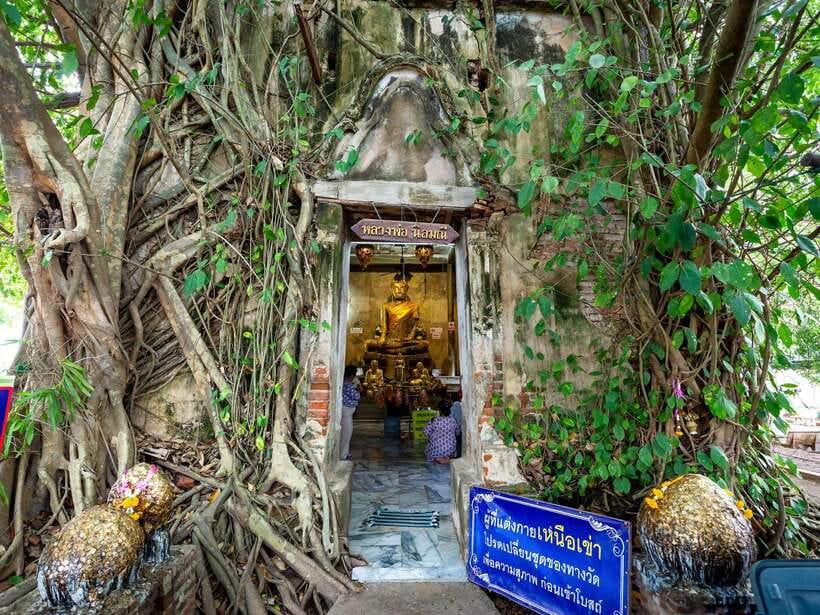
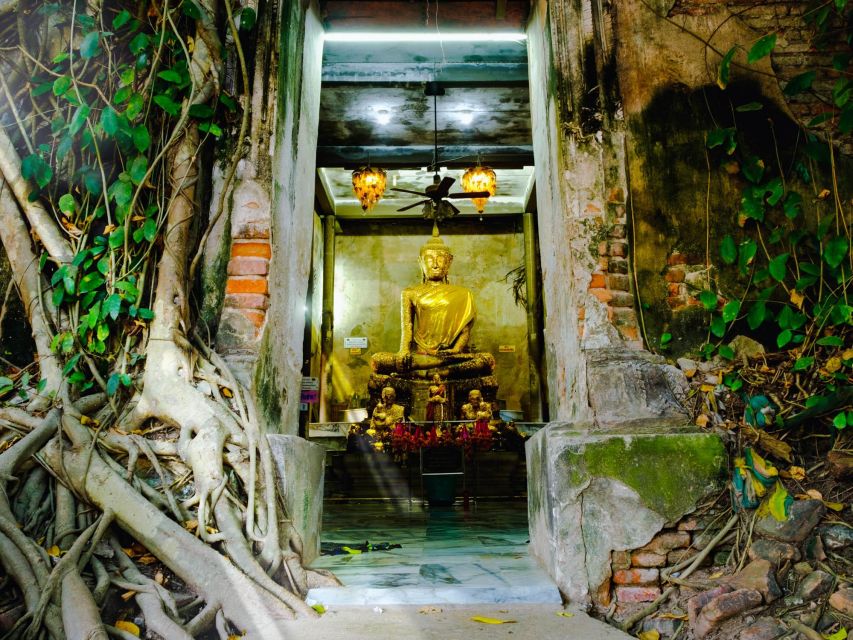
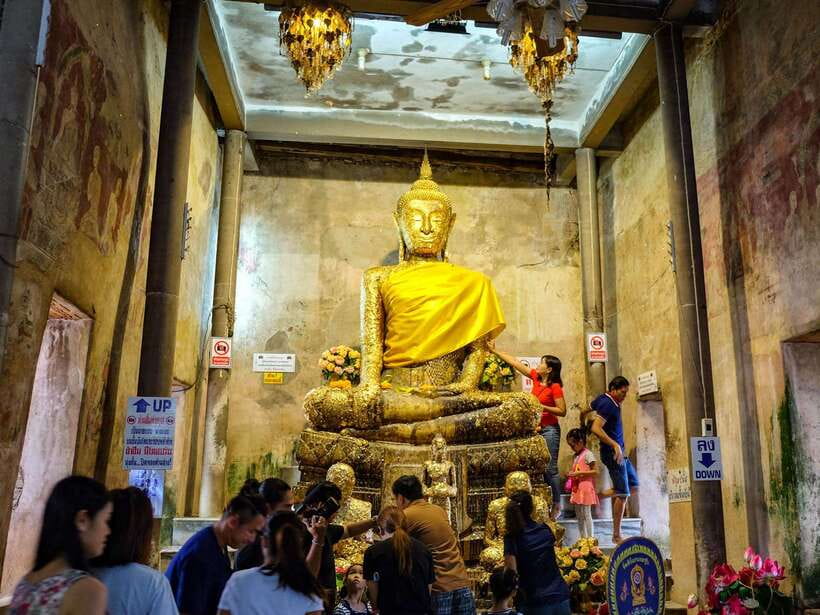
After Maeklong, the van continues to Wat Bang Kung. This is a smaller stop, but it changes the rhythm of the day. Instead of crowds, rail tracks, and photo timing, you get a quiet religious site with a striking visual feature: an old Banyan tree has grown around the temple structure.
Inside, you will find a shrine and Buddhist statues. The site also honors soldiers who defended Thailand in the 1800s, giving the visit a historical connection beyond its unusual appearance. Your guide may explain Buddhist customs and how people make wishes or show respect at the shrine.
The planned visit lasts about an hour. That is enough time to see the temple and hear the basic story, though it may feel generous if you are more interested in markets than temples. Steven and Carla both felt that some temple time could be shortened to allow more time at Amphawa. Other people found the stop one of the day’s nicest surprises, especially because it offers a different view of Thai religious life.
Dress with care. Clothing that leaves shoulders, underarms, back, or knees uncovered may not be accepted at some sites, and the rules can be enforced strictly. A scarf, sarong, or light sweater is a useful solution if your clothes do not meet the dress code.
Two hours at Amphawa Floating Market
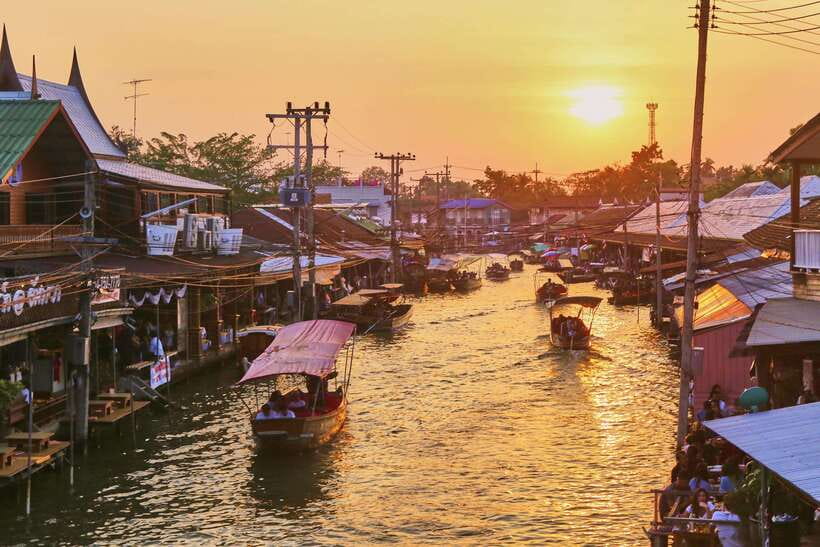
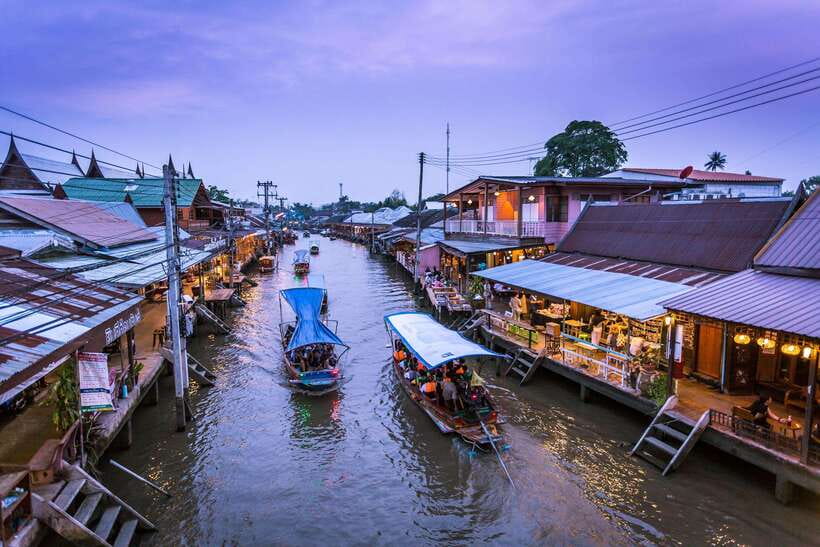
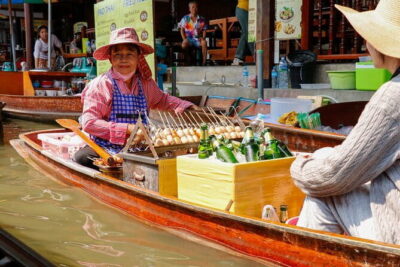
Amphawa is the part of the trip where you get the most freedom. The market sits along a canal, with shops, food stalls, and vendors selling from boats or from the waterfront. You have about two hours to wander, eat, shop, and decide how much you want to do.
I would treat Amphawa as a food and atmosphere stop first, rather than expecting a nonstop display of boats. The market can be lively and charming, but the number of boat vendors changes. Loida and another visitor found few or no boat sellers during their visits. That does not make the stop pointless, since the canal-side food and small shops remain part of the experience, but it is worth keeping expectations realistic.
You are responsible for your own meal and drinks, since food is not included. Bring cash for snacks, meals, and personal purchases. The tour provides a glass bottle of drinking water, but you will want money for anything else you eat or drink.
This is where advance planning helps. Naim suggested doing some research before arriving, because you may be allowed to wander without the guide beside you for every minute. Knowing what foods or shops interest you can prevent you from spending the whole stop simply deciding where to go.
Your guide can still be useful. Cherry was praised for suggesting good-value food, while Kit helped explain useful Thai words for bargaining. Those small pointers can make a market visit more relaxed, especially if you are not used to ordering from busy stalls.
If you want a long meal, take photos, shop, and sample several foods, two hours can pass quickly. If the market is quiet, you may find the time more than enough. The pace depends partly on your group and partly on the market conditions that day.
The firefly boat ride after sunset
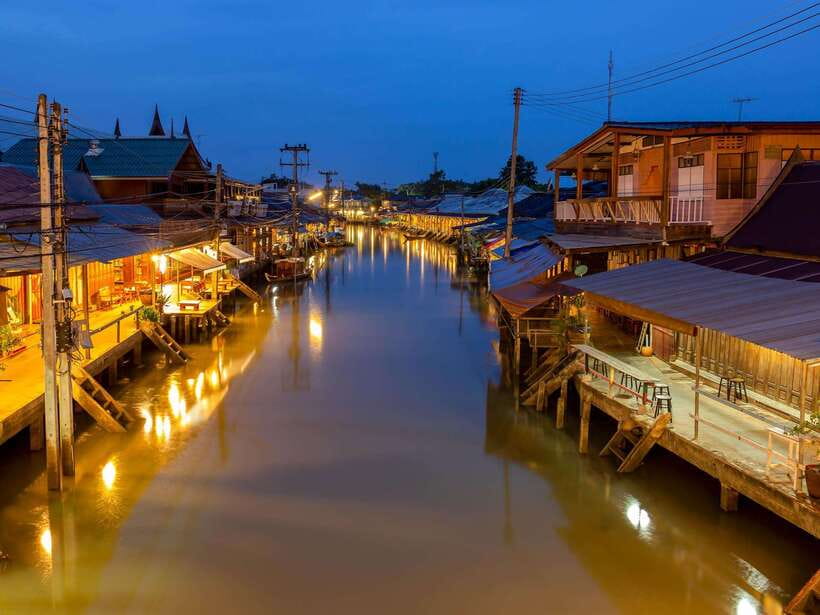
The final major experience is a boat ride on the Maeklong River. It lasts about 90 minutes and takes place around dusk or after dark, when the group looks for fireflies among the riverside trees.
This is not a loud attraction. The boat ride gives you a slower end to a day filled with transport, crowds, food, and market noise. The fireflies may appear as small blinking lights rather than a wall of glowing insects, but several people described the sight as magical, especially when combined with sunset or the quiet river.
Your guide and boat crew cannot control how many fireflies you see. Weather, timing, and natural conditions matter. Still, the boat ride is valuable even when the insects are subtle because it lets you see the area from the water and experience Amphawa after the market visit.
A practical tip: bring insect repellent. You will be outside near the river in the evening, and the tour specifically recommends it. Keep your camera ready, but do not let photography take over. Fireflies are difficult to capture well, and your eyes will usually do a better job than a phone.
The boat trip is included in the price, which is important. Amphawa has independent boat operators, and arranging a separate ride can add cost and bargaining. This tour takes care of that part for you.
More Market Tours in Bangkok:
- Bangkok: Railway and Floating Market Tour with Dragon Temple
★ 4.6 · 1,225 reviews - From Bangkok: Railway & Damnoen Saduak Floating Market Tour
★ 4.6 · 775 reviews - Bangkok: Floating Market and Train Tour with Guide in Spanish and English
★ 4.5 · 185 reviews - Maeklong Railway & Floating Market Tour (Private & All-Inclusive)
★ 5.0 · 108 reviews
Transport, timing, and group size
The day begins with a van ride of about 90 minutes from Bangkok to the first major stop. After the boat ride, the return van journey is listed at about 80 minutes, though Bangkok traffic can affect the overall timing. The full experience lasts between 510 and 690 minutes, or roughly 8.5 to 11.5 hours.
That range is wide because pickup times, traffic, and the selected option can vary. Pickup is available from hotels or registered accommodations in the service area, while another option uses National Stadium BTS Station, Exit 2, on the second floor. You should be ready 10 minutes before pickup and check your email the evening before for the confirmed time and meeting point.
The vehicle is air-conditioned, and several people found the van clean and comfortable. One person found a full nine-person van cramped, with weak cooling. That is a fair warning for a hot Bangkok day. The small group helps, but it does not guarantee spacious seating.
The tour runs Friday through Sunday only. Pickup zones are limited, and roadside or shopping mall pickups are not offered for safety and traffic-law reasons. If your hotel is outside the zone, a nearby registered hotel may be the practical meeting point.
At $49 per person, the value is good if you want transport, a guide, the temple visit, and the firefly boat in one day. The price also removes the trouble of arranging a distant market trip on your own. It is less compelling if you want a slow, independent day or dislike long van rides.
How the guides shape the experience
This is a schedule where the guide can make a real difference. The train market depends on being in the right place at the right time. The temple benefits from cultural explanation. Amphawa is easier when someone can suggest food, explain local customs, and tell you where to meet again.
The strongest feedback centers on guides who are warm, attentive, and clear. Aoi was praised for explaining Thai history and culture. Pop helped connect Buddhist rituals with the places visited. Nok was appreciated for balancing useful stories with time to explore independently.
Other praised guides include Jack, Cherry, Kit, Surina, Bonnie, Oum, Fern, Nina, and Pranee. Their styles may differ, but the recurring strengths are friendliness, organization, safety, and practical help. Cherry, in particular, was described as cheerful and helpful with food suggestions. Jack was repeatedly praised for his broad knowledge of Thai culture and his care for the group.
You should still ask questions. The market portions are not fully guided every second, and you may have time to wander on your own. That is a benefit if you like independence, but it means you need to keep track of the meeting time and place.
What to bring and who should skip it
Bring comfortable shoes, sunscreen, sunglasses, a hat, cash, a camera, and insect repellent. A scarf or sarong is especially useful for temple cover-ups. You will spend time walking, standing, sitting in a van, and riding on a boat, so comfort matters more than style.
This trip suits you if you want several different experiences in one outing: a working railway market, a Buddhist shrine, local food, canal-side shopping, and a night river cruise. It is also a good choice if you are staying in Bangkok but want to see places that are awkward to reach without private transport.
It may not suit you if you have back or heart problems. Wheelchair users cannot take part. The long transport periods and uneven market surroundings also make the day demanding for anyone who needs frequent rest or accessible facilities.
The experience is GSTC-certified and presented as a lower-emission, more responsible way to explore. That does not remove the environmental cost of driving outside Bangkok, but sharing transport in a group and using an organized route can be a sensible choice compared with arranging separate rides.
Should you book this Bangkok day trip?
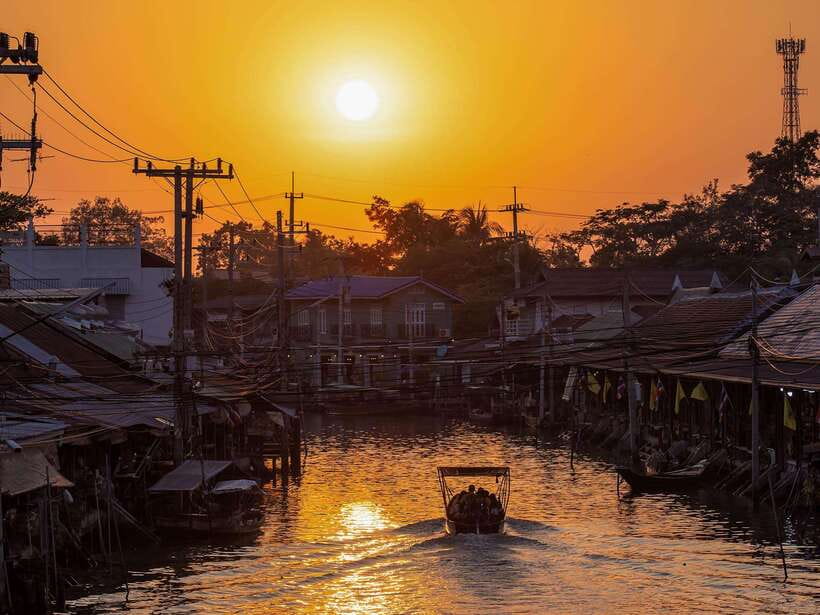
I would book it if you want an efficient first look at the Maeklong and Amphawa area and you value having transport and a guide arranged for you. The train passing through the market is the headline, but the Banyan tree temple and firefly cruise give the day more variety and make the $49 price easier to justify.
I would hesitate if your main goal is an authentic floating market packed with boat vendors. Amphawa can be quieter than expected, and the market’s character changes from day to day. I would also avoid it if a full day in a van sounds tiring.
For the best experience, choose comfortable clothes that meet temple rules, prepare for heat, bring cash, and read the pickup email carefully. Go in expecting a well-organized sampler of central Thailand rather than a slow local day. If that balance suits you, this is a useful and enjoyable escape from Bangkok.
FAQ
How long does the Bangkok day trip last?
The activity lasts between 510 and 690 minutes, which is about 8.5 to 11.5 hours. The total time includes van transfers, market visits, the temple, and the river boat ride.
How much does the tour cost?
The listed price is $49 per person. Meals, drinks other than the provided bottle of water, and personal expenses are not included.
What places does the tour visit?
The route includes Maeklong Railway Market, Wat Bang Kung, Amphawa Floating Market, and a firefly boat ride on the Maeklong River.
Will I see the train at Maeklong Railway Market?
The tour is designed around seeing a train pass through the market. The train passes during the visit, so listen carefully to your guide and be ready because the main viewing opportunity is limited.
Is the firefly boat tour included?
Yes. The firefly boat tour is included in the activity price and takes place around dusk or after dark.
Is food included?
No. Meals and drinks are not included. You should bring cash for food, drinks, and purchases at Amphawa Floating Market.
Where is the meeting point?
The meeting point option is National Stadium BTS Station, Exit 2, on the second floor. Pickup may also be available from hotels or registered accommodations, depending on the selected option.
What languages can the guides speak?
Guides are available in English, Spanish, and Thai.
Which days does the tour operate?
The tour is available from Friday through Sunday. Same-day booking may be possible for the meeting point option, subject to availability.
More One-Day Trips in Bangkok
- Kanchanaburi Day Trip: WWII Death Railway & Erawan Falls
★ 5.0 · 11 reviews - Mt Fuji & Hakone Cruise, Drum Show Bullet Train 1 Day from Tokyo
★ 4.0 · 7,413 reviews - Zurich: Day Trip to Grindelwald, Interlaken & Lauterbrunnen
★ 4.5 · 4,699 reviews - From Milan: Bernina Train and St. Moritz Day Trip
★ 4.5 · 4,495 reviews
Just added around Bangkok
- Train trip death railway Bridge on river Kwai from Bangkok to Kanchanaburi trip★ 4.0 · 17 reviews
- Small Group: Kanchanaburi Death Railway, Erawan Waterfall and Elephant★ 4.0 · 3 reviews
- Historic Kanchanaburi: Train, Boat & Skywalk + Lunch From Bangkok★ 4.5 · 3 reviews
- River Kwai Bridge and Death Railway World War II Tour in Thailand★ 5.0 · 2 reviews
- Historic Kanchanaburi:Train, Boat, Skywalk from Bangkok(No Lunch)★ 5.0 · 2 reviews
- Private tour : Railway & Floating Market and the Bridge over river Kwae★ 5.0 · 2 reviews
- Private Tour: Kanchanaburi Erawan Waterfall Tour from Bangkok★ 4.5 · 13 reviews
- Bangkok: Railway and Floating Market Tour + Dragon Temple★ 4.5 · 9 reviews
Railway Market Tours, compared.
Day Trip to Bangkok Floating Market & Maeklong Railway
Read our review →
Private Excursion to Maeklong Railway and Floating Markets
Read our review →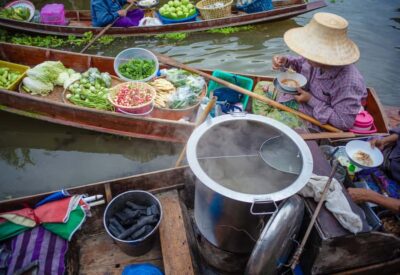

Maeklong Railway & Floating Market Tour (Private & All-Inclusive)
Read our review →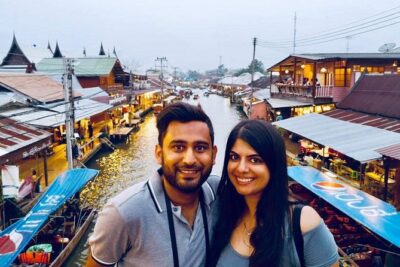
Private Excursion to Maeklong Railway & Amphawa Floating Markets
Read our review →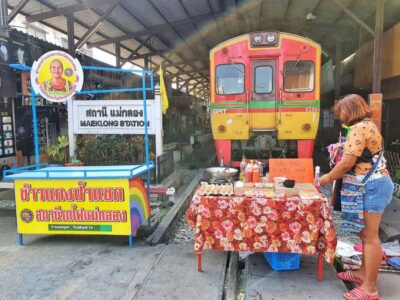
Hua Hin: Maeklong Railway & Amphawa Floating Markets Tour
Read our review →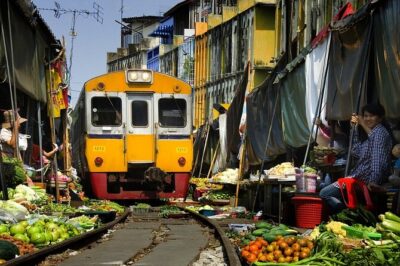
Ayutthaya, Maeklong Railway, Damnoen Saduak Floating Market
Read our review →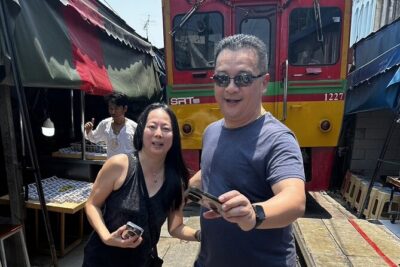
Damnoen Saduak Floating Market & Maeklong Railway From Bangkok
Read our review →Browse the lists this tour appears in