
Review · HANOI
Trekking Sapa – Bac Ha Market: Sleep on Train & Homestay
Sleep on a train, wake in the mountains. This three-day trip links Hanoi with Sapa, Cat Cat, Lao Chai, Ta Van, Giang Ta Chai, and Bac Ha Market for $56 per person. I especially like the overnight train, which saves the cost of a hotel night, and the stay at a Ta Van homestay, where you get closer to local life than you would in a standard Sapa hotel.
I also like the choice of transport, since you may be able to select a sleeper bus or night train, depending on the option booked. The main concern is the pace: an overnight journey, mountain walking, and a long market day make this a tiring trip. You need moderate fitness, a light bag, water, and sturdy shoes.
Key points before you book
- The overnight train leaves Hanoi around 9:30 p.m. and reaches Lao Cai at about 5 a.m., followed by a 40-kilometer transfer to Sapa.
- Ta Van homestay is the heart of the trip, with shared sleeping space or a single mattress and a public bathroom.
- The walking is real mountain trekking, including Cat Cat, Lao Chai, Ta Van, and Giang Ta Chai.
- Bac Ha Market takes place only on Sunday morning, so the departure date matters.
- Guide Suà earned especially warm praise for explaining local culture as well as showing the sights.
- You can continue to Ha Giang from Sapa, using an optional afternoon or evening bus rather than returning to Hanoi first.
Why this $56 trip offers good value
At $56, this is a low-cost way to combine transport, guided walks, meals, entrance fees, and two different kinds of overnight experience. The price includes the Hanoi to Sapa transport arrangement, the overnight train when that option is selected, a local English-speaking guide, the Ta Van homestay, meals, and entrance fees for Ta Van and Hoang A Tuong Palace.
That package matters because Sapa transport alone can take a large part of a short Vietnam trip budget. You also avoid arranging separate transfers between Lao Cai, Sapa, the villages, and Bac Ha. A private car and guide are provided for the Bac Ha portion, which is a useful contrast to the shared transport used elsewhere.
Still, read the transport option carefully before paying. The description refers to train, sleeper bus, and limousine sleeper bus choices. The exact arrangement depends on the option you select, so the $56 price should not be treated as a promise of a particular cabin or bus seat.
Meals are included, with breakfast, lunch, and dinner listed in the package details. Drinks, insurance, tips, and personal spending are extra. A holiday surcharge of 700,000 Vietnamese dong per person applies on the listed public holidays, including April 30, May 1, September 1 through 3, December 31, and January 1.
More Hiking Trips in Hanoi:
- Sapa: 3-Day, 3-Night Trek and Hotel with Overnight Train
★ 4.2 · 64 reviews - Sa Pa Trekking 2 Days 3 Nights Homestay by Night Train
★ 4.5 · 11 reviews - Sapa Trekking Tour by Night Train from Hanoi 3 Nights – 2 days
★ 5.0 · 7 reviews
The overnight train from Hanoi to Lao Cai
You meet at Hanoi Train Station, at 120 Le Duan, and catch a train listed as departing around 9:30 p.m. The scheduled arrival at Lao Cai is about 5 a.m. From there, a driver takes you the 40 kilometers to Sapa.
This arrangement is practical, but it is not restful in the way a hotel night is restful. You will spend the first night moving, then begin sightseeing after reaching the mountains. I would keep your luggage small and your important items close. The trip specifically asks you to prepare a light bag for the trek, and that is sound advice.
The early morning transfer is part of the bargain. You gain a full day in Sapa, but you also begin that day after a night on rails. If you sleep lightly, plan your clothing and wash kit so you can get ready without digging through a large suitcase.
The tour offers other transfer choices, including sleeper bus arrangements. A bus may suit you better if you prefer a simpler direct ride, while the train gives the journey a distinct overnight travel feel. Confirm the exact option, departure time, and return arrangement when booking.
Cat Cat Village and the first Sapa walk
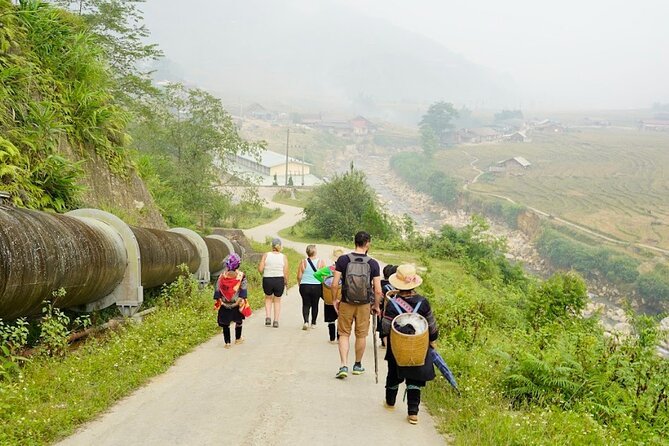
After breakfast at the hotel, you prepare for a short trek with a local H’Mong guide. The first stop is Cat Cat Village, home to Black H’Mong people and known for a waterfall, Muong Hoa Stream, terraced fields, and a hydroelectric power plant built during the French period.
The Cat Cat visit lasts about an hour within the listed schedule, while the guided Sapa portion is about three hours. That gives you a quick introduction to the area rather than a slow, all-day village study.
I like this opening because it puts culture and scenery together. You are not only looking at mountain views. You also see a village connected to H’Mong life, local water, farming, and older infrastructure. The walk is also a useful test for your legs before the longer routes later.
Keep in mind that Sapa is not flat. The supplied advice to bring water and sports shoes is worth following. The word short does not mean effortless, especially after the overnight journey.
Lao Chai Trail and Muong Hoa Valley
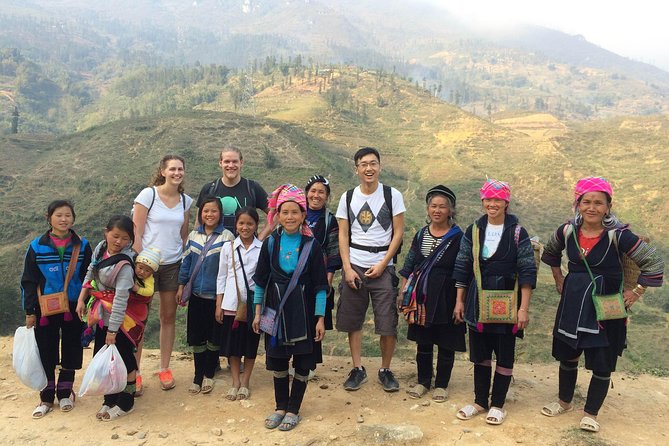
The route then heads toward Lao Chai, a Black H’Mong village beside the Muong Hoa Valley and stream, at the foot of Fansipan. The walk through Lao Chai includes views of rice terraces and village life.
This is one of the strongest parts of the trip for anyone who prefers walking to bus sightseeing. The route connects several villages rather than dropping you at a single viewpoint and moving on. You get time to see how the communities relate to the valley and farming areas.
The supplied schedule gives about three hours to this section. That is long enough to make the walk feel like a proper outing, but not so long that it becomes an all-day endurance challenge. Even so, the ground may be muddy, and the tour itself describes the route as a beautiful mud road. Take that literally. Shoes with a dependable grip are more useful than fashionable trainers.
The scenery is a major reason to choose this tour. You see streams, terraces, village paths, and mountain views from ground level. The aerial-view description in the tour highlights the broad scenery, but there is no separate flight or cable-car ride listed. Your views come from the trail.
More Market Tours in Hanoi:
- 2 Day Sapa-Bac Ha Market: Night Train& Homestay-Bus Ha Giang
★ 5.0 · 2 reviews - Day Trip to Bangkok Floating Market & Maeklong Railway
★ 5.0 · 1,528 reviews - Bangkok: Railway and Floating Market Tour with Dragon Temple
★ 4.6 · 1,225 reviews - From Bangkok: Railway & Damnoen Saduak Floating Market Tour
★ 4.6 · 775 reviews
Ta Van homestay and a night with local hosts
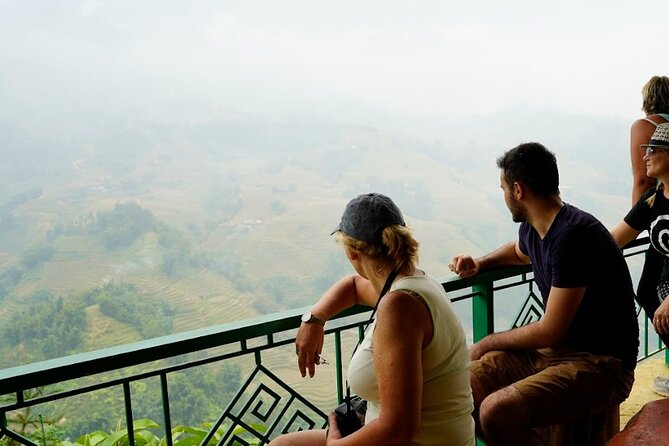
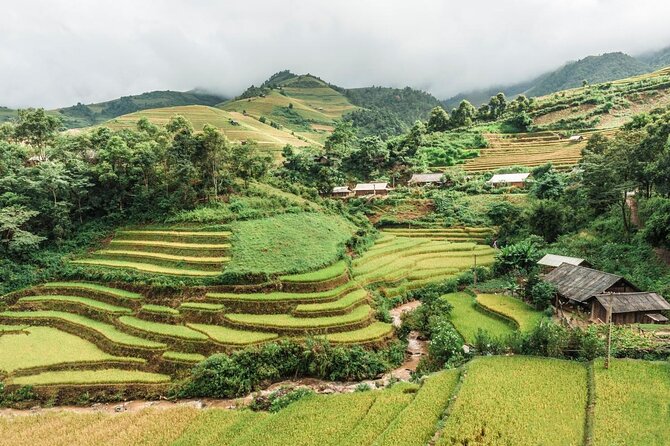
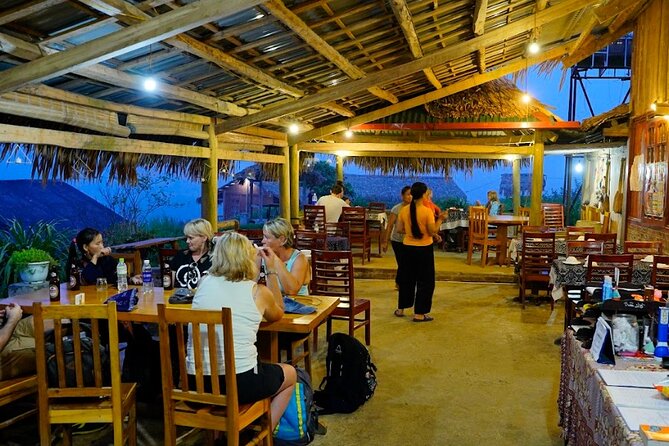
Ta Van is home to the Zay people and sits beside the Muong Hoa Stream. The village has several walking routes and views across the valley. You stay overnight in a homestay, either in a shared room or on a single mattress, with a public bathroom.
This is the most distinctive part of the experience. Sapa has plenty of hotels, but a homestay changes the tone of the trip. You spend the night in a local village and have the chance to meet your host and learn about ethnic culture through a local guide.
Do not book this expecting hotel privacy. The shared sleeping arrangement and public bathroom are clearly part of the deal. For me, that trade is worthwhile if you care more about place and contact than polished facilities. If you need a private bathroom or a quiet room, this is the point to reconsider.
Dinner is included, and the homestay gives the first day a natural ending after the walking. Keep your overnight things in your light bag. Your main luggage arrangements may vary with the transport option, and carrying less makes the village paths easier.
Giang Ta Chai and the second morning
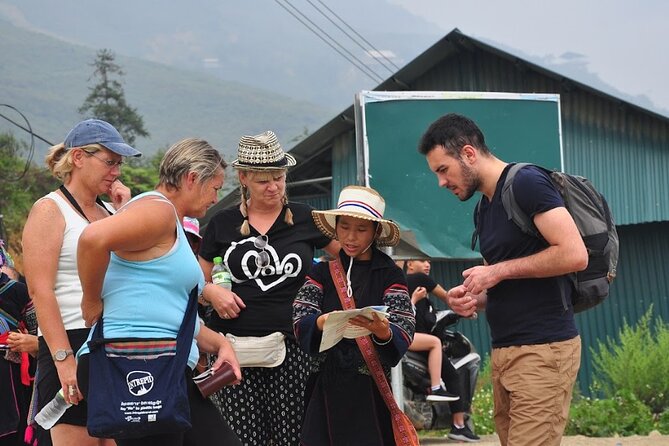
The next scheduled stop is Giang Ta Chai, a village area associated with Red Dao, Zay, and Black H’Mong communities. The route includes bamboo forest, rice terraces, and views toward Muong Hoa Valley.
The listed visit lasts about two hours. It provides another look at the area without repeating exactly the same village experience. The first day focuses on Cat Cat, Lao Chai, and arrival in Ta Van. Giang Ta Chai adds a different community setting and another section of the valley.
You also have a longer period listed in Ta Van, about ten hours. That does not mean ten hours of hard walking. It gives the schedule room for the homestay, meals, local time, and the village setting. Ask your guide how the walking and free time are arranged on your departure date, since routes can change with transport and local conditions.
The day remains active. This is not a slow hotel-based break. I would choose it if you enjoy walking, village visits, and simple accommodation. I would not choose it if your priority is maximum sleep and a tightly controlled timetable.
Sunday morning at Bac Ha Market

Bac Ha Market is the major reason this trip cannot run on just any three-day schedule. The market takes place on Sunday morning, and the program allows about four hours there.
The market is presented as a place where people exchange goods in an older, practical way. You may see pigs, hens, local products, and souvenirs changing hands. That mix gives Bac Ha a different feel from a market aimed only at sightseeing. It is connected to daily trade and local needs.
Four hours is a useful amount of time. You can walk through the stalls without being forced to leave immediately, and you can also pause for food or shopping if the schedule allows. Your guide can help explain what you are seeing, especially where several ethnic communities meet.
The market will be busy, and that is part of its character. Keep your belongings secure and agree on a meeting point with the guide if your group separates. The exact order of the day may depend on road and transfer timing, so do not assume every stop will happen at the same minute shown in the outline.
Hoang A Tuong Palace and nearby Pho Village
During the Bac Ha visit, you also see Hoang A Tuong’s Castle, with about 30 minutes allocated. It was the former home of a H’Mong ruler and his family, who used it as a base to govern local ethnic communities.
Thirty minutes is enough for a focused visit, but not enough for a long architectural study. I see it as a useful counterpoint to the market. The market shows present-day exchange, while the castle points to the region’s former power structure.
Pho Village is close to Bac Ha Market, and the schedule allows another 30 minutes to walk along a quiet road and observe everyday life. This short stop may appeal to you if you want a pause after the market. It is not a major attraction with a long list of exhibits. Its value is the slower look at the area around Bac Ha.
A private car and guide are included for Bac Ha, which makes these nearby stops easier to combine. That private arrangement also gives the final day a more personal feel than a large coach outing.
The optional route to Ha Giang
One useful feature is the option to travel from Sapa directly to Ha Giang instead of returning to Hanoi first. Two buses are listed, departing from Sapa at 2:30 p.m. and 7 p.m. The afternoon service is an 18-seat limousine bus and takes about six hours.
This is valuable if you are building a longer northern Vietnam route. You can connect Sapa and Ha Giang without losing time going back to Hanoi. The evening service may suit a later departure, but the description does not provide the same level of detail for that bus.
The Ha Giang connection is an extra option, not something every booking necessarily includes. Confirm the price, pickup point, and seat type before relying on it. The listed pickup point for the afternoon bus is May Hotel in Sapa.
Guides, group size, and comfort
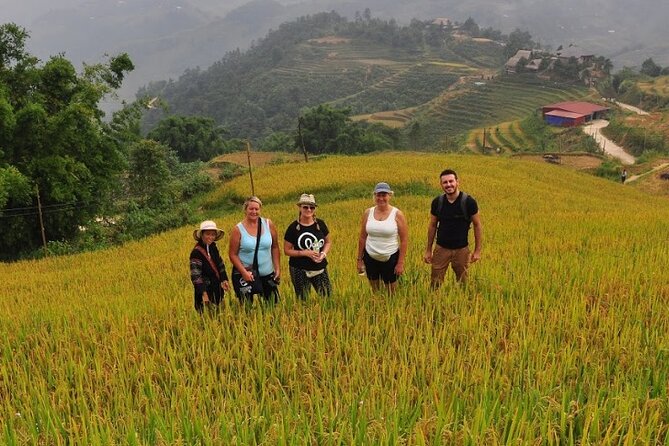
The tour allows a maximum of 15 people, which is small enough for a guide to manage a walking group without turning every village stop into a parade. A local English-speaking guide is included for Sapa, although guides may change with different routes.
Guide Suà received especially strong praise for explaining both culture and places visited. That combination matters here. The scenery is easy to admire, but a local explanation can help you understand the Black H’Mong, Red Dao, and Zay communities you meet along the route.
The Bac Ha segment includes a private car and guide. This can make the market day more flexible, though the overall journey still involves early starts and long transfers.
You should have moderate physical fitness. Bring water, sports shoes, comfortable clothes, and a light overnight bag. Drinks are not included, so budget for them separately. Insurance is also not included, and personal expenses and tips are your responsibility.
Who should book this Sapa and Bac Ha trip?
I would recommend this tour to you if you want a low-cost northern Vietnam trip with several moving parts handled for you. It suits people who enjoy mountain walking, simple accommodation, local guides, market scenes, and an overnight train.
It is also a smart choice if you want to connect Sapa with Ha Giang. The direct bus option can save a return journey to Hanoi.
I would hesitate if you dislike shared rooms, public bathrooms, muddy paths, early mornings, or long road transfers. The tour packs a lot into three days, and the $56 price reflects simple conditions rather than luxury.
The cancellation rule is reasonably useful: you can cancel up to six days before the experience for a full refund. Confirmation is sent at booking, and the activity begins and ends at the Hanoi meeting point unless your selected transport or optional Ha Giang connection changes that plan.
Should you book it?
Book this trip if you want maximum variety for a modest price and are happy to trade comfort for access. The best parts are the Ta Van homestay, the village walks, the local guide support, and Sunday morning at Bac Ha Market.
Skip it if you need a restful schedule or private facilities. Before booking, confirm the transport type, make sure your dates include Sunday for Bac Ha, and ask how the return or Ha Giang connection fits your plans. For an active visitor with limited time, this is an unusually full introduction to northern Vietnam.
FAQ
How long is the tour?
The experience lasts approximately three days.
Where does the tour begin?
It begins at Hanoi Train Station, at 120 Le Duan, Cua Nam, Dong Da, Hanoi.
What time does the train leave Hanoi?
The listed train departure is around 9:30 p.m., using train SP1, SP2, or SP3 depending on the arrangement.
When does the train arrive at Lao Cai?
The scheduled arrival is around 5 a.m., followed by a 40-kilometer transfer to Sapa.
Does the tour include a homestay?
Yes. You stay at a Ta Van homestay in a shared room or on a single mattress, with a public bathroom.
Does the tour visit Bac Ha Market every day?
No. Bac Ha Market takes place on Sunday morning, so you need to choose dates that match the Sunday schedule.
Is a guide included?
Yes. A local English-speaking guide is included in Sapa, and a private car and guide are included for the Bac Ha portion.
Is the tour suitable for every fitness level?
No. A moderate level of physical fitness is recommended because the trip includes trekking on village and mountain paths.
Can I continue from Sapa to Ha Giang?
Yes. An optional direct bus connection from Sapa to Ha Giang is listed, with departures at 2:30 p.m. and 7 p.m. The afternoon limousine bus takes about six hours.
Just added around Hanoi
- Sapa 2 Days 1 night By Bus/Train – Overnight in Hotel 3* With Mountain View★ 4.0 · 2 reviews
- Sapa Trekking Tour by Night Train from Hanoi 3 Nights – 2 days★ 5.0 · 7 reviews
- Hanoi city tour and drinking beside railway- group tour★ 4.0 · 7 reviews
- 3 Days Sapa Tour with Night Train from Hanoi★ 4.5 · 8 reviews
- Sapa – Bac Ha Trek Tour – Night Train & Bus & Homestay overnight★ 5.0 · 6 reviews
- Sapa 3 Days Trekking Tour ( Overnight Train + Homestay + Hotel )★ 5.0 · 4 reviews
- Hanoi Old Quarter Food Tour with Train Stress Visit★ 5.0 · 2 reviews
- Sa Pa Trekking 2 Days 3 Nights Homestay by Night Train★ 4.5 · 11 reviews
Markets, compared.

Day Trip to Bangkok Floating Market & Maeklong Railway
Read our review →
Railway and Floating Market Tour with Dragon Temple
Read our review →

Maeklong Railway & Amphawa Floating Market Day Trip
Read our review →
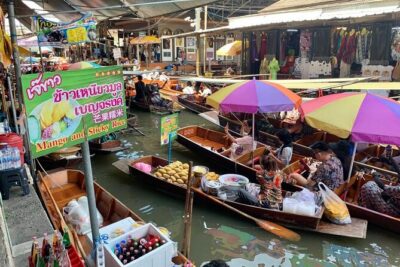
Floating Market and Train Tour with Guide in Spanish and English
Read our review →
Maeklong Railway & Floating Market Tour (Private & All-Inclusive)
Read our review →
Train & Floating Market Food Adventure + Scenic train ride
Read our review →Browse the lists this tour appears in