
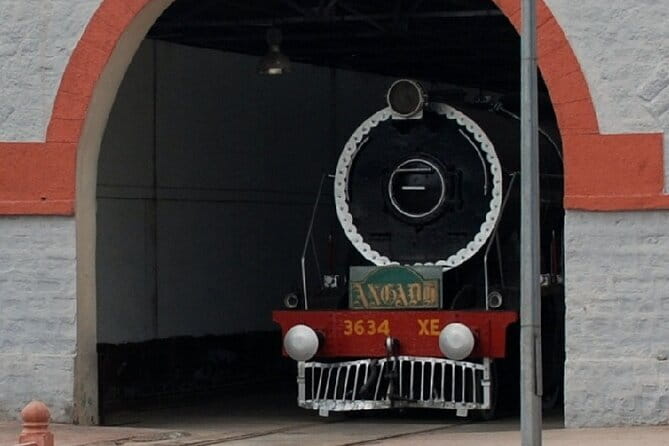
Review · NEW DELHI
Steam Engines And Railway Museum In Rewari From Delhi
Steam still has a story to tell. This private day trip from Delhi takes you to Rewari, where an old railway shed houses 11 restored steam engines, including the famous Fairy Queen, built in 1885. You also see Victorian railway equipment, an early signaling system, gramophones, and seats from older train coaches.
I like the unusual subject and the chance to see machinery that is both historic and functional. I also like the private format, with hotel pickup, an air-conditioned vehicle, an English-speaking guide, and time to explore without being tied to a large group. The main drawback is the price: at $165 per person, this is a costly outing unless you have a real interest in trains, engineering, or Indian railway history.
Key points to know before you book
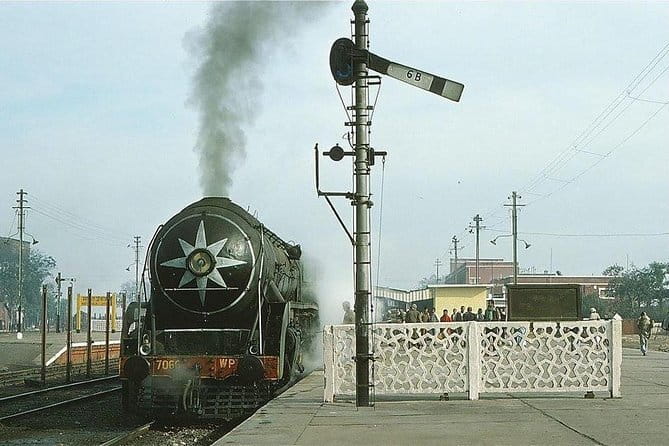
- The 1885 Fairy Queen is the headline engine: This famous locomotive is one of the museum’s most important displays.
- You see 11 steam engines in one place: The collection includes some of the oldest surviving steam locomotives in the world.
- The engines are restored and functional: Some may be used in live demonstrations, giving the visit more energy than a static display.
- Rewari is about 50 miles from Delhi: The drive takes around two hours each way, so much of the day is spent on the road.
- The museum preserves more than locomotives: Victorian signals, gramophones, and old coach seats help show how railway travel once worked.
- It is a private tour: Only your own group takes part, with hotel pickup and drop-off included.
Why Rewari makes a worthwhile railway detour
Rewari is not simply a place to park a few old locomotives. The railway shed is described as the only surviving steam locomotive shed of its kind in India, and its setting matters. This was part of the historic rail route linking Delhi with Peshawar, now in Pakistan. The location connects the machines to the wider story of rail travel across the Indian subcontinent.
That context gives the visit more meaning than a quick look at polished engines. These locomotives once belonged to a working railway system that carried people, goods, mail, and military traffic across great distances. At Rewari, you see the machinery close up and gain a sense of the work needed to keep steam railways moving.
I find railway museums most rewarding when they explain how a system operated, not just how the vehicles looked. Rewari offers that wider view through its signaling equipment, coach fittings, and other railway objects. You can look at the engines as impressive machines, but you can also connect them with the people and systems that ran the railway.
The collection is especially appealing if you grew up with train journeys, railway stories, or family memories connected with Indian rail travel. One account of the visit described the place as full of childhood memories and nostalgia. That feeling is important here. This is not only an engineering stop. For many people, it is a reminder of an older India and a slower style of travel.
More Railway Museums in New Delhi:
- Skip the Line: Historic RailPark and Train Museum Ticket with Guided Tour
★ 4.5 · 59 reviews - Prague: Railway Kingdom Giant Model Railway Museum
★ 4.4 · 54 reviews - Vienna: Kingdom of Railways Museum Entry Ticket
★ 3.6 · 50 reviews
The two-hour drive from Delhi
The tour begins with pickup from your Delhi hotel at 9:00 a.m. From there, you travel by private, air-conditioned vehicle to Rewari. The stated drive time is about two hours, and the distance is roughly 50 miles.
The private car is a useful part of the package. You do not need to find a station, arrange a separate taxi, or work out the return journey from a museum outside Delhi. You can also travel with your own group rather than sharing the day with strangers.
Still, you should be realistic about the timing. An eight-hour experience with about four hours of driving leaves roughly four hours for the museum and the surrounding schedule. The stated itinerary allows six hours at Rewari, but the exact balance may depend on traffic and the day’s arrangements. Ask for a clear timing plan when booking if you want to know how long you will have inside the museum.
Two bottles of mineral water per person are included, along with bottled water. Food and drinks are not included, so bring a little cash or arrange your own meal plan. One short account of a trip praised the food, taxi, hotel, and guide arrangements, but this tour’s listed inclusions do not promise meals. Treat food as an extra rather than part of the package.
Entering the railway heritage museum
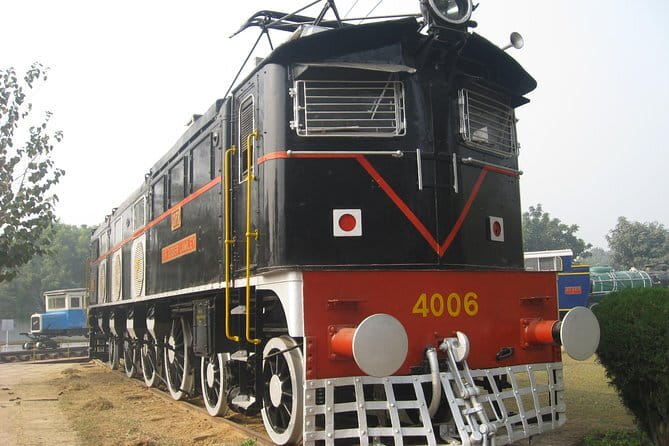
The museum’s main attraction is its collection of 11 steam engines. The engines are restored and fully functional, which changes the experience in an important way. You are not only looking at rusting railway equipment. You are seeing machines kept in working order, with some available for live demonstrations.
A working steam engine has a particular appeal. Its size, mechanical complexity, and old-fashioned design make it easy to understand why steam railways captured the public imagination. You can examine the shapes of the boilers, wheels, rods, and cabins, then think about the skill needed to operate and maintain them.
The engines are also useful for children because they are large, clear, and easy to understand. A child does not need to know railway terminology to appreciate the sight of a full-size locomotive. The visit can become more engaging when a guide explains what the parts did and how the trains were used.
The information available does not specify the exact schedule for live demonstrations, so do not assume that every engine will run during your visit. The possibility of seeing a demonstration is one of the tour’s attractions, but it may depend on the museum’s arrangements that day.
The museum has also supplied locomotives used in Bollywood films. That detail adds a light entertainment angle to the visit. You may recognize a machine from a film, or at least enjoy the thought that these engines have had a second life on screen.
Meeting the Fairy Queen, built in 1885

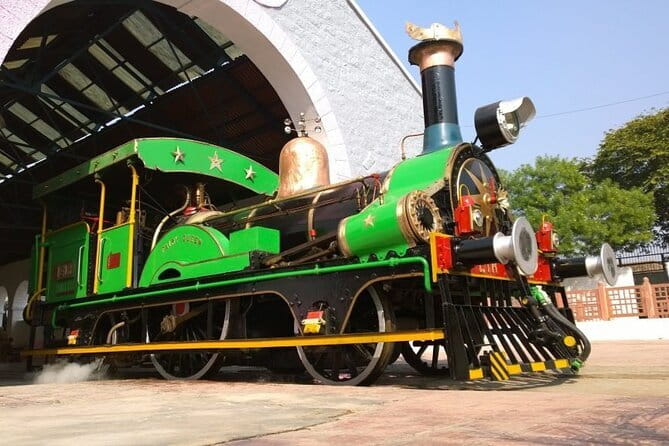
The Fairy Queen is the most important single object in the collection. Built in 1885, it is a striking example of early railway engineering and one of the oldest surviving steam locomotives connected with India.
Its appeal is not limited to age. The Fairy Queen helps you picture a period when railway technology was still developing and steam power shaped long-distance transport. It is the sort of object that can anchor the whole visit. Even if you are not a dedicated train enthusiast, you can understand why a locomotive from the late nineteenth century deserves special attention.
I would plan to spend time with the Fairy Queen rather than treating it as a quick photograph. Look at the proportions, the driving wheels, and the design of the engine. Then compare it with the other locomotives in the collection. The differences can help you see how railway technology changed over time.
The museum is a strong choice for anyone who enjoys old machines, but it also works for families. The short account focused on children enjoying the variety of engines and prototypes. That variety matters. A single locomotive can hold attention for only so long, while a group of different machines gives younger visitors more to discover.
More Steam Trains in New Delhi:
- Puffing Billy Railway: Heritage Steam Train Journey
★ 4.6 · 1,195 reviews - Mallorca in One Day Sightseeing Tour with Boat Ride and Vintage Train
★ 4.0 · 1,096 reviews - From Inverness: Jacobite Steam Train and Highlands Tour
★ 4.4 · 921 reviews - From Edinburgh: Magical Highlands Tour with Jacobite Train
★ 4.5 · 726 reviews
Victorian signals and the railway system behind the trains

The locomotives receive most of the attention, but the Victorian signaling system may be the most useful display for understanding railway operations. Trains cannot run safely on busy lines through engines alone. Signals, track rules, communication, and timing all form part of the system.
An old signaling installation gives you a glimpse of this less glamorous side of rail travel. It shows how railway workers controlled movement before modern electronic systems. The equipment can be particularly interesting if your guide explains how it was used and how signals helped prevent collisions.
The museum also contains gramophones and seats from old train coaches. These objects bring the railway experience down to a more human level. A locomotive shows power. A carriage seat shows what the journey felt like for the person sitting inside.
The gramophones add another small window into the period. Together, these displays suggest that the museum is about railway culture as well as railway hardware. You see the trains, the controls, the furnishings, and a few objects connected with life around the railway.
Do not rush past these smaller exhibits on the way to the engines. They may not be as dramatic, but they help explain how rail travel once looked and sounded. They also give your guide more material to discuss, especially if you enjoy stories about daily life rather than machinery alone.
What the private guide adds
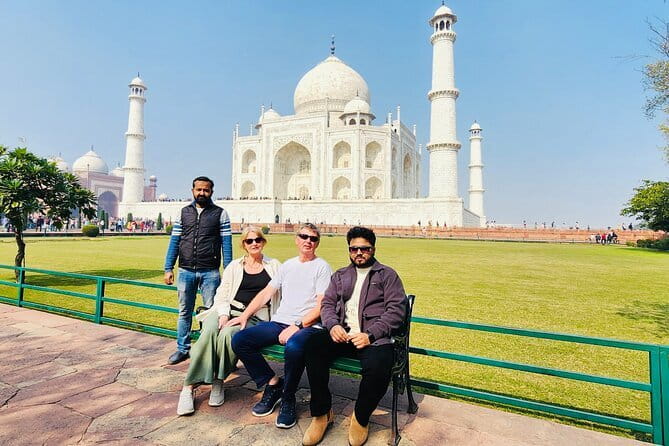
A local English-speaking guide is included. That matters because the value of a railway museum often depends on explanation. Without context, you may see a row of impressive engines but miss the reasons they were important.
The guide can help connect the Fairy Queen with the wider collection, explain the Victorian signaling equipment, and point out links with Indian railway history. One account of the trip praised the guide and the number of stories connected with the displays. That is a good clue about how to approach the visit: listen for the human stories behind the metal.
No guide’s name is supplied, so you should not expect a particular individual. Guide quality can vary, but the private format gives you a chance to ask questions and set the pace. If your group includes children, ask for simple explanations and demonstrations. If you are a railway enthusiast, ask for technical details and comparisons between the engines.
The guide may also help you get more from the museum’s film connections and older railway objects. A small display can become memorable when someone explains where it was used and why it mattered.
Is $165 per person fair value?
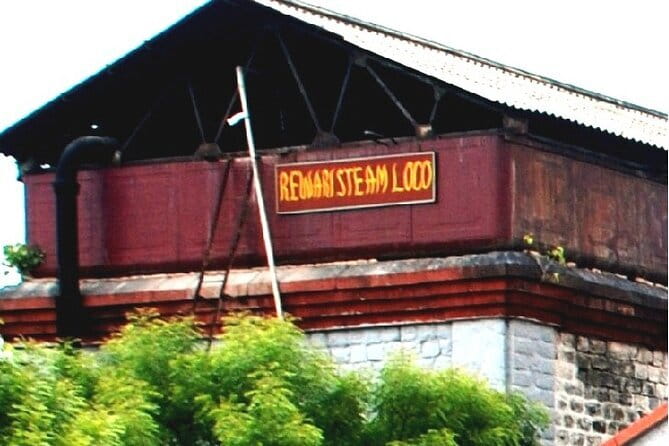
The price is $165 per person, which places this firmly in the premium day-trip category. You are paying for more than museum admission. The package includes a private air-conditioned vehicle, hotel pickup and drop-off, a local English-speaking guide, bottled water, and the convenience of having the full day organized from Delhi.
That can be good value for a small private group that wants comfort and simplicity. Delhi is a large city, and arranging transport to Rewari on your own may take time and involve separate costs. A private car also makes sense if you want a flexible day with your own companions.
The price is harder to justify if you are only mildly interested in trains. The museum is specialized, and the long drive takes up a large share of the day. A budget-conscious visitor may prefer a less expensive outing, especially if the group can arrange transport independently.
I would see this as a passion purchase rather than a general sightseeing bargain. It suits someone who already enjoys railways, industrial history, old technology, or unusual day trips. It is also easier to justify for a family with children who love trains, since the private vehicle and guide can make the outing less tiring.
Group discounts are available, so check whether the per-person cost improves when more people join your party. Since the tour is private, a family or group of friends may get better value than a solo visitor.
Who should take this day trip?

This outing is best for:
- Families with children who enjoy trains and large machines
- Railway enthusiasts interested in steam locomotives
- Visitors who want a less typical excursion from Delhi
- People interested in engineering and industrial history
- Anyone with personal memories of older Indian railway travel
- Small groups that value private transport and a personal guide
It is less suitable if you want a relaxed day with very little driving. The return journey from Delhi is substantial, and the museum’s focus is narrow. You should also be comfortable with walking and standing. Comfortable clothes and walking shoes are sensible, and a moderate level of physical fitness is recommended.
The tour is not recommended for pregnant women or people with back problems. Children must be accompanied by an adult. These restrictions are worth taking seriously because the day includes a long road journey and time spent moving around the museum.
Practical planning for the day
Start with a good breakfast because food is not included. Bring water beyond the two bottles supplied if you usually drink a lot during warm-weather outings. Comfortable shoes will make the museum visit easier, especially if you spend time moving between engines and displays.
Keep your phone ready for photographs, but give yourself time to look closely at the exhibits. The Fairy Queen is an obvious subject, yet the old coach seats, gramophones, and signals may provide more unusual pictures and better memories.
Ask the guide early about live demonstrations. If one is planned, you can organize your time around it rather than discovering it at the end of the visit. Also ask how much time is available at the museum, since the drive, traffic, and return schedule can affect the visit.
The tour starts at 9:00 a.m. and returns to the original meeting point in New Delhi. Confirmation is provided when you book. Free cancellation is available if you cancel at least 24 hours before the start time. Cancellations or changes made inside that period are not accepted for a refund.
Should you book the Rewari railway tour?
Book it if the words steam engines, Fairy Queen, and old Indian railways already catch your attention. The restored locomotives, Victorian signals, and railway objects offer a focused look at a part of India’s transport past that many visitors to Delhi never see.
Skip it if you want a cheap or fast excursion. The $165 price, long drive, and specialized subject require genuine interest. For families, railway fans, and small groups seeking an unusual private outing, the comfort and guide help make the cost more reasonable. For everyone else, Rewari may be too much road time for one museum.
FAQ
Where does the tour begin and end?
The tour begins in New Delhi, with pickup from your hotel, and ends back at the original meeting point in New Delhi.
What time does the tour start?
The stated start time is 9:00 a.m.
How long does the drive to Rewari take?
The drive from Delhi to Rewari takes about two hours, and Rewari is roughly 50 miles from Delhi.
What is the Fairy Queen?
The Fairy Queen is a steam engine built in 1885. It is one of the main attractions at the Rewari Railway Heritage Museum.
Is transportation included?
Yes. The tour includes transport in a private air-conditioned vehicle, along with hotel pickup and drop-off.
Is food included?
No. Food and drinks are not included unless specifically stated. Two bottles of mineral water per person and bottled water are included.
What is the cancellation policy?
You can cancel at least 24 hours before the experience starts for a full refund. Cancellations or changes made less than 24 hours before the start time are not accepted for a refund.
More Museum Visits in New Delhi
- Brussels: Train World Museum Entrance Ticket
★ 4.7 · 524 reviews - London: Postal Museum Entry Ticket and Underground Rail Ride
★ 4.6 · 363 reviews - Brussels Train World Museum Entrance Ticket
★ 4.5 · 220 reviews - From Krakow: Zakopane Tour with Gubalowka Funicular & Museum
★ 4.5 · 80 reviews
Just added around New Delhi
- Taj Mahal and Agra Tour By India’s Fastest Train★ 5.0 · 2 reviews
- Private Tajmahal Day Tour From New Delhi By Gatiman Express Train★ 5.0 · 14 reviews
- Taj Mahal & Agra Tour From Delhi By Fastest Train★ 5.0 · 7 reviews
- Taj Mahal and Agra Fort Tour By Fastest Train – Gatiman Express★ 5.0 · 2 reviews
- Taj Mahal & Agra Fort Visit by Gatimaan Express Train★ 5.0 · 4 reviews
- Enchanting Taj Mahal Same Day Tour by Gatiman Train From Delhi★ 5.0 · 4 reviews
- From Delhi: Taj Mahal & Agra Tour by Gatimaan Express Train★ 5.0 · 11 reviews
- Taj Mahal Tour by Gatimaan Express Train With Lunch At 5 Star Hotel★ 5.0 · 8 reviews
Steam Trains, compared.
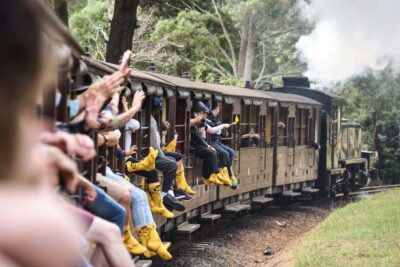
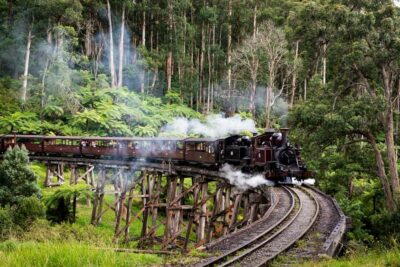
Puffing Billy Railway: Heritage Steam Train Journey
Read our review →
Mallorca in One Day Sightseeing Tour with Boat Ride and Vintage Train
Read our review →
From Inverness: Jacobite Steam Train and Highlands Tour
Read our review →
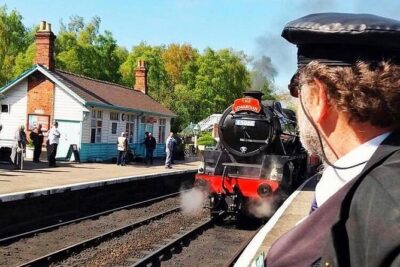
Moors, Whitby & The Yorkshire Steam Railway Day Trip from York
Read our review →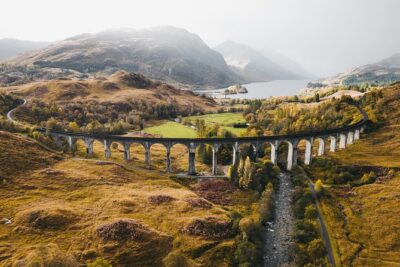
Scotland in 5 Days Including Jacobite Steam Train from Edinburgh
Read our review →Browse the lists this tour appears in