
Review · STEAM TRAINS
With the steam train through Transylvania- 8 Day
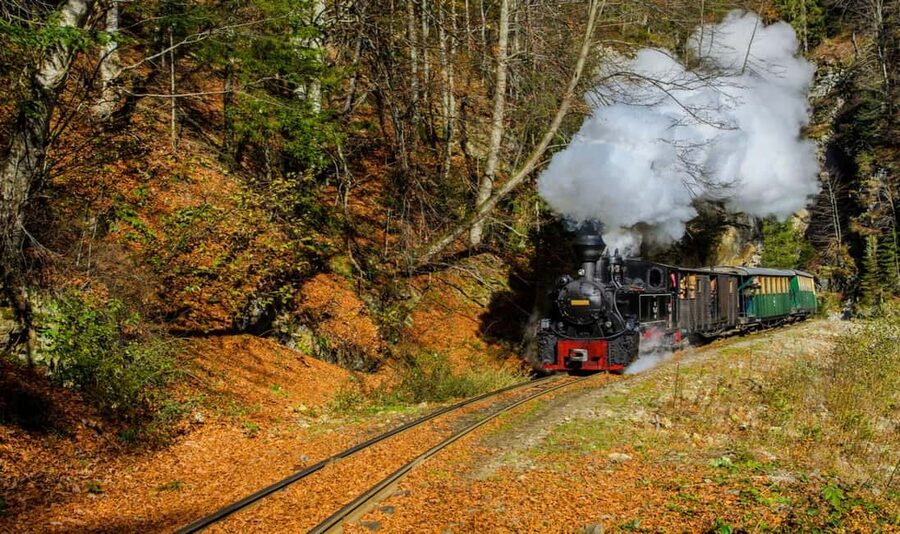
The rails tell Transylvania’s story. This eight-day trip combines two steam train rides with medieval towns, fortified churches, mountain valleys, and old craft traditions, giving you a broad look at Romania without requiring you to plan each connection yourself. I especially like the slow ride through the Vaser Valley and the chance to pair famous places such as Sighisoara and Bran Castle with smaller stops such as Boian and Sapanta.
I also like the strong range of experiences for the price. At $959 per person, you receive seven hotel nights, half board, transport by modern bus or minibus, a guide, a carriage ride, two rail excursions, and a festive dinner with folklore. The main consideration is pace: you cover a lot of ground in eight days, and several days involve long road transfers as well as sightseeing.
The human side of the trip matters here. Monica, the guide, and Costi, the driver, earned especially warm praise for being attentive, easy to spend time with, and a strong team. Still, this is a fixed-date group journey, not a flexible independent trip, so check the schedule carefully before arranging flights.
Five details that make this journey special
- The Vaser Valley steam train: A 760-millimeter narrow-gauge railway carries you through forests, bridges, tunnels, and the Carpathian Mountains, with a mountain picnic and drinks included.
- Sighisoara’s medieval center: You visit the Clock Tower, the house associated with Count Dracula’s birth, and the Church upon the Hill.
- A carriage ride at Boian: This slower, local-style outing leads to a fortified church and gives the day a different rhythm from the bus tours.
- Salt, thermal baths, and mountain roads: Turda Salt Mine and the resort of Sovata add underground scenery and spa-country character to the usual castle circuit.
- A broad package at $959: Seven nights, half board, guide services, bus transport, two steam train rides, and a final folklore dinner are all included.
- Seven fixed departures in 2026: The tour runs only from May 26 to June 2, June 23 to 30, July 21 to 28, August 11 to 18, September 8 to 15, and October 6 to 13.
Why the train is the real heart of the trip
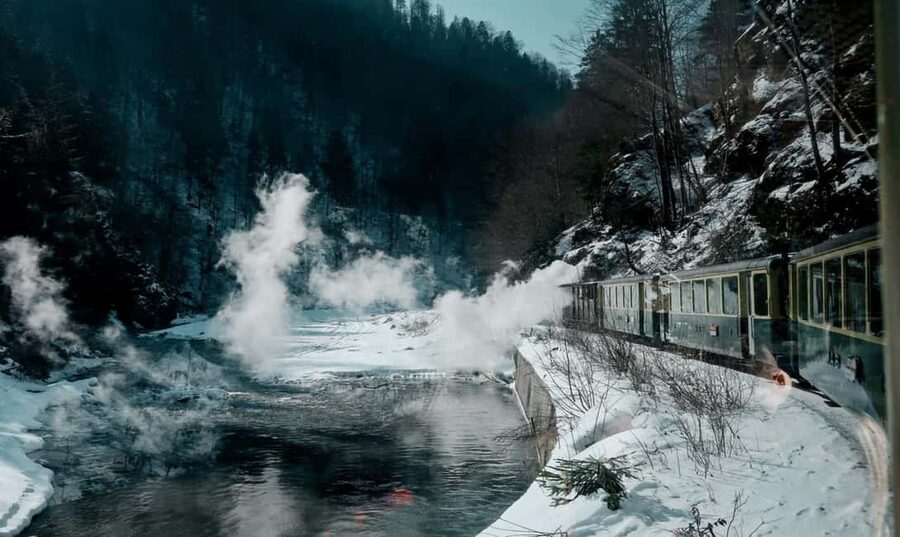
Romania is a rewarding place to see by road, but this journey is built around the romance of rail travel. You hear the wheels, watch the scenery change at a measured pace, and get a better sense of how mountain routes once connected remote communities.
The most impressive rail day begins at Viseu de Sus. The narrow railway measures only 760 millimeters across, and the train follows the Vaser River into a forested part of the Carpathians. Bridges and tunnels add a little drama, but the appeal is not speed or spectacle. It is the quiet rhythm of a historic railway moving through a wild setting.
The valley was used by the Austrian monarchy in the 18th century as a water route through the Carpathian forests. That detail gives the ride a useful sense of place. You are not simply taking a scenic train for an hour or two. You are following an old route shaped by timber, rivers, and mountain work.
A picnic with drinks is included in the mountains. That makes the train outing feel like a full excursion rather than a short photo stop. You should still bring comfortable clothing and sunglasses, as the day takes place outdoors and includes time around the railway.
The second rail ride runs from Sovata to Campu Cetatii and back. Sovata is known for its thermal baths, so this part of the trip shifts from forest railway to health-resort country. The ride is shorter in spirit than the Vaser Valley outing, but it adds another view of Romania’s narrow-gauge rail tradition.
More Steam Trains in the world:
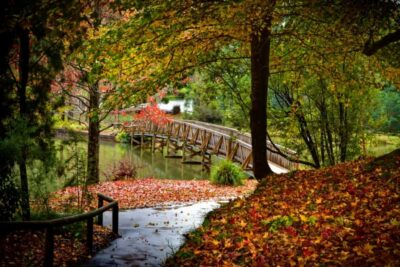
- Puffing Billy Railway: Heritage Steam Train Journey
★ 4.6 · 1,195 reviews - Mallorca in One Day Sightseeing Tour with Boat Ride and Vintage Train
★ 4.0 · 1,096 reviews - From Inverness: Jacobite Steam Train and Highlands Tour
★ 4.4 · 921 reviews
Day one: the Olt Valley, Cozia, and Sibiu
The route begins with a drive along the Olt River and through the Red Tower Pass, an old border area between Wallachia and Transylvania. This is a useful geographic introduction. Romania’s historic regions were not always one political unit, and the pass helps explain why the journey feels like a crossing from one old world into another.
Cozia Monastery is the first major stop. It is described as the oldest monastery in Romania, making it more than a quick church visit. Give yourself time to notice the religious setting and the age of the site rather than treating it as a box to tick.
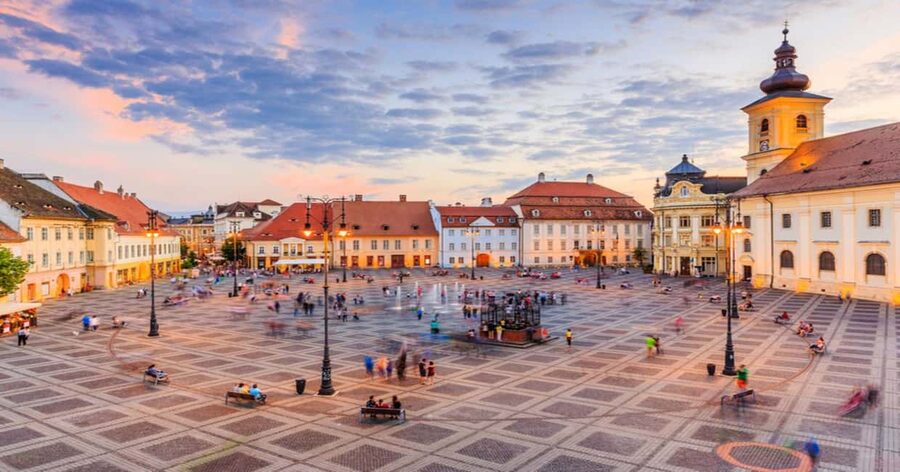
In the afternoon, you reach Sibiu, the former European Capital of Culture in 2007. The city tour includes the Big and Small Rings, the Bridge of Lies, and the Orthodox Cathedral. The two squares provide a clear introduction to Sibiu’s urban center, while the Bridge of Lies adds a bit of local character.
The day finishes in Bazna. That means the opening day combines a river valley, monastery, major city, and evening transfer. It is a full start, and you may feel that the schedule favors coverage over lingering. On the other hand, the guided structure helps you see important places without spending time working out roads and parking.
Day two: Biertan, Sighisoara, and a horse-drawn finish
The morning takes you to Biertan and its large Saxon church, described as the biggest Saxon church in Transylvania. Saxon communities left a strong mark on the region, especially through fortified churches and compact settlements. This stop gives context to the architecture you will see later in the trip.
Sighisoara is the day’s main attraction. The old town tour includes the Clock Tower, the birthplace of Count Dracula, and the Church upon the Hill. Sighisoara is one of those places where the setting does much of the work: stone lanes, defensive buildings, and elevated viewpoints make the medieval character easy to grasp.
The Dracula connection is best treated as a historical curiosity rather than the whole reason to visit. The town itself matters more than the legend. You get a clearer picture of Transylvania when you look at its churches, towers, and urban layout instead of chasing only vampire stories.
In the afternoon, a carriage ride takes you to the fortified church of Boian. I like this inclusion because it slows the day down and shifts attention to rural Transylvania. The ride also gives you a break from walking and bus travel. If you want only the biggest sights, Boian may feel modest. If you want older local traditions and a less polished stop, it may be one of the day’s better choices.
Day three: Turda’s salt mine and the road to Maramures
Turda Salt Mine changes the visual mood completely. You go below ground to see a major salt-mining site, then return to the surface for a city tour in Cluj-Napoca. The contrast is useful: Turda offers an unusual underground setting, while Cluj brings you back to urban Romania.
Cluj-Napoca’s tour includes the Orthodox Cathedral and the statue of Mathias Corvinus. The city stop is relatively focused, so do not expect a long independent exploration of every district. Instead, you get a clear introduction to two important landmarks before continuing west and north.
The road then carries you to Sapanta and the Merry Cemetery. The name is a clue to its unusual character. Its painted grave markers and direct scenes present death with color, humor, and everyday detail rather than solemn silence. It is one of the more distinctive cultural stops on the route.
You spend the night in Sighetu Marmatiei. This day involves substantial road time, so it is worth viewing the journey itself as part of the experience. The payoff is a move from Transylvanian towns toward Maramures, a region associated here with older customs and living craft traditions.
More Train Journeys in the world:
- Mt Fuji & Hakone Cruise, Drum Show Bullet Train 1 Day from Tokyo
★ 4.0 · 7,413 reviews - Montserrat & Cogwheel Train, Gourmet Wine Tasting & Tapas/Lunch
★ 5.0 · 6,290 reviews - From Milan: Lake Como Cruise, St. Moritz & Bernina Red Train
★ 4.6 · 5,648 reviews - Tokyo Mt Fuji 5th St & Hakone Cruise Bus Tour w/Bullet Train
★ 4.4 · 5,024 reviews
Day four: the Vaser Valley steam railway
From Sighetu Marmatiei, you drive to Viseu de Sus, where the steam train awaits. This is the trip’s signature outing and likely the day most rail fans will remember.
The train follows the Vaser River on a 760-millimeter narrow-gauge line. The route passes through forest, across bridges, and into tunnels, with the Carpathian scenery opening around you. The pace allows you to look rather than rush. You may find yourself watching the river, the tracks, and the changing slopes more than taking photographs.
The excursion includes a picnic with drinks in the mountains. That is practical as well as pleasant, since the train ride takes you away from town services for part of the day. Afterward, you transfer to Bistrita for the night.
This day is also a reminder of the tour’s physical rhythm. You are not sleeping near every attraction. Bus transfers connect the railway excursions and city visits, so comfortable clothes are a sensible choice. The included transport takes care of the complex movement, but it does not remove the hours spent on the road.
Day five: Sovata, Campu Cetatii, and Predeal
Sovata is known internationally for its thermal baths, and the stop adds a different side of Romania to the trip. The resort setting breaks up the sequence of churches, old towns, and castles.
You then board another narrow-gauge steam train from Sovata to Campu Cetatii and back. It is a second chance to enjoy the gentle motion of a historic railway, though the setting differs from the more remote Vaser Valley route.
The trip continues through Praid and Homorod to Predeal. These transfers connect central Transylvania with the mountain resort area. This is another long day, and the schedule leaves little room for a spontaneous spa visit or a long independent walk in Sovata. You are seeing several places, but you are doing so within a carefully managed route.
Day six: Brasov, Bran Castle, and Peles Castle
The drive to Brasov brings another major Romanian city into view. The short tour focuses on the old city center, giving you time to see its main historic character without turning the day into a full urban stay.
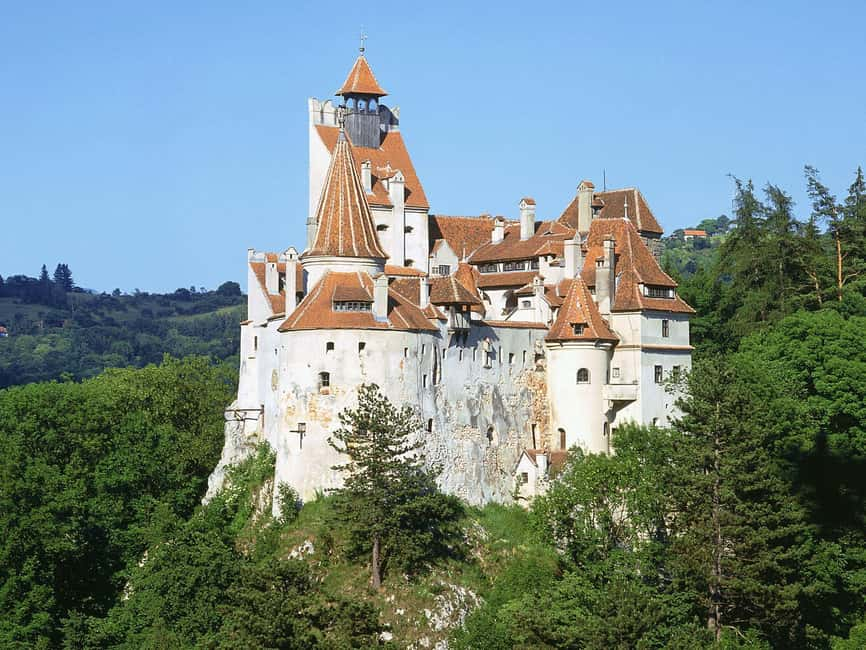
Next comes Bran Castle, widely known as Dracula’s Castle. The building’s connection with the Dracula story helps draw visitors, but the castle itself is the more useful reason to go. You can judge the setting, rooms, and hilltop position for yourself rather than expecting a theme-park version of the legend.
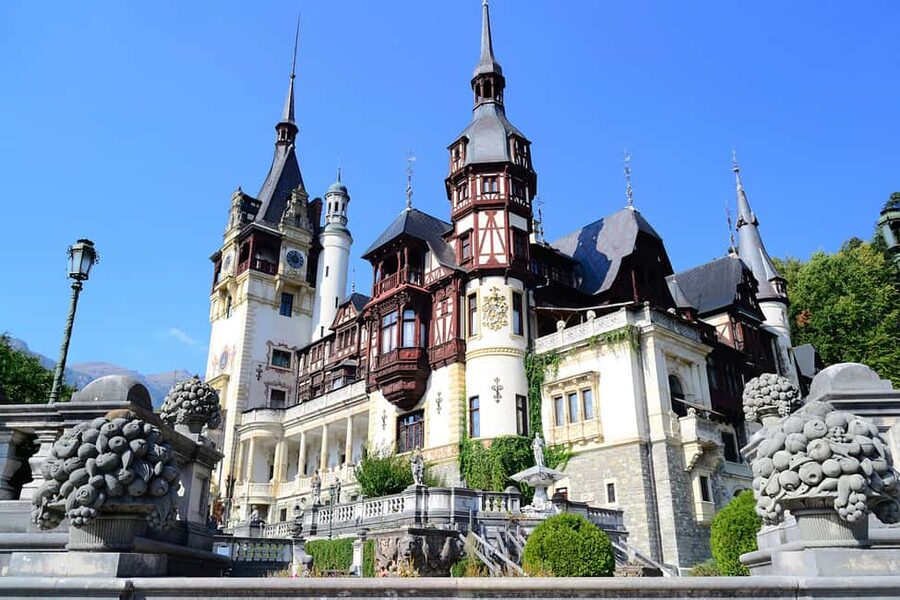
A short stop in Sinaia follows, with an exterior visit to Peles Castle. The palace was the Romanian royal family’s former summer residence. Since the visit is exterior only, you should set expectations correctly. You will admire the architecture and grounds from outside, but you will not tour the interiors as part of this program.
The route then continues to Bucharest. This is a packed sightseeing day, but it links three well-known places without requiring you to arrange separate day trips. If you prefer slow museum visits, the schedule may feel tight. If you want a strong first look at Romania’s best-known castles and towns, it works well.
Day seven and eight: Bucharest, village traditions, and a final dinner
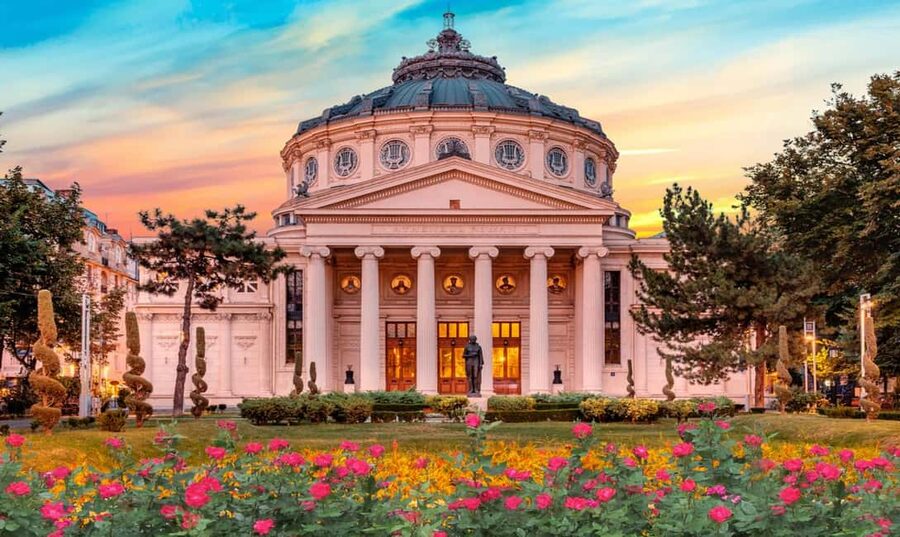
Bucharest sightseeing includes the Patriarchal Church and the Village Museum. The museum gives you a chance to see traditional rural buildings and craft traditions in a capital-city setting. It pairs nicely with the earlier fortified churches and village stops because you can compare local life across different regions.
The final evening includes a festive dinner and folklore program at Hanul lui Manuc. This is a theatrical finish, but it is also a practical way to enjoy Romanian food and music without hunting for a restaurant after a long trip. The meal is included, which improves the value of the package.
The tour lasts eight days and includes seven overnight stays. The supplied schedule describes the return to Bucharest after the final sightseeing and dinner program. Since the exact departure and return arrangements matter for flights, wait for written confirmation before booking airfare. The operator says its response is usually within 24 hours.
What the $959 price really buys you
At $959 per person, the tour offers solid value if you want an organized route through several Romanian regions. Seven nights in three-star and four-star hotels, half board, a tour guide, bus or minibus transport, a carriage ride, two steam train rides, and the final dinner are included.
That list matters because transport is the difficult part of this journey. Viseu de Sus, Sovata, Biertan, Sapanta, Turda, and the castle stops are spread over a wide area. Renting a car could give you more freedom, but it would also require managing long drives, unfamiliar roads, hotel changes, and railway schedules.
Personal expenses are not included, so bring cash for items outside the package. Sunglasses and comfortable clothing are specifically recommended. Alcohol and drugs are not allowed on the tour.
The value is strongest for someone who wants a broad introduction with meals and transport arranged. It is weaker for a person who prefers choosing hotels, lingering in one town, or deciding each morning where to go next.
Who will enjoy this trip most
I would recommend this experience to you if you like:
- Historic towns, churches, castles, and traditional villages
- Scenic railways and slow travel
- A mix of city tours, rural stops, and mountain scenery
- Having a guide and driver handle the route
- Full days with several planned stops
- Meeting local culture through food, folklore, and old crafts
It suits couples, small groups, and curious first-time visitors to Romania. The guide service is available in English, German, Spanish, and Italian. A particularly good guide can make the architectural details in Sibiu, Sighisoara, and the fortified churches much easier to understand. Monica received especially strong praise for her attentiveness and clear grasp of architecture, while Costi was praised as a capable and pleasant driver.
I would hesitate if you need free time every day, dislike changing hotels, or find long road transfers tiring. This is not a restful spa holiday, even though Sovata appears on the route. It is a moving tour with a lot of ground covered.
Fixed dates and practical planning
The tour runs only on these 2026 dates:
- May 26 to June 2
- June 23 to June 30
- July 21 to July 28
- August 11 to August 18
- September 8 to September 15
- October 6 to October 13
The dates shown represent the full tour, with the first date as departure and the last as return. Confirm your place in writing before booking flights, since the operator specifically asks you to wait for that confirmation.
Free cancellation is available up to 24 hours before departure for a full refund, and you can reserve now and pay later. Those terms make planning easier, but they do not change the need to check the fixed dates against your wider trip.
Should you book With the Steam Train Through Transylvania?
Book it if you want a well-organized first visit to Romania that mixes railway history, medieval towns, castles, village traditions, and local food. The Vaser Valley train, Boian carriage ride, Sighisoara tour, and final folklore dinner give the itinerary more character than a simple castle circuit.
Skip it if you want long stays in fewer places or prefer to travel independently. The route is busy, and several transfers are substantial. For the right person, though, $959 buys an efficient and memorable week, with the added comfort of a guide, driver, included meals, and two genuinely special steam train excursions.
FAQ
How long is the tour?
The tour lasts eight days and includes seven overnight stays.
What is included in the price?
The package includes seven nights in three-star and four-star hotels, half board, a tour guide, transport by modern bus or minibus, a carriage ride, a festive dinner, a folklore program, and two steam train rides.
Which languages are available for the guide service?
Guide service is available in English, German, Spanish, and Italian.
When does the Vaser Valley steam train ride take place?
The Vaser Valley ride takes place after the transfer to Viseu de Sus. The 760-millimeter narrow-gauge train follows the Vaser River through the Carpathians, and a mountain picnic with drinks is included.
What dates are available in 2026?
Departures are scheduled for May 26, June 23, July 21, August 11, September 8, and October 6. Each tour lasts eight days.
Can I cancel or pay later?
You can cancel up to 24 hours in advance for a full refund. You can also reserve your place and pay later.
Just added around the world
- Zermatt Village & Gornergrat Railway Tour | From Bern★ 5.0 · 2 reviews
- Zagreb: Plitvice With Secured Tickets, Boat And Train Ride★ 4.6 · 15 reviews
- Winter Tour Viking Village, Nærøyfjord Cruise & Flåm Railway★ 4.6 · 26 reviews
- York Day Rail Tour from London including Hop-on Hop-off tour★ 5.0 · 3 reviews
- Ventura: Rail Bike Guided Tour with Farm Stand Stop★ 4.1 · 18 reviews
- Virginia City Day Tour From Lake Tahoe with Train Ride★ 4.8 · 19 reviews
- Exclusive Panoramic Train Journey though the Heart of Swiss★ 5.0 · 8 reviews
- Meteora: 2-Days Train Tour from Thessaloniki – Local Agency★ 4.7 · 15 reviews
Steam Trains, compared.
Puffing Billy Railway: Heritage Steam Train Journey
Read our review →
Mallorca in One Day Sightseeing Tour with Boat Ride and Vintage Train
Read our review →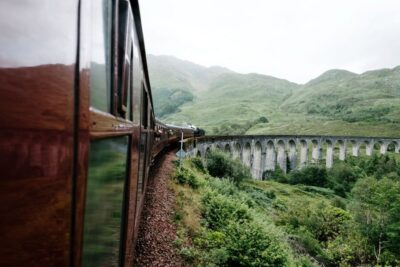
From Inverness: Jacobite Steam Train and Highlands Tour
Read our review →
Moors, Whitby & The Yorkshire Steam Railway Day Trip from York
Read our review →
Scotland in 5 Days Including Jacobite Steam Train from Edinburgh
Read our review →Browse the lists this tour appears in