
Review · GERMANY
Dachau Concentration Camp Memorial Tour with Train from Munich
History here is impossible to keep at arm’s length. This five-hour visit from Munich combines public transport with a carefully led walk through Dachau Concentration Camp Memorial Site, helping you connect the place to the Nazi regime and the prisoners who suffered there. I especially like the round-trip train and bus transport, which removes the fuss of finding your own way, and the guides’ strong focus on prisoner experiences. The main drawback is time: five hours is enough for a guided introduction, but not enough to read every museum display at an unhurried pace.
The tour costs $56.84 per person and includes the guide, taxes, fees, and transport, making it a fair deal if you want historical context rather than a quick look around. I also like the smaller booking limit of eight people, even though the full tour can reach 30 participants. Go prepared for a serious, emotional day, plenty of walking, and cold weather if you visit in winter.
Key points to know before booking
- The tour starts at Marienplatz and ends near Munich Hauptbahnhof, using local train, bus, and walking connections.
- The main visit lasts about three and a half hours, with the full outing taking roughly five hours.
- The guide explains the cells, barracks, gas chamber, museum, and liberation of the camp in 1945.
- A 22-minute English documentary is shown, and the subject matter is not suitable for children under 13.
- The 1:15 p.m. departure is quieter, with about one-third as many participants as the morning tour.
- You need good physical fitness, since the visit includes extensive walking, standing, and time outdoors.
Why Dachau needs more than a quick visit
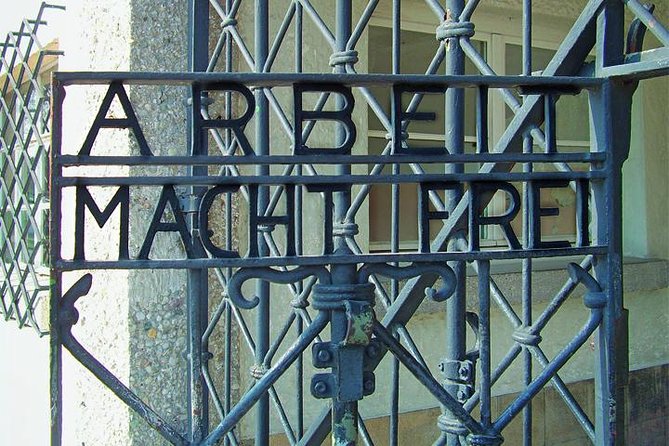
Dachau was the first regular concentration camp established by the Nazi regime, and it later served as a model for the wider camp system. A visit here is not a sightseeing stop in the usual sense. You are coming to confront a place shaped by imprisonment, forced labor, starvation, murder, and the destruction of human dignity.
That is why a guide can make such a difference. Without context, the grounds can look stark and strangely quiet. With a guide, the buildings, photographs, documents, and empty spaces begin to form a connected story about how persecution developed and how the camp system operated.
The tour explains events from the camp’s creation through its liberation by US forces in 1945. It also places Dachau within the larger history of National Socialism, which helps you understand that the camp did not appear in isolation. The guide’s job is not simply to point out buildings. It is to explain what happened there and why it matters.
You should expect a serious tone throughout. Several guides, including Jessie, Aileen, Michael, Mat, Connie, and Stephanie, have been praised for presenting difficult material with care and clarity. The best guides balance facts with personal accounts, giving you time to think without turning the visit into a dry lecture.
More Train Journeys in Germany:
- Nuremberg: City Tour with the Bimmelbahn Train
★ 4.4 · 2,475 reviews - Würzburg: City Tour with the Bimmelbahn Train
★ 4.4 · 1,322 reviews - Regensburg: City Tour with the Bimmelbahn Train
★ 4.3 · 1,010 reviews
From Marienplatz to Dachau by local transport
Your meeting point is at Marienplatz in central Munich. From there, the group travels by public transport toward Dachau, using the local train and then a bus, followed by a short walk to the memorial site.
This arrangement is practical for a visitor staying in Munich. You do not need to work out the correct train, bus connection, or ticket details on your own. The guide keeps the group together and provides historical background during the journey. One particularly positive aspect of this setup is that the history lesson begins before you reach the grounds.
Public transport does introduce some uncertainty. A service interruption once caused extra walking and additional train changes, extending the day. The guide still made sure everyone reached the memorial site, but you should avoid scheduling an important appointment immediately afterward.
The tour finishes near Munich Hauptbahnhof, the city’s main railway station. That is convenient if you plan to continue sightseeing, catch a train, or return to your hotel from the central station. The exact journey can take longer than the advertised schedule if transport problems occur.
The memorial grounds and the weight of the place
The guided visit at Dachau takes about three and a half hours. Much of it is outside, so your comfort depends heavily on clothing and weather. In winter, the grounds can be bitterly cold. Wear warm layers and shoes suitable for extended walking.
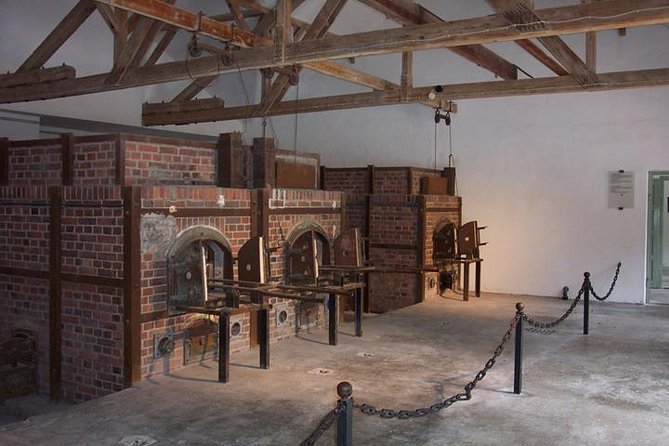
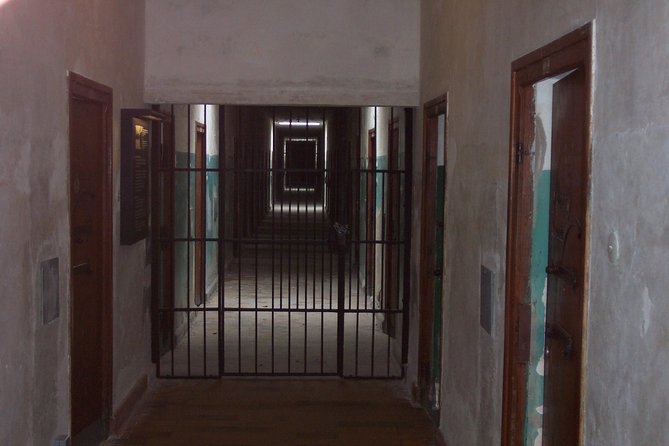
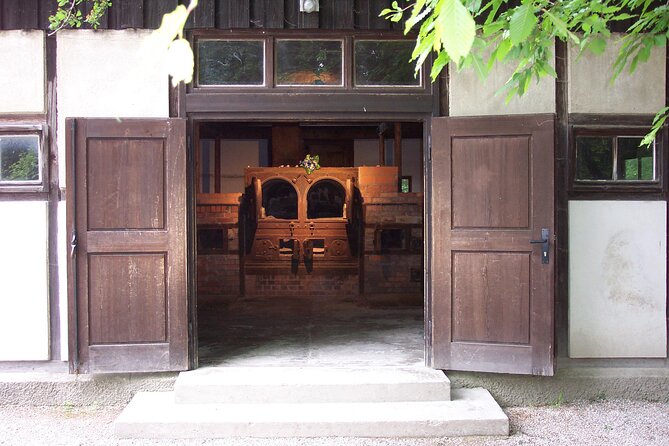
The tour covers the main areas of the memorial site, including the former prisoner cells, barracks, gas chamber, and museum exhibitions. The guide explains what each space represents, rather than leaving you to interpret bare rooms and reconstructed structures without help.
The barracks are particularly important because they reveal the crowded and controlled conditions imposed on prisoners. The cells help show how confinement was used as punishment. The gas chamber is among the most disturbing parts of the route, and you should be ready for a quiet, difficult moment rather than a conventional attraction.
Photographs and documents add human detail to the visit. The guide connects these exhibits to individual prisoner experiences, including the period when the camp was established, the years of imprisonment, and the final liberation. Several guides have been praised for sharing survivor stories, which can make the history more personal without reducing it to a collection of statistics.
The experience is intense. That is not a flaw, but it is something you should consider honestly before booking. You may leave saddened, angry, thoughtful, or emotionally drained. The tour is designed to educate and remember, not entertain.
The museum: guided explanation versus free reading time
The museum contains a large amount of written material and historical evidence. One visit cannot cover everything. A five-hour excursion gives you a strong framework, but it does not give you enough time to study every artifact and panel at your own pace.
This is the biggest point of tension in the experience. Some guides spend a great deal of time explaining the subject, sharing stories, and answering questions. That works well if you want a structured history lesson. It is less satisfying if your main goal is to read the museum displays independently.
I would choose this tour if you want help understanding what you are seeing. Guides such as Mat and Michael have been praised for offering broad background on Dachau, the Second World War, and the years before and after the camp’s operation. Jessie has been praised for allowing time to read exhibitions and answering questions, including detailed questions from younger members of the group.
Still, the amount of free museum time can vary with the guide and the pace of the group. If you want to examine most of the artifacts, you would need more than this half-day visit. The memorial site could occupy a full day, but this tour focuses on giving you a guided overview within a fixed schedule.
A useful strategy is to tell the guide early that you want some quiet time with the displays. That may help balance the walking commentary with your own reading. You should not expect to see everything.
Same tracks, a different day out:
- Guided Dachau Concentration Camp Memorial Site Tour with Train from Munich
★ 5.0 · 920 reviews - Nuremberg: Nuclear Bunker in Main Railway Station
★ 4.7 · 262 reviews - Private Sachsenhausen Concentration Camp tour with train
★ 5.0 · 205 reviews - Herrenchiemsee Palace and Fraueninsel Rail Trip from Munich
★ 4.5 · 97 reviews
The English documentary and age limits
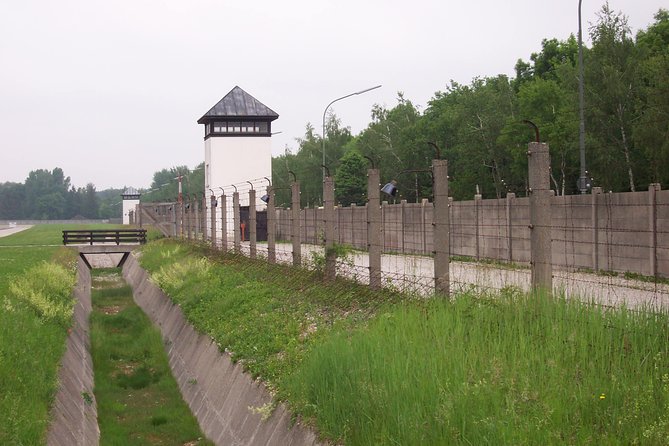
A 22-minute documentary in English forms part of the visit. It adds another layer of explanation through film, but the subject matter is considered unsuitable for children under 13.
The tour itself does not allow children under 14, so this is not a suitable family outing for younger children. Even teenagers who meet the age requirement should be prepared for graphic and upsetting material. Parents should make that decision carefully rather than assuming that a historical memorial will feel like an ordinary museum.
The age restriction also helps preserve the serious atmosphere of the site. This is a place where quiet attention matters, and the film reinforces the difficult nature of what you are seeing.
Group size, guide quality, and the quieter afternoon departure
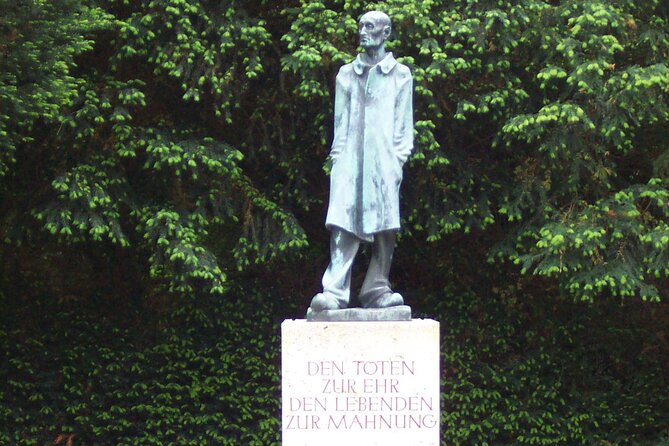
The provider allows a maximum of eight people per booking, while the total tour can reach 30 participants. That means your own reservation can be small, but you may still join a larger group on the day.
Group size affects how easily you can hear the guide, especially outdoors. One person found that a guide’s voice did not carry well and felt a microphone would have helped. That is a fair concern because the memorial grounds are open and the group may spread out.
The guide is the heart of this experience. The strongest feedback focuses on clear English, careful handling of the subject, strong historical preparation, and willingness to answer questions. Michael has been praised for linking Dachau to the wider story of the Second World War. Aileen and Jessie have been praised for combining factual detail with empathy. Mat has been praised for clear communication and a broad command of the subject. Stephanie has also received strong praise for making the journey and visit informative from beginning to end.
If you prefer fewer people, consider the 1:15 p.m. departure. The tour operator says this option usually has about one-third as many participants as the morning tour. A smaller group may make it easier to hear, ask questions, and move through the memorial at a calmer pace.
The tradeoff is that an afternoon start leaves less flexibility later in the day. You also need to check the available departure when booking, since the quieter option may not fit every schedule.
Is $56.84 good value?
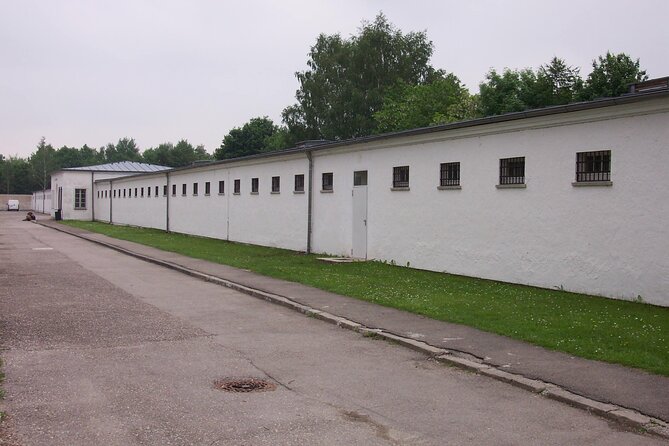
At $56.84 per person, the cost is reasonable for a five-hour excursion that includes a local guide, taxes, fees, and round-trip public transportation from central Munich.
The value comes mainly from the interpretation. You are not paying simply for admission to a memorial site. You are paying for someone to explain the camp system, place Dachau in its political setting, identify important areas, and connect the evidence to prisoner experiences.
The transport is another practical saving. You could make the journey independently, but you would need to plan the train and bus connections and decide how to approach the site on your own. If you already have strong knowledge of Dachau and want several hours of silent museum reading, the tour may feel restrictive. If you want a guided introduction, the price is easier to justify.
There are no meals or drinks included. Bring your own water and a small snack if needed, but keep the setting in mind. Eating is not the focus of the visit, and you may prefer to take a break before or after the memorial rather than during the most serious parts of the tour.
Physical demands and practical preparation
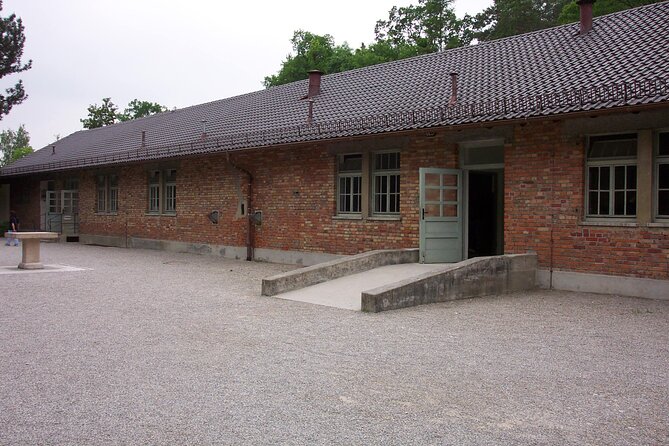
The tour requires a strong level of physical fitness. You will use public transport, walk between the station and memorial site, stand during explanations, and cover a large site on foot.
The experience is not presented as suitable for visitors with limited mobility, so you should consider your own endurance before booking. One guide helped arrange a scooter for a participant’s wife once the group reached the site, but this should not be treated as a guaranteed service. If you need mobility support, confirm the arrangements before paying.
Your clothing matters more than it might for a normal Munich excursion. Much of the visit takes place outdoors, and winter conditions can be especially harsh. Wear warm clothing, comfortable shoes, and something suitable for changing weather.
The tour is offered in English. Confirmation is provided when you book, and the meeting point is near public transportation at Marienplatz. Since the day can run long if trains are disrupted, leave spare time after the tour.
Who will get the most from this Dachau tour?
I would choose this experience if you want a serious historical explanation and prefer to travel with a guide. It suits adults and older teenagers who can handle difficult subject matter, long periods of walking, and a sober atmosphere.
It is especially useful if Dachau is your first concentration camp memorial visit. The guide helps you understand the site in a logical order and provides context that can be hard to assemble from separate museum panels.
You may prefer an independent visit if you want to spend a full day reading every exhibit, working at your own pace, or sitting quietly with the material. The five-hour schedule has limits, and a talkative guide may leave less time for the artifacts than you would like.
The best fit is someone who wants both: a clear explanation of the camp and time to see the evidence. Tell your guide that balance matters to you, and use the quieter afternoon departure if the schedule allows.
Should you book it?
Book this Dachau tour if you want structure, historical context, and straightforward transport from Munich. The guides receive especially strong praise for their care, preparation, and ability to make a difficult subject understandable.
Do not book it expecting a casual outing or enough time to inspect every museum display. The visit is emotionally heavy, physically demanding, and sometimes longer than planned. For many people, that seriousness is exactly why it matters.
At $56.84, I consider it good value for a guided introduction to Dachau, especially if you are unfamiliar with the site or uneasy about arranging the journey alone. Choose the 1:15 p.m. departure for a quieter group when possible, dress for the weather, and leave space in your day afterward.
FAQ
How long does the Dachau tour take?
The full experience lasts approximately five hours. The guided visit at the memorial site takes about three hours and 30 minutes.
Where does the tour begin?
The meeting point is at Marienplatz in Munich, at 80331 München, Germany.
Where does the tour end?
The tour ends near Munich Hauptbahnhof, which is served by S-Bahn, U-Bahn, buses, and trams.
Is transportation included?
Yes. The tour includes round-trip local public transportation from Munich to the memorial site, with the group traveling by train, bus, and walking.
Is the tour offered in English?
Yes. The tour is offered in English, and it includes a 22-minute documentary in English.
Are children allowed on the tour?
Children under 14 are not allowed. The documentary is also considered unsuitable for children under 13 because of its subject matter.
Can I cancel for a full refund?
You can cancel at least 24 hours before the experience begins for a full refund. Cancellations or changes made less than 24 hours before the start time are not refunded or accepted.
Just added around Germany
- City tour through Nuremberg with the little train – Christmas tour★ 4.0 · 23 reviews
- Salzburg History & Food Private Tour with Munich train add-on★ 4.5 · 24 reviews
- Take the U Train: An Audio Story of Berlin’s Oldest Elevated Railway Line★ 4.0 · 2 reviews
- From Berlin to Sachsenhausen Camp: Private Tour by Car or Train★ 5.0 · 3 reviews
- Stuttgart: Curling rail rental★ 3.3 · 9 reviews
- Potsdam Bike Tour with Rail Transport from Berlin★ 4.5 · 81 reviews
- City tour through Regensburg with the little train★ 4.0 · 67 reviews
- Herrenchiemsee Palace and Fraueninsel Rail Trip from Munich★ 4.5 · 97 reviews
Germany Train Journeys, compared.
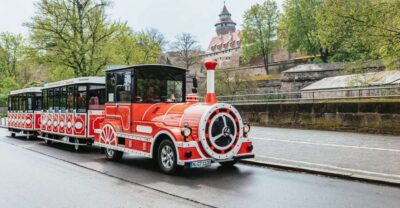
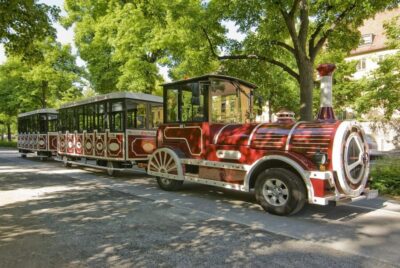
Würzburg: City Tour with the Bimmelbahn Train
Read our review →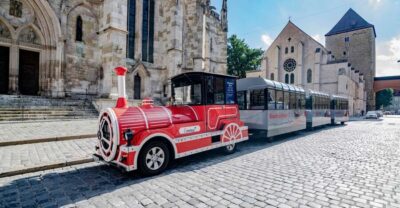
Regensburg: City Tour with the Bimmelbahn Train
Read our review →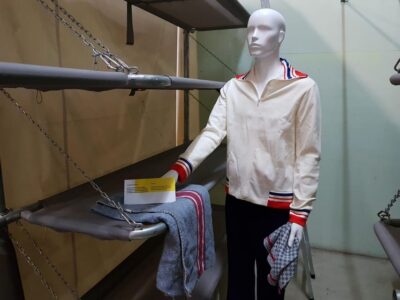
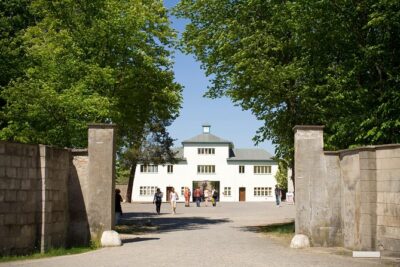
Private Sachsenhausen Concentration Camp tour with train
Read our review →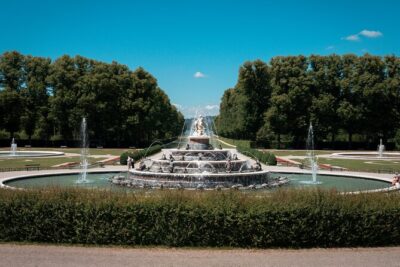
Herrenchiemsee Palace and Fraueninsel Rail Trip from Munich
Read our review →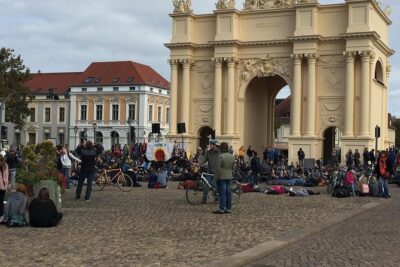
Potsdam Bike Tour with Rail Transport from Berlin
Read our review →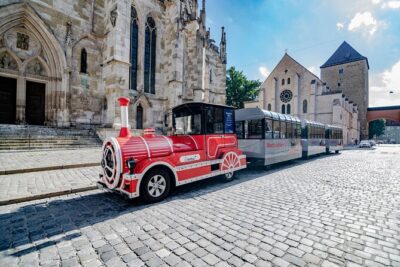
City tour through Regensburg with the little train
Read our review →Browse the lists this tour appears in