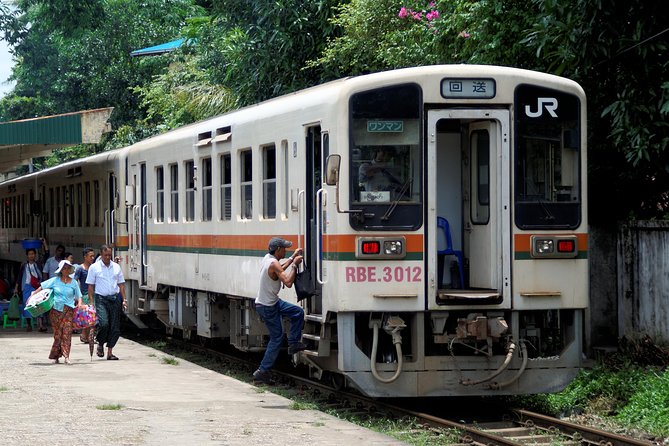
Review · TRAIN JOURNEYS
Visit to Dala and Train Experience
Ride the rails, then cross the Yangon River. This Yangon day trip pairs two very different experiences: a ferry ride to Dala, where you see trishaws, markets, and local community life, followed by a three-hour Circular Train journey through the city and countryside. I like the strong contrast between river-town life and Yangon’s everyday rail commute, and I like that private transport, ferry fare, train fare, and bottled water are included. The main drawback is that Dala may feel less rewarding than the train, especially if you are not interested in trishaw rides or the optional trip to the snake temple.
The price is $96.42 per person, which is reasonable if you value a private vehicle, a guide, and a full day arranged around two local transport experiences. Still, you should keep extra cash for food, drinks, tips, and any activities not clearly covered. Take care around the ferry landing, where taxi and motorcycle touts may try to charge inflated prices.
Key points to know before booking
- The Circular Train is the strongest part of the day: The complete loop takes about three hours and gives you a close look at ordinary Yangon life.
- Dala requires a ferry crossing: You reach the town from the Nanthida jetty, then return by boat with views of Yangon’s shipyards along the river.
- Trishaw costs need careful checking: Confirm what is included before accepting a ride, since overpriced fares can spoil an otherwise pleasant visit.
- The tour is private: Only your own group takes part, with private transportation and a local guide.
- Dala is quieter and less polished than central Yangon: That is part of its appeal, but the sightseeing can feel modest compared with the train ride.
- The day lasts about eight hours: The Dala portion is listed at roughly four hours, while the train ride takes about three.
Crossing the Yangon River to Dala

The day begins after breakfast with a meeting with your local guide. From there, you transfer to the Nanthida jetty for the ferry to Dala. One account of the experience describes arriving at Pansodan jetty instead, so I would confirm the exact meeting point with the provider before setting out. The supplied operating information gives hours from 8:30 a.m. to 6 p.m., but it does not provide a precise departure time for your booking.
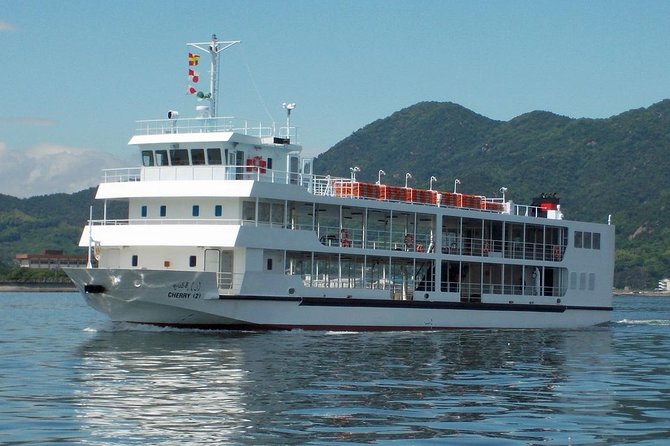
The ferry crossing is not just a way to get from one bank to another. It gives you a different view of Yangon, including the working river and the shipyard area. If you have spent most of your time among Yangon’s streets and religious buildings, the water crossing adds a useful change of pace.
Dala is known for a slower, more local setting. The program focuses on trishaw life, local markets, orphanage houses, and an orphanage school visit. These stops give you a look at how people live outside the main city center, though you should keep your expectations measured. This is not presented as a major sightseeing district filled with grand monuments. Its appeal comes from ordinary scenes and local transport.
I like that the tour puts Dala into a wider Yangon day rather than treating the town as a quick photo stop. You have time to move around, see the town by local transport, and return by ferry. The four-hour estimate also gives the visit enough room to feel like a real outing rather than a rushed crossing.
More Train Journeys in the world:
- Mt Fuji & Hakone Cruise, Drum Show Bullet Train 1 Day from Tokyo
★ 4.0 · 7,413 reviews - Montserrat & Cogwheel Train, Gourmet Wine Tasting & Tapas/Lunch
★ 5.0 · 6,290 reviews - From Milan: Lake Como Cruise, St. Moritz & Bernina Red Train
★ 4.6 · 5,648 reviews
Trishaws, markets, and the cost question
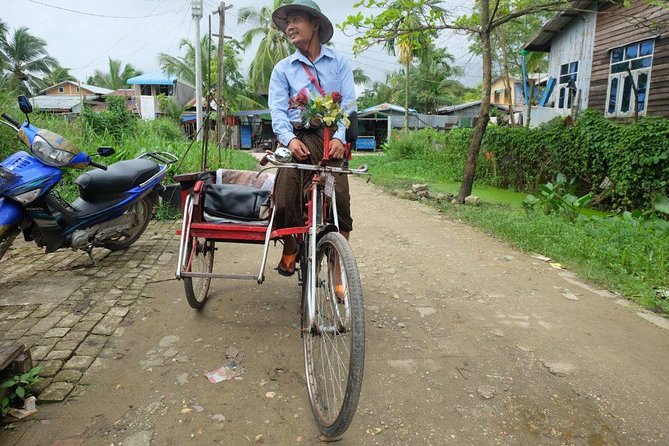
The trishaw is one of Dala’s defining features, and riding through town can help you see more than you would on foot. It also creates the clearest warning of the day. At least one visitor was approached by taxi and motorcycle touts after reaching the ferry area, while another paid 4,000 kyat per person at a tourist office and received a guide whose services were said to be covered by that fare.
The practical lesson is simple: ask for the full price before getting into a trishaw or taxi. Confirm whether the quoted amount covers the vehicle, the driver, the guide, and the whole ride. If someone adds a new charge after you agree, you are free to decline. A calm question at the start can prevent an awkward argument later.
The tour price includes private transportation and a guide, but it does not clearly say that every trishaw ride is included. That matters because the $96.42 price can look better or worse depending on what you still pay locally. Your package includes ferry and train tickets, bottled water, and something listed as Snow Tower, but meals, drinks, tips, and other services are excluded.
The markets may be interesting if you enjoy seeing local trade rather than shopping for polished souvenirs. The supplied information does not promise particular products or market hours, so treat this part as a chance to observe rather than a guaranteed shopping stop.
Visiting the orphanage school
The program includes visits to orphanage houses and orphanage schools. This can be a meaningful part of the Dala section, but it also deserves a thoughtful approach. You should follow the guide’s instructions, ask before taking photographs, and avoid treating children’s daily lives as a photo opportunity.
The description does not explain the length of the visit, the name of the school, or how donations are handled. Do not assume that a contribution is included in the tour price. If you want to donate, ask the guide for clear information about the proper process rather than handing money to an intermediary.
For me, the value of this stop depends heavily on how it is handled on the day. A respectful visit can help you understand local community needs. A hurried or poorly explained stop may feel uncomfortable. Since the exact details are not provided, I would view it as a possible part of the program rather than the main reason to book.
Returning by ferry through Yangon’s working river
After the Dala sightseeing, you return to Yangon by ferry. The route includes views of the Yangon shipyard, which gives the ride a practical, working character. This is not a dedicated sightseeing cruise, and you should not expect commentary at every point. The value lies in seeing the river as part of the city’s daily transport and industry.
The return boat also marks a useful transition. Dala feels separate from central Yangon, while the ferry makes the connection visible. You see how the river shapes movement between the two places, and you get a rest before the longer rail section.
Keep your phone and other valuables secure around the jetties. The warning about touts applies especially at ferry arrival points, where visitors may be approached before they have found their guide or vehicle. If your guide is not immediately visible, go to the agreed meeting point rather than accepting help from the first person who offers it.
Same tracks, a different day out:
- Tokyo Mt Fuji 5th St & Hakone Cruise Bus Tour w/Bullet Train
★ 4.4 · 5,024 reviews - From Milan: Bernina Train and St. Moritz Day Trip
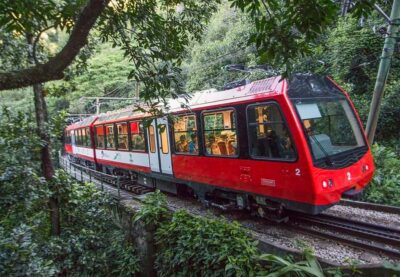
★ 4.5 · 4,495 reviews - Christ the Redeemer Entry Ticket by Corcovado Train
★ 4.4 · 4,476 reviews - From Málaga: Ronda+Setenil de las Bodegas with Little Train
★ 4.6 · 4,115 reviews
Boarding Yangon’s Circular Train
The train portion begins at Yangon Central Railway Station. The station was rebuilt in 1954 by a Myanmar architect in a traditional Myanmar architectural style, so the starting point has some visual interest before you even board. The tour includes the train ticket, which removes one common piece of local transport planning.
The Circular Train takes about three hours for the complete journey and ends at the first station you use. The trip is valued for its everyday scenes: local people commuting, rural life on the city’s edges, and changing views outside the central streets. This is not a fast route designed to reach a destination. It is the experience.
I like this part because it asks you to slow down. You are not moving from one famous sight to the next. You are watching people board and leave, seeing local neighborhoods pass by, and noticing how the city changes beyond the central area. The train provides a direct look at daily life that is difficult to get from a private car.
The tradeoff is comfort and pace. Three hours is a long ride if you prefer museums, temples, or air-conditioned sightseeing. The train may also feel repetitive if you are not interested in transport or ordinary city scenes. Yet for anyone curious about how Yangon works day to day, this is likely the most memorable part of the tour.
What makes the train better than a standard city tour
A standard Yangon sightseeing day usually focuses on named attractions. This experience instead puts you beside local commuters and gives you time to watch the city without a constant stream of formal stops.
That does not mean the train replaces Yangon’s major sights. It does something different. You see rural conditions, local movement, and the connection between city and outskirts. You may notice details that a car window hides, because the train’s slower pace leaves room to watch.
The trip also works well after Dala because the two sections are distinct. Dala shows you a quieter riverside town reached by ferry. The Circular Train shows you a broader slice of life around Yangon. Together, they create a day based less on monuments and more on movement.
Is $96.42 good value?
At $96.42 per person, the tour is not a bargain in the same way as arranging public transport yourself. You are paying for convenience, private transportation, a local guide, bottled water, ferry passage, and the train ticket. You also avoid having to work out how to combine Dala and the Circular Train in one day.
The value improves if you are traveling with family or friends, since group discounts are offered and the activity is private. A private tour also means your group does not have to match the pace of strangers. That can be useful on a day with ferry transfers and several moving parts.
The value drops if you want a tightly controlled sightseeing program or a luxury experience. Meals and drinks are not included, and the exact treatment of trishaw rides is unclear. You also need to add a tip for the guide and driver, plus any other local costs.
I would compare the price against your priorities. If you want an easy, guided day with local transport at its center, the package is fair. If you are comfortable arranging a ferry, negotiating local rides, and buying your own train ticket, you may prefer a more independent plan.
Who should book this Yangon day trip?
I would recommend it most strongly to visitors who enjoy transport, local neighborhoods, and ordinary daily scenes. The Circular Train is especially suited to anyone who wants to see more than Yangon’s central attractions. The ferry and Dala section add variety, so the day does not feel like three hours of rail travel alone.
It can also suit first-time visitors who want a guide and private vehicle without joining a large group. Confirmation is received at booking, and only your own group participates.
I would be more cautious if you have limited mobility, although the information only says that most people can participate and does not explain accessibility in detail. You should ask the provider about boarding the ferry, getting onto the train, walking around Dala, and using a trishaw before booking.
You may also want to skip it if your main goal is historic architecture, major religious sites, or a food-focused tour. Those are not the main features here. This is a day for local transport and community scenes.
Timing, food, and what to bring
The full experience lasts about eight hours. The stated plan allows roughly four hours for Dala and four hours for the wider transfer and train experience, with the train itself taking about three hours. Actual timing may depend on ferry movement, station activity, and how long you spend at each Dala stop.
Meals and drinks are not included. Bring money for food and drinks, plus a little extra for tips and unexpected local charges. Bottled water is provided, so you should have at least one drink during the day, but you may still want additional water in warm weather.
Wear practical clothing and shoes. The program involves ferry travel, town sightseeing, a possible trishaw ride, and a long train journey. Keep your belongings close at ferry points and ask about prices before accepting any transport offered outside the arranged program.
Free cancellation is available if you cancel at least 24 hours before the start time. Changes or cancellations made within 24 hours are not accepted for a refund, and the cut-off uses local time.
My verdict: book it for the train
I would book this experience if the Circular Train is high on your Yangon wish list and you want Dala arranged around it. The train is the clear highlight, while the ferry crossing and riverside town provide useful context and variety.
I would not book it solely for Dala unless you are genuinely interested in trishaws, local markets, community visits, and a quieter town. The snake temple mentioned in the supplied feedback is not part of the stated itinerary, though one visitor referred to it as a roughly 20-minute ride. Do not assume that stop is included.
Before paying, confirm the jetty, departure time, what Snow Tower means, and whether any trishaw ride costs extra. With those points clear, this is a worthwhile private day for people who prefer Yangon as it is lived, not simply Yangon as it appears on a sightseeing checklist.
FAQ
How long does the Visit to Dala and Train Experience last?
The experience lasts approximately eight hours.
What are the main activities?
The day includes a visit to Dala, ferry travel, local sightseeing, trishaw and boat experiences, visits to orphanage houses or schools, and a ride on the Yangon Circular Train.
How long is the Circular Train ride?
The complete Circular Train journey takes about three hours and returns to the first station used.
Is transportation included?
Yes. Private transportation is included, along with the ferry boat and train ticket.
Is the ferry ticket included?
Yes. The ferry boat is listed as included in the experience.
Are meals and drinks included?
No. Meals and drinks are not included. Bottled water is included.
Is this a private tour?
Yes. Only your own group participates in the activity.
Are group discounts available?
Yes. Group discounts are offered.
Can I cancel for a full refund?
Yes, if you cancel at least 24 hours before the experience start time. Cancellations or changes made less than 24 hours in advance are not accepted for a refund.
Just added around the world
- Zermatt Village & Gornergrat Railway Tour | From Bern★ 5.0 · 2 reviews
- With the steam train through Transylvania- 8 Day★ 5.0 · 2 reviews
- Zagreb: Plitvice With Secured Tickets, Boat And Train Ride★ 4.6 · 15 reviews
- Winter Tour Viking Village, Nærøyfjord Cruise & Flåm Railway★ 4.6 · 26 reviews
- York Day Rail Tour from London including Hop-on Hop-off tour★ 5.0 · 3 reviews
- Ventura: Rail Bike Guided Tour with Farm Stand Stop★ 4.1 · 18 reviews
- Virginia City Day Tour From Lake Tahoe with Train Ride★ 4.8 · 19 reviews
- USHUAIA | Tierra del Fuego National Park & Optional Train★ 4.6 · 11 reviews
Train Journeys, compared.

Mt Fuji & Hakone Cruise, Drum Show Bullet Train 1 Day from Tokyo
Read our review →
Montserrat & Cogwheel Train, Gourmet Wine Tasting & Tapas/Lunch
Read our review →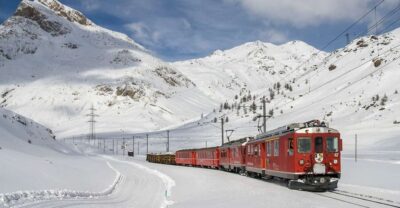
Lake Como Cruise, St. Moritz & Bernina Red Train
Read our review →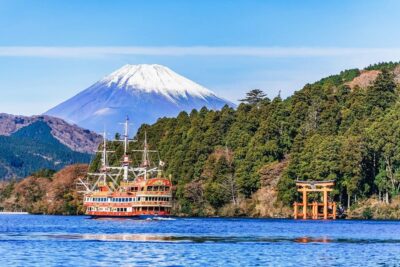
Tokyo Mt Fuji 5th St & Hakone Cruise Bus Tour w/Bullet Train
Read our review →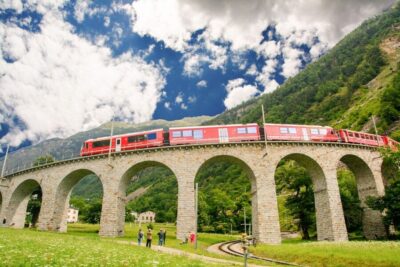
Christ the Redeemer Entry Ticket by Corcovado Train
Read our review →
From Málaga: Ronda+Setenil de las Bodegas with Little Train
Read our review →