
Review · BANGKOK
From Bangkok: Death Railway & River Kwai Bridge Private Tour
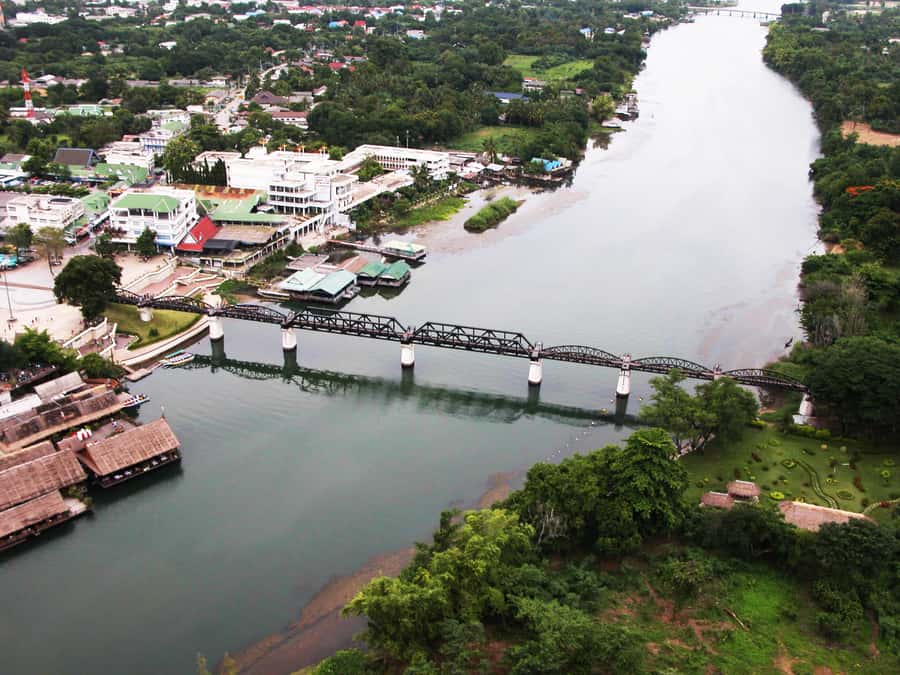
History feels different when the train still runs. This private day trip from Bangkok combines the Burma Railway Museum with the original River Kwai Bridge, a scenic ride on the Death Railway, and the quiet Kanchanaburi War Cemetery. I especially like the private car and the freedom to move at your own pace, plus the guides who take care of small details such as good train seats and useful photo stops.
The main drawback is the distance. Kanchanaburi is about two to two and a half hours from Bangkok, and traffic can make the return longer. The advertised duration is eight hours, but several well-organized outings have taken closer to nine hours. Still, the comfortable air-conditioned vehicle, lunch, entrance fees, and private guide make the $169 price reasonable for a full day outside Bangkok.
Quick take: what makes this trip worthwhile
- A private ride from Bangkok: You travel in an air-conditioned vehicle with your own guide and driver, rather than joining a large group.
- The story comes before the train: The museum and cemetery give the railway ride its proper meaning.
- A scenic section of the Death Railway: The train passes over the River Kwai Bridge and continues toward Tham Krasae.
- Tham Krasae Cave adds variety: You get a short walk beside the tracks, views, and a small cave shrine.
- Guides receive unusually strong praise: Johnny, Wes, George, Mr King, Aom, and others are singled out for clear explanations and personal care.
- Lunch and cold water are included: That matters on a long, hot day with an early start.
Why the early start matters on an eight-hour day
Pickup is from the lobby of your hotel in central Bangkok, with service listed for areas including Bang Rak, Sathon, Watthana, Pathum Wan, Khlong San, and Phra Nakhon. The exact pickup time depends on your location, but expect a very early start. That is not glamorous, yet it helps you get out of Bangkok before traffic becomes a bigger problem.
You travel by private air-conditioned car or SUV with a driver and an English-speaking guide. For a couple or small family, this is a far more relaxed setup than a shared minibus. You can ask questions, stop for a short break, and set a comfortable pace at the main sites.
The drive to Kanchanaburi takes roughly two to two and a half hours. Some return journeys have taken about three hours because of traffic, so I would not plan an evening reservation in Bangkok. The day is best treated as a major excursion, not a quick side trip.
Cold drinking water is provided, and several guides have been praised for keeping the vehicle comfortable. The private format also means you do not spend the morning collecting strangers from a long list of hotels.
More Death Railway Tours in Bangkok:
- From Bangkok: Death Railway & Hellfire Pass Tour with Lunch
★ 4.6 · 931 reviews - Bridge on the River Kwai and Thailand-Burma Railway Tour
★ 4.5 · 658 reviews - Bridge on the River Kwai and Thailand-Burma Railway Guided Tour
★ 4.5 · 353 reviews
The Burma Railway Museum puts the tragedy in context
The museum is the right first major stop because it explains what you are about to see. It presents the Thailand-Burma Railway, built under the Japanese military in 1943, using photographs, models, and exhibits about the prisoners of war and forced laborers involved in its construction.
This is an interactive museum rather than just a room of old objects. You can spend about 40 minutes there, though the timing may shift during the day. The displays help explain why the railway was built, how difficult the project became, and why the name Death Railway carries such weight.
The subject is painful. The museum covers harsh treatment, disease, hunger, exhaustion, and the vast human cost of the railway. A good guide helps connect the material to the places you visit later without turning the stop into a rushed lecture.
Guides such as Johnny, Wes, George, and Mr King have earned praise for making the past understandable in clear English. They also appear willing to answer questions about the war, Thailand, and local life rather than simply reciting dates.
One practical note: the order of the museum and cemetery can change. The museum and cemetery may operate in the afternoon, so do not worry if your day does not follow the exact order described at booking.
Kanchanaburi War Cemetery is the quietest stop
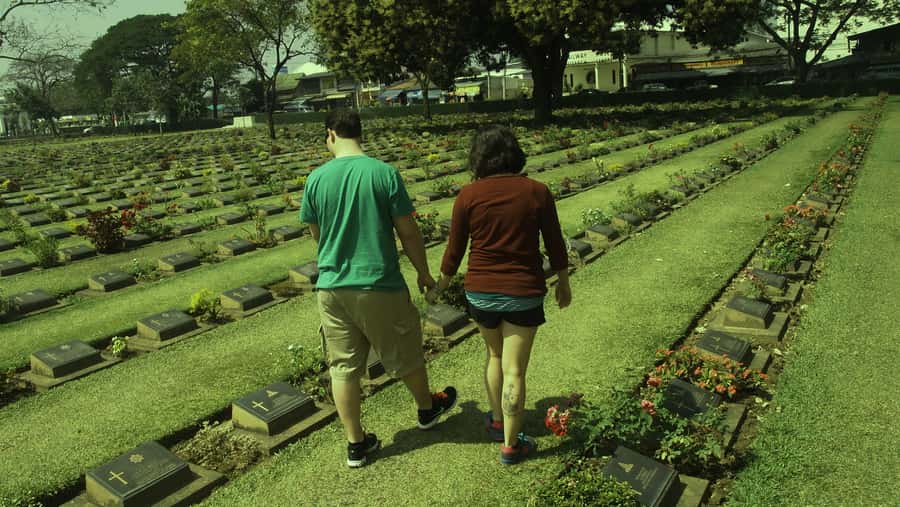
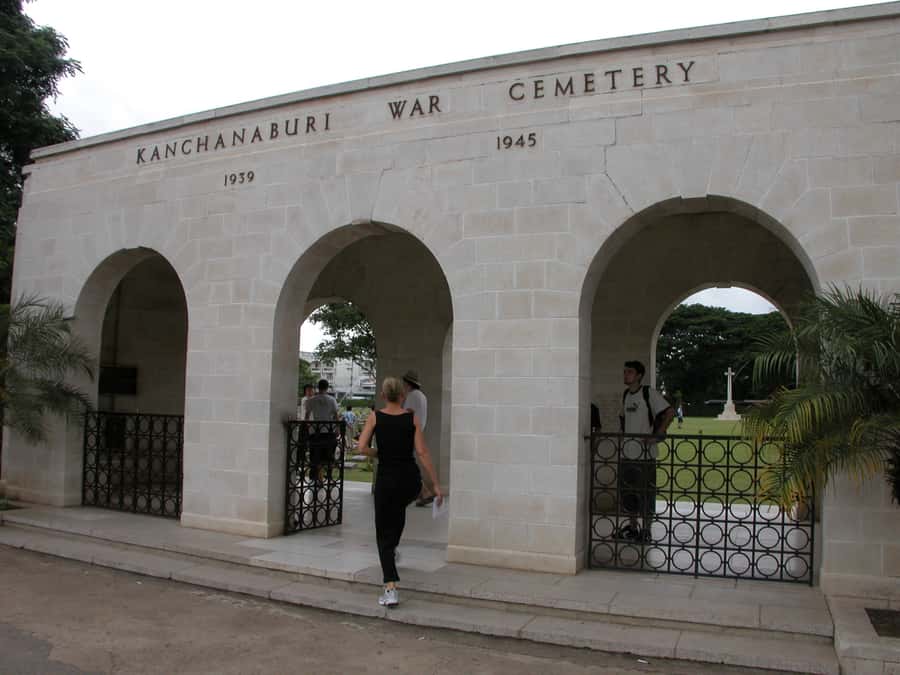
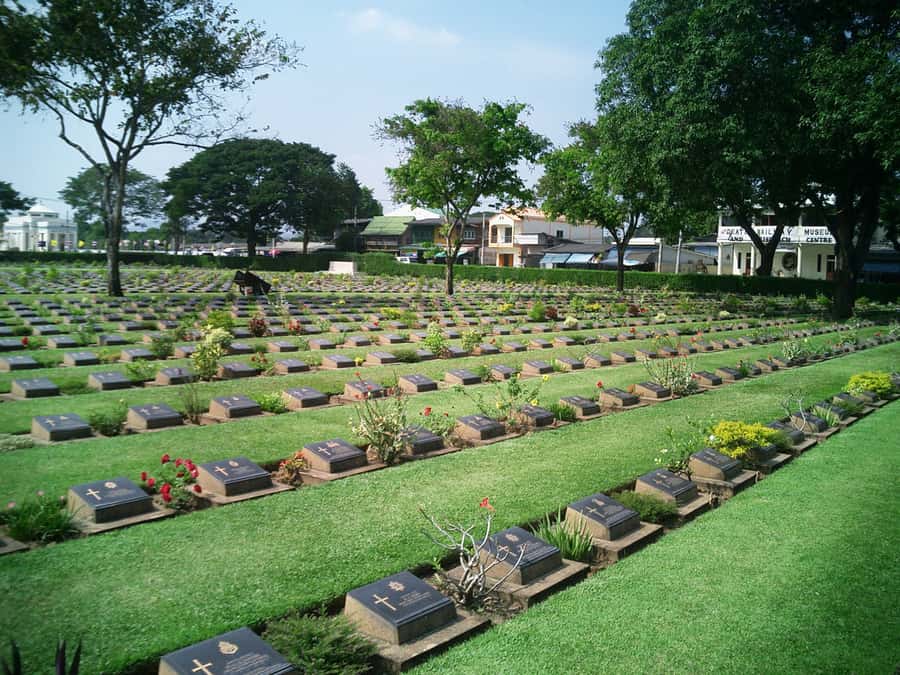
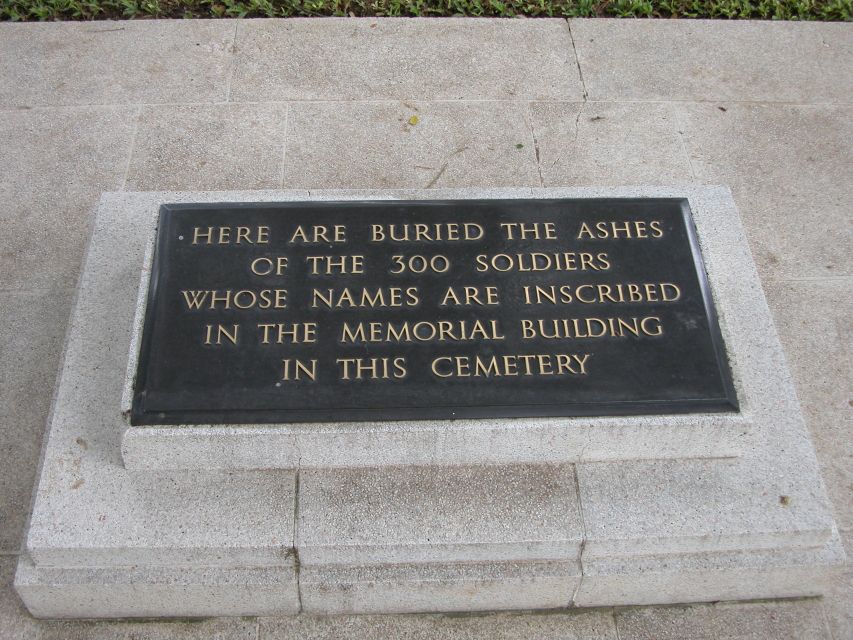
The War Cemetery is a short visit of about 30 minutes, but it may be the most affecting part of the day. The grounds are carefully maintained, with the graves of roughly 6,000 Allied prisoners of war who died during construction of the railway.
This is not a place for hurried sightseeing. You can walk among the rows, read names and ages, and consider how many of those buried here were very young. The cemetery gives a human scale to the facts presented in the museum.
Your guide may offer background before giving you time to walk quietly on your own. That balance matters. You get the benefit of explanation without having every moment filled with talking.
If your family has a particular connection to the railway, tell the operator in advance. One private party arranged a small itinerary change to visit a relative’s grave, showing why the private format can be especially useful for personal remembrance. The provided details do not promise that every request can be arranged, but the tour has shown some flexibility.
Wear comfortable shoes. The cemetery is a solemn stop, and you will appreciate having time to walk without worrying about catching up with a large group.
Seeing the original River Kwai Bridge
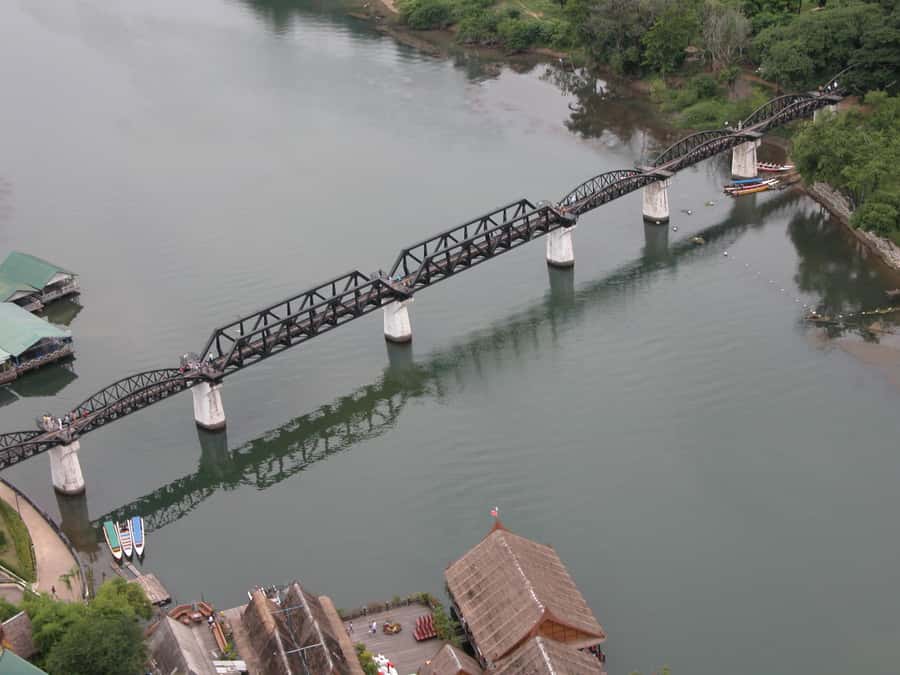
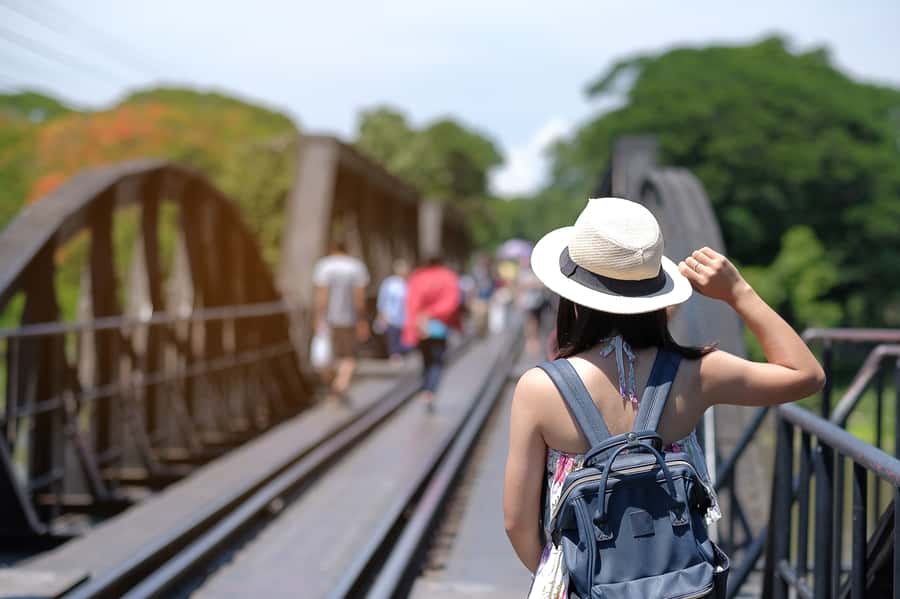
The bridge is the most recognizable stop, but it works best after the museum and cemetery. You can walk near or on the bridge, see the railway line, and take photographs before the train arrives.
The original bridge is still part of an active railway route. That gives the visit more force than a purely historic monument. You are not looking at an isolated reconstruction. You are standing beside a working line connected to the story you have just learned.
The scheduled bridge visit is listed at about 30 minutes, although the supplied itinerary contains an obvious timing error that says 30 hours. Read that as a short visit, not an all-day stop. Your guide will direct you to safe positions and explain how the train movement affects the visit.
This is also one of the better chances for photos. Several guides are praised for knowing where to stand and for taking pictures with guests’ phones. Mr King was even praised for sending additional candid photos afterward. That is a small service, but it is useful when you are traveling as a couple and want more than a series of selfies.
More Train Journeys in Bangkok:
- Day Trip to Bangkok Floating Market & Maeklong Railway
★ 5.0 · 1,528 reviews - Bangkok: Railway and Floating Market Tour with Dragon Temple
★ 4.6 · 1,225 reviews - Private Excursion to Maeklong Railway and Floating Markets
★ 5.0 · 850 reviews - From Bangkok: Railway & Damnoen Saduak Floating Market Tour
★ 4.6 · 775 reviews
The Death Railway train ride is the emotional high point
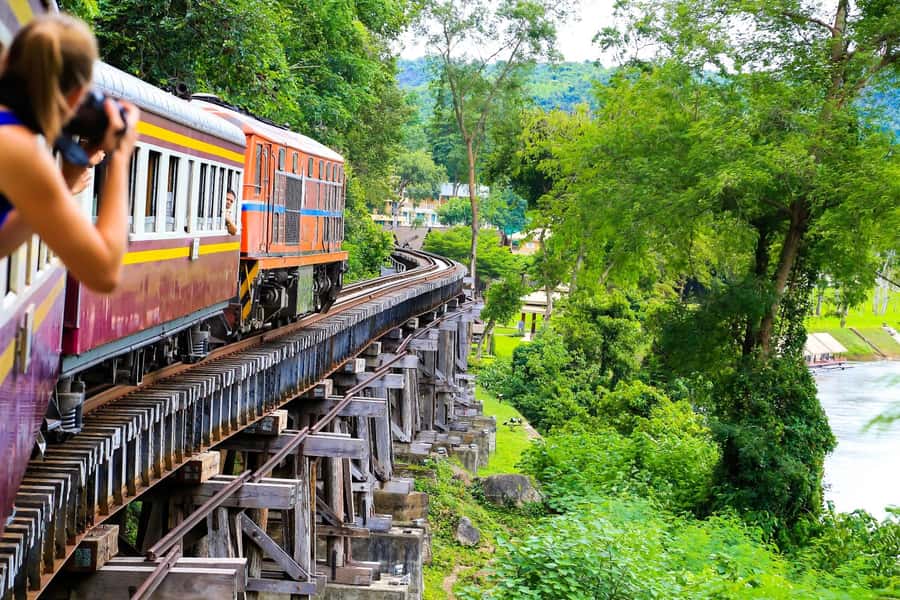
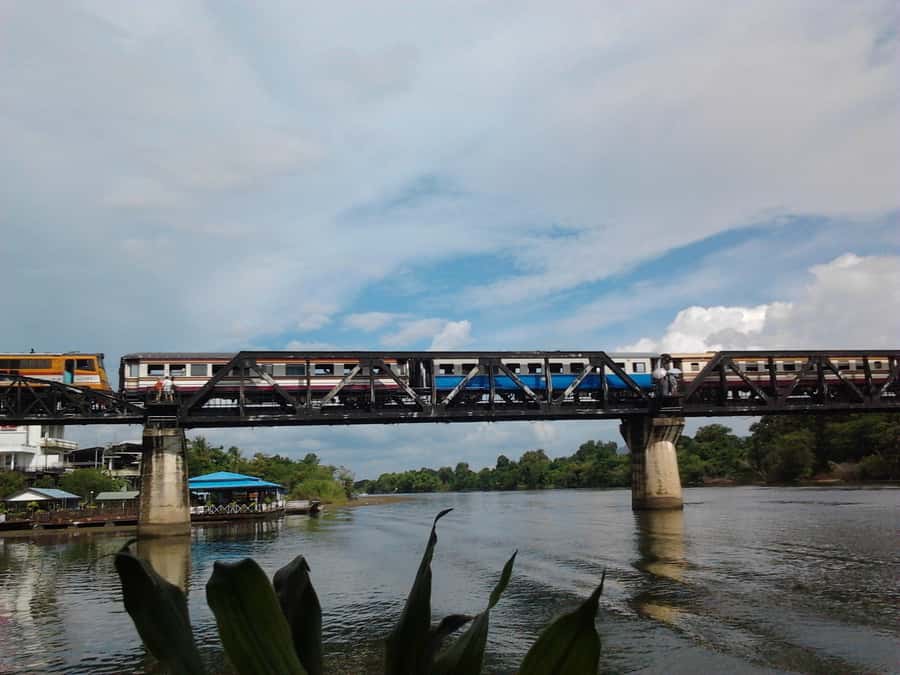
The train journey is usually the highlight. You board for a scenic ride of roughly 40 minutes to an hour, depending on the operating schedule and the section covered. The route crosses the bridge and continues through the Kanchanaburi area toward Tham Krasae.
Expect a working local train, not a polished tourist carriage. One practical review advises bringing a cushion because the seats are wooden. The train can also be busy, so listen carefully when your guide suggests where to wait on the platform.
This is where a private guide earns their fee. Johnny, George, Wes, and others have been praised for positioning parties well for boarding and helping them secure seats. One train reportedly broke down, and the guide arranged for the driver to meet the party at a nearby stop so the day could continue. That kind of flexibility is valuable when the railway does not run exactly to plan.
Look out of the windows rather than expecting a guided narration every second. The ride offers river views, rural scenery, and the railway’s dramatic route through the province. The famous part is not speed. It is the knowledge that prisoners of war and other forced laborers built this line under terrible conditions.
The train may be crowded, the seats basic, and the schedule subject to change. Those are fair tradeoffs for riding the actual railway rather than viewing it only from a platform.
Tham Krasae Cave and the wooden railway trestle
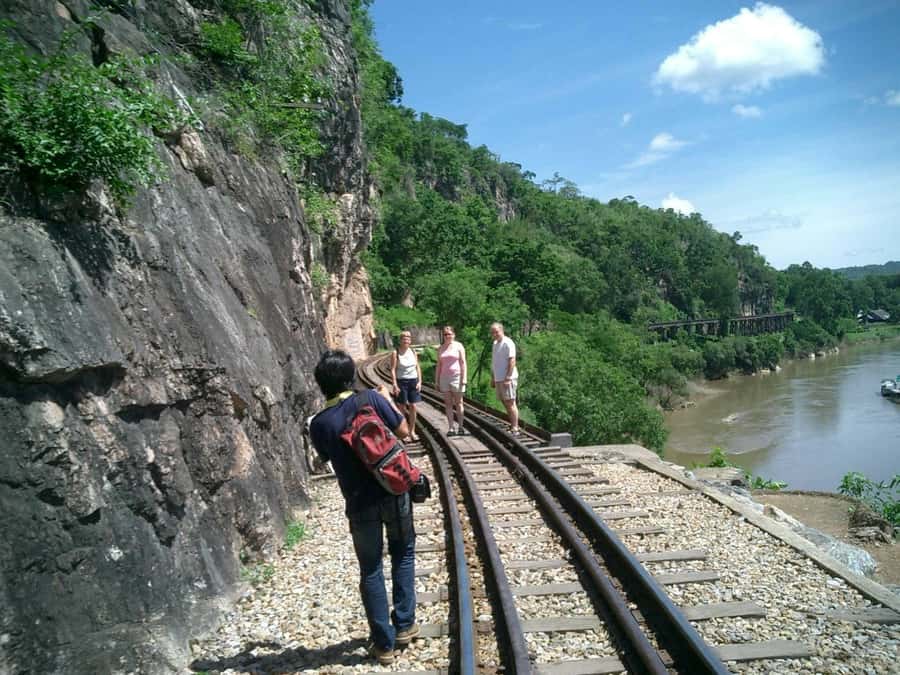
After the train ride, you visit Tham Krasae Cave, also known as the area near the Tham Krasae railway bridge. The stop lasts about 20 minutes and involves walking beside the tracks toward the cave.
This section adds scenery and movement after the museum and cemetery. You can see the railway hugging the rock face above the river and understand the difficult terrain faced by the people who built it. The views are a strong part of the visit, but stay alert around an active railway line and follow your guide’s directions.
The cave itself is modest. Its value comes from the setting and from the way it connects the railway to the surrounding country. If you expect a large cave system or a long underground visit, you may find the stop brief. Think of it as a short cultural and scenic pause.
Comfortable shoes are important here. Sunglasses, an umbrella, and a camera are also sensible choices. Thailand’s heat can be tiring after several hours outside, even though the vehicle provides relief between stops.
Lunch is simple, local, and useful
Lunch is included at a local restaurant, with food described as fresh and tasty. Pad See Ew received a particularly warm mention, while another party found the buffet decent but not remarkable. That is a fair picture: lunch is a welcome break and part of the value, but it is not the main reason to book the trip.
The private format can help here too. Guides have been praised for finding good tables and giving parties time to eat without rushing. You can also ask about drinks or extra food, though additional meals and drinks are not included.
After a hot morning and a train ride on basic seats, a proper meal matters. It breaks up the long return drive and keeps the day from feeling like one continuous series of historic sites.
What the private format adds at $169
At $169 per person, this is not the cheapest way to reach Kanchanaburi. You are paying for convenience and personal attention, not just transport. The fee includes hotel pickup and drop-off, a private air-conditioned vehicle with driver, an English-speaking guide, entrance fees, train tickets, lunch, travel insurance, and expressway fees.
For two people, the cost can feel high compared with a shared group trip. For a family or small party, the difference may be easier to justify because the vehicle cost and guide attention are shared among your own group.
The strongest value comes from the logistics. You do not need to arrange a distant railway station, buy separate tickets, find the museum, negotiate transport between stops, or guess where to board for a seat. You also have someone who can react if the train is crowded, delayed, or disrupted.
The private experience is not just a luxury. The sites are spread across Kanchanaburi, and the day includes several transitions. A capable guide can save time and reduce friction. The high rating of 4.9 from 171 ratings, along with a 95 percent perfect transport score, supports the view that the operation is generally well organized.
The main question is how much you value comfort and context. If you are happy using local transport and arranging each stop yourself, you may find a cheaper route. If you have one day from Bangkok and want the history explained properly, the price is easier to defend.
Guides make the biggest difference
The guide quality is the most consistently praised part of the experience. Johnny is repeatedly described as friendly, funny, flexible, and well informed, with a knack for good train seats, restaurant tables, and photos. Wes receives similar praise for his English, kindness, and broad understanding of Thai history and daily life.
George, Mr King, Aom, Paula, Fluke, Lynn, Mam, Steve, and others are also named positively. That tells you the company has more than one strong guide, although you should not assume a particular person is guaranteed unless the booking process confirms it.
The best guides do more than explain the railway. They tell you what will happen next, answer questions, watch your comfort, and leave room for independent wandering. Several parties appreciated that they were not rushed at the museum or cemetery.
The driver matters just as much on a long day. Drivers are repeatedly described as safe, smooth, helpful, and professional. That is important when you spend four or more hours on the road.
Who should book this day trip
I would choose this tour if you are staying in Bangkok and have a strong interest in World War II history, memorials, or railway travel. It also suits families and small groups who want a private pace, clear transport, and help with photographs.
It is a good fit for first-time visitors to the area because the guide connects the museum, cemetery, bridge, train, and cave into one story. It can also work well for people with family links to the railway, provided you discuss any special cemetery request before booking.
I would hesitate if you dislike early starts, long drives, wooden train seats, or emotionally heavy historic sites. The experience is not a light sightseeing outing. It asks you to give a full day and some quiet attention to difficult material.
Wheelchair users should note that the tour is not considered suitable. Comfortable shoes are recommended for the cemetery, bridge area, and cave stop.
Should you book the Death Railway tour?
Yes, if you want the most convenient and thoughtful way to see Kanchanaburi from Bangkok in one day. The train ride is memorable, but the museum and cemetery are what give it meaning. The private vehicle, strong guides, included lunch, and flexibility make the $169 cost fair for many visitors.
Book it with realistic expectations: the drive is long, the day may run closer to nine hours, and the train is basic and sometimes crowded. Ask about the guide assigned to you, bring a cushion if you value comfort, and leave your Bangkok evening open. If those conditions suit you, this is a moving and well-managed introduction to the River Kwai and Death Railway.
FAQ
How long does the tour last?
The stated duration is eight hours, but the full day can take about nine hours, especially with Bangkok traffic. The journey to Kanchanaburi alone takes roughly two to two and a half hours each way.
Is hotel pickup included?
Yes. Pickup and drop-off are included from the lobby of a hotel in central Bangkok. Listed pickup areas include Khlong San, Pathum Wan, Sathon, Watthana, Bang Rak, and Phra Nakhon.
Is this a private tour?
Yes. You travel as a private group with your own English-speaking guide, driver, and air-conditioned vehicle.
What language does the guide speak?
The tour is provided in English, with a live English-speaking guide.
Is lunch included?
Yes. Lunch at a local restaurant is included. Extra meals and drinks are not included.
Is the train ticket included?
Yes. The train ticket is included in the tour price.
How long is the Death Railway train ride?
The listed train portion is about 40 minutes. Several descriptions of the experience place the ride at roughly an hour, depending on the route and schedule.
What sites are included?
The day includes the Burma Railway Museum, River Kwai Bridge, Kanchanaburi War Cemetery, a Death Railway train ride, and Tham Krasae Cave.
What should I bring?
Bring comfortable shoes, sunglasses, an umbrella, and a camera. A cushion may also help because the train seats are wooden.
Is the tour suitable for wheelchair users?
No. The tour is not considered suitable for wheelchair users.
Can I cancel the booking?
You can cancel up to 24 hours in advance for a full refund. The reserve-now-and-pay-later option lets you hold a place without paying immediately.
Just added around Bangkok
- Train trip death railway Bridge on river Kwai from Bangkok to Kanchanaburi trip★ 4.0 · 17 reviews
- Small Group: Kanchanaburi Death Railway, Erawan Waterfall and Elephant★ 4.0 · 3 reviews
- Historic Kanchanaburi: Train, Boat & Skywalk + Lunch From Bangkok★ 4.5 · 3 reviews
- Private tour : Railway & Floating Market and the Bridge over river Kwae★ 5.0 · 2 reviews
- River Kwai Bridge and Death Railway World War II Tour in Thailand★ 5.0 · 2 reviews
- Historic Kanchanaburi:Train, Boat, Skywalk from Bangkok(No Lunch)★ 5.0 · 2 reviews
- Private Tour: Kanchanaburi Erawan Waterfall Tour from Bangkok★ 4.5 · 13 reviews
- Bangkok: Railway and Floating Market Tour + Dragon Temple★ 4.5 · 9 reviews
Death Railway Tours, compared.
Bridge on the River Kwai and Thailand-Burma Railway Tour
Read our review →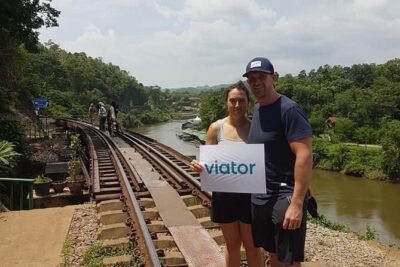
Bridge on the River Kwai and Thailand-Burma Railway Guided Tour
Read our review →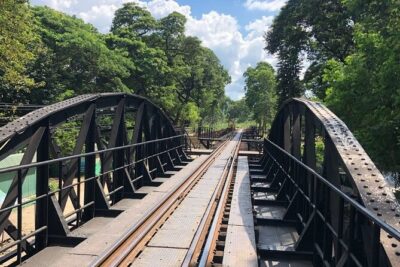
Bridge over River Kwai and Hellfire Pass Tour with Train Ride
Read our review →
Private Tour: Thai–Burma Death Railway Bridge on the River Kwai from Bangkok
Read our review →
Private Tour: Death Railway, Hellfire Pass and Erawan Waterfall
Read our review →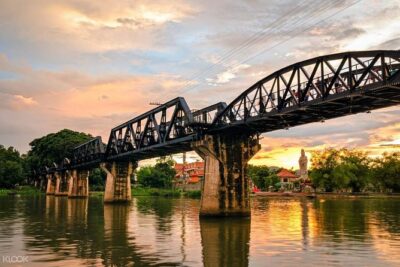
Bridge on the River Kwai and Thailand-Burma Railway Tour
Read our review →
Erawan Waterfalls-Death Railway & River Kwai Tour
Read our review →Browse the lists this tour appears in