
Review · SERBIA
From Sarajevo: Višegrad, Andrićgrad, Šargan Train, Drvengrad
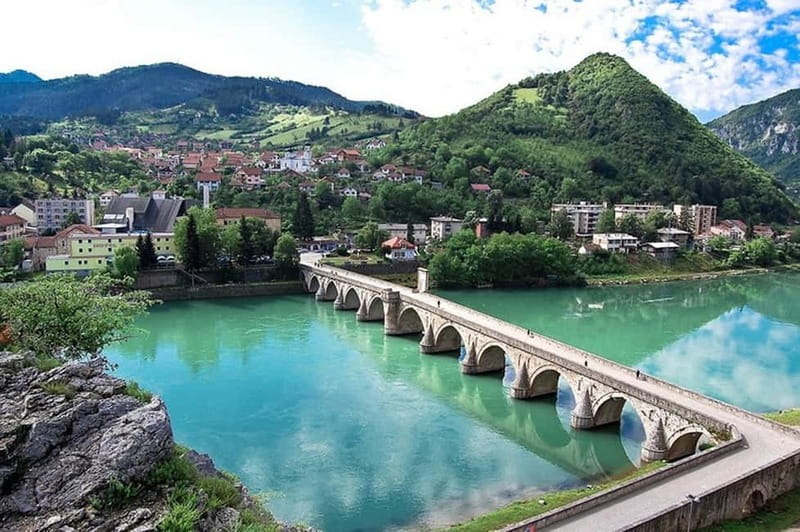
Two countries, one remarkable day. This 12-hour trip from Sarajevo combines the Drina River, Višegrad’s famous Ottoman bridge, Andrićgrad, Dobrun Monastery, the Šargan Eight railway, and Drvengrad. I like the way it joins major sights with quiet mountain roads that are difficult to cover without your own car.
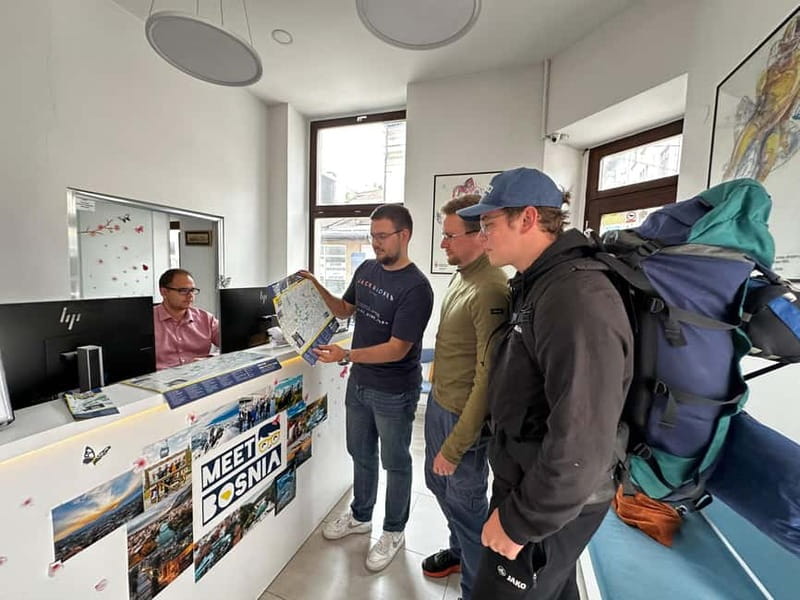
I especially like the small-group format, limited to seven people, and the guides’ strong grasp of Bosnia’s complicated past. Guides including Senad, Vedad, Amir, Enis, and Samir have been praised for their warmth, patience, and personal stories. The main drawback is simple: this is a very long day, with several hours in a vehicle and extra fees for the train and Drvengrad.
The tour costs $84 per person and includes hotel pickup, transport, a bottle of water, luggage storage, and an English-speaking guide. That is fair value if you want to see eastern Bosnia and a slice of western Serbia without arranging border transport yourself. Just bring your passport and expect a full day on the road.
Key points to know before booking
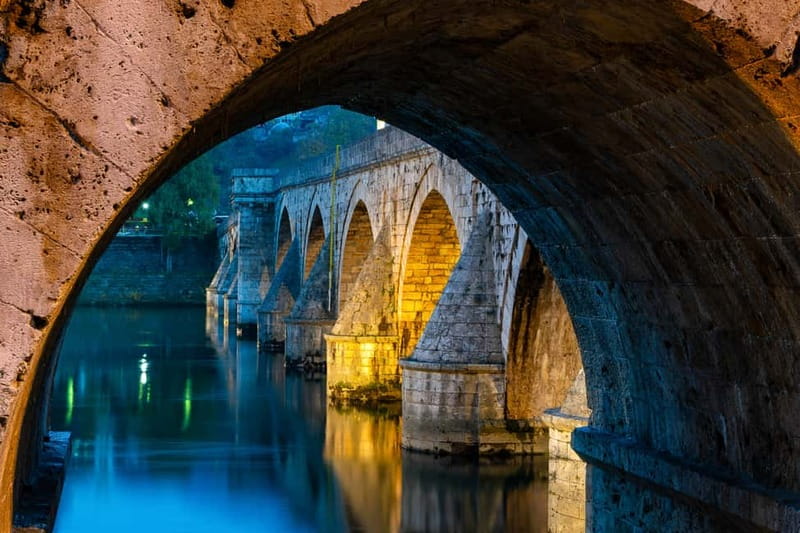
- Višegrad Bridge is the emotional center: Walk across the 16th-century Mehmed Paša Sokolović Bridge, a UNESCO World Heritage Site linked to Ivo Andrić’s novel The Bridge on the Drina.
- The drive is part of the experience: Romanija Mountain scenery and the Drina valley provide some of the day’s best views.
- You cross into Serbia: Border checks are required, and every passenger must carry a passport.
- The Šargan Eight is the highlight for many: This narrow-gauge railway offers a scenic ride near Mokra Gora, but seats depend on seasonal availability.
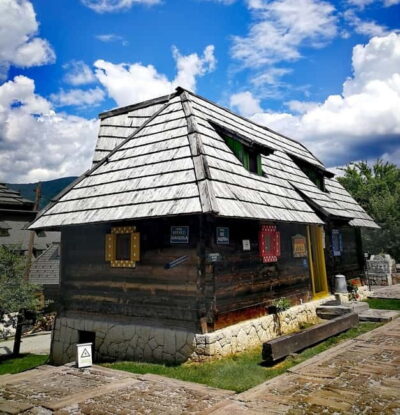
- Drvengrad is a film-set village: The wooden settlement, also called Mećavnik, was created by Serbian filmmaker Emir Kusturica.
- Budget for extras: Drvengrad costs €3, and the train costs 1,200 Serbian dinars or about €10, payable by card or cash.
Leaving Sarajevo for the Romanija Mountains
Pickup is from your hotel in Sarajevo, and you should wait in the lobby about 10 minutes before the scheduled time. The vehicle is a modern, air-conditioned car or minivan, and the group size is capped at seven. That matters on a 12-hour outing. You get more room than on a large coach, and it is easier to ask the guide to explain a place or pause briefly when conditions allow.
The road east from Sarajevo takes you through the Romanija Mountains. The scenery shifts from the city to wooded slopes, open hills, and long views toward the Drina River. Several people who have taken the tour describe the drive as beautiful, though the hours on the road can feel tiring. You should treat the journey as part of the day, not as a quick transfer between attractions.
The guides are one of the strongest parts of this experience. Several have been praised for explaining the history of Bosnia, Serbia, Yugoslavia, and the war years with care. Some guides have also shared personal memories of growing up during the conflict. That can give the route a human edge, though the subject is serious and the quality of discussion may vary by guide.
One practical point is worth stressing: the border is not a formality you can ignore. Everyone must pass border security, and a passport is required. Make sure the name on your booking matches your travel document.
More Train Journeys in the world:
- Mt Fuji & Hakone Cruise, Drum Show Bullet Train 1 Day from Tokyo
★ 4.0 · 7,413 reviews - Montserrat & Cogwheel Train, Gourmet Wine Tasting & Tapas/Lunch
★ 5.0 · 6,290 reviews - From Milan: Lake Como Cruise, St. Moritz & Bernina Red Train
★ 4.6 · 5,648 reviews
Višegrad and the bridge over the Drina
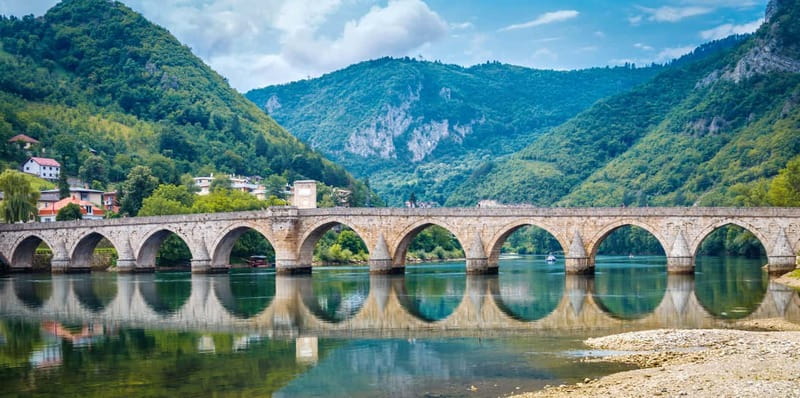
Višegrad is the first major stop, with about 20 minutes for a guided visit and sightseeing. The town sits beside the Drina River, and the bridge is the reason most people make the journey.
The Mehmed Paša Sokolović Bridge was built in the Ottoman period and is recognized by UNESCO. Its eleven stone arches cross the river in a calm, graceful line. Walking across it is the sort of experience that does not need much staging. You can look upstream and downstream, watch the water move below, and understand why the bridge became such a powerful symbol in Ivo Andrić’s writing.
The connection to Andrić gives the bridge extra meaning. Andrić won the Nobel Prize in Literature, and his novel The Bridge on the Drina follows the bridge and the people around it across centuries of change. You do not need to have read the book to appreciate the structure, but reading even a short outline beforehand will add something to the visit.
The stop is brief, so do not expect a long museum visit or hours to wander around Višegrad. The value is in the setting, the bridge itself, and the guide’s explanation. If you want a slow visit with plenty of time for photographs, you may find the schedule tight.
Andrićgrad, a stone town built from literature
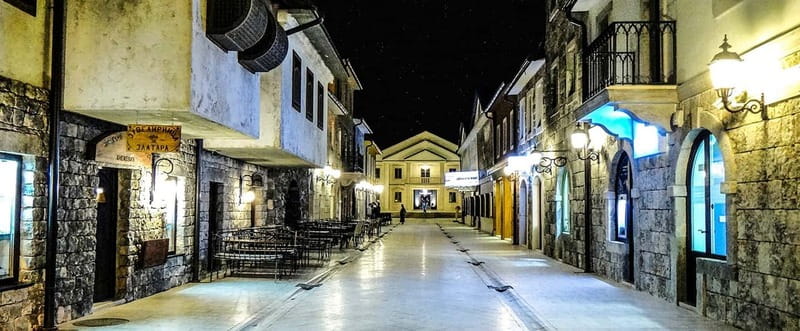
A short ride brings you to Andrićgrad, with roughly 30 minutes for a guided visit and photographs. This is not an old town that grew naturally over many centuries. It is a planned stone complex inspired by Ivo Andrić, his work, and the history of the region.
The architecture borrows from several traditions. You might notice Ottoman, Byzantine, Austro-Hungarian, and Serbian Orthodox influences placed close together. The result is unusual and visually striking, though it can feel more like a themed cultural complex than an untouched historic quarter.
That distinction is important. Andrićgrad works best when you approach it as an artistic interpretation of place and memory. The guide can explain the ideas behind its buildings and how it connects with Andrić’s writing. Without that context, you may simply see a photogenic collection of stone streets.
Thirty minutes is enough for a walk, photographs, and an introduction. It is not enough for an extended visit. I would pay close attention here, because the guide’s explanation helps turn an attractive stop into a meaningful one.
Dobrun Monastery and a quiet religious site
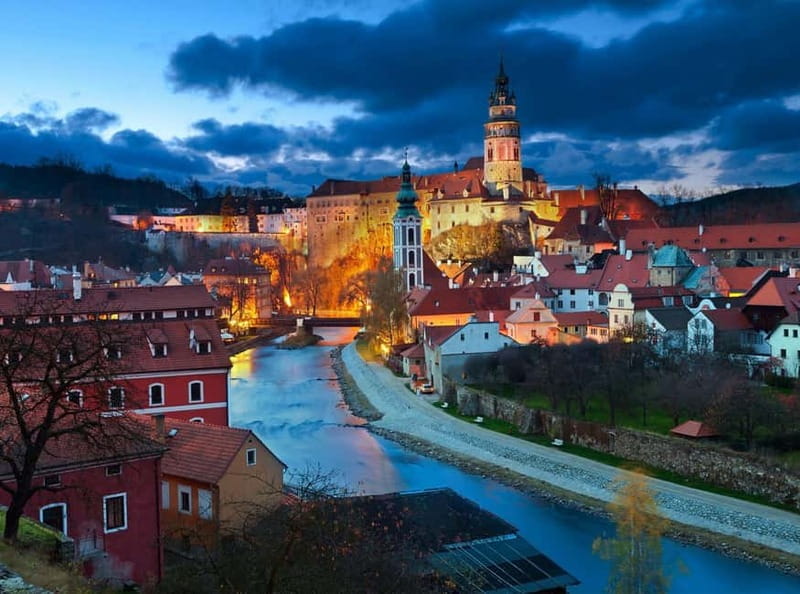
The XV-century Orthodox Monastery of Dobrun is a short stop, listed at about 15 minutes. The visit is mainly for photographs and a look at the setting rather than a long religious or architectural tour.
This pause adds variety to the day. After the bridge and the constructed world of Andrićgrad, Dobrun offers a quieter connection with Orthodox heritage. The short timing means you should not expect a full examination of the monastery or its art. Still, it helps show the range of traditions found along this border region.
The stop also breaks up the drive. On a long day, these shorter visits matter. They let you leave the vehicle, stretch your legs, and reset before continuing toward Serbia.
Same tracks, a different day out:
- Tokyo Mt Fuji 5th St & Hakone Cruise Bus Tour w/Bullet Train
★ 4.4 · 5,024 reviews - From Milan: Bernina Train and St. Moritz Day Trip
★ 4.5 · 4,495 reviews - Christ the Redeemer Entry Ticket by Corcovado Train
★ 4.4 · 4,476 reviews - From Málaga: Ronda+Setenil de las Bodegas with Little Train
★ 4.6 · 4,115 reviews
Crossing into Serbia near Mokra Gora
The route continues across the border toward Mokra Gora. You will need your passport, and all passengers must pass border control. Delays are possible, so it is wise not to plan another fixed activity in Sarajevo immediately after the tour.
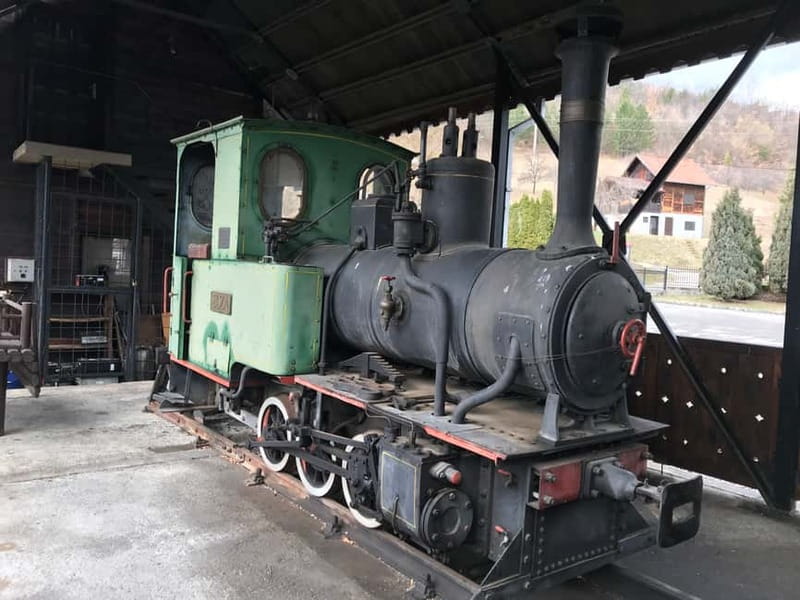
Mokra Gora is the setting for the Šargan Eight railway. The name refers to the railway’s unusual route, which uses curves, loops, and a figure-eight pattern to manage the steep terrain. It is one of the last operating narrow-gauge railways in Europe and is the most activity-based part of the day.
The train is listed as an optional extra costing 1,200 Serbian dinars, or about €10. Payment can be made by card or cash, but the ride is subject to seasonal availability. This is not a small detail. If the railway is not operating, the schedule and feel of the day will change.
Some departures use a shorter winter schedule. A winter visit has been reported as lasting about 1.25 hours rather than 2.5 hours, while the general timing can vary. Check availability before booking, especially if the train is the main reason you want this tour.
The train ride gives you a chance to enjoy the wooded hills without watching the road from a vehicle. It is scenic rather than luxurious, and the experience depends on the weather, timetable, and available departure. For many people, this is the best part of the tour because it adds movement and character to a day otherwise built around road travel and short sightseeing stops.
Drvengrad, the wooden village of Mećavnik
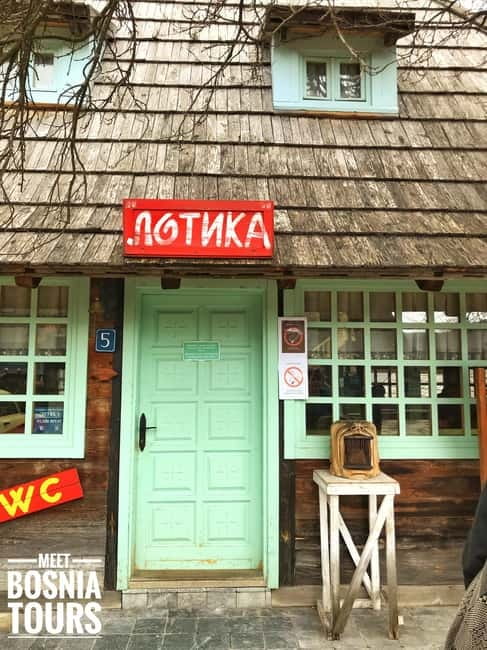
The final major stop is Drvengrad, also known as Mećavnik. You get about 30 minutes for a break, guided sightseeing, and photographs. The village was created by filmmaker Emir Kusturica, and its wooden buildings give the place a distinctive film-set character.
Drvengrad is worth understanding before you arrive. It is not a conventional Serbian village preserved exactly as it developed. It is a designed settlement shaped by cinema, regional building styles, and Kusturica’s artistic vision. If you know some of his films, you may connect with the place more quickly. If you do not, the guide’s explanation becomes especially useful.
The entrance fee is €3 per person and is not included in the tour price. There is no practical alternative sightseeing option listed for this stop, so budget for it if you want to stay with the group. The half-hour visit is enough to get a feel for the village and take photographs, but not enough for a relaxed meal or a detailed exploration.
Some people find Drvengrad fascinating, while others connect more strongly with Višegrad and the train. That is a matter of taste. I would see it as a colorful final chapter rather than the central reason to book the excursion.
Food, comfort, and the real cost
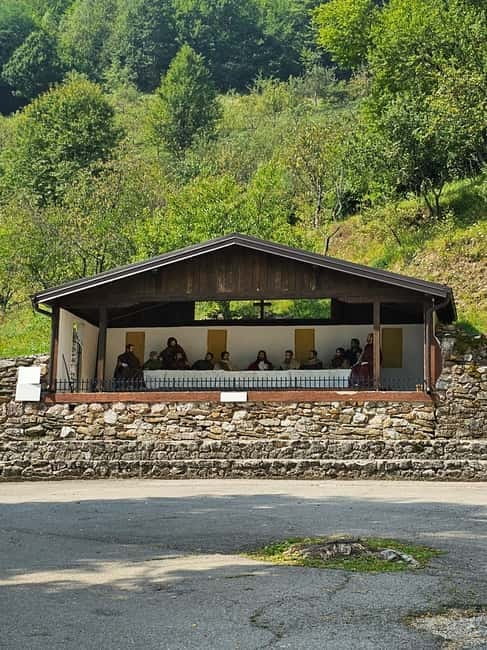
Lunch and drinks are not included. The day includes a chance to eat at a waterside restaurant in the Višegrad area, but you should bring money for food and personal expenses. One useful detail from past departures is that the guide may stop for coffee or a short break during the drive.
The advertised cost is $84 per person. Add €3 for Drvengrad and about €10 for the train, then allow for lunch and drinks. The final cost is therefore higher than the headline price, but the package still offers solid value if you compare it with hiring a car, paying for fuel, crossing the border, handling the route, and arranging the railway yourself.
You also receive hotel pickup and drop-off, an English-speaking guide, transport, a water bottle, and luggage storage. The small vehicle is a major advantage over a large bus, especially on mountain roads. One passenger did note a noisy suspension, so vehicle comfort may not be identical on every departure.
The day can begin late or run slightly behind schedule. Guides generally manage the timing well, but border checks and railway schedules are outside their control. Leave some flexibility at the end of your evening.
Who will enjoy this Sarajevo day trip?
I would recommend it most strongly if you:
- Want to see eastern Bosnia beyond Sarajevo and Mostar
- Enjoy mountain roads and scenic drives
- Have an interest in Balkan history, literature, or religion
- Want a convenient first taste of Serbia
- Prefer a small group to a full-size coach
- Are happy with a busy day and several hours of driving
You may want a different plan if you dislike long vehicle journeys or prefer spending several hours at each attraction. The Višegrad and Andrićgrad stops are short, and Drvengrad is compact. This is a broad introduction to several places, not a slow, detailed visit to one region.
The tour is also a good fit for anyone who wants help interpreting the area’s difficult past. Guides such as Vedad, Amir, Samir, Enis, and Senad have been praised for being friendly, careful, and willing to discuss the history of Sarajevo, Bosnia, Serbia, and Yugoslavia. The best moments may come between the official stops, when a guide explains how the region’s divisions affected ordinary people.
Should you book this tour?
Book it if you want a wide-ranging day trip from Sarajevo with strong scenery, a major UNESCO site, a border crossing, a historic monastery, a railway ride, and an unusual film village. The bridge at Višegrad and the Šargan train are the strongest reasons to go, while the guide can add real value through historical context.
Keep your expectations realistic. You will not have much free time, the day may be tiring, the train depends on the season, and the extra costs are not included. If those points suit you, this is a useful and memorable way to reach places that are awkward to visit independently. If you want an easy half-day outing, choose something closer to Sarajevo instead.
FAQ
How long is the tour from Sarajevo?
The tour lasts about 12 hours, including transport, sightseeing, border formalities, and the return to Sarajevo.
Is hotel pickup included?
Yes. Hotel pickup and drop-off in Sarajevo are included. You should wait in the hotel lobby 10 minutes before the scheduled pickup time.
Do I need a passport?
Yes. All visitors must pass border security, and a passport is required because the route crosses into Serbia.
What language is the tour conducted in?
The live tour guide speaks English.
How many people are in the group?
The tour is limited to seven participants, making it a small-group experience.
Is the Šargan Eight train included in the price?
No. The train costs 1,200 Serbian dinars, or about €10 per person. It can be paid for by card or cash and is subject to seasonal availability.
Is the entrance to Drvengrad included?
No. The entrance fee is €3 per person.
Are food and drinks included?
No. Food, drinks, and personal expenses are separate. A waterside restaurant stop is part of the day’s plan.
Is the tour wheelchair accessible?
Yes. The activity is listed as wheelchair accessible.
What vehicle is used?
Transport is provided in a modern, air-conditioned car or minivan. The tour also includes a bottle of water and luggage storage.
Just added around the world
- Zermatt Village & Gornergrat Railway Tour | From Bern★ 5.0 · 2 reviews
- With the steam train through Transylvania- 8 Day★ 5.0 · 2 reviews
- Zagreb: Plitvice With Secured Tickets, Boat And Train Ride★ 4.6 · 15 reviews
- Winter Tour Viking Village, Nærøyfjord Cruise & Flåm Railway★ 4.6 · 26 reviews
- York Day Rail Tour from London including Hop-on Hop-off tour★ 5.0 · 3 reviews
- Ventura: Rail Bike Guided Tour with Farm Stand Stop★ 4.1 · 18 reviews
- Virginia City Day Tour From Lake Tahoe with Train Ride★ 4.8 · 19 reviews
- Exclusive Panoramic Train Journey though the Heart of Swiss★ 5.0 · 8 reviews
Serbia Train Journeys, compared.
Šargan Eight Railway, Wooden Town & House on Drina river day trip from Belgrade
Read our review →
West of Belgrade: Woodentown, Šargan 8 train & Drina River
Read our review →
Sarajevo: Visegrad, Sarkan Eight Railway & Kurstendorf Tour
Read our review →
Sargan Eight railroad train ride & Tara mountain
Read our review →
Browse the lists this tour appears in