

Review · KYOTO
Kyoto Railway Museum Admission Ticket
Kyoto has a museum with real horsepower. The Kyoto Railway Museum turns Japan’s railway story into a hands-on day out, with 53 real trains ranging from steam locomotives to Shinkansen cars. I especially like the chance to step inside historic trains and watch the roundhouse turntable rotate, two details that make this more than a display of old machinery. The main consideration is that the ticket is non-refundable, and the museum closes every Wednesday.
I also like the mix of serious railway history and family fun. You can study how rail travel developed, then try a train-driving simulator or ride a working steam locomotive. At about $9 per person, it offers strong value, though popular areas may involve queues and the operating hours can change, so checking the official website before you go is wise.
Key points for planning your visit
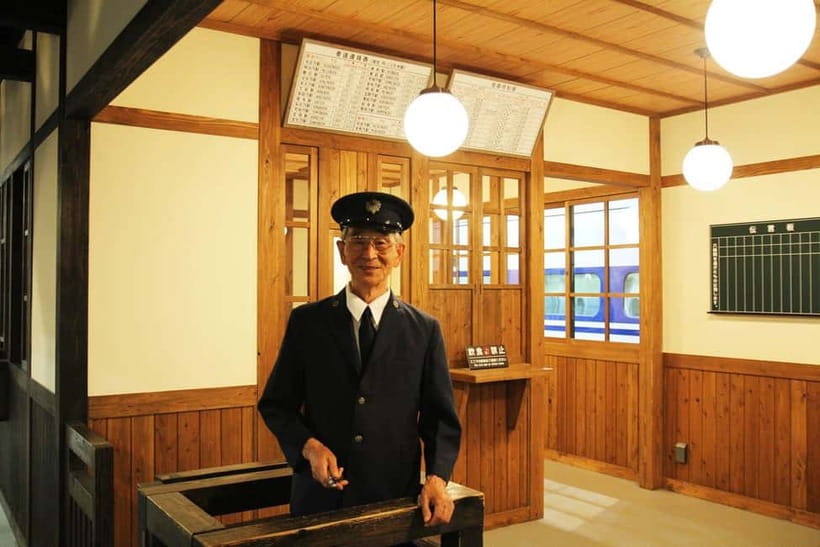
- 53 full-size trains include steam engines, classic railway cars, and a world-famous Shinkansen.
- A working steam locomotive ride adds a real sense of motion and old-fashioned railway charm.
- The historic roundhouse turntable gives you a memorable look at how locomotives are positioned and stored.
- Hands-on simulators and interactive displays help children and adults understand how trains work.
- The Sky Terrace provides a high view connected to the museum’s railway theme.
- The $9 admission covers standard museum entry, but the ticket cannot be refunded.
Why the Kyoto Railway Museum is worth your time
The Kyoto Railway Museum works because it gives you several ways to enjoy railways. You do not need to know the difference between every locomotive class to have a good time. The collection is large enough to impress devoted train fans, yet the interactive displays make the subject approachable for children and casual visitors.
Japan’s railways are closely tied to the country’s modern identity. Trains connect major cities, support daily life, and represent careful engineering and punctual service. At this museum, you can see that story in physical form. A Shinkansen represents speed and modern travel, while a steam locomotive brings you back to an earlier age of railway technology.
I like that the museum lets you move between these periods rather than presenting one narrow subject. You may look at a polished bullet train, then turn your attention to the machinery and design of an older steam engine. That contrast gives the visit a clear sense of change over time.
The museum is also a good choice when you want a break from Kyoto’s temples and gardens. It offers a different side of the city, one connected to engineering, transport, work, and everyday Japanese life. The tone is less formal than a traditional history museum, and the practical exhibits give you plenty to do.
More Railway Museums in Japan:
- Kyoto Railway Museum Advance Tickets
★ 5.0 · 2 reviews - Skip the Line: Historic RailPark and Train Museum Ticket with Guided Tour
★ 4.5 · 59 reviews - Prague: Railway Kingdom Giant Model Railway Museum
★ 4.4 · 54 reviews
Start with the 53 real trains
The main collection is the heart of the experience. With 53 real trains on display, you are looking at machines large enough to make railway history feel physical. Photographs and models can explain how trains developed, but standing beside an actual locomotive gives you a much better sense of its size and construction.
The range matters. Steam locomotives show the power and mechanics of early rail travel. Older passenger cars help you think about how people once traveled across Japan. The Shinkansen brings the story forward to the high-speed trains that have become one of the country’s best-known symbols.
You can step inside iconic trains, which is one of the strongest parts of the visit. Interior access changes the experience from simply looking at an object to thinking about how it was used. You can picture passengers, railway staff, luggage, seats, and the many small details that make a train a working public space.
For children, the scale alone can be exciting. For adults, the collection offers a useful reminder that rail technology is not just about speed. It is also about design, safety, comfort, power, and the changing needs of passengers.
The museum’s variety also helps if your group has mixed interests. A devoted rail fan can focus on the machines, while someone with only a passing interest can enjoy the visual impact and the chance to enter the carriages.
Ride a working steam locomotive
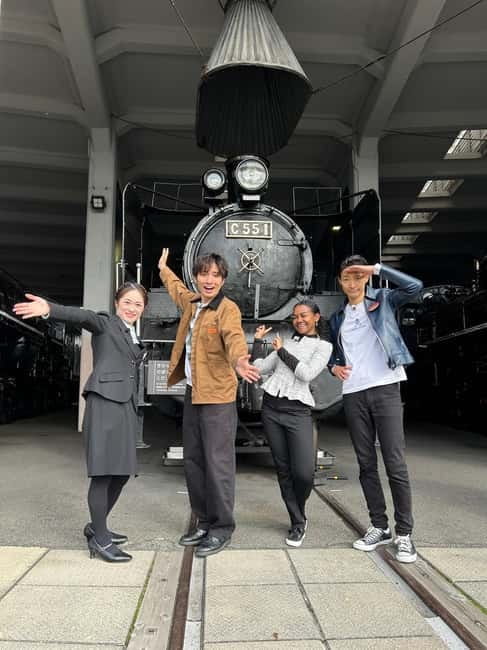
The steam locomotive ride is the most nostalgic part of the day. This is not simply a static engine positioned behind a barrier. You can board a working steam locomotive and experience a short piece of traditional railway travel in action.
The appeal is easy to understand. Steam engines connect technology with sound, movement, and atmosphere. Even if you know little about railways, a working locomotive feels different from a modern electric train. It gives you a direct sense of an earlier period, when travel depended on visible machinery and human operation.
I would treat the ride as a special part of the visit rather than the only reason to buy a ticket. The museum contains much more than the locomotive trip, and the ride may be particularly appealing to families and railway enthusiasts. It adds a physical memory to a day that could otherwise involve a lot of looking and reading.
The available information does not specify the ride schedule, length, or whether a separate fee applies. Check the museum’s current details before you arrive if the steam ride is your main priority. Opening hours and operating arrangements can change.
Watch the roundhouse turntable in action
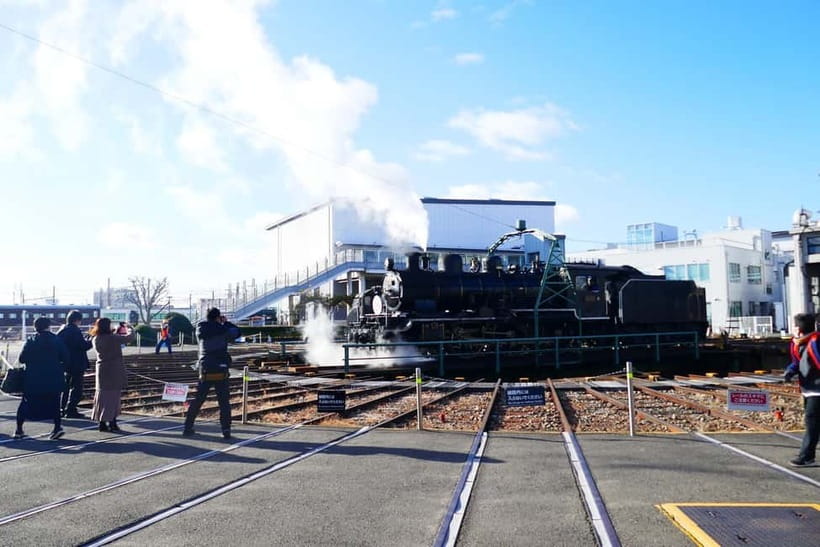
The historic roundhouse and turntable offer one of the museum’s most distinctive sights. The turntable rotates locomotives so they can be directed into different sections of the roundhouse. Seeing that mechanism work helps you understand how railway facilities once managed large engines in a limited space.
This is the kind of detail that can be easy to miss in a general transport museum. Here, the building and equipment are part of the story. The roundhouse is not just a backdrop for the trains. It shows how railways operated behind the scenes, including the practical work needed to store, maintain, and reposition locomotives.
The rotation itself is worth waiting for. It is a simple action, but a memorable one because it involves a full-size engine and a working piece of railway infrastructure. If you are visiting with children, this may be one of the clearest ways to show that trains are part of a larger system.
Take a little time to watch rather than treating the turntable as a quick photo stop. The experience makes more sense when you connect the moving platform with the arrangement of the roundhouse around it.
More Museum Visits in Japan:
- Guided Half-day Tour(PM) to Toyota Commemorative Museum & SCMAGLEV Railway Park
★ 5.0 · 3 reviews - Brussels: Train World Museum Entrance Ticket
★ 4.7 · 524 reviews - London: Postal Museum Entry Ticket and Underground Rail Ride
★ 4.6 · 363 reviews - Brussels Train World Museum Entrance Ticket
★ 4.5 · 220 reviews
Try the simulators and interactive exhibits
The museum’s hands-on displays are important because railway history can otherwise become a long series of engines and information panels. Train-driving simulators give you a more active role. You can try to manage a train rather than simply observe one.
The simulator experience may be especially useful for families with children, but adults can enjoy it too. It adds a playful challenge and breaks up the walking and reading. The realistic controls help explain that operating a train involves more than pressing a button and moving quickly.
The interactive exhibits also cover the technical side of railways. You can learn how trains and related systems work through displays designed to involve you directly. This is a strong point for anyone who likes to understand the mechanics behind familiar objects.
I would not expect every exhibit to hold your attention equally. Some displays will appeal more to people already interested in railway technology. Still, the combination of physical trains, controls, and explanatory material gives the museum a good balance between entertainment and education.
A German-speaking visitor described the museum as a place that explains both Japanese railway history and the technical workings of railways in general. That is a useful way to think about the visit. You are not limited to Japan’s train timeline. You also get a clearer look at how railway systems function.
Look closely at the railway dioramas
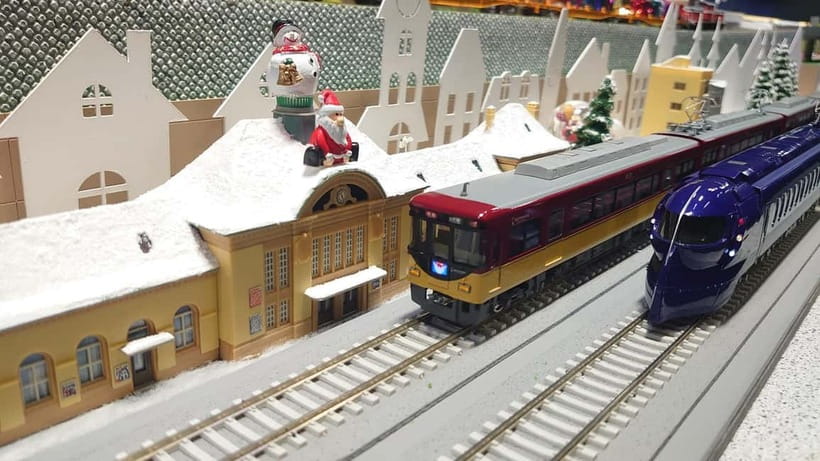
The railway dioramas provide a smaller-scale view of rail travel. Large trains show you size and machinery, while dioramas let you see railways as a connected network. Tracks, stations, trains, and surrounding activity can be understood together rather than one object at a time.
These displays are useful when you want to pause after the bigger exhibits. They reward close attention and help explain the relationship between trains and the places they serve. A railway is not only a vehicle. It is a system of lines, stations, schedules, signals, and movement.
The dioramas may appeal to model-train fans, but you do not need specialist knowledge to enjoy them. I find that miniature displays are often a good way for children to spot details at their own pace. Adults can use them to think about how a full railway network is organized.
Do not rush past these exhibits on the way to the full-size trains. They offer a change of scale and help bring together ideas introduced elsewhere in the museum.
Finish at the Sky Terrace
The Sky Terrace gives you a chance to step away from the indoor displays and look out from above. The view adds a useful final note to the visit because you can see rail travel in a wider setting rather than only inside the museum.
After spending time among engines, carriages, and technical exhibits, the terrace provides a calmer place to pause. It is also a good point for reflecting on the difference between the railway’s past and its present. The museum preserves earlier machines, while the surrounding view reminds you that trains remain part of modern city life.
The supplied information does not specify exactly what landmarks are visible from the terrace, so I would not plan the visit around a particular view. Think of it as an added viewpoint and a breather, not a guaranteed sightseeing platform.
A practical one-day plan
Your ticket is valid for one day, and the museum provides enough material for a full visit if you take your time. You do not need to rush through the exhibits, especially if you want to ride the steam locomotive, use the simulators, and watch the turntable.
A sensible order would be:
- Begin with the large train collection to understand the museum’s scale.
- Step inside the trains that interest you most.
- Move to the interactive displays and train-driving simulators.
- Watch the steam locomotive operation and roundhouse turntable.
- Spend time with the railway dioramas.
- End at the Sky Terrace if you want a pause and a wider view.
This is only a suggested flow. Families may prefer to reach the interactive areas early, while rail enthusiasts may want to start with the locomotives and Shinkansen. If the entrance queue is long, follow the instruction to wait at the entrance marked Early Bird Advance Ticket.
The museum is closed every Wednesday. Opening hours may vary, so check the official website before setting out. That small step matters because a missed opening day would waste both your time and a non-refundable ticket.
Price, queues, and what the ticket includes
At about $9 per person, standard admission is good value for a museum with 53 full-size trains, interactive displays, simulators, a steam locomotive ride, a roundhouse, and a Sky Terrace. Even if you spend only several hours inside, the price compares well with many major attractions.
The ticket covers standard museum admission. The available information does not confirm whether every optional activity is included, so check the current conditions if you want to budget for the steam ride or simulator access.
The low price also makes this an easy addition to a Kyoto itinerary. You are not committing to a costly guided tour or a fixed group schedule. You proceed directly to the Kyoto Railway Museum for redemption, at coordinates 34.9870986, 135.7422732.
The tradeoff is flexibility after purchase. The activity is non-refundable, so confirm the date and the museum’s opening status first. If the entrance is busy, you may need to wait in line. That is a manageable inconvenience, but it matters if you have a packed sightseeing schedule.
Who will enjoy the museum most
I would recommend the Kyoto Railway Museum to anyone who enjoys transport, engineering, or Japanese history. You do not need to be an expert. The full-size trains create an immediate visual impact, and the hands-on features keep the visit from becoming too technical.
Families with children are particularly well served. The simulators, train interiors, working steam locomotive, and moving turntable provide several points of interest. Children under three enter free, and children aged three to seven can purchase tickets on-site for 200 yen.
Adults who have fond memories of train travel may appreciate the museum’s nostalgic side. The steam locomotive and older carriages create a clear link with earlier forms of travel, while the Shinkansen shows how far the railway has developed.
I would be less enthusiastic if you dislike museums with machinery, technical displays, or large collections. The museum’s strengths are also its focus. It is built around railways, so it may not suit someone looking for a broad introduction to all of Kyoto’s culture.
The museum is wheelchair accessible, which makes it a practical choice for many visitors. Since the supplied details do not explain every route or facility, you may still want to confirm current accessibility arrangements directly if you have specific needs.
Should you book the Kyoto Railway Museum?
Book it if you want an affordable, active museum day with real Japanese trains rather than only photographs and text. The strongest reasons are the 53 full-size trains, the working steam locomotive, the turntable rotation, and the chance to try railway simulators.
I would especially choose it for a family day, a rainy-weather plan, or a break from Kyoto’s temples. The visit has enough variety to keep different age groups interested, and the $9 price gives it excellent value.
Skip it if your Kyoto schedule is extremely tight or if you have little interest in transport and engineering. Also avoid booking before checking the Wednesday closure and current opening hours, since the admission is non-refundable.
For most curious visitors, this is a smart and reasonably priced way to see how Japan’s railway story moved from steam power to the Shinkansen. You leave with more than a collection of train photographs. You gain a clearer sense of how these machines work, how railways changed travel, and why trains remain such a powerful part of life in Japan.
FAQ
How much does admission to the Kyoto Railway Museum cost?
The listed price is $9 per person for standard museum admission. Children aged three to seven can purchase tickets on-site for 200 yen, and infants under three enter free.
How long is the ticket valid?
The ticket is valid for one day. Check availability for the current starting times and visit details.
Is the Kyoto Railway Museum open every day?
No. The museum is closed every Wednesday. Opening hours may also change, so check the official website before visiting.
What does the admission ticket include?
The ticket includes standard admission to the museum. The supplied information does not confirm separate arrangements for every activity inside.
Can I ride a steam locomotive?
Yes. The experience includes the chance to board a working steam locomotive. Check the current operating details before your visit for schedule information.
Can I enter the trains?
Yes. You can step inside selected iconic trains as part of the museum experience.
Is the museum wheelchair accessible?
Yes. The activity information identifies the museum as wheelchair accessible.
Can I leave and re-enter the museum?
Yes. You must present your admission ticket to staff when you re-enter the museum.
Just added around Japan
- Train in Samurai Swordsmanship and Defeat the Demon in Tokyo★ 5.0 · 5 reviews
- Private tour with Yasushi and Yoko – by car, train, on foot★ 5.0 · 2 reviews
- Mt Fuji & Hakone Private Tour from Tokyo: Return by Bullet Train★ 5.0 · 22 reviews
- Bullet Train and Mt. Fuji Famous Food Tour★ 5.0 · 4 reviews
- Bullet Train Experience & Mishima Shrine Private Tour from Tokyo★ 5.0 · 9 reviews
- Tokyo-Izu: Volcano, Ocean& Capybara Cuddle with Izu Scenic Train★ 3.5 · 3 reviews
- 3-Day Private Tokyo and Nagano: Snow Monkeys, Tsukiji Market and Bullet Train★ 5.0 · 2 reviews
- Guided Half-day Tour(PM) to Toyota Commemorative Museum & SCMAGLEV Railway Park★ 5.0 · 3 reviews
Railway Museums, compared.
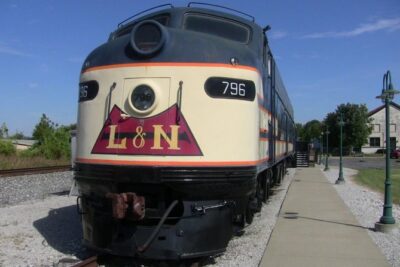
Skip the Line: Historic RailPark and Train Museum Ticket with Guided Tour
Read our review →
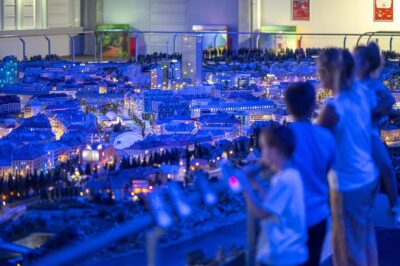
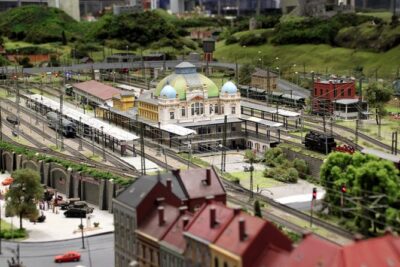
Skip the Line: Kingdom of Railways Entrance Ticket in Prague
Read our review →
Bowling Green: Historic RailPark & Train Museum Entry & Tour
Read our review →
Kusadasi Day Trips Magnesia, Train Museum Turkish Bath
Read our review →
Browse the lists this tour appears in