

Review · LONDON
London: Postal Museum Entry Ticket and Underground Rail Ride
London’s strangest railway is under your feet. The Postal Museum brings together more than 500 years of communication history, then sends you below ground on the old Mail Rail. I especially like the 15-minute underground ride and the hands-on mail-sorting displays, which turn a dusty subject into something lively. The main caution is simple: the train ride is brief, and the museum can feel geared toward children at busy times.
I also like the odd, human details: flintlock pistols once used to guard the mail, a Victorian rail car, and stories of postal workers doing difficult jobs in cramped conditions. At about $24 per person, it is good value if you allow two to three hours, but less convincing if you only want a quick train ride.
The Postal Museum is wheelchair accessible, and the café gives families a useful pause. Book the separate Sorted! Postal Play Space if you are visiting with a child who wants a larger play-focused activity. It is not included with the regular admission.
Key things to know before you go
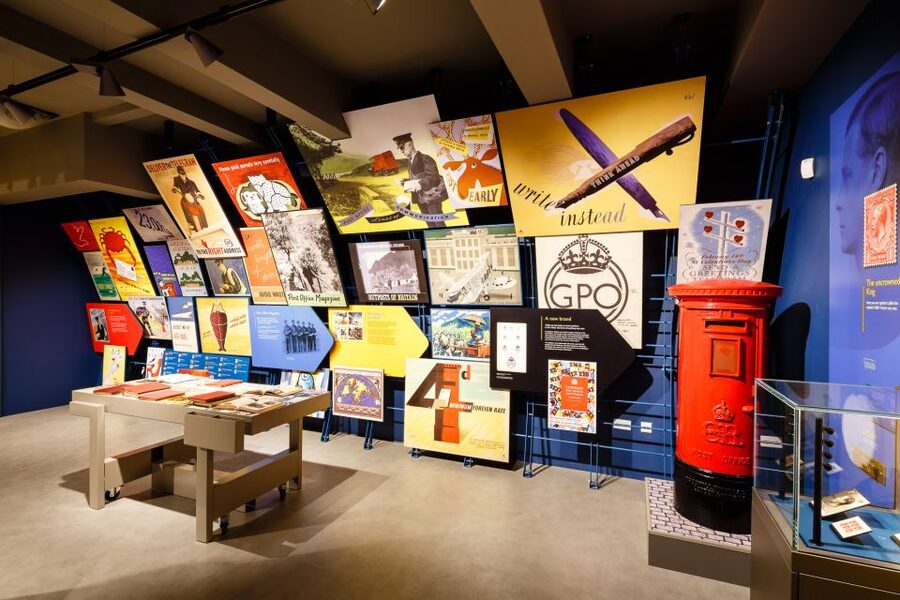
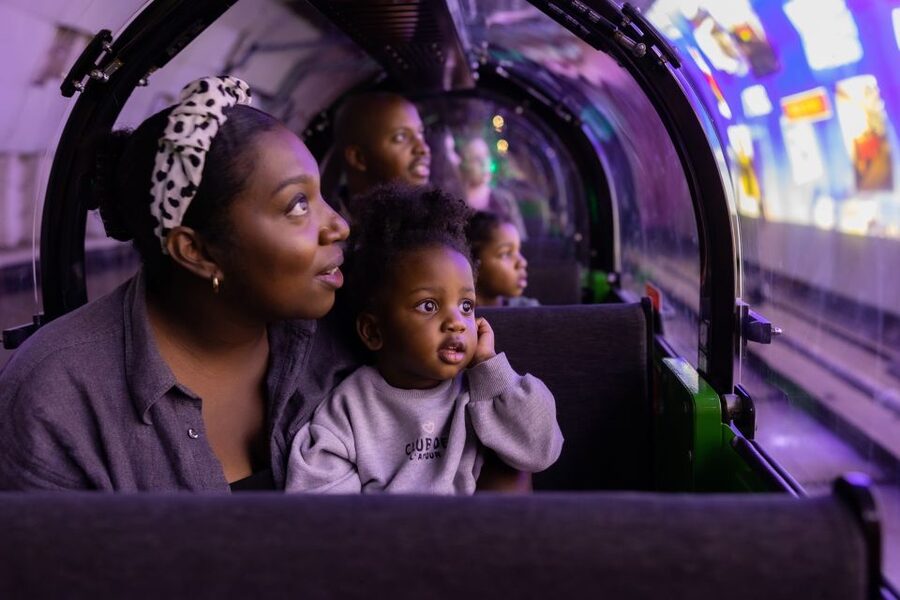
- The Mail Rail ride lasts about 15 minutes: It is the main attraction, with moving images, narration, and glimpses into the old underground railway.
- The Penny Black is on display: You can see the world’s first postage stamp while learning how affordable postage changed daily life.
- The exhibits are hands-on: Try sorting letters on a mock-up train carriage with a deliberately wobbly floor.
- The museum suits families especially well: Children can design stamps, dress up, play educational games, and explore interactive displays.
- The underground carriage is small: Tall visitors and anyone uncomfortable in enclosed spaces should think carefully before booking.
- Plan more than 90 minutes if you can: The stated duration is 1.5 hours, but several people found two to three hours more comfortable.
Why London’s postal museum is worth your time
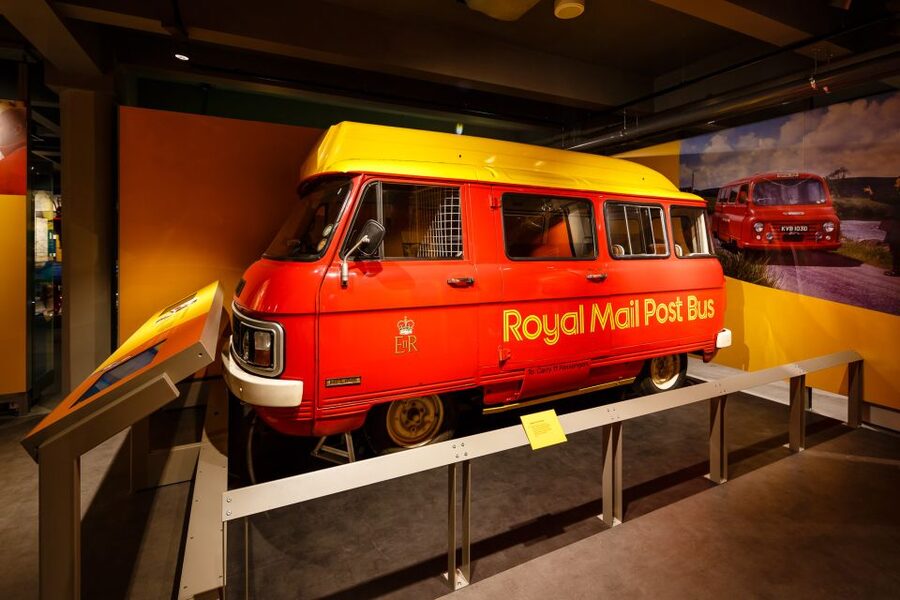
The Postal Museum explains a side of London that most sightseeing plans miss. You may know the city for its Underground, red buses, and grand railway stations. Yet for more than a century, a separate railway carried letters beneath the streets, away from traffic and crowds.
That is the clever hook here. You are not only looking at postal objects behind glass. You are following the entire system, from stamps and sorting to underground transport and delivery. The subject sounds ordinary until you see how much skill, machinery, and human labor was needed to move a letter across a growing city.
I find the museum most useful when it connects old systems to familiar modern life. Telephone boxes, post boxes, stamps, sorting rooms, and communication tools all appear in the displays. Adults may recognize objects from their childhood, while children can see how people communicated before smartphones and email.
The tone is friendly rather than academic. The exhibits use old films, projections, audio, games, and practical tasks. You will learn, but you will not need to read every label to enjoy the visit.
More Museum Visits in the UK:
- From London: Liverpool FC Stadium & Museum Rail Day Tour
★ 4.8 · 8 reviews - Brussels: Train World Museum Entrance Ticket
★ 4.7 · 524 reviews - Brussels Train World Museum Entrance Ticket
★ 4.5 · 220 reviews
Start with the Mail Rail ride
The underground ride is the clearest reason to visit. You board a small train and travel through part of the Post Office’s former railway, which dates back more than 100 years. The ride takes around 15 minutes, so keep your expectations realistic. This is a compact presentation, not a long underground journey.
The train moves through the tunnels while projected films and recorded commentary explain how the railway worked. One particularly effective feature uses video and audio connected with a former employee, giving the system a human voice instead of presenting it as a collection of machinery.
The route includes stops or pauses where images appear on the tunnel walls. This helps explain the railway’s purpose and development without forcing you to stand in front of a long panel. It also keeps children interested.
The carriage and tunnels are tight. One visitor specifically noted that the experience may not suit people who are claustrophobic or very tall. A short period in a confined space will not bother most people, but you should take the warning seriously. The ride also includes a blackout-style moment, which some younger children may find startling.
Bags are handled carefully during the ride. The train has separate lockers, and staff lock them before departure and open them when you return. That arrangement may cause a brief moment of concern when you hand over your belongings, but it is designed to keep the small carriage clear.
The ride can feel too short for adults who want a detailed engineering tour. The projected material fills out the experience, but you do not spend long examining tunnels or equipment. For most families, though, 15 minutes is about right. It gives you a memorable taste of Mail Rail without asking children to sit still for half an hour.
The Penny Black and the machinery of ordinary life

After the railway, give yourself time for the galleries. The most famous object is the Penny Black, widely recognized as the world’s first postage stamp. Its importance becomes clearer when you consider what a simple stamp changed: sending a letter became easier to understand and more affordable for ordinary people.
The museum places this object within a wider story. You can trace the development of postal services, post boxes, telephone boxes, sorting methods, and the people who kept the system moving. The displays are not enormous in number, so this is not a vast national museum that requires a full day. Their strength comes from clear explanations and unusual objects.
The flintlock pistols are a memorable example. They were used to protect mail from theft, a reminder that transporting letters was once a risky job. A postal service needed guards, horses, coaches, sorting staff, and secure routes. That is a far more dramatic picture than the quiet act of dropping a letter through a modern post box.
Look for the Victorian miniature rail car too. It helps bridge the gap between the street-level postal service and the underground railway. The small scale makes the object appealing to children, while adults can think about how transport technology changed the speed and reliability of the mail.
The museum also includes stories that are easy to remember. One display concerns a mail stagecoach horse attacked by a lioness. Details like this keep the subject from becoming a dry timeline. You begin to see postal work as a sequence of practical problems: theft, distance, weather, crowded streets, and the need to sort huge volumes quickly.
Try sorting mail on a moving floor
The most entertaining hands-on exhibit recreates mail sorting inside a train carriage. The floor wobbles as you work, giving you a small idea of the physical demands placed on railway sorters.
This is a smart exhibit because it explains a job through your body, not just through text. You quickly discover that sorting letters while a train moves is harder than it looks. Children tend to enjoy the challenge, and adults often find it surprisingly funny.
Other activities include educational games and modern research displays. You might design your own stamp, try communication-related tasks, or explore how postal work developed through different periods. Several families found these activities useful because children could take part while adults read the surrounding information.
The balance is not perfect for every visitor. Some displays are aimed at younger children, and weekend visits can become noisy when families gather around the interactive sections. If you want a quiet look at every object, arrive early or avoid the busiest family periods if your schedule allows.
The children’s Sorted! Postal Play Space is a separate activity booked through the Postal Museum website. Do not assume it comes with the standard ticket. The information provided lists it as a separate booking for children aged 8, so check the museum’s current details if that is your reason for visiting.
More Tickets in the UK:
- Christ the Redeemer Entry Ticket by Corcovado Train
★ 4.4 · 4,476 reviews - Granada City Train 1 or 2-Day Hop-On Hop-Off Ticket
★ 3.5 · 3,128 reviews - Interlaken: Funicular Ticket to Harder Kulm
★ 4.7 · 1,469 reviews - Plitvice Lakes Tour: Secured Tickets, Train & Boat Ride
★ 4.5 · 802 reviews
How much time should you allow?
The advertised duration is 1.5 hours, but I would treat that as a minimum. You can finish the Mail Rail ride and make a quick gallery visit in that time. If you want to read the stories, try the interactive displays, and stop at the café, allow around two to three hours.
A useful plan is:
- Begin with the Mail Rail ride if that is your main reason for coming.
- Spend at least 45 minutes in the galleries afterward.
- Add time for the sorting activity, stamp design, and other interactive stations.
- Leave room for a drink or snack at the family-friendly café.
Some admission arrangements allow you to return within a year, according to information given at the museum, so check the current ticket terms. That can make the experience better value for London residents or anyone staying in the city for several days. It also removes the pressure to read every display in one visit.
One visitor said three hours would have been a better amount of time. That sounds right for a family that wants to do the activities rather than simply glance at them. The venue can also work as a shorter stop if you are fitting it between other central London sights.
Price, value, and the café break
At around $24 per person, this is not the cheapest small museum visit in London. Its value depends on using the full experience. If you spend only 90 minutes, much of the price is paying for the train ride and the specialized setting. If you stay for two or three hours, the cost feels more reasonable.
The Mail Rail gives the museum something many postal collections do not have: a real sense of place. You are not merely looking at a model of an underground railway. You are sitting inside a train that travels through the former postal system’s tunnels.
The galleries add enough material to justify the rest of the ticket, especially for families. Adults who enjoy social history, transport, technology, or old communications equipment will find plenty of interest. Children may not read every panel, but the physical activities give them a reason to stay engaged.
The café is useful rather than a major reason to visit. It offers snacks and refreshments and is accredited as family-friendly. One useful caution is that tables, chairs, and floors may need more frequent cleaning during busy periods, especially late in the day. A cup of tea is welcome, but this is a place to refuel, not a destination café.
Who will enjoy the Postal Museum most?
I would choose this for families with school-age children, especially those who like trains, machines, puzzles, or practical activities. The wobbly sorting carriage, stamp design, dress-up elements, and underground ride give children several ways to take part.
It also suits adults who enjoy overlooked London stories. The museum explains how communication developed through real objects and working systems. If you remember rotary telephones, old post boxes, or paper letters as part of everyday life, you may find the visit pleasantly nostalgic.
It is less suitable if you want a large collection of grand objects or a long railway journey. The Mail Rail experience is short, and some of the museum’s activities are clearly designed for younger visitors. Adults who dislike crowds may also find weekend family traffic distracting around the interactive exhibits.
The attraction is wheelchair accessible, which makes it easier to include in a mixed-age group. For anyone with mobility or sensory concerns, it is sensible to confirm current arrangements before arrival, especially for the small underground train and dark sections.
Practical planning for a smoother visit
Start at the Postal Museum and check the available ride times when you arrive or book. The ride is the part with a fixed sequence, while the galleries are easier to explore at your own pace.
Do not pack your schedule too tightly. Delays can occur, and one visitor experienced a 40-minute wait connected with a large group. Staff are generally described as helpful, but a busy day can affect the timing.
If you are visiting with children, explain that the underground train is small and may become dark. That simple warning can prevent an anxious moment. Keep the stamp and sorting activities in mind if a child loses interest in the historical displays.
The shop is worth a quick look if you like communication-themed gifts. It sells items connected with the postal and communications story, so it feels more relevant than a generic souvenir counter.
Should you book the Postal Museum?
Book it if you want an unusual London attraction that combines transport, social history, and hands-on fun. The Mail Rail ride is the essential part, but the museum earns its ticket price through the Penny Black, postal weapons, Victorian rail car, sorting challenge, and clear explanations of how communication changed.
I would recommend allowing two to three hours, particularly with children. Book with the knowledge that the train ride lasts only about 15 minutes, and that the galleries lean family-friendly. If you are comfortable with a compact carriage and a short dark section, this is one of London’s more distinctive museum outings.
FAQ
Where is the experience located?
The experience begins at the Postal Museum in London, in South East England.
How long does the visit last?
The stated duration is 1.5 hours. You may want two to three hours if you plan to explore the galleries, use the interactive exhibits, and stop at the café.
Is the Mail Rail ride included?
The experience includes entry to the Postal Museum and a ride on the underground railway. The Mail Rail ride lasts about 15 minutes.
What is the Penny Black?
The Penny Black is the world’s first postage stamp. It is displayed at the Postal Museum.
Is the museum suitable for children?
Yes. The museum includes educational games, interactive displays, stamp design, dress-up activities, and a hands-on mail-sorting exhibit. The separate Sorted! Postal Play Space must be booked independently.
Is the Postal Museum wheelchair accessible?
Yes. The activity is listed as wheelchair accessible.
Is the underground ride suitable for people who are claustrophobic?
The train and tunnels are small, and the experience includes a dark section. Anyone who feels uncomfortable in enclosed spaces should consider this before booking.
Is food available at the museum?
Yes. The museum has a family-friendly café serving snacks and refreshments.
Can I cancel the booking?
You can cancel up to 24 hours in advance for a full refund. A reserve-now-and-pay-later option is also available, subject to the booking conditions.
Just added around the UK
- York Day Rail Tour from London including Hop-on Hop-off tour★ 5.0 · 3 reviews
- York Day Rail Tour from London Including Hop-on Hop-off Tour★ 3.0 · 3 reviews
- Liverpool and The Beatles 2 Day Rail Tour from London with Hotel★ 4.0 · 10 reviews
- London to Dublin by Ferry and Rail★ 4.0 · 15 reviews
- Edinburgh, Loch Ness, The Highlands from London – 3 Day Rail Tour★ 4.0 · 40 reviews
- Private Tour – Moors, Whitby & Yorkshire Steam Railway Day Trip from Harrogate★ 5.0 · 2 reviews
- Steam Trains and Castles with qualified Isle of Man Tour Guide★ 3.5 · 3 reviews
- Jacobite Train and Private Cruise of Loch Nevis with Lunch★ 4.5 · 2 reviews
Museums, compared.

Skip the Line: Historic RailPark and Train Museum Ticket with Guided Tour
Read our review →
Luxembourg: Combi-Ticket City Train & the 7 Museums Pass
Read our review →


Madrid by High-Speed Train with Prado Museum Private Tour
Read our review →Browse the lists this tour appears in