
Review · BANGKOK
Bridge on the River Kwai and Thailand-Burma Railway Guided Tour
The past is still on the tracks. This long day from Bangkok brings World War II history into sharp focus through the Bridge on the River Kwai, Kanchanaburi War Cemetery, and the Death Railway train ride. I especially like the mix of solemn memorials and moving transport experiences, plus the chance to hear the story from a local guide rather than simply walk around a bridge. The main drawback is the distance: Bangkok traffic can turn an advertised 11-hour outing into a 12 to 14-hour day.
You get hotel pickup, an air-conditioned vehicle, lunch, a long-tail boat ride, and guided visits to several important sites for about $94.53 per person. I also like that you can choose a private vehicle and guide, which is worth considering if you want clearer commentary and a less rushed day. Bring water, sun protection, and patience, because the road journey takes roughly two to three hours each way.
Key points to know before booking
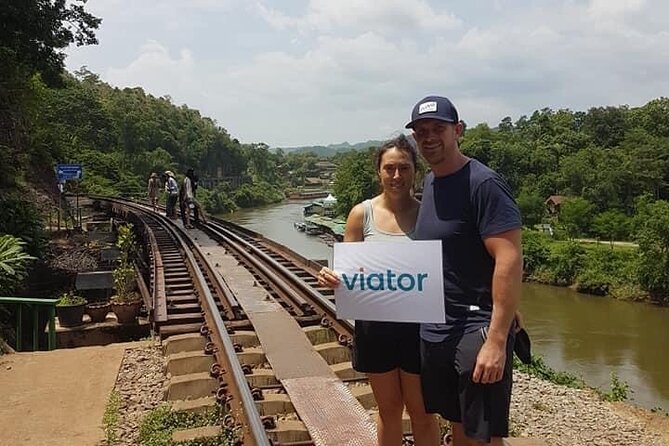
- The train ride is the emotional centerpiece: You travel along part of the Death Railway and see the countryside from the tracks.
- The 300-baht train seat charge is extra: It is payable in cash to the guide or at the station, despite the train ticket being listed as included.
- Bangkok traffic can stretch the day: Pickup may begin before 7 a.m., and some departures have returned around 8:30 p.m.
- The guide can make or break the experience: Guides such as Oom and Rach have received especially warm praise for clear explanations and attentive care.
- The war cemetery and museum need quiet attention: These are not quick photo stops, though the time allocated may feel short.
- The shared tour is capped at 15 people: A private upgrade gives you more direct attention and may improve communication.
Why the Bridge on the River Kwai matters
The bridge is part of the Thailand-Burma Railway, built during World War II between 1942 and 1943. Prisoners of war were forced to work on the railway under terrible conditions, and the tour uses several sites to explain what happened rather than treating the bridge as a single movie location.
The famous 1957 film helped make the bridge known around the world, but the real story is broader and darker. You are not simply visiting a cinematic landmark. You are seeing one section of a railway linked to the suffering and deaths of prisoners of war and forced laborers.
That context matters. Without it, the bridge can seem like a scenic crossing with a famous name. With a good guide, the train tracks, cemetery, museum, and river become connected parts of one story.
I would approach the day as a history tour first and a sightseeing trip second. The river and countryside are attractive, but the main reason to make the long journey is to understand what the railway meant.
More Death Railway Tours in Bangkok:
- From Bangkok: Death Railway & Hellfire Pass Tour with Lunch
★ 4.6 · 931 reviews - Bridge on the River Kwai and Thailand-Burma Railway Tour
★ 4.5 · 658 reviews - Bridge over River Kwai and Hellfire Pass Tour with Train Ride
★ 5.0 · 199 reviews
The early Bangkok pickup and long road to Kanchanaburi
The stated start time is 7 a.m., but hotel pickup may begin 30 to 60 minutes earlier depending on your location. Pickup is offered from centrally located Bangkok hotels, and you must provide your hotel details when booking. If you do not, the reservation may be cancelled.
The vehicle is an air-conditioned minivan on the shared option, with a maximum group size of 15. This keeps the trip smaller than a large coach tour, but comfort can vary. Some passengers have found the rear rows hard for hearing the guide, and a few have described the ride as rough because of the vehicle suspension.
That is important on a day with several hours on the road. Sit near the front if you want the best chance of hearing commentary. Ask about a portable speaker if the vehicle is full, and speak up early if you cannot hear. The operator has also stated that its vehicles have working seat belts and that drivers are monitored, but you should still check your belt before leaving Bangkok.
The route to Kanchanaburi takes about two to three hours each way. Traffic is the wild card. The official duration is approximately 11 hours, yet a busy return through Bangkok can make the day much longer. I would not book an evening dinner, show, or flight with only a three-hour buffer after the scheduled return.
There are rest stops along the way, and the day includes lunch. Still, carry water, tissues, and perhaps a small fan. Toilet facilities may not always have paper, relying instead on the familiar handheld bidet sprayer.
The River Kwai by long-tail boat
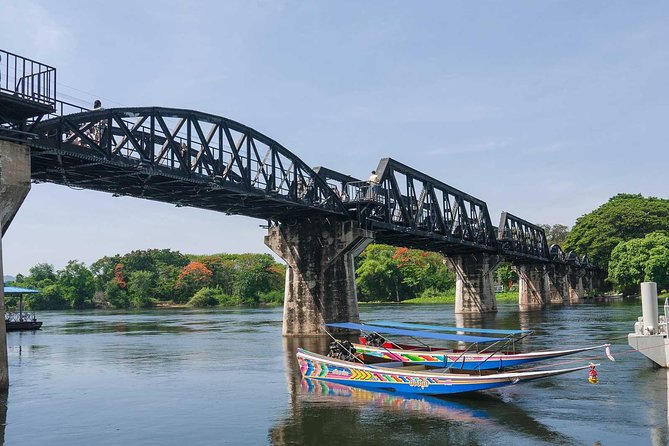
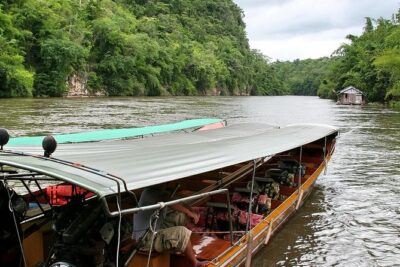
The boat ride gives you a different approach to the river and bridge. Instead of arriving by road and stepping straight into a busy sightseeing area, you travel on the water in a long-tail speedboat before reaching the historic crossing.
This is one of the most enjoyable parts of the day for many people, especially when the weather is warm and the river offers a break from the minivan. The ride is included, and the views from the water help connect the railway to the surrounding countryside.
Keep your expectations in check. The boat segment may be quite short, with some descriptions suggesting closer to five minutes than 20. It is best treated as a brief scenic transfer, not a full river cruise.
The landing point may feel basic, and a rusty jetty has been noted as part of the experience. That is not a reason to avoid the tour, but it helps you picture the outing accurately. Wear shoes that are easy to manage and be careful when stepping on or off the boat.
Walking across the River Khwae Bridge
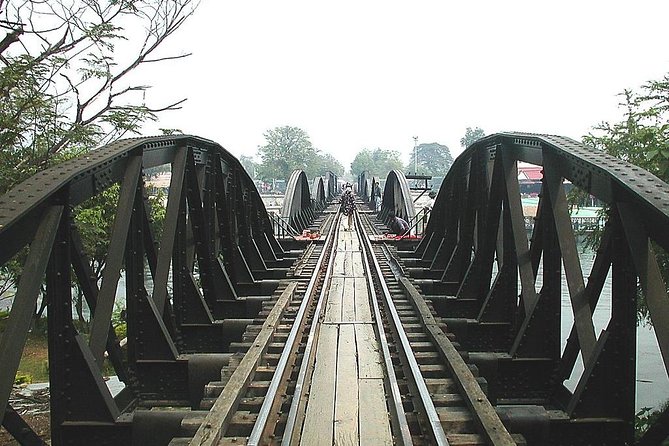
You get time to walk across the bridge and take in the setting. The bridge itself is not a preserved World War II scene in the sense of being untouched, but it remains a powerful place to connect the physical railway with the stories you hear.
This is a good point to look beyond the famous name. The bridge is part of a larger railway project, and the tour explains the conditions faced by POWs during its construction. The guide’s narration matters here because the structure alone cannot tell you enough.
Time at the bridge may feel limited if the day is running behind. The guide has discretion to change the timing of each stop, and the group’s schedule also affects how long you can remain. If photography matters to you, take a few minutes early, then put the camera away and listen.
The setting is scenic, but this is not just a viewpoint. Treat the bridge with the same respect you would give the cemetery and museum.
More Train Journeys in Bangkok:
- Day Trip to Bangkok Floating Market & Maeklong Railway
★ 5.0 · 1,528 reviews - Bangkok: Railway and Floating Market Tour with Dragon Temple
★ 4.6 · 1,225 reviews - Private Excursion to Maeklong Railway and Floating Markets
★ 5.0 · 850 reviews - From Bangkok: Railway & Damnoen Saduak Floating Market Tour
★ 4.6 · 775 reviews
Kanchanaburi War Cemetery: the quietest stop
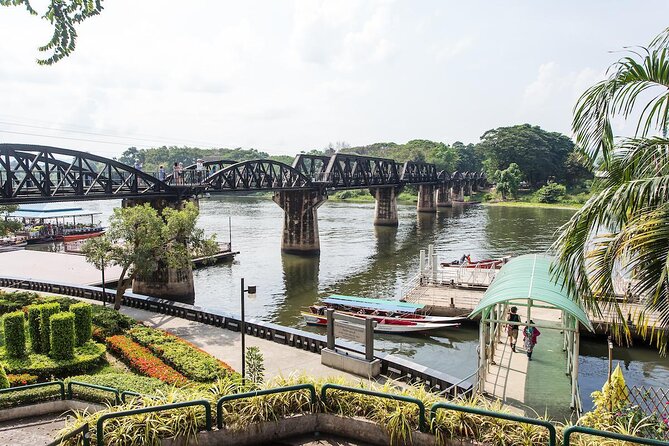
The Kanchanaburi War Cemetery is the main prisoner of war cemetery for those who died while building the Burma Railway. It sits on Saeng Chuto Road in Kanchanaburi and is included in the tour.
The stop is scheduled for about 20 minutes. That is enough to enter, walk among the graves, and pause, but it is not a long visit. If you read every inscription, you may want more time than the schedule allows.
This is likely to be the most solemn part of the day. The bridge attracts cameras and movement, while the cemetery asks you to slow down. I recommend using the short visit for quiet reflection rather than trying to photograph every corner.
The tour’s historical explanation gives the cemetery more meaning. You begin to see individual names and graves not as an abstract memorial, but as part of the human cost of the railway.
JEATH War Museum and the problem of time
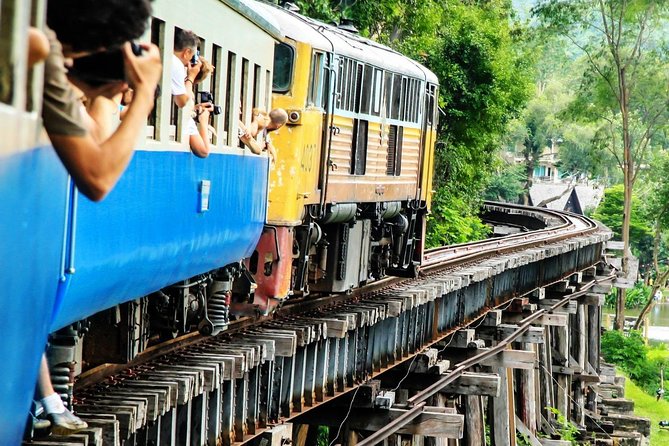
The JEATH War Museum is a small museum opened in 1977. Its displays focus on the experiences of prisoners of war who built the Death Railway, using original photographs, letters, and drawings to show the harsh living conditions.
The scheduled visit is about 20 minutes, so this is a compact introduction rather than a long museum session. Some people may find the displays powerful and useful. Others may feel the building is worn and that the time would be better spent at the cemetery or bridge.
That split is understandable. Museums of this kind can be emotionally direct, but they may not have the polish or order of a major city museum. Go in expecting a modest, old-style display rather than a modern exhibition.
A guide who explains what you are seeing can make the short visit count. Without clear commentary, it may feel like a rushed walk through photographs. This is another reason the private option can be attractive if you want to ask questions or need slower explanations.
The Death Railway train ride
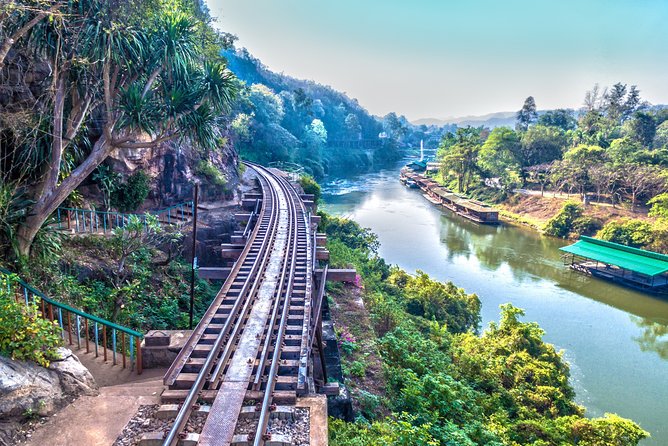
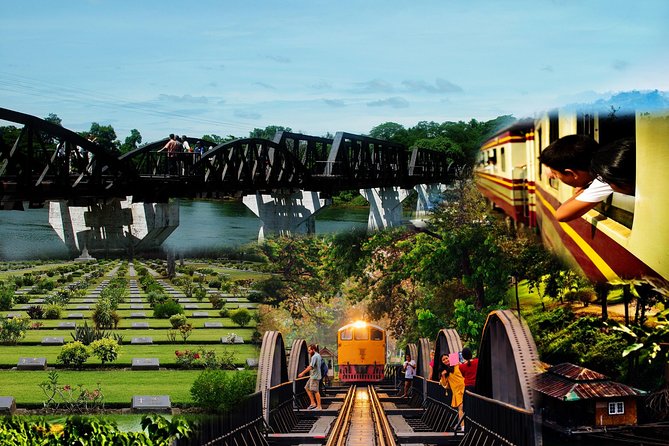
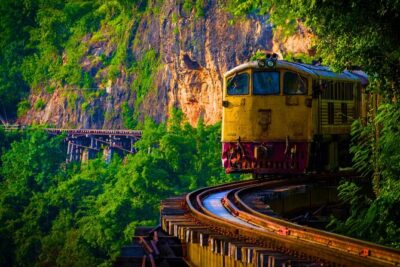
The train journey is the tour’s strongest sightseeing segment. You ride along the Death Railway and see the countryside from the tracks, with the carriage windows open and no air conditioning on the train itself.
The views are often the most memorable part of the day. You are no longer looking at the railway from a road or museum. You are moving along the line and getting a direct sense of the route through western Thailand.
The train can be loud, especially with open windows, so ear protection may help if you are sensitive to noise. Keep your hat secure, and use sunscreen. The train ride is not a luxury rail experience, but that is part of its appeal. It feels functional and tied to the place.
A 300-baht seat fee is mandatory for every passenger and is not included in the advertised price. It includes a guaranteed seat and is paid locally in cash to the guide or at the station. Budget for this before you go, since the tour description otherwise makes the train arrangement sound fully covered.
The guide should explain the train schedule and boarding arrangements. Communication has not always been clear for every group, so pay attention and ask where and when to meet. Do not wander far from the group at the station.
Lunch, rest stops, and the value of the package
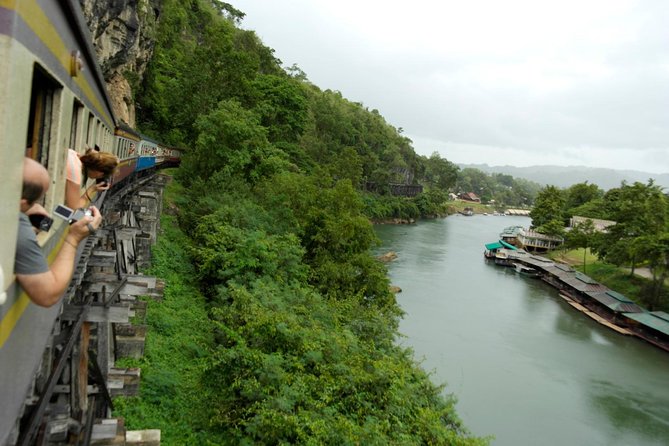
A buffet lunch is included, and the meal is generally described as acceptable to good. The setting can add to it, with a view that some people have found especially pleasant. After a very early start and a long road journey, having lunch arranged is useful.
This is not a food tour, and I would not choose the excursion for the meal. The real value comes from combining transport, entrance fees, local guiding, the boat ride, and train travel in one day. You do not need to arrange several separate tickets or work out the rail schedule yourself.
At $94.53 per person, the price is reasonable if you want a guided day from Bangkok and value convenience. The calculation changes if you dislike long drives or prefer to spend more time at each site. A private upgrade costs more, but it may be worthwhile for couples, families, or small groups who want a vehicle and guide to themselves.
Group discounts are available, and the shared tour is limited to 15 people. That is a manageable size, though a full minivan can still make it hard to hear from the back.
Shared or private: which option works better?
The shared tour is the practical choice if you want to keep costs down. It includes the main transport and activities, and the group setting can make the long day feel more social. Guides Oom and Rach have been especially praised for their historical explanations, humour, and attention to the group.
The private option is better if you want control over the pace and direct access to your guide. It may also help if you have mobility concerns, a strong interest in military history, or questions that need more time. The tour information says the private upgrade provides your own vehicle and guide.
No option removes the long drive. A private booking can make the road time more comfortable and the stops more personal, but Bangkok traffic remains outside anyone’s control.
The guide is the most important variable. Clear English, good timing, and the willingness to answer questions can turn a standard sightseeing day into a meaningful history lesson. If you are placed in a large shared vehicle and cannot hear, say so early rather than waiting until the return journey.
What to pack for this 11-hour day
Keep your day bag small and useful:
- Water and tissues or toilet paper
- Hat, sunscreen, and a small fan
- Comfortable walking shoes
- Cash for the 300-baht train seat fee
- Ear protection for the train
- A phone charger or power bank
- Modest clothing suitable for memorial sites
You should also leave room for flexibility. The published timing is approximate, and the guide can adjust the schedule. You may have less time at one stop and more time waiting for transport than expected.
Most people can participate, and children under 100 centimeters receive the child rate. Children over 100 centimeters pay the adult rate.
Who should book this tour?
I would recommend it to you if you have a serious interest in World War II, military history, memorials, or railway history. It also suits anyone who wants to see Kanchanaburi without arranging several connections independently.
The tour is a good match for first-time visitors to the area because it gathers the main sights into one structured day. The guide adds context that you would miss if you simply took a taxi to the bridge, snapped a few photographs, and left.
I would hesitate if you dislike early starts, long minivan rides, heat, or fixed group schedules. The journey can be tiring, and the boat and museum portions may feel too brief if you want extended visits.
If you have only one free day and the subject matters to you, the long road is justified. If you can stay overnight in Kanchanaburi, that may give you a calmer visit, but this Bangkok excursion is the easier option for a tightly planned trip.
Should you book it?
Book this tour if you want the full historical package from Bangkok: bridge, cemetery, museum, boat, train, lunch, and a guide to connect the pieces. The strongest parts are the Death Railway train ride, the cemetery, and the chance to hear detailed stories from a good guide such as Oom or Rach.
Choose the private upgrade if you value comfort, questions, and personal attention. Choose the shared trip if price matters more and you can accept a crowded minivan and a flexible schedule.
The fair warning is simple: allow the whole day, and then some. Do not schedule an important evening commitment afterward. With that understood, this is a worthwhile and moving excursion, not because the bridge is glamorous, but because the places around it force you to remember what the railway cost.
FAQ
How long does the Bridge on the River Kwai tour take?
The stated duration is approximately 11 hours, starting around 7 a.m. Travel time and Bangkok traffic can extend the day to 12 hours or more, and some schedules may return as late as around 8:30 p.m.
Is hotel pickup included?
Yes. Pickup and drop-off are included from centrally located Bangkok hotels. Pickup may take place 30 to 60 minutes before the stated start time, depending on your hotel.
Is the train ride included in the price?
The train ride is included, but every passenger must pay a separate 300-baht seat fee locally. This payment includes a guaranteed seat and can be made in cash to the guide or at the station.
What is included in the tour?
The package includes hotel pickup and drop-off, air-conditioned vehicle transport, the long-tail speedboat ride, train travel, buffet lunch, a Thai local guide, and entrance fees listed for the tour.
Can I book a private tour?
Yes. You can choose a private option with your own vehicle and guide. The shared option has a maximum of 15 participants.
Is the tour suitable for children?
Most people can participate. Children under 100 centimeters receive the child rate. Children over 100 centimeters are charged the adult rate.
Just added around Bangkok
- Train trip death railway Bridge on river Kwai from Bangkok to Kanchanaburi trip★ 4.0 · 17 reviews
- Small Group: Kanchanaburi Death Railway, Erawan Waterfall and Elephant★ 4.0 · 3 reviews
- Historic Kanchanaburi: Train, Boat & Skywalk + Lunch From Bangkok★ 4.5 · 3 reviews
- River Kwai Bridge and Death Railway World War II Tour in Thailand★ 5.0 · 2 reviews
- Historic Kanchanaburi:Train, Boat, Skywalk from Bangkok(No Lunch)★ 5.0 · 2 reviews
- Private tour : Railway & Floating Market and the Bridge over river Kwae★ 5.0 · 2 reviews
- Private Tour: Kanchanaburi Erawan Waterfall Tour from Bangkok★ 4.5 · 13 reviews
- Bangkok: Railway and Floating Market Tour + Dragon Temple★ 4.5 · 9 reviews
Death Railway Tours, compared.
Bridge on the River Kwai and Thailand-Burma Railway Tour
Read our review →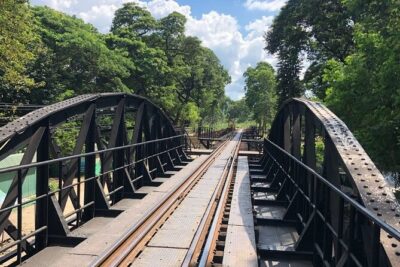
Bridge over River Kwai and Hellfire Pass Tour with Train Ride
Read our review →
Private Tour: Thai–Burma Death Railway Bridge on the River Kwai from Bangkok
Read our review →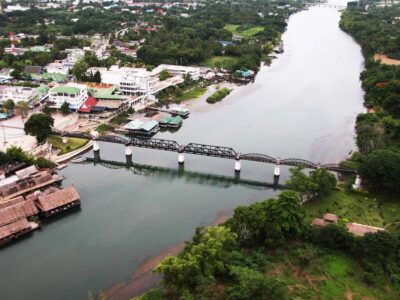
Death Railway & River Kwai Bridge Private Tour
Read our review →
Private Tour: Death Railway, Hellfire Pass and Erawan Waterfall
Read our review →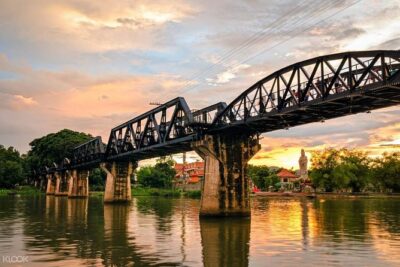
Bridge on the River Kwai and Thailand-Burma Railway Tour
Read our review →
Erawan Waterfalls-Death Railway & River Kwai Tour
Read our review →Browse the lists this tour appears in