
Review · ROME
From Rome: Pompeii and Herculaneum by High-Speed Train
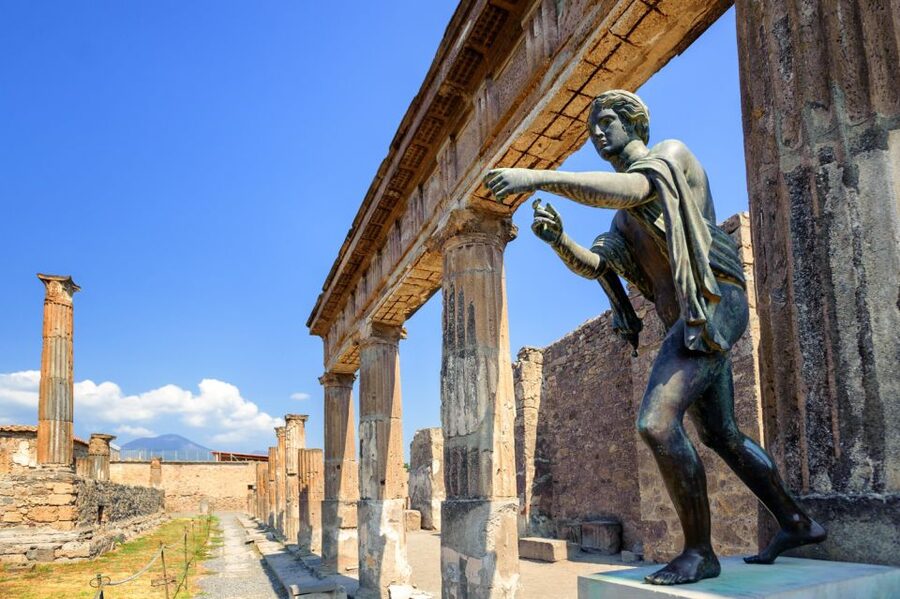
Two buried cities, one very long day. This Rome day trip makes it possible to see Pompeii and Herculaneum without arranging trains, site tickets, and local transport yourself. I especially like the fast 70-minute train to Naples and the archaeologist guides, including highly praised guides such as Michele, Raphael, Diego, and Giulia.
The main drawback is the pace. You get about two hours at each archaeological site, plus only 30 minutes of free time at Pompeii, so lunch and photographs can feel hurried. At $222.77 per person, this is a practical but expensive choice, best suited to anyone who values expert guidance and a carefully arranged day over a slower, independent visit.
Key points at a glance
- High-speed Rome to Naples train: The journey takes about 70 minutes, far less than a bus transfer and much easier than driving.
- Two archaeological sites in one day: Pompeii gives you a broad Roman city, while Herculaneum offers better-preserved houses and streets.
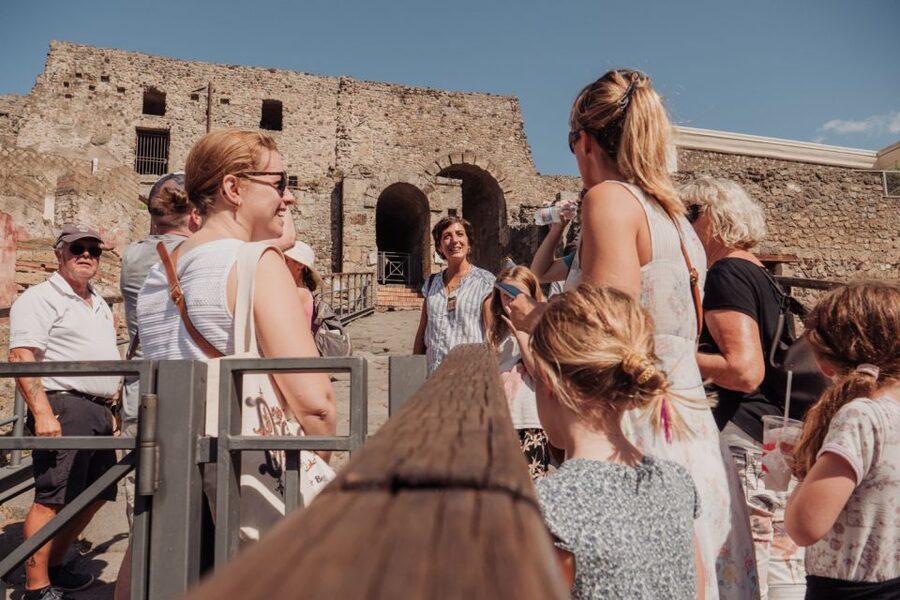
- Archaeologist-led visits: Guides such as Michele, Michael, Paolo, Jasmine, and Raphael have been praised for explaining both daily life and the evidence behind the eruption.
- Plaster casts and preserved remains: Pompeii includes casts of people and animals, while Herculaneum’s beach area contains preserved skeletons.
- Comfortable local transfers: A shared minibus connects Naples with both sites and returns you to the station.
- A demanding walking day: Expect roughly one mile on uneven stone streets in Pompeii and another half mile in Herculaneum.
Why the high-speed train changes the day
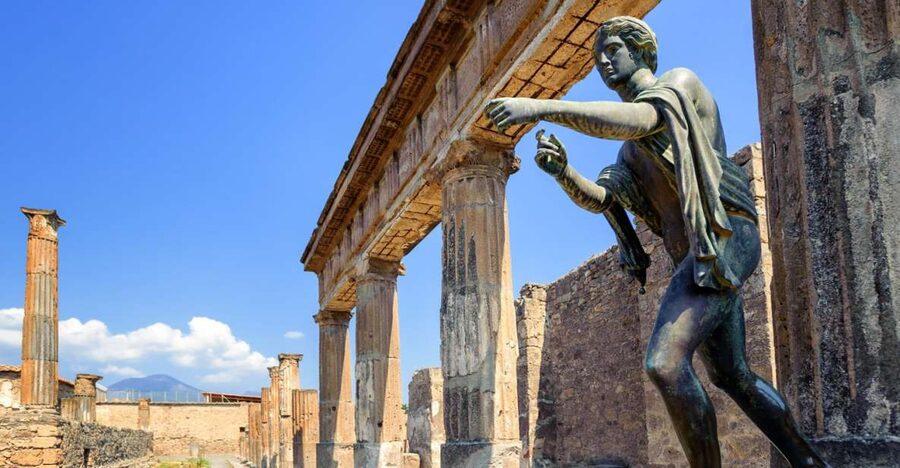
The strongest practical feature is the train. From Rome’s Roma Termini station, you use pre-booked high-speed tickets for the 70-minute ride to Naples Central Station. That is a far better use of your time than sitting in road traffic for hours, especially on a day when you already have a full schedule.
You travel independently from Rome to Naples, so you need to find the right platform and board the train yourself. Arrive early at Termini. It is a large, busy station, and finding the departure board, platform, and train can take longer than expected if you are unfamiliar with Italian rail travel.
At Naples, meet the guide in front of the STARHOTEL TERMINUS entrance, directly opposite the station. Look for the ASKOS TOURS sign. The meeting point is close, but one useful detail is worth noting: a larger sign would make the guide easier to spot in the crowd. Keep your phone charged and your meeting instructions easy to reach.
From Naples, the group travels by shared van or minibus. The drive to Pompeii takes about 30 minutes. After Pompeii, another short transfer takes you to Herculaneum, followed by a final 30-minute ride back to Naples Central Station for the train to Rome.
The train tickets, local transport, and site admissions are included. That takes away several pieces of planning, and it also protects you from the most tiring part of an independent day trip: working out how to connect two archaeological sites with a return train to Rome.
More High-Speed Trains in Italy
- Rome to Pompeii Guided Tour with Wine & Lunch by High Speed Train
★ 5.0 · 1,379 reviews - Rome: Pompeii Tour with Wine and Lunch by High Speed Train
★ 4.8 · 485 reviews - Venice Day Trip from Rome by High-Speed Train with Happy Hour
★ 4.5 · 445 reviews
Pompeii: a large city that needs a guide
Pompeii is the bigger and more sprawling of the two sites. Its streets, public buildings, houses, shops, and religious spaces show a Roman city at a scale that photographs cannot quite convey. You get a sense of urban planning, social class, and ordinary routines, not just a collection of broken walls.
The guided visit lasts about two hours. That is enough to see important sections and understand how the city worked, but it is not enough to wander every street. The guide helps you use your time well, pointing out key buildings and explaining what you are looking at before the scale of the site becomes confusing.
The tour includes newly opened houses, the brothel, and the plaster casts of victims. The casts are among Pompeii’s most affecting sights. They preserve the final positions of people and animals caught by the eruption, turning an ancient disaster into something personal and immediate. The subject matter is difficult, so this part may not suit young children or anyone who prefers to avoid human remains.
The archaeologist guides add real value here. Michele, Michael, Julia, Paolo, and others have been praised for explaining excavation evidence, daily life, and the different theories surrounding the earthquakes and eruption of Mount Vesuvius. That distinction matters. Pompeii is easy to photograph without understanding, but a good guide shows you how the buildings, streets, and objects fit together.
The walking surface is uneven and made up of ancient stone paving. You cover about one mile during the Pompeii visit, often at a steady pace. Wear sturdy, comfortable shoes. Sandals, flip-flops, and high heels are not allowed, and they would be poor choices even if they were permitted.
The short break at Pompeii
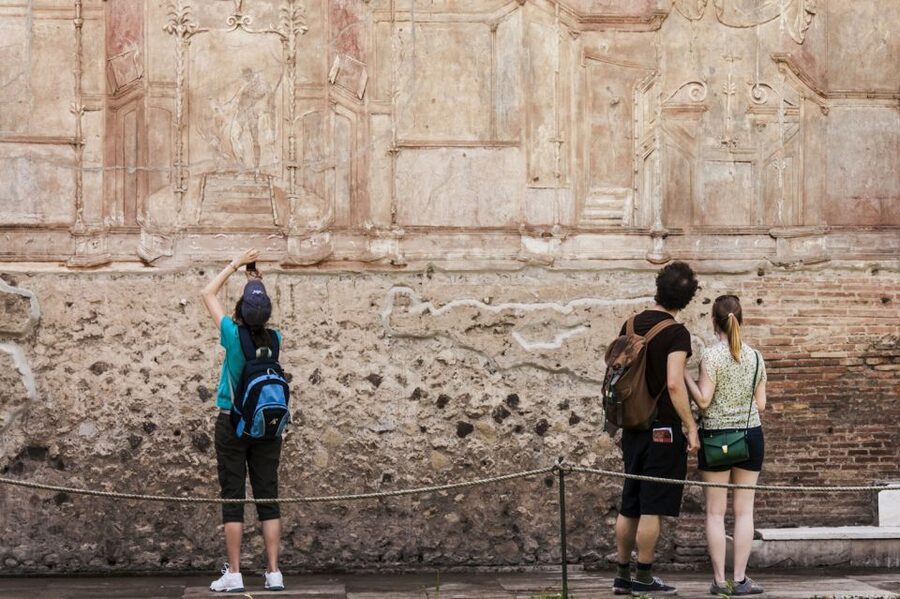
After the guided portion, you have about 30 minutes of free time. This is the part of the schedule most likely to feel tight.
You may use it for a quick meal, shopping, or a little independent looking around. However, the eating options near the entrance can be limited, and finding a table and finishing lunch within the available time may be difficult. A pre-arranged meal is not included, so I would keep lunch simple and quick rather than choosing a sit-down meal that risks cutting into your free time.
There is also a small tradeoff in the way the day is organized. Some people would prefer to spend that spare half hour inside Pompeii, taking photographs or seeing another section of the site. If the group returns to Naples with more than an hour before the train, you may have unused time there instead of extra time among the ruins.
That said, the break does provide a useful pause before Herculaneum. Pompeii can be hot, exposed, and physically tiring, so use the time for water, a bathroom stop, and a quick bite.
Herculaneum: smaller, more intimate, and better preserved
Herculaneum receives about two hours of guided attention. It is smaller than Pompeii, which makes it easier to grasp in a limited visit. The ruins also give you a closer look at houses, decoration, and street-level details.
The House of Neptune and Amphitrite is one of the named stops. Its preserved decoration helps show the quality of Roman domestic life before the eruption. At Herculaneum, you can often focus more closely on individual buildings rather than trying to understand a whole city at once.
The beach area is another major stop. Hundreds of skeletons are preserved there, a stark reminder of the people who tried to escape the eruption. The site can feel more intimate and emotionally heavy than Pompeii because the remains and houses are brought together in a smaller space.
The contrast between the two sites is the reason this day works. Pompeii shows a wide Roman settlement with public spaces and a broad street plan. Herculaneum gives you a tighter look at homes, materials, decoration, and the lives of residents. Seeing both helps you understand that the eruption affected different places in different ways.
You walk about half a mile at Herculaneum. That is less than at Pompeii, but the ancient surfaces remain uneven. You should still expect steps, stone paving, and a fair amount of standing while the guide explains each stop.
More High-Speed Trains in Rome:
- From Rome: Day Trip to Venice by High-Speed Train
★ 4.6 · 352 reviews - Rome to Florence: High-Speed Train Day Trip with Guided City Tour
★ 4.0 · 235 reviews - From Rome: Pompeii and Naples Day Trip by High-Speed Train
★ 4.7 · 234 reviews - Amalfi Coast Day Trip from Rome by High-Speed Train
★ 4.5 · 162 reviews
What the archaeologist guide adds

The guide is the heart of this experience. Names frequently associated with especially strong tours include Michele, also referred to as Michael or Mikele, Raphael, Diego, Giulia, Jasmine, Gennaro, Sergio, Mikel, Alfredo, and Paolo. The exact guide depends on the date, but the format is consistent: live English commentary at both sites, with headsets for the group.
The best guides do more than recite dates. They explain how archaeologists interpret a building, what is known about the eruption, and where uncertainty remains. They also connect large events to normal life: housing, streets, businesses, public buildings, and the people represented by the plaster casts.
A guide can also manage the pace. Diego has been praised for seeing the important areas while still allowing time for photographs. Paolo was appreciated for keeping the group away from heavy crowds. Raphael was noted for an entertaining style and a well-paced visit. Those details are important because the quality of a Pompeii tour depends as much on timing and explanation as on the ruins themselves.
The headsets are useful in a busy archaeological park. You can hear the guide without standing shoulder to shoulder with the whole group, though you still need to stay close enough to follow the route.
The real value of the $222.77 price
At $222.77 per person, this is not a budget day trip. You are paying for the round-trip high-speed train, Pompeii and Herculaneum admissions, two guided visits with an archaeologist, and minibus connections between Naples and the sites.
The price makes more sense if you are staying in Rome and have only one open day for Campania. Buying the train tickets, arranging transport from Naples, purchasing two site admissions, and finding a qualified guide would take time and carry its own risks. This tour gathers those pieces into one plan.
The value is weaker if you want long periods of free exploration or a relaxed lunch. You pay for efficiency, not flexibility. You also pay for an expert who can make the ruins understandable, which matters especially at Pompeii, where an unplanned visit can become a long walk among walls with little sense of how the city functioned.
Meals are not included, and hotel pickup or drop-off in Rome is not included. You begin and end at Roma Termini, so you must reach the station on your own.
Who should book this day trip?
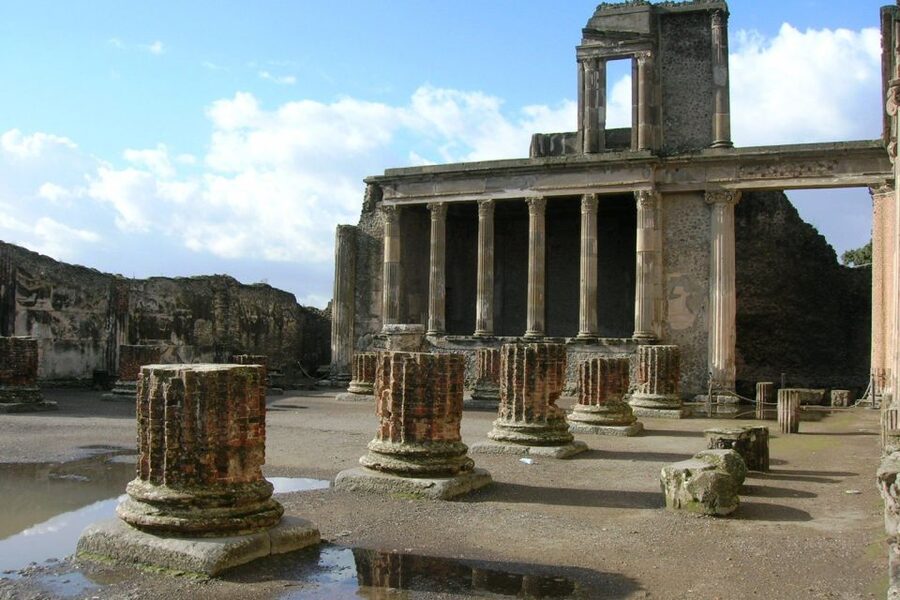
I would choose this tour if you want to see both sites from Rome without renting a car or spending hours on a slow bus. It is a good match for first-time visitors who want the main archaeological sights explained clearly, especially if an archaeologist’s perspective matters to you.
It also suits couples or families who prefer a set plan. The train and minibus connections reduce the number of decisions you need to make, and the support around the Naples meeting point can be reassuring if you do not know the area.
I would hesitate if you want a slow archaeological day. Two hours at Pompeii and two hours at Herculaneum give you the highlights, but not every street, house, or museum room. The 30-minute Pompeii break is also not generous enough for a leisurely lunch.
The physical demands deserve attention. The tour is not recommended for people with limited mobility or wheelchair users. You need to walk on uneven stone surfaces, stand during explanations, and keep moving with the group. Bring a raincoat if rain is forecast, since the tour operates in wet weather as well as sunshine.
Do not bring luggage or large bags. Bring a passport or identity card, comfortable walking shoes, water, and only the essentials.
Should you book Pompeii and Herculaneum from Rome?
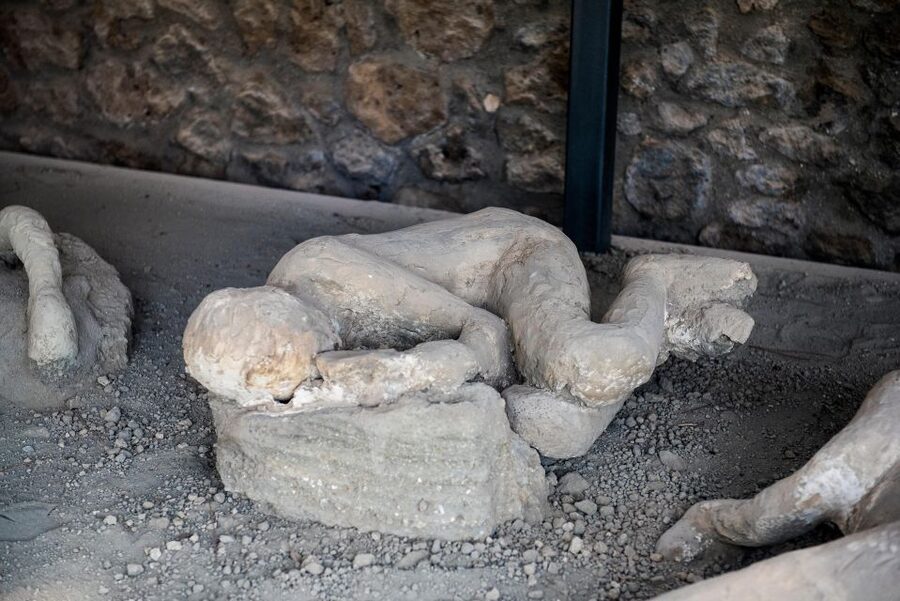
Book it if your priority is seeing both ancient cities in one day with strong historical context. The fast train keeps the Rome to Naples journey reasonable, and the archaeologist guide gives the ruins meaning that a quick self-guided visit may miss.
Skip it if you want plenty of free time, a relaxed meal, or a detailed exploration of every corner. For most people with limited time in Rome, though, the combination of high-speed rail, organized minibus transfers, included entry, and expert guiding makes the steep price easier to justify. Plan for a long, active day, arrive early at Termini, and keep lunch quick. Do that, and this is one of the most efficient ways to meet both Pompeii and Herculaneum.
FAQ
Where does the tour begin?
The tour begins at Roma Termini station. You travel independently from there to Naples using the provided high-speed train tickets.
How do I meet the guide in Naples?
Meet the guide in front of the STARHOTEL TERMINUS entrance, opposite Naples Central Station. Look for the guide holding an ASKOS TOURS sign.
How long does the train ride from Rome to Naples take?
The high-speed train takes about 70 minutes each way.
How long is the entire experience?
The activity lasts about 8.5 hours. Check the available start times when booking.
Are Pompeii and Herculaneum admission tickets included?
Yes. Pompeii Express entry and Herculaneum entry are included, with the Herculaneum ticket listed at 16 euros per person.
Are meals included?
No. Meals are not included. You receive about 30 minutes of free time at Pompeii, which can be used for lunch or shopping.
How much walking is involved?
The tour requires about one mile of walking in Pompeii and about half a mile in Herculaneum. The surfaces are uneven and paved with ancient stone.
What language is the tour conducted in?
The live guided tour is conducted in English. Headsets are provided for all participants.
Can I cancel the tour for a refund?
You can cancel up to 24 hours in advance for a full refund. The tour also offers a reserve-now, pay-later option.
Just added around Rome
- Florence from Rome by High Speed Train at your pace★ 4.5 · 11 reviews
- Venice Day Trip from Rome: Private Tour by High Speed Train★ 4.0 · 58 reviews
- Private Tour of Rome from Florence in fast train★ 5.0 · 2 reviews
- Pompeii Guided Tour with Train Included from Rome★ 4.5 · 40 reviews
- Positano & Amalfi Small Group Boat Tour from Rome with Fast Train★ 5.0 · 42 reviews
- Naples Day Trip with High-Speed Train & Naples Underground★ 3.5 · 3 reviews
- Florence & Uffizi Ticket by High speed Train: Day Trip from Rome★ 4.0 · 2 reviews
- Florence Day Trip by High-Speed Train From Rome★ 4.0 · 6 reviews
High-Speed and Bullet Trains, compared.

Mt Fuji & Hakone Cruise, Drum Show Bullet Train 1 Day from Tokyo
Read our review →
Tokyo Mt Fuji 5th St & Hakone Cruise Bus Tour w/Bullet Train
Read our review →
Taj Mahal & Agra Tour by Gatimaan Express Train
Read our review →
Pompeii Tour with Wine and Lunch by High Speed Train
Read our review →
Venice Day Trip from Rome by High-Speed Train with Happy Hour
Read our review →
Mt. Fuji and Hakone Day Trip From Tokyo with Bullet Train Option
Read our review →
Suzhou Private Day Trip from Shanghai with Bullet Train Option
Read our review →
Browse the lists this tour appears in