
Review · KANCHANABURI
Kanchanaburi: River Kwai and Death Railway Day Tour
War history and temple views share one memorable day. This Kanchanaburi tour links the War Cemetery, JEATH Museum, Bridge over the River Kwai, Tham Krasae railway, and Wat Tham Suea in eight hours. I like the small group of up to nine and the careful attention to wartime memorials. I also like the chance to see several key sites without arranging separate transport.
One important catch: the train ride itself is not included. You see the railway and watch trains pass at Tham Krasae, but this is not a journey by train. Guides Na and Ricky have earned especially strong praise for their energy, historical explanations, photography help, and care with guests who need extra support. The steep climb at Tiger Cave Temple is the other point to weigh before booking.
Key points at a glance
- The day begins with remembrance: Kanchanaburi War Cemetery and the JEATH Museum give the tour its serious purpose.
- The famous bridge is a short visit: You walk around the Bridge over the River Kwai, but no train crossing is part of the experience.
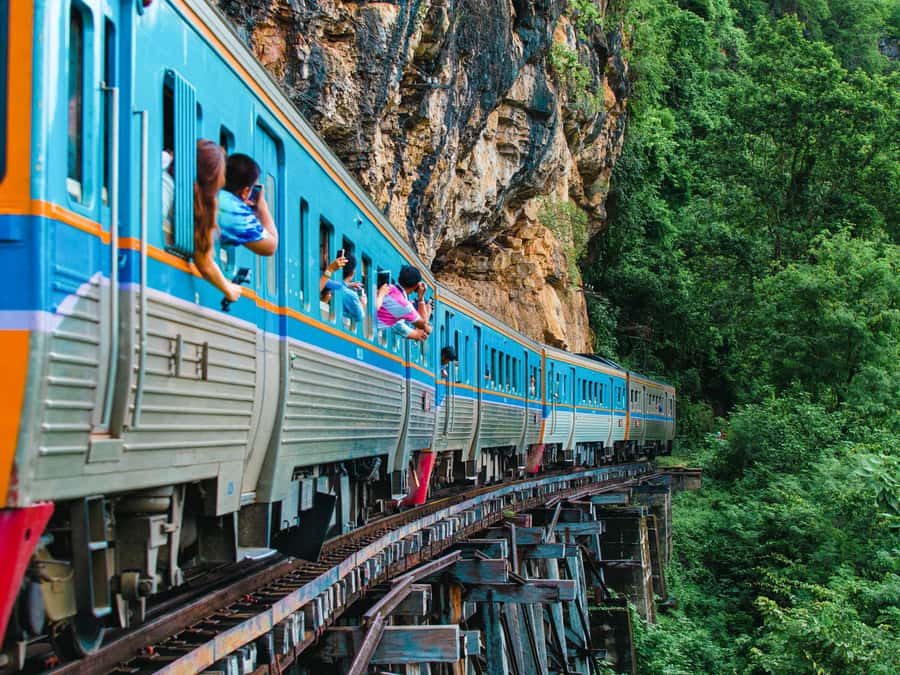
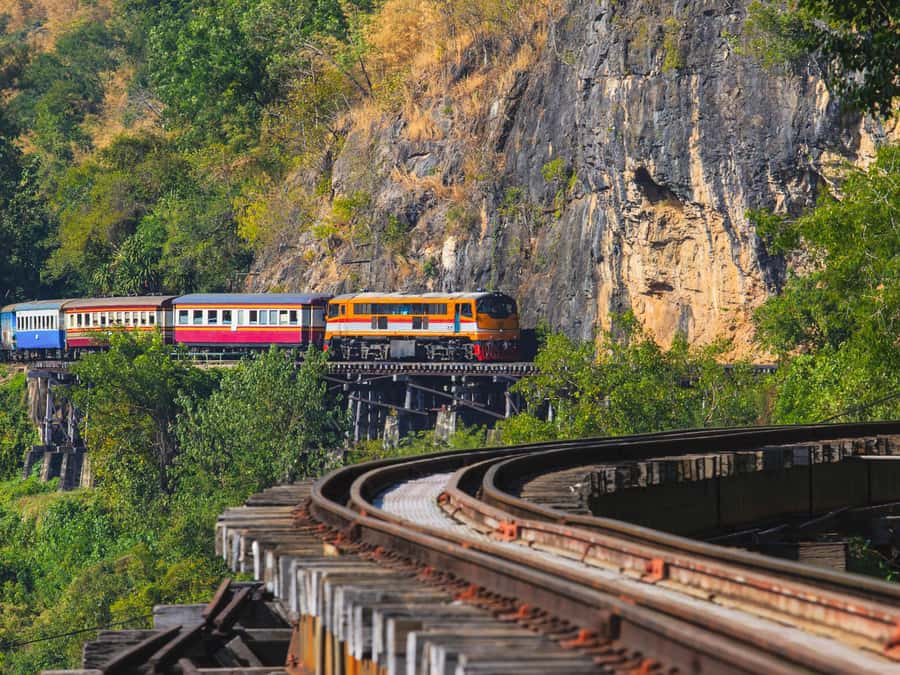
- Tham Krasae adds the best railway scenery: You see a cliffside section of track, passing trains, and a picturesque station area.
- Tiger Cave Temple requires effort: The 18-meter Buddha sits at the top of a steep climb, with tiger paw prints inside the cave.
- Na and Ricky are notable guides: Na is praised for her energy, photography help, and care, while Ricky is praised for clear English and strong knowledge of the past.
- The $96 price buys convenience: Transport, guide, insurance, water, entrance to JEATH Museum, and carbon offset credits are included, but lunch is extra.
Why this Kanchanaburi day matters
Kanchanaburi is not just a place for a bridge photograph. During World War II, prisoners of war and Asian laborers were forced to build the Siam-Burma Railway under Japanese control. Thousands died from disease, exhaustion, starvation, abuse, and brutal working conditions.
This tour handles that subject through several different lenses. The cemetery is quiet and personal. The JEATH Museum gives you objects and recreated conditions. The bridge and railway show the physical setting. Wat Tham Suea then changes the mood, bringing in religion, climbing, and wide views over the surrounding area.
I like that mix because the day does not reduce Kanchanaburi to one famous movie image. The stops help you understand both the human cost and the place itself. Still, the schedule moves at a steady pace, so you should expect an introduction rather than a full study of the Death Railway.
Pickup is available from accommodation in Kanchanaburi, or you can meet the guide at Kanchanaburi Bus Terminal. The air-conditioned van is useful in Thailand’s heat, especially with roughly 30 minutes to the first stop and about 1.5 hours in the van on the way back. The group limit of nine should make it easier to hear the guide and keep the day moving.
More Death Railway Tours in Thailand:
- From Bangkok: Death Railway & Hellfire Pass Tour with Lunch
★ 4.6 · 931 reviews - Bridge on the River Kwai and Thailand-Burma Railway Tour
★ 4.5 · 658 reviews - Bridge on the River Kwai and Thailand-Burma Railway Guided Tour
★ 4.5 · 353 reviews
Kanchanaburi War Cemetery: a quiet first stop
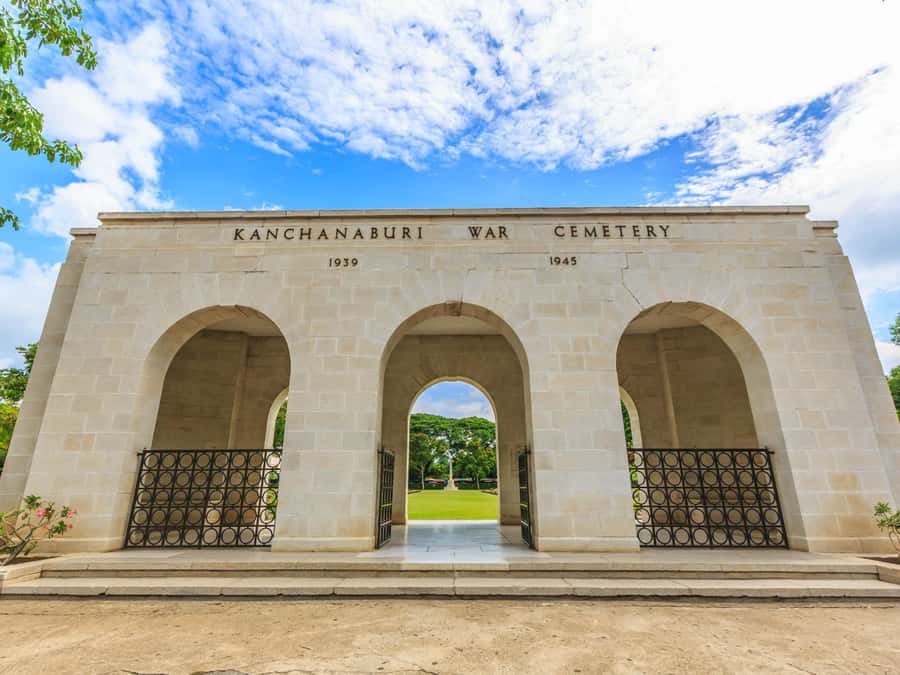
The Kanchanaburi War Cemetery is the right place to begin. It is carefully maintained, with rows of graves marking the people who died during construction of the railway. You have about 30 minutes to walk through the grounds and pay your respects.
The cemetery carries a personal weight that a museum cannot quite reproduce. Many of the dead were very young, and the grounds include Dutch graves that can be especially moving for visitors from the Netherlands. One account describes seeing the graves of Dutch men under 25, a detail that makes the scale of the loss feel less remote.
Use this stop for quiet observation. Read the names and ages on the headstones. Listen to the guide’s explanation, then give yourself a little time without conversation. The schedule is not long, but it is enough to understand why the railway is more than a scenic attraction.
The cemetery is also one reason this tour may not suit very young children who need constant activity. The tone is solemn, and the subject deserves respect.
JEATH Museum: objects behind the story
The JEATH War Museum is named for the nationalities connected with the railway: Japanese, English, Australian, American, Thai, and Dutch. Its displays include weapons, tools, uniforms, medals, and replicas of the poor living conditions endured by prisoners of war.
The museum gives shape to the facts you hear at the cemetery. Rather than seeing only graves and a famous bridge, you can look at the equipment used during the war and learn more about how people lived and worked under terrible conditions.
Entrance to the JEATH Museum is included. The museum visit is not simply a box to tick before the bridge. Take time to notice how the objects support the guide’s explanation. If you have already read a great deal about the railway, some displays may feel basic. For most visitors, though, the museum provides useful context in a compact form.
The word JEATH also reminds you that several nationalities were involved in this painful chapter. It is easy to focus only on Allied prisoners of war, but the railway’s story also involves Thai people, Japanese forces, and Dutch prisoners. A good guide can help you keep those different groups in view.
The Bridge over the River Kwai: famous, but brief
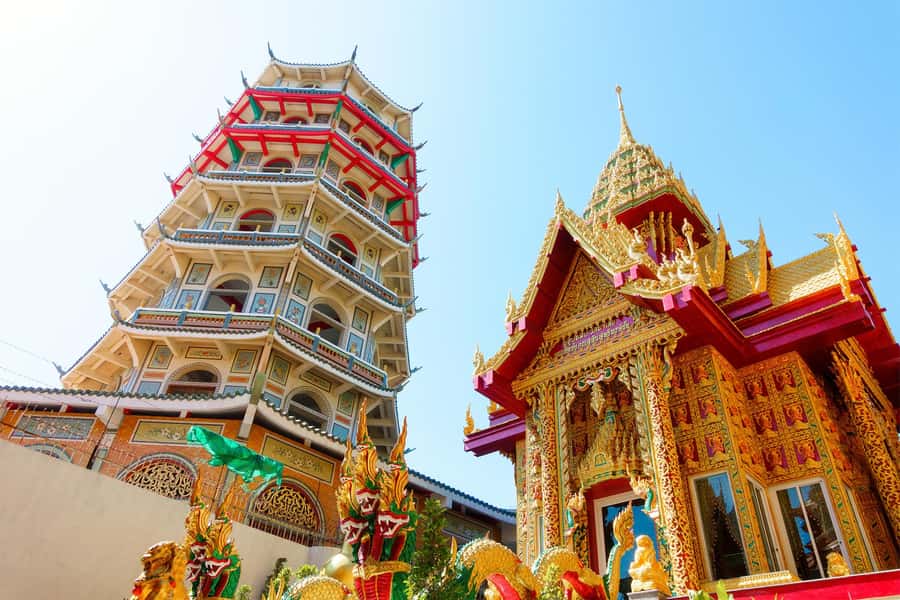
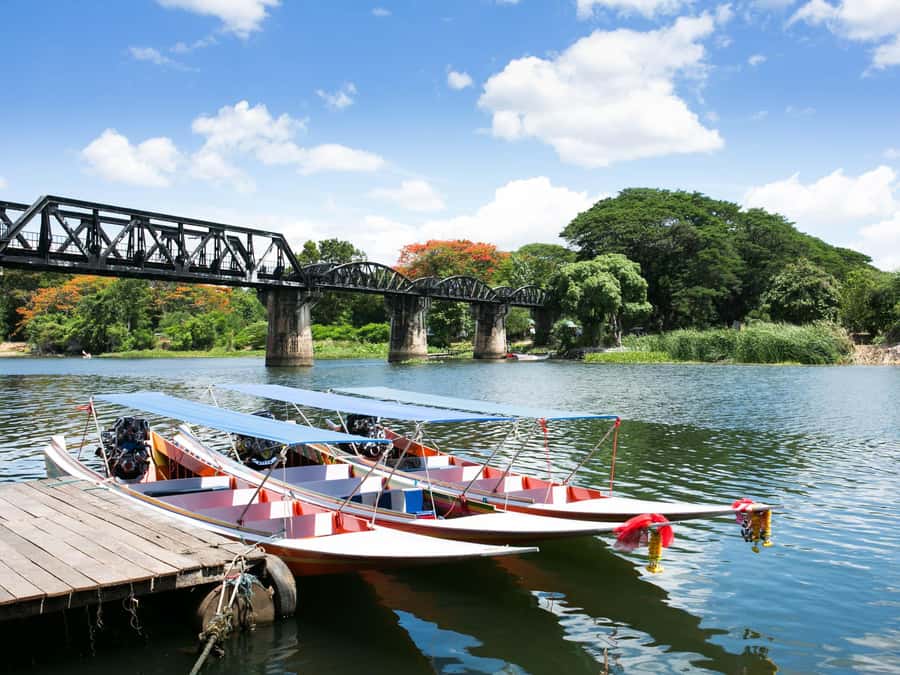
The bridge is the most recognizable stop, and you get around 30 minutes for sightseeing and walking. This is where the name from books and films becomes a real place you can see and photograph.
The visit is short, so set your expectations properly. You are not getting a long engineering tour or a detailed railway presentation. You are seeing the bridge, considering its wartime role, and taking in the river setting before moving on.
The bridge has also gained a life beyond its historical meaning. It can be busy and photographic, but the best way to approach it is to remember what the railway represented for the people forced to build it. Your guide’s explanation matters here because the structure itself cannot tell the whole story.
This is also where some people may feel disappointed. If you specifically want to ride across the bridge by train, this tour does not promise that. The train is part of the wider railway setting, not a scheduled part of this experience.
More Train Journeys in Thailand:
- Day Trip to Bangkok Floating Market & Maeklong Railway
★ 5.0 · 1,528 reviews - Bangkok: Railway and Floating Market Tour with Dragon Temple
★ 4.6 · 1,225 reviews - Bangkok: Ayutthaya, Railway & Floating Markets Full-Day Tour
★ 4.7 · 1,200 reviews - Private Excursion to Maeklong Railway and Floating Markets
★ 5.0 · 850 reviews
Tham Krasae: the strongest railway scenery
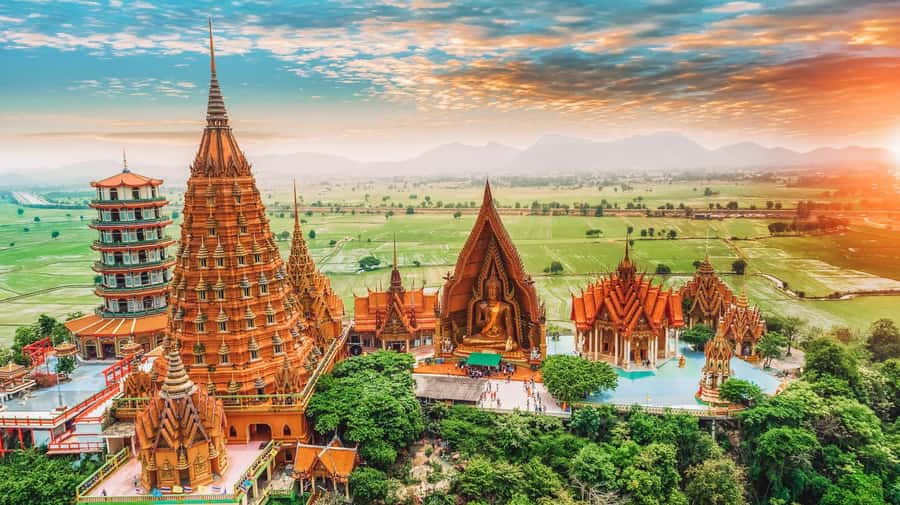
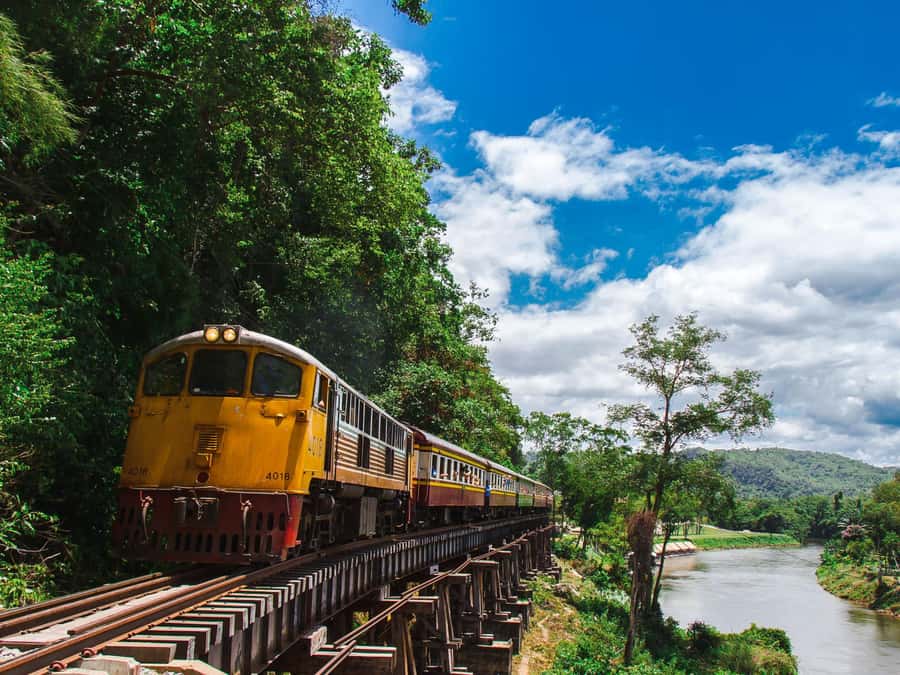
Tham Krasae Bridge railway station is the longest stop, with about 90 minutes for lunch and sightseeing. The railway curves around a cliff here, creating one of the most striking views of the day.
You can watch trains pass and see how the track fits into the rocky setting. This is a good place to connect the museum’s historical information with the actual railway line. The route was not built through easy country, and the cliffside section helps you picture the physical labor involved.
Lunch is not included, so plan to pay separately. The long stop gives you time to eat and look around without rushing from one photograph to the next. Since the meal options are not specified, bring some flexibility and personal spending money.
Tham Krasae is also the point most likely to create confusion for people expecting a railway journey. You see the line and passing trains, but the provided schedule does not include boarding one. If a train ride is essential to your plans, ask before booking or choose a separate railway experience.
The site may require care around tracks and uneven areas. The tour is not recommended for people with mobility impairments, and that warning matters most here and at the temple.
A short café break keeps the day moving
After the railway stop, you get a 30-minute break at a local café. This is a small part of the day, but it has practical value. A cool drink and a pause can make the final temple visit more comfortable, especially after walking outdoors.
Drinking water is included, supplied in glass bottles as part of the operator’s lower-impact approach. You still need sun protection. Sunglasses, a sun hat, and sunscreen are specifically recommended.
The break also gives you a chance to ask the guide follow-up questions. Guides Na and Ricky have received particular praise for their enthusiasm and explanations, so this is a useful moment to clarify names, dates, or details that may have gone by quickly at the museum.
Wat Tham Suea and the steep climb
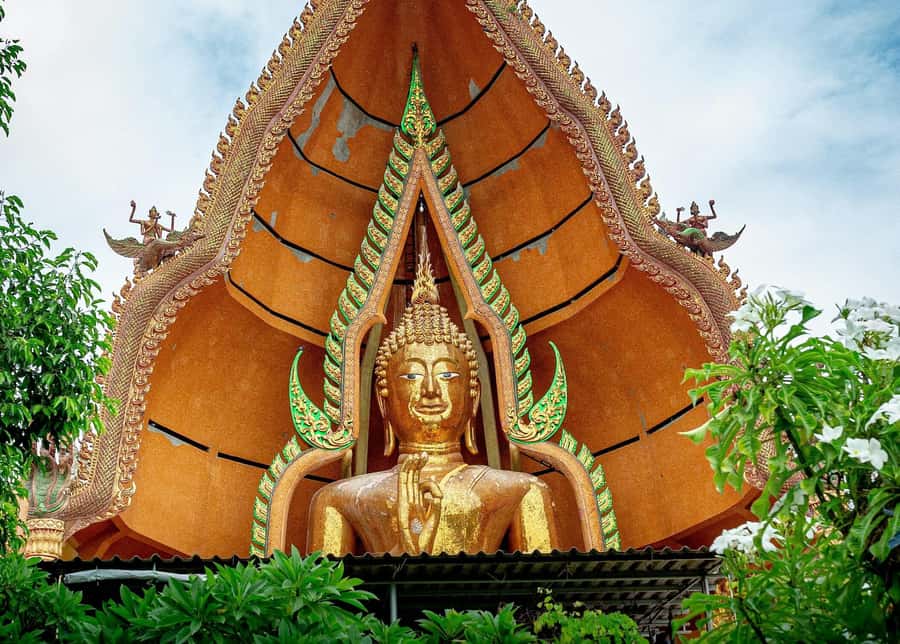
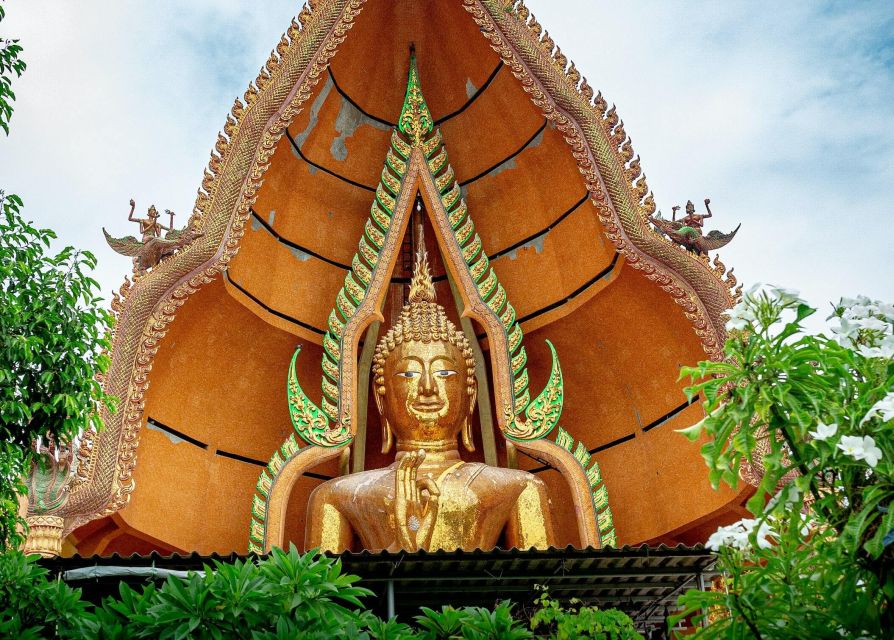
Wat Tham Suea, or Tiger Cave Temple, gives the day a very different finish. Inside the cave, you can look for tiger paw prints on the walls. At the top, an 18-meter Buddha statue gleams above the surrounding scenery.
The climb is steep. You need enough balance and stamina to manage the steps, and the tour specifically excludes people with mobility impairments and pregnant women. Even if you are generally fit, wear sensible footwear and keep water handy.
The effort pays off with a close view of the Buddha and broad views across the area. This is the most physical stop, and it is also the place where a thoughtful guide can make a real difference. Na was praised for helping a guest with mobility issues and for taking excellent photographs. That does not remove the physical challenge, but it suggests a guide who pays attention rather than simply waiting at the top.
Temple clothing is important. Shorts and short skirts are not allowed, and visitors are asked to dress properly. Wear clothing that covers the knees, or bring a suitable covering. This is not only a rule for entry. It is a basic sign of respect at an active religious site.
You should allow time to enjoy the temple rather than treating the climb as a race. The visit lasts about an hour, which gives you time for the statue, cave details, photos, and views before returning to the van.
Guides can shape the whole day
The strongest praise centers on the guides. Na is described as energetic, caring, and excellent with photographs. Several comments point to her ability to find good photo spots before other people arrive, offer useful advice for the rest of a Thailand trip, and help guests at Tiger Cave Temple.
Ricky is praised for clear English, enthusiasm, and a strong grasp of the subject. Those qualities matter more here than on a simple sightseeing loop. The cemetery and museum need explanation, while the bridge and railway need context. A guide who can connect the places makes the day feel like one story instead of five unrelated stops.
The tour offers live guiding in Thai and English. Since the group is limited to nine people, you should have a better chance of hearing the guide than you would in a large coach group. A small group also helps with pickup timing and makes it easier to ask questions.
Guide quality can vary on any group tour, so I would not book solely on the hope of getting Na or Ricky. Still, their strong mentions are useful evidence that this operator has produced some very good guiding on this route.
Is $96 a fair price?
At $96 per person, this is not the cheapest way to see Kanchanaburi. It can be good value if you want a full day with transport, a guide, the JEATH Museum entrance, drinking water, insurance, and carbon emissions offset credits included.
The value is mainly in convenience. You do not need to arrange separate rides between the cemetery, museum, bridge, railway station, café, and temple. The air-conditioned vehicle is especially helpful on a hot day, and hotel pickup is available from registered accommodation in Kanchanaburi.
Lunch and personal expenses are extra. That makes the final cost higher than the advertised price, though the day’s main transport and one entrance fee are covered. A private option includes hotel pickup and drop-off, while the standard format is a small group of up to nine.
The sustainability measures are practical rather than showy. Water is provided in glass bottles, and carbon emissions are offset through credits. Those steps do not erase the impact of driving, but they are useful signs that the operator has considered the environmental cost of the trip.
Timing, comfort, and small practical details
The day lasts eight hours, with an early start. Pickup time is confirmed by email the evening before, and you should wait in your hotel lobby 10 minutes before the stated time. Pickup is only available from hotels or registered accommodation, not roadsides or shopping malls.
The route includes outdoor walking, a museum, railway viewing, a café break, and a steep temple climb. You will want sunscreen, a hat, sunglasses, comfortable shoes, and clothing suitable for a temple.
The return drive takes about 1.5 hours, so the van’s air conditioning matters. If you are prone to motion sickness or dislike long road transfers, keep that final leg in mind.
Cancellation is flexible up to 24 hours before the activity for a full refund, and you can reserve now and pay later. Those terms are useful if your Kanchanaburi plans are not fully settled.
Who should book this experience?
I would recommend it to first-time visitors who want the main Kanchanaburi sights in one organized day. It suits people who value historical explanation, prefer a small group, and do not want to manage local transport.
It is also a good match for visitors who want more than the bridge. The cemetery and museum give the day substance, while Tham Krasae and Tiger Cave Temple add scenery and variety.
I would hesitate if your main goal is a train journey. The railway is central to the subject, but you do not ride the train on this tour. I would also hesitate if you have mobility limits, dislike steep climbs, or cannot dress suitably for a temple.
Should you book the River Kwai day tour?
Book it if you want a well-organized introduction to Kanchanaburi’s wartime sites, with a small group, air-conditioned transport, and a guide who can explain what you are seeing. The best parts are the solemn cemetery, the useful museum, the cliffside railway at Tham Krasae, and the rewarding but demanding Tiger Cave Temple.
Skip it if you want a dedicated Death Railway train ride or a slower visit at each site. At $96, the tour earns its price through convenience and coverage rather than luxury. For the right visitor, it is a thoughtful, efficient day that respects the past while showing you more of Kanchanaburi than the famous bridge alone.
FAQ
How long does the Kanchanaburi tour last?
The experience lasts eight hours, including transportation between the stops.
Where can pickup take place?
Pickup is available from hotels or registered accommodation in Kanchanaburi, including the Mueang Kanchanaburi District and Lat Ya areas. You can also meet the guide at Kanchanaburi Bus Terminal.
Is the train ride included?
No. The experience includes sightseeing at the railway and watching trains pass at Tham Krasae, but it does not include a train journey.
Is lunch included in the price?
No. Lunch at the Tham Krasae area is not included, so you should bring money for food and personal expenses.
What languages does the guide speak?
Live guiding is available in Thai and English.
How large is the group?
The small group is limited to nine participants.
What should I wear to Tiger Cave Temple?
You should dress properly for the temple and avoid shorts, short skirts, mini skirts, and short shorts. Visitors are asked to wear appropriate clothing when entering the temple.
Is the tour suitable for people with mobility impairments?
No. The tour is not suitable for people with mobility impairments, in part because the visit to Tiger Cave Temple involves a steep climb. Pregnant women are also listed as not suitable for this activity.
Just added around Thailand
- Amphawa Floating Market and Maeklong Railway Private Afternoon Tour from Hua Hin★ 4.5 · 9 reviews
- Train trip death railway Bridge on river Kwai from Bangkok to Kanchanaburi trip★ 4.0 · 17 reviews
- Small Group: Kanchanaburi Death Railway, Erawan Waterfall and Elephant★ 4.0 · 3 reviews
- Historic Kanchanaburi: Train, Boat & Skywalk + Lunch From Bangkok★ 4.5 · 3 reviews
- River Kwai Bridge and Death Railway World War II Tour in Thailand★ 5.0 · 2 reviews
- Historic Kanchanaburi:Train, Boat, Skywalk from Bangkok(No Lunch)★ 5.0 · 2 reviews
- Private tour : Railway & Floating Market and the Bridge over river Kwae★ 5.0 · 2 reviews
- Private Tour: Kanchanaburi Erawan Waterfall Tour from Bangkok★ 4.5 · 13 reviews
Death Railway Tours, compared.
Bridge on the River Kwai and Thailand-Burma Railway Tour
Read our review →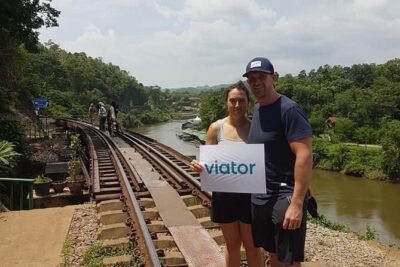
Bridge on the River Kwai and Thailand-Burma Railway Guided Tour
Read our review →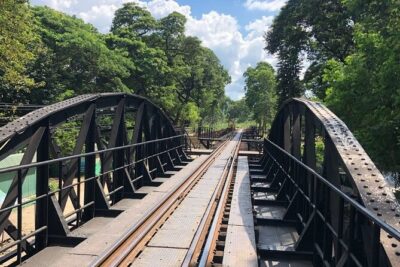
Bridge over River Kwai and Hellfire Pass Tour with Train Ride
Read our review →
Private Tour: Thai–Burma Death Railway Bridge on the River Kwai from Bangkok
Read our review →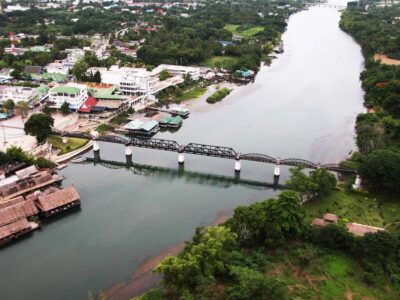
Death Railway & River Kwai Bridge Private Tour
Read our review →
Private Tour: Death Railway, Hellfire Pass and Erawan Waterfall
Read our review →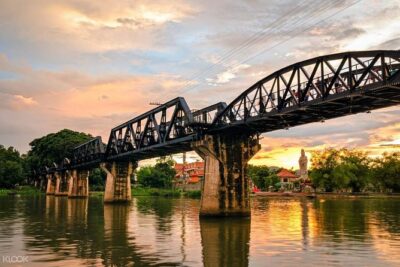
Bridge on the River Kwai and Thailand-Burma Railway Tour
Read our review →Browse the lists this tour appears in