
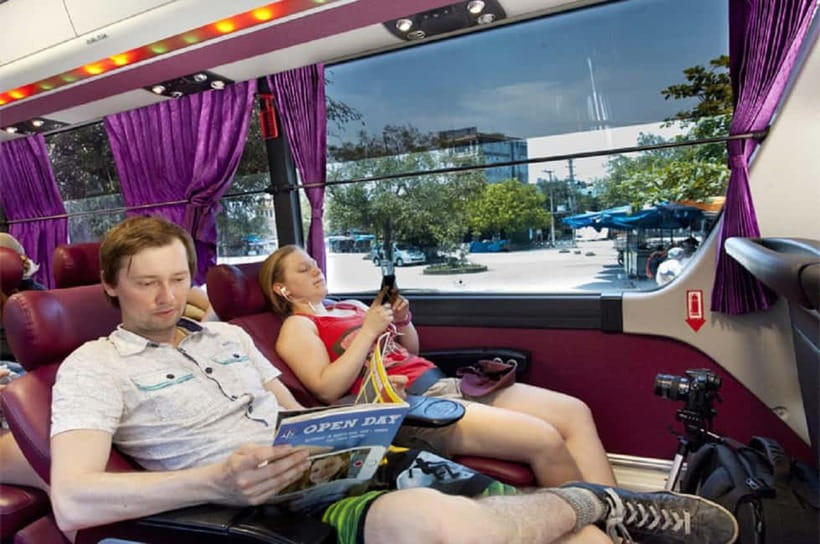
Review · HANOI
2 Day Sapa-Bac Ha Market: Night Train& Homestay-Bus Ha Giang
Mountain mornings come with a long train ride. This two-day Sapa trip packs in two things I especially like: walking through Hmong and Zay villages rather than only viewing them from a road, and spending the night in a local homestay with fresh food. The main drawback is the tight schedule, especially if you add Bac Ha or continue directly to Ha Giang.
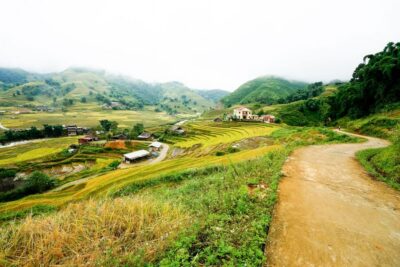
You will see Cat Cat, Lao Chai, Ta Van, and Giang Ta Chai, with rice terraces, streams, bamboo forest, and homes set below Fansipan Mountain. The basic price is $56 per person, but transport choices, a private Bac Ha extension, single rooms, and the bus to Ha Giang can change the final cost.
Key points at a glance
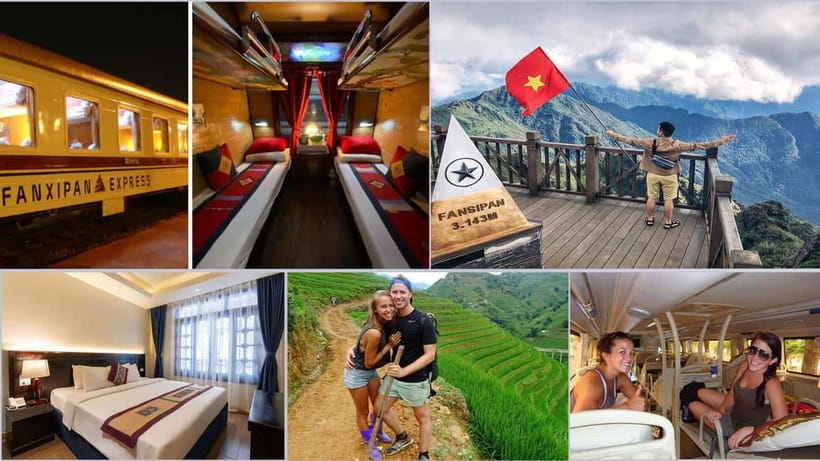
- The overnight train saves a hotel night: You leave Hanoi around 9:30 pm and reach Lao Cai at about 5:00 am before transferring to Sapa.
- Cat Cat offers an easy cultural introduction: Black Hmong homes, a waterfall, Muong Hoa Stream, terraces, and a French-built hydroelectric plant appear along the walk.
- Lao Chai to Ta Van is the scenic heart of the trip: This route follows terraces and village paths beneath Fansipan Mountain.
- Ta Van homestay is simple but personal: Expect a shared room or mattress, a public bathroom, clean water, and fresh local meals.
- Bac Ha is an optional extra, not part of the standard two-day route: The Sunday market requires an additional night and private transport.
- Ha Giang connections require extra planning: The six-hour bus from Sapa costs 300,000 Vietnamese dong per person and leaves at different times depending on the service.
What this Sapa trip really includes
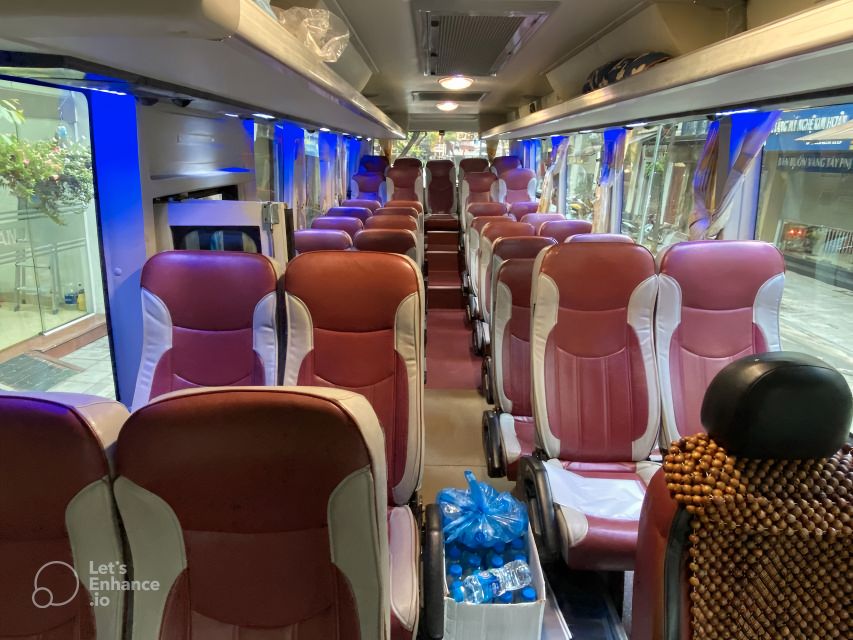
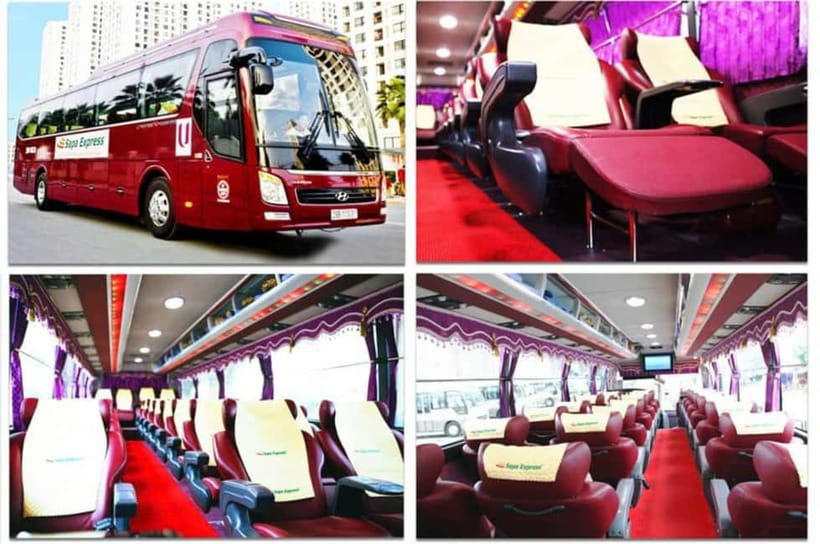
The advertised experience is best understood as a compact Sapa trekking program with several transport options. The standard route begins in Hanoi, uses an overnight train or sleeper bus, includes one night in Ta Van, and returns toward Hanoi by sleeper bus after the second day.
The title also refers to Bac Ha Market and Ha Giang, but these are add-ons or onward travel choices. Bac Ha turns the trip into three days and two nights. Ha Giang is a separate continuation from Sapa, with an extra bus fare.
That distinction matters. At $56, the standard package offers good value if you want transport, meals, a guide, trekking, entrance tickets, and a homestay arranged in one booking. You should not assume that the Bac Ha private car, Bac Ha hotel, or Sapa to Ha Giang bus is included in that base price.
The group is limited to 15 people. That is small enough for a guide to keep an eye on the walking pace and explain village life without the feel of a large coach tour. Guides can change by route, and English and Vietnamese are available.
More Sleeper and Overnight Trains in Hanoi:
- Sapa: 3-Day, 3-Night Trek and Hotel with Overnight Train
★ 4.2 · 64 reviews - From Hanoi: Sapa Hill Tribes 2-Day Tour by Overnight Train
★ 4.4 · 62 reviews - Sa Pa Trekking 2 Days 3 Nights Homestay by Night Train
★ 4.5 · 11 reviews
Leaving Hanoi on the night train
The journey starts at Hanoi Train Station, where you meet the group for a train such as SP1, SP2, or SP3. Departure is around 9:30 pm. The train reaches Lao Cai at roughly 5:00 am, followed by a 40-kilometer transfer to Sapa.
The overnight train is part of the appeal. It saves a night in Hanoi and gives you a classic north Vietnam rail experience, though it is not a luxury ride. The description calls it a 20th-century sleeper experience, which is a fair warning to keep expectations sensible.
Depending on the selected option, you may use a sleeper bus instead. Check the exact transport choice before paying, since the package wording allows different arrangements. You should also confirm the meeting point, as it can vary with the option booked.
The early arrival is useful and tiring at the same time. You reach Sapa with most of the day ahead, but you have not had a normal night in bed. The schedule includes breakfast and time to freshen up at a hotel in Sapa before walking. Pack a small day bag and keep your main luggage organized, because the morning transfer and trek begin quickly.
Cat Cat Village and the first walk
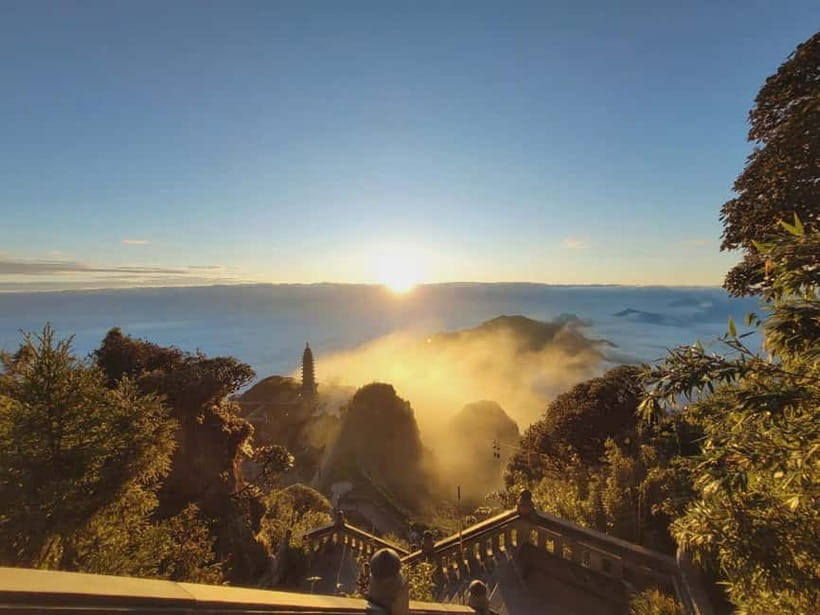
After breakfast, you meet a local Hmong guide and begin the short trek to Cat Cat Village. This village is associated with Black Hmong communities and gives you an early look at the homes, paths, and daily routines of the area.
The route includes a waterfall, Muong Hoa Stream, and rice terraces. You can also see a hydroelectric plant built during the French period, along with schools serving local children. These details give the walk more substance than a simple viewpoint stop. You are seeing both older infrastructure and present-day village life in one short section.
Cat Cat is a good opening walk because it introduces the region before the longer route later in the day. Still, do not mistake short trek for a completely effortless stroll. Sapa paths can be uneven, and the organizers specifically recommend trekking shoes, sunscreen, insect repellent, and sunglasses.
A car returns you to Sapa for lunch. This break is practical. It gives you food and a chance to collect yourself before the main walk from Lao Chai to Ta Van.
Lao Chai to Ta Van beneath Fansipan
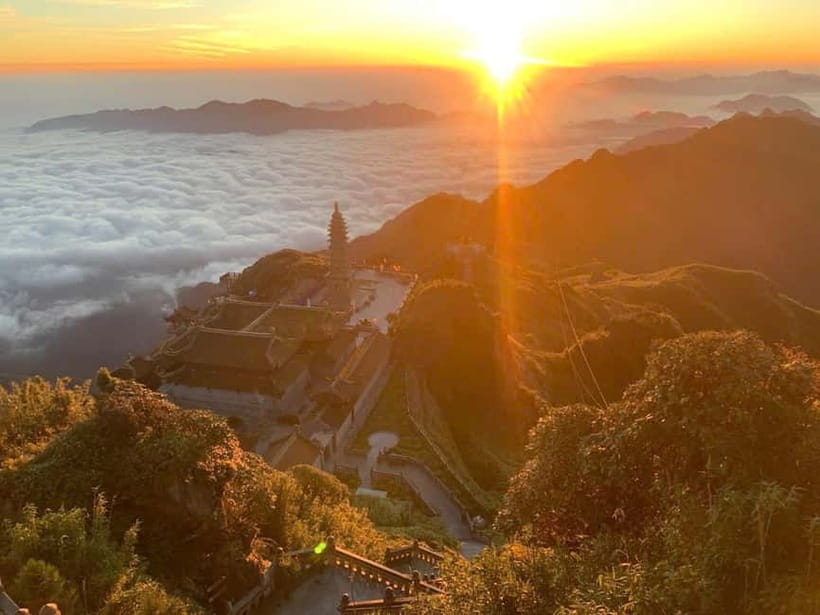
The afternoon route is the scenic center of the experience. You trek from Lao Chai toward Ta Van along paths through the Muong Hoa Valley, with terraces and mountain views around you.
Lao Chai is home to Black Hmong people. The village sits near the Muong Hoa Stream at the foot of Fansipan Mountain, Vietnam’s best-known high peak. The route passes terraces, homes, cooking smoke, and mountain scenery. You are not just looking at a distant panorama. You are moving through inhabited places where farming and family life are part of the view.
This is where a local guide can make the biggest difference. Guide Tung is praised for combining cultural explanations with humor and stories, while guide Soa is described as open about her culture and attentive throughout the walk. Guide assignments can change, but those qualities are worth seeking: clear local context and a walking pace that keeps the group together.
The path is long enough to require proper footwear and reasonable fitness. The supplied information does not give an exact distance, so you should ask about the current route if you are worried about hills or footing. The tour is not suitable for children under six, pregnant women, or people with mobility limitations.
Ta Van appears in the afternoon. This village is associated with Zay people, and it is where you spend the night. The arrival is not simply a hotel check-in. You finish the walking day in the village itself, which gives the overnight stay a stronger connection to the route.
More Market Tours in Hanoi:
- Trekking Sapa – Bac Ha Market: Sleep on Train & Homestay
★ 4.5 · 7 reviews - Day Trip to Bangkok Floating Market & Maeklong Railway
★ 5.0 · 1,528 reviews - Bangkok: Railway and Floating Market Tour with Dragon Temple
★ 4.6 · 1,225 reviews - From Bangkok: Railway & Damnoen Saduak Floating Market Tour
★ 4.6 · 775 reviews
One night at the Ta Van homestay
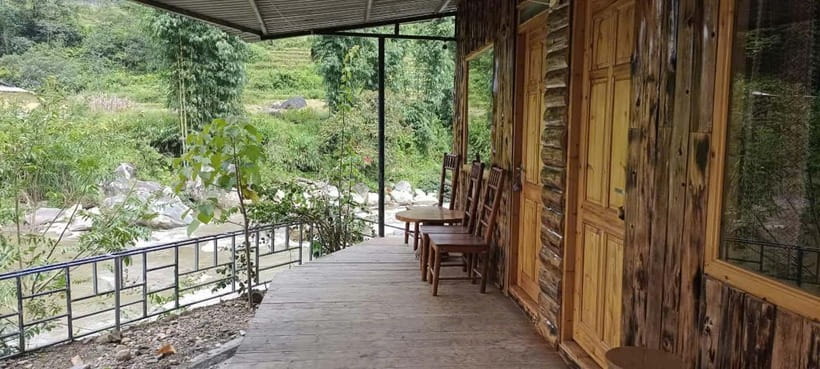
The homestay is basic. You get a shared room or a single mattress, and the bathroom is public. That arrangement suits people who want a local setting and do not need hotel privacy.
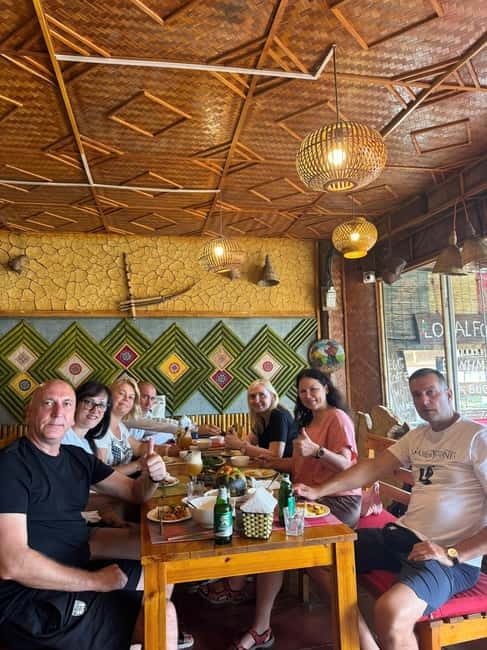
You can expect clean water and fresh food. Meals included in the standard route are lunch and dinner on the first day, followed by breakfast and lunch on the second. Drinks are not included, so carry Vietnamese dong for water and other purchases.
A private room or single supplement costs extra. Ask about the exact room arrangement before you book if privacy matters to you. The homestay is part of the cultural experience, but it is not the place to expect hotel-style facilities.
The food is one of the practical pleasures of this overnight. You eat after a full day outside, and the meal is connected to the household hosting you rather than a generic restaurant stop. The available feedback gives special praise to the clean accommodation and the sense of being well cared for, particularly during Soa’s guided homestay and trek.
Giang Ta Chai and the second morning
The second day begins with breakfast after sunrise. You then walk from Ta Van toward Giang Ta Chai, a route linked with Red Dao, Zay, and Black Hmong communities.
This section offers a different feel from the previous day. You can expect views toward Muong Hoa Valley and sections of bamboo forest. The walk is described as medium difficulty, so it is still active but shorter or less demanding than the main route in many schedules.
You return to Sapa by car for lunch. After lunch, the standard schedule has you prepare your luggage for the bus around 1:30 to 2:00 pm. The return bus makes two or three breaks and finishes at 160 Tran Quang Khai Street in Hanoi. From there, you make your own way back to your hotel.
That ending is worth noting. The tour does not necessarily deliver you to your accommodation. Keep your hotel address ready and plan a small amount of money for the final taxi or local transfer.
Adding Bac Ha Market on Sunday
Bac Ha is a separate extension, and it changes the timetable. After lunch on the second day, a guide and private car take you approximately two hours to Bac Ha. You check into a hotel, have dinner, and stay overnight.
The market visit takes place on Sunday morning. It is known for the exchange of goods among several ethnic communities, including Red Hmong, Zay, Red Dao, and Tay people. You may see livestock, household products, souvenirs, hens, and pigs involved in buying and selling. This is not simply a market for visitors. It is a working trading place with a strong local purpose.
The market is colorful, but you should approach it respectfully. People are there to trade, not to perform for cameras. Ask permission before taking close photographs, particularly around animals or family groups.
The Bac Ha extension also includes Hoang A Tuong’s castle. This former residence of a Hmong leader offers a change of pace after the market. You can also walk to Pho Village, which is described as a peaceful place to see ordinary daily life.
After lunch, the private car takes you to Lao Cai to catch the bus to Hanoi. Like the standard return, the bus includes two or three breaks and ends at 160 Tran Quang Khai Street. The Bac Ha option is best for someone with an extra day and a Sunday available. It is not a quick side trip.
Because the Bac Ha portion uses a private car and hotel, confirm the additional price and room arrangement before booking. The standard $56 price should not be treated as the full cost of this three-day version.
Continuing from Sapa to Ha Giang
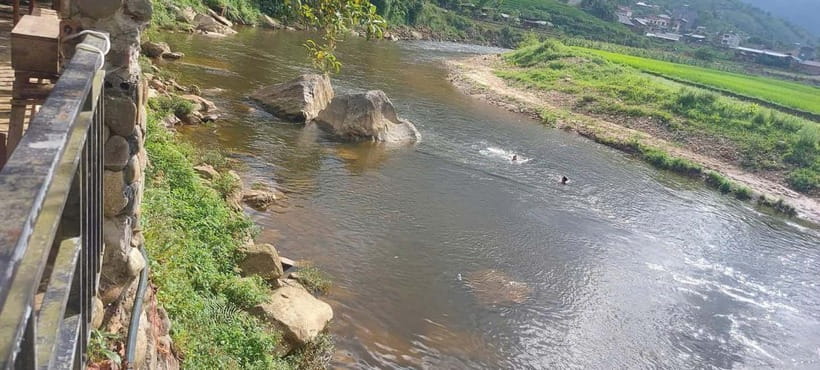
Some people use this trip as a bridge between northern destinations. From Sapa, you can continue to Ha Giang by bus, but this is not included in the basic package.
The journey takes about six hours. A limousine bus with 18 seats leaves at 2:30 pm from May Hotel. A larger sleeper bus with 40 seats leaves at 7:30 pm from its own meeting point. The stated extra price is 300,000 Vietnamese dong per person, and you should confirm the current arrangement with the travel consultant.
The afternoon departure is the more time-efficient choice, but it may leave little room after lunch. The evening sleeper bus gives you more time in Sapa, though you arrive in Ha Giang much later. Ask exactly where each bus collects you, since the two services use different arrangements.
This connection works well if your larger plan includes Ha Giang. It is less convenient if you want a relaxed second afternoon in Sapa, since the bus ride uses much of the day or evening.
Price, group size, and what you pay for
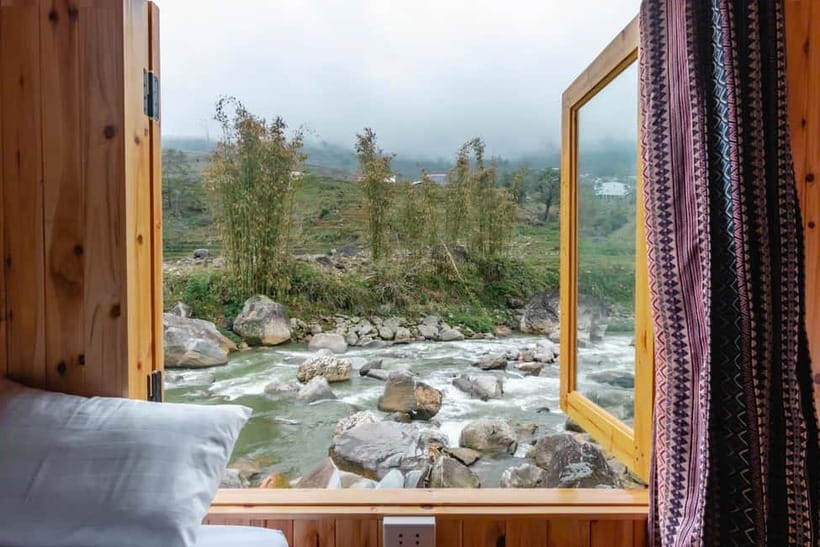
At $56 per person, the standard trip is priced for convenience rather than luxury. The fee covers Hanoi to Sapa and the return arrangement, a local English-speaking guide, the listed meals, Ta Van homestay, entrance tickets, and the scheduled transfers.
The value is strongest if you would otherwise need to arrange the train, Lao Cai pickup, Sapa transport, guide, meals, and homestay separately. You also get a local guide for a route where cultural explanation adds real value.
Budget separately for drinks, insurance, VAT, personal purchases, and any single supplement. A private room in Ta Van costs extra. The Ha Giang bus costs extra, and the Bac Ha option has its own private transport and hotel arrangements.
Holiday surcharges also apply on April 30, May 1, September 1 to 3, December 24, December 31, and January 1. The listed surcharge is 700,000 Vietnamese dong per person, paid directly to the guide on the tour date.
Bring Vietnamese dong. The banking system in Sapa can be unreliable, and although US dollars, euros, and Australian dollars are accepted, local currency is the safer choice for drinks, tips, and small purchases.
Who should choose this experience
I would recommend this trip to you if you want an active introduction to Sapa without arranging every transfer yourself. It suits people who enjoy village walks, simple accommodation, shared meals, and a full schedule.
It is especially useful for a north Vietnam itinerary that includes Hanoi, Sapa, and possibly Ha Giang. The direct bus option helps link those destinations, while the Bac Ha extension gives you a market visit with more local focus.
I would hesitate to recommend it if you need a private bathroom, a quiet hotel room, or a slow pace. The overnight transport cuts into your sleep, the homestay is basic, and the walks require comfortable footing. Children under six, pregnant women, and people with significant mobility challenges should not join.
Your best preparation is simple: wear trekking shoes, pack sunscreen and insect repellent, carry sunglasses, and bring a light bag for the walking days. Leave pets at home, since they are not allowed.
Should you book this Sapa trek?
Book it if you want the main Sapa sights tied together by walking, with a local guide and one night in Ta Van. The strongest reasons are the route from Lao Chai to Ta Van, the chance to see several ethnic communities in their home villages, and the personal feel of a small group capped at 15 people.
Choose the Bac Ha extension only if you have an extra night and can visit on Sunday. Choose the Ha Giang bus only after confirming the departure time, pickup point, and extra fare.
For the base price, this is a strong practical choice. Just go in ready for overnight transport, basic facilities, long walking days, and a return that may leave you to arrange the final ride to your hotel.
FAQ
How long does the standard Sapa tour last?
The standard experience lasts two days, beginning with overnight transport from Hanoi to Lao Cai and Sapa. Check the selected option for the exact starting time.
Is the overnight train included?
Transport from Hanoi to Sapa and back is included, with the exact arrangement depending on the option booked. The choices may include a night train or sleeper bus.
Where do you stay overnight?
You stay at a homestay in Ta Van village. The accommodation uses a shared room or single mattress and a public bathroom. A private room costs extra.
Are meals included?
Yes. The standard schedule includes lunch and dinner on the first day, followed by breakfast and lunch on the second day. Beverages are not included.
Is Bac Ha Market part of the two-day tour?
Bac Ha Market is an optional extension, not part of the standard two-day route. It requires an extra night in Bac Ha and takes place on Sunday morning.
Can you travel from Sapa to Ha Giang after the trek?
Yes. A limousine bus leaves at 2:30 pm and a sleeper bus leaves at 7:30 pm. The journey takes about six hours, and the stated extra fare is 300,000 Vietnamese dong per person.
How large is the tour group?
The group is limited to 15 participants. The guide languages are English and Vietnamese.
What should you bring?
Bring comfortable trekking shoes, sunglasses, sunscreen, insect repellent, and cash in Vietnamese dong. A light bag is useful for the walking sections. Pets are not allowed.
More Two-Day Trips in Hanoi
- 2-Day Amazing Sapa Trek With Sleeper Train From Hanoi – Overnight At Hotel
★ 5.0 · 5 reviews - 2-Day Amazing Sapa Trek With Sleeper Train From Hanoi – Overnight At Homestay
★ 5.0 · 5 reviews - Sapa 2 Days 1 night By Bus/Train – Overnight in Hotel 3* With Mountain View
★ 4.0 · 2 reviews - Granada City Train 1 or 2-Day Hop-On Hop-Off Ticket
★ 3.5 · 3,128 reviews
More Evening Experiences in Hanoi
- 3 Days Sapa Tour with Night Train from Hanoi
★ 4.5 · 8 reviews - Sapa Trekking Tour by Night Train from Hanoi 3 Nights – 2 days
★ 5.0 · 7 reviews - 2 days 3 Nights Sapa Trekking Tour by Night Train from Hanoi
★ 4.0 · 7 reviews - Sapa – Bac Ha Trek Tour – Night Train & Bus & Homestay overnight
★ 5.0 · 6 reviews
Just added around Hanoi
- Sapa 2 Days 1 night By Bus/Train – Overnight in Hotel 3* With Mountain View★ 4.0 · 2 reviews
- Sapa Trekking Tour by Night Train from Hanoi 3 Nights – 2 days★ 5.0 · 7 reviews
- Trekking Sapa – Bac Ha Market: Sleep on Train & Homestay★ 4.5 · 7 reviews
- Hanoi city tour and drinking beside railway- group tour★ 4.0 · 7 reviews
- 3 Days Sapa Tour with Night Train from Hanoi★ 4.5 · 8 reviews
- Sapa – Bac Ha Trek Tour – Night Train & Bus & Homestay overnight★ 5.0 · 6 reviews
- Sapa 3 Days Trekking Tour ( Overnight Train + Homestay + Hotel )★ 5.0 · 4 reviews
- Hanoi Old Quarter Food Tour with Train Stress Visit★ 5.0 · 2 reviews
Sleeper and Overnight Trains, compared.
Egypt on Budget – 8 Days ( Cairo , Aswan , Nile Cruise – Luxor ) Sleeper Train
Read our review →
Sapa: 3-Day, 3-Night Trek and Hotel with Overnight Train
Read our review →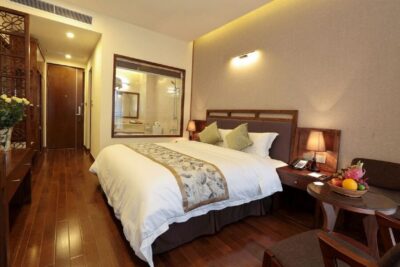

6- Days Aswan , Abu Simbel , Cruise , Luxor & Round Sleeper Train
Read our review →
Luxor East and West Banks Tour & Overnight SLEEPER Train Rounded trip
Read our review →
Luxor East and West Banks Tour by Overnight Sitting Train Rounded trip
Read our review →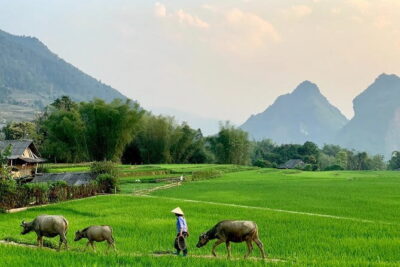
Sa Pa Trekking 2 Days 3 Nights Homestay by Night Train
Read our review →Browse the lists this tour appears in