
Review · VIETNAM
From Hanoi: 2-Day 2-Night Sapa Tour by Overnight Train
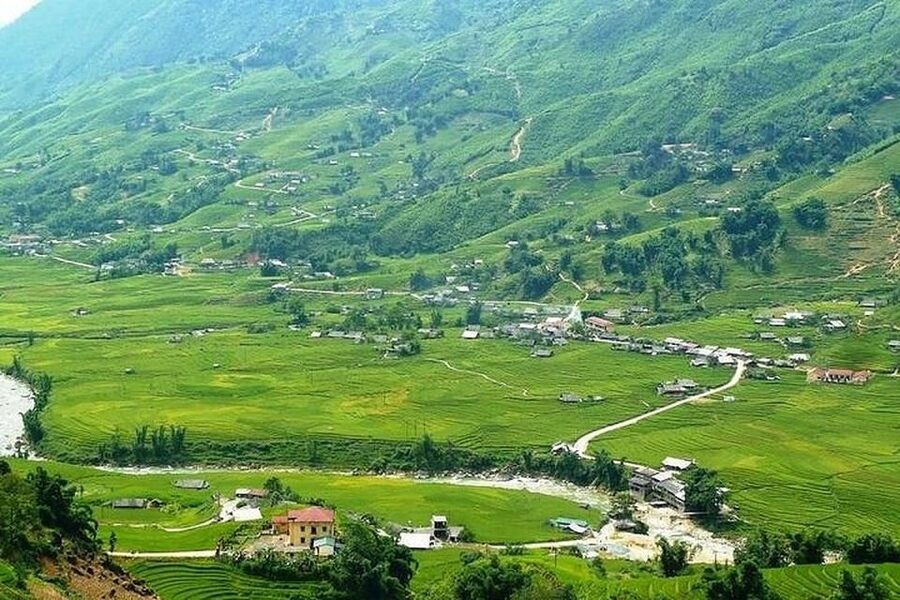
Sapa begins with a night train. This trip combines an overnight rail journey with two days of village walks, giving you a useful mix of mountain scenery, local culture, and easy transport from Hanoi. I especially like the trek through Sin Chai, Lao Chai, and Ta Van, plus the chance to learn from local guides such as Ai, Sung, and Zua.
I also like that you return to Hanoi by daytime limousine, so you see more of northern Vietnam instead of spending another night on a train. The main drawback is the pace: the longer trek can be muddy and tiring, communication around transfers can be uneven, and the overnight train may be noisy.
Key points to know before booking
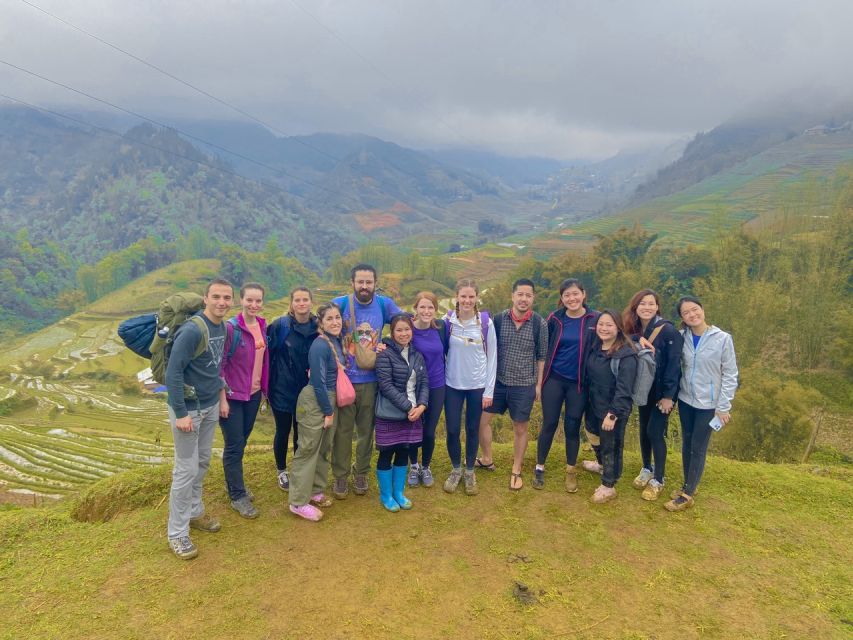
- The train is part of the experience: You travel from Hanoi to Lao Cai in a shared, air-conditioned four-bed cabin, usually leaving around 10pm.
- The best walking is around Muong Hoa Valley: The route through Y Linh Ho, Lao Chai, and Ta Van brings rice terraces, mountain views, and village life.
- Sin Chai offers a quieter first walk: This Black H’mong village feels more rural and less staged than some of Sapa’s popular attractions.
- Local guides make the difference: Guides including Ai, Sung, and Zua have been praised for explaining H’mong and Dzay culture in clear English.
- Good footwear is essential: Rain can turn the paths into slippery mud, and the longer walk is not suitable for anyone with serious mobility limits.
- The return journey is long but scenic: The daytime ride to Hanoi takes about six hours and reaches the city around 8pm or 9pm.
Why this Sapa trip works well from Hanoi
Sapa is far enough from Hanoi that a quick day trip makes little sense. The overnight train solves the distance problem while saving a daytime transfer. You leave Hanoi late, arrive in Lao Cai in the morning, and reach Sapa at about 6am.
At $168 per person, the price includes the train, shared transfer to Sapa, a one-night three-star hotel stay, a daytime ride back to Hanoi, two breakfasts, two lunches, one dinner, entrance fees, and an English-speaking guide. That is a fair package if you value having the transport, meals, and village walks arranged together.
You are not paying only for sightseeing. You are also paying to avoid working out the Lao Cai connection, finding a hotel, arranging a guide, and sorting out the return bus. Independent planning can cost less, but this package is useful when you have limited time or do not want to manage several separate bookings.
The trip is best for active adults, couples, families with older children, and first-time visitors to northern Vietnam. It is not suitable for wheelchair users, pregnant women, people with mobility impairments, or unaccompanied minors.
More Sleeper and Overnight Trains in Vietnam:
- Sapa: 3-Day, 3-Night Trek and Hotel with Overnight Train
★ 4.2 · 64 reviews - From Hanoi: Sapa Hill Tribes 2-Day Tour by Overnight Train
★ 4.4 · 62 reviews - Sa Pa Trekking 2 Days 3 Nights Homestay by Night Train
★ 4.5 · 11 reviews
Leaving Hanoi on the 10pm overnight train
If you stay in Hanoi’s Old Quarter, staff arrange a taxi to Hanoi Railway Station at 120 Le Duan Street, usually around 9pm. If you stay outside the Old Quarter, you need to reach the station yourself and meet the group before departure.
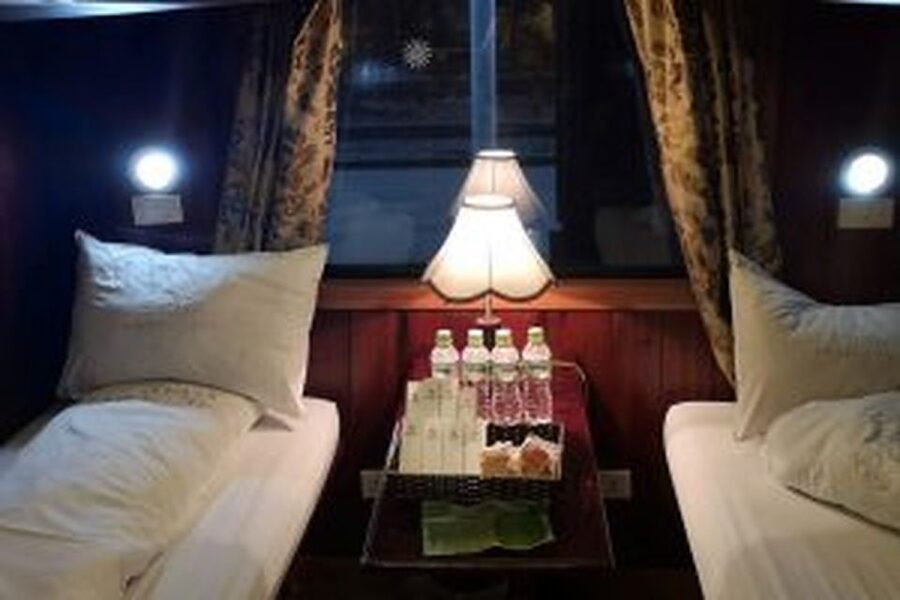
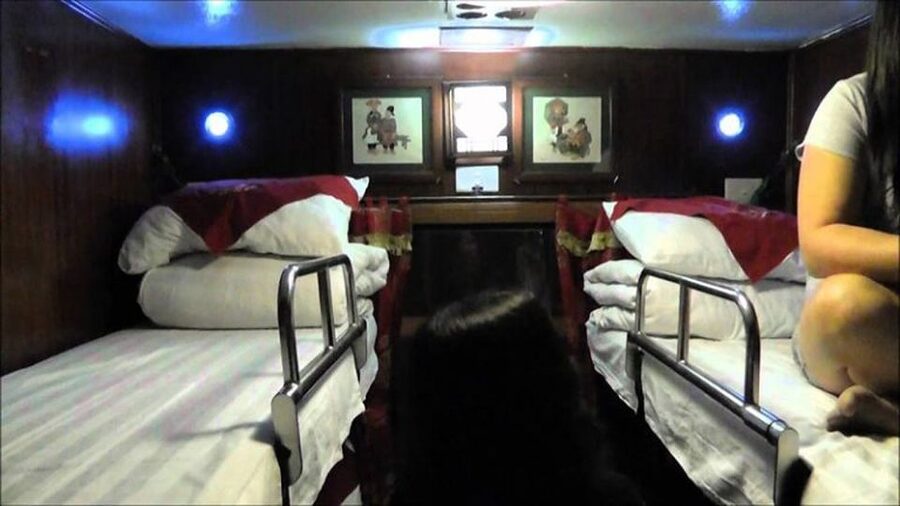
The train normally leaves around 10pm. Your included berth is in a shared, air-conditioned cabin with four beds. Bedding, water, and some snacks have been provided on past departures, and the wash basins and toilets have generally been clean.
This is not a silent hotel room on wheels. Train noise, stops, and movement can interrupt sleep. One person found the train very noisy and barely slept, while others found the cabin more comfortable than expected. I would pack earplugs, a light layer, and anything you need close at hand for the night.
The cabin arrangement is part of the fun, especially if you like old-fashioned rail travel. Couples who want more privacy may be able to pay extra for a private four-person compartment, while three-person and double-bed options may also be available. Confirm the exact upgrade before paying.
Keep your passport or ID card with you. If you have a large suitcase, arrange to leave it at the Sapa hotel or with the tour operator if that option is confirmed. A small overnight bag makes the train and the first morning much easier.
Lao Cai to Sapa and the first morning
You meet your guide at Lao Cai Station and transfer to Sapa by shared, air-conditioned minivan. The drive gets you into the hills quickly, but the early arrival creates one practical problem: the hotel room is normally available only from 2pm.
Breakfast is included at the hotel, but you should not assume that you can shower, change, or rest in your room immediately. Early check-in is available as an extra option and can be well worth considering after the night train. One solo visitor described a hot shower before the trek as a major help.
This is also the moment to sort your walking gear. Put your shoes, rain layer, warm clothing, and water somewhere easy to reach. Sapa temperatures can change quickly, and December can be cold enough that you will want extra layers, even if Hanoi felt mild when you left.
The hotel is described as a clean, spacious three-star property in a good location. Heating was available in one winter stay, although the restaurant and reception area felt cold. That is a useful reminder that northern Vietnam can feel chilly indoors during the cooler months.
The 4-kilometer walk to Sin Chai
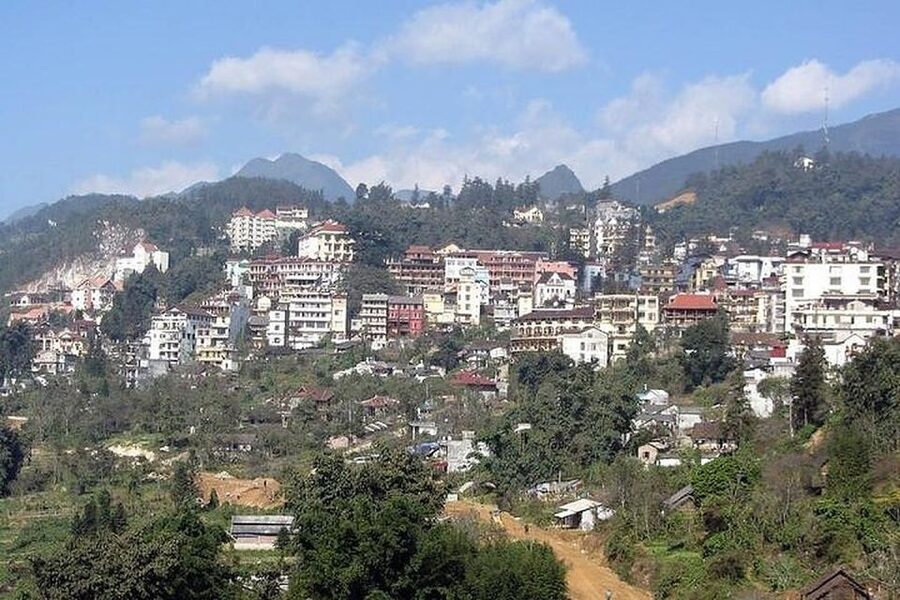
After breakfast, you walk about four kilometers southwest from Sapa to Sin Chai, a Black H’mong village. The village is only a little over two kilometers from central Sapa by location, but the walk gives you a slower introduction to the area than simply arriving by vehicle.
Sin Chai is known here for its simple, rural character. You see a village where daily life remains tied to the mountain setting, rather than a display built only for sightseeing. The surrounding views are a strong part of the morning, and the shorter route gives you a gentler start after the train.
Your guide helps explain the culture and customs of the Black H’mong community. Guides Ai, Sung, and Zua have been singled out for being friendly, clear, and willing to explain local traditions, natural surroundings, and village life. Sung has also invited visitors to meet her family and see her home, although you should treat that as a personal guide-led opportunity, not a guaranteed part of every departure.
Lunch follows the walk at a hotel restaurant. The included food has received mixed reactions. Some meals have been described as tasty and excellent, while other diners found the lunches and dinner plain, with limited choice. You should expect filling group meals rather than a carefully planned food tour.
The afternoon is free. You can rest, walk around Sapa, visit the old cathedral, browse the market, or simply recover from the overnight journey. This unstructured time is useful because the second day is the more demanding walk.
A few more train trips around Vietnam worth a look
- 3 Days Sapa Tour with Night Train from Hanoi
★ 4.5 · 8 reviews - Sapa Trekking Tour by Night Train from Hanoi 3 Nights – 2 days
★ 5.0 · 7 reviews - 2 days 3 Nights Sapa Trekking Tour by Night Train from Hanoi
★ 4.0 · 7 reviews - Sapa – Bac Ha Trek Tour – Night Train & Bus & Homestay overnight
★ 5.0 · 6 reviews
The Muong Hoa Valley route to Ta Van
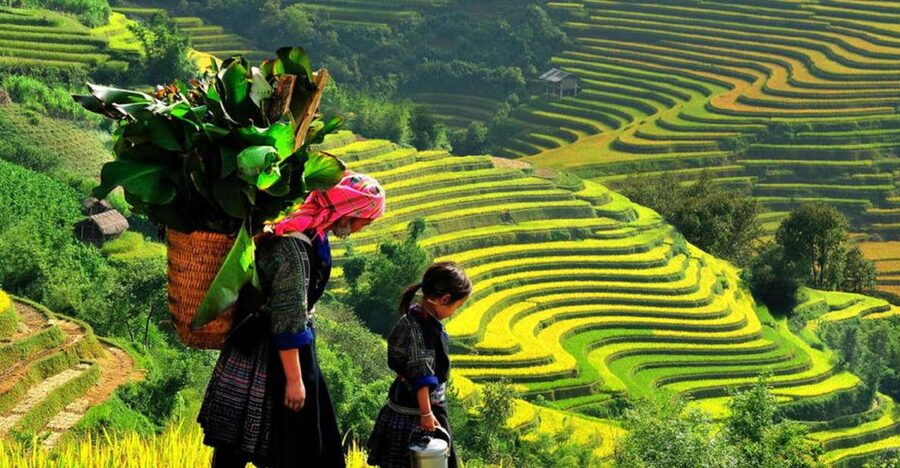
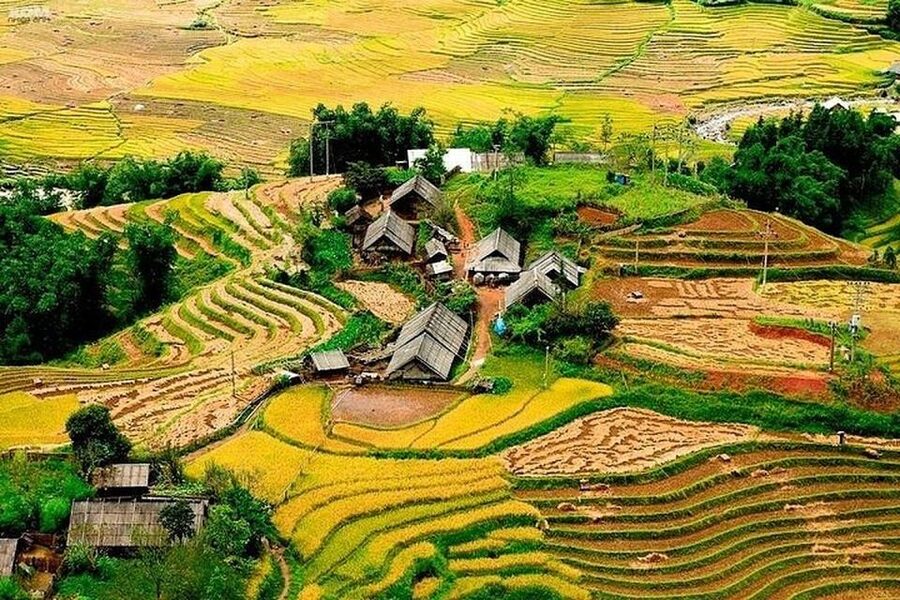
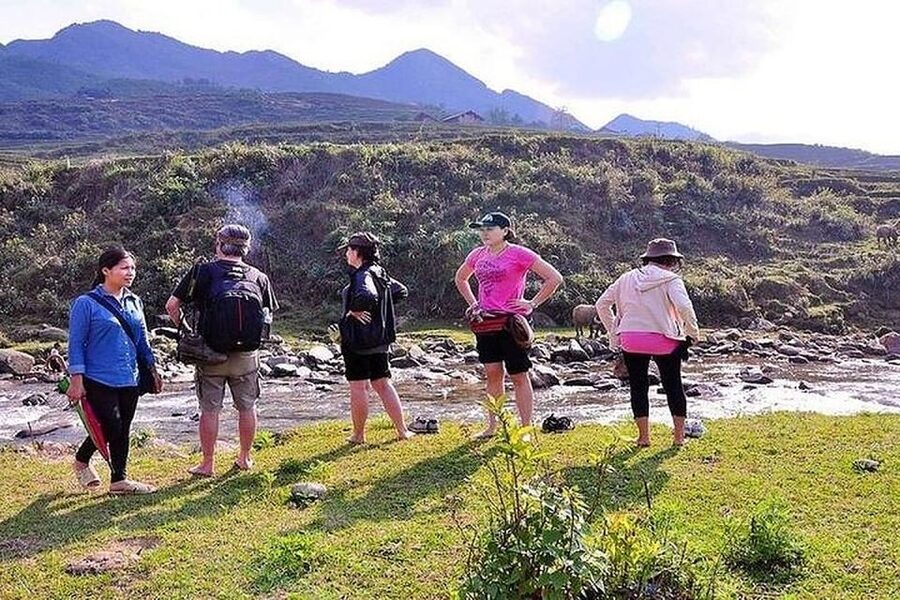
The second day brings the trip’s main trek. After breakfast, you walk down the side of Muong Hoa Valley toward Y Linh Ho, a Black H’mong village, then continue to Lao Chai. From there, the route crosses terraced rice fields and continues to Ta Van, home to the Dzay minority community.
This is the part I would prioritize when choosing the tour. The route gives you a better sense of how villages relate to the mountains, fields, and valley than a quick stop at a single attraction. The rice terraces and corn fields provide the visual reward, but the guide’s explanations turn the walk into more than a photo stop.
The walk is not an easy stroll. Rain can make the paths slippery and muddy, especially while descending through the fields. Several people have been advised to wear gum boots in wet weather, and that advice is worth taking seriously. Good shoes with firm grip are essential.
You may be accompanied for parts of the route by local ethnic women who try to sell handmade goods or ask for money. The tour operator advises you to ignore persistent approaches and stay with your guide. Some visitors have felt these women were helpful on difficult sections and chose to buy something, but you should not feel pressured to purchase.
A polite, firm response is usually best. Keep small personal items secure, avoid promising to buy something later, and let your guide handle uncomfortable situations. This is an unavoidable part of the current Sapa trekking scene, and the operator openly warns you about it.
After lunch, you continue through the valley toward Ta Van. The timing allows you to pack around 2pm before leaving Sapa at approximately 2:30pm. That means you should keep your luggage organized and avoid putting your walking clothes at the bottom of a large bag.
Returning to Hanoi by daytime limousine
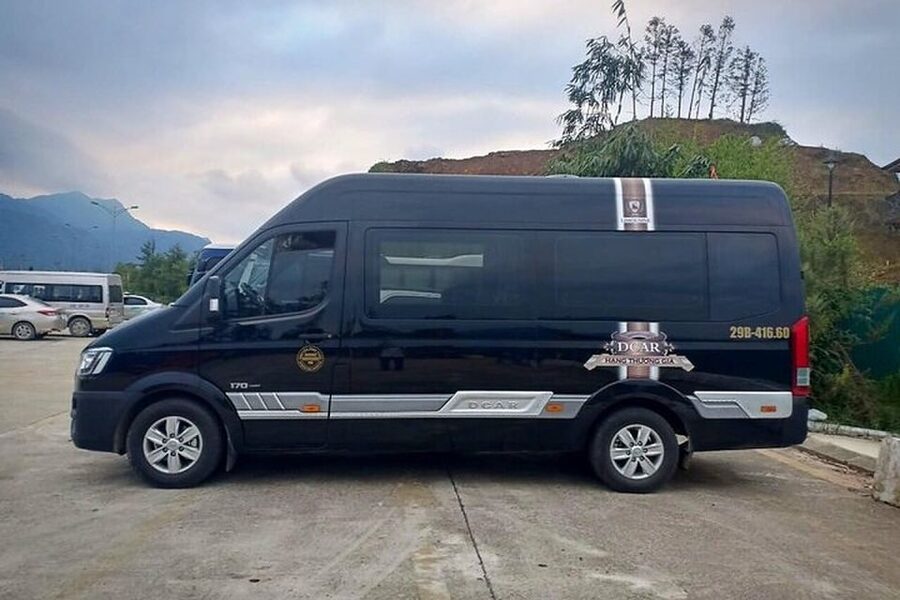
The return trip is by limousine or shared luxury-style minibus, leaving Sapa around 2:30pm and arriving at your Hanoi hotel around 8pm or 9pm. The ride lasts roughly six hours, so this is a long final afternoon.
The daytime return is a smart choice because you can see northern Vietnam on the way back. Several people liked having the train in one direction and a daytime vehicle in the other. Still, the word limousine should not lead you to expect a private car. Some departures have used a nine-seat bus, and vehicle quality and seatbelts have not always been consistent.
Transport coordination has been the weakest part of the experience. There have been delayed pickups, confusion when moving between vehicles, and drivers who spoke little or no English. In one case, a driver was late for the hotel pickup before the train, causing a stressful rush to the station. Contacting the organizer quickly helped resolve it.
Keep your organizer’s contact details available, and ask clear questions about each transfer. Do not assume that every driver will know your hotel or speak English. The guides themselves have often been more reliable sources of information once you reach Sapa.
The guides are the trip’s strongest feature

The scenery gets you to Sapa, but the guide shapes what you understand. Ai has been praised for her humor, kindness, clear communication, and help on muddy rice-field paths. Sung has been praised for her care and detailed explanations of local culture and traditions. Zua has been praised for her English and her understanding of the natural setting and village communities.
This matters because the villages are not simply scenic backdrops. The Black H’mong and Dzay communities have different traditions and ways of life, and a good guide gives you a respectful way to ask questions and observe without treating local people as museum pieces.
Guides can also adjust the day if conditions change. One older guest found the trek too demanding, and the company arranged an alternative. Heavy rain has also led people to cancel or shorten a walk. Tell the guide early if you are struggling, rather than waiting until you are exhausted.
The experience is offered with an English-speaking guide, and private groups may be available. A private group can make it easier to control the walking pace and ask questions, though the price and exact arrangements need to be confirmed before booking.
Weather, clothing, and physical effort
Sapa weather deserves serious planning. The temperature can shift quickly, and cold rain changes the character of the trek. Pack warm layers even if you visit outside winter, plus a waterproof jacket and shoes with strong grip.
For wet conditions, ask your guide about gum boots. They may look clumsy, but muddy paths are not the place for smooth-soled trainers. Bring a change of socks and keep your phone protected from rain.
The first walk to Sin Chai is shorter. The second route through Y Linh Ho, Lao Chai, and Ta Van is longer and more demanding. You need to be comfortable walking on uneven ground, descending through fields, and dealing with mud.
Children must be accompanied by an adult, and infants sit on laps during transport. Alcohol and drugs are not allowed, and pets cannot join the trip. Travel insurance is not included, so arrange your own cover if you want protection for illness, missed transport, or other problems.
What the $168 price really buys you
The price is strongest for people who want a simple, organized route from Hanoi. You receive two breakfasts, two lunches, one dinner, train accommodation, a hotel night, local transport, a guide, and sightseeing fees. That removes many small costs that can otherwise add up.
It is less compelling if you want luxury or complete control. The train is shared unless you arrange an upgrade, the return vehicle may be a regular nine-seat minibus, and the food is set rather than highly flexible. Hotel standards are comfortable but not high-end.
I see the value in the guide and logistics more than in the meals. A local guide who can explain village culture, adjust the walk, and help with muddy sections is useful. The package also makes sense if your Vietnam trip has only a few days for the north.
You can cancel up to 24 hours before departure for a full refund, and you can reserve now and pay later. Those policies help if your Hanoi plans are still shifting, but they do not change the physical demands of the trek.
Should you book this Sapa train and trekking tour?
Book it if you want a compact introduction to Sapa, prefer having transport and accommodation arranged, and are happy to walk in changing mountain weather. The overnight train is a memorable part of the journey, and the routes through Sin Chai, Lao Chai, and Ta Van offer more substance than a quick town visit.
Think twice if you need guaranteed quiet sleep, highly polished transport, a fixed private vehicle, or easy walking. The train can be noisy, the return ride is long, and rain can make the second trek genuinely hard.
For the best chance of a good experience, request early check-in if available, pack a small overnight bag, bring warm waterproof clothing, wear shoes with grip, and confirm every pickup point. If you can accept a few rough edges, the combination of rail travel, village walks, and strong local guides makes this a good-value way to reach Sapa from Hanoi.
FAQ
How long does the Sapa tour last?
The experience lasts about 2.5 days, beginning with the overnight train from Hanoi and ending with arrival back in Hanoi around 8pm or 9pm on the second full day.
Where does the train leave from?
The train leaves from Hanoi Railway Station at 120 Le Duan Street, usually around 10pm.
Is hotel pickup included in Hanoi?
Pickup is included for hotels in Hanoi’s Old Quarter. If you stay outside the Old Quarter, you need to go to Hanoi Railway Station and meet the staff before departure.
What type of train cabin is included?
The included accommodation is a shared, air-conditioned four-bed cabin from Hanoi to Lao Cai.
Can I book a private train compartment?
Private compartments or other cabin arrangements may be available for an additional fee. Confirm the upgrade and price before booking.
What kind of hotel is included in Sapa?
The package includes one night in a three-star hotel. Normal room check-in is at 2pm, while early check-in may be available for an extra charge.
Which villages does the trek visit?
The route includes Sin Chai, Y Linh Ho, Lao Chai, and Ta Van. Sin Chai and Lao Chai are associated with the Black H’mong community, while Ta Van is associated with the Dzay community.
Are meals included?
Two breakfasts, two lunches, and one dinner are included. Drinks, personal expenses, and other meals are not included.
Is the trek suitable for people with limited mobility?
No. The activity is not suitable for wheelchair users, pregnant women, or people with mobility impairments. The paths can be muddy, uneven, and demanding.
What should I bring?
Bring your passport or ID card, warm clothing, waterproof protection, and sturdy shoes with good grip. A small bag for the train and trekking days is more practical than carrying a large suitcase.
More Two-Day Trips in Vietnam
- 2-Day Amazing Sapa Trek With Sleeper Train From Hanoi – Overnight At Hotel
★ 5.0 · 5 reviews - 2-Day Amazing Sapa Trek With Sleeper Train From Hanoi – Overnight At Homestay
★ 5.0 · 5 reviews - Sapa 2 Days 1 night By Bus/Train – Overnight in Hotel 3* With Mountain View
★ 4.0 · 2 reviews - 2 Day Sapa-Bac Ha Market: Night Train& Homestay-Bus Ha Giang
★ 5.0 · 2 reviews
Just added around Vietnam
- Sapa 2 Days 1 night By Bus/Train – Overnight in Hotel 3* With Mountain View★ 4.0 · 2 reviews
- Sapa Trekking Tour by Night Train from Hanoi 3 Nights – 2 days★ 5.0 · 7 reviews
- Saigon Railway Village Photo Tour★ 5.0 · 10 reviews
- Trekking Sapa – Bac Ha Market: Sleep on Train & Homestay★ 4.5 · 7 reviews
- Hanoi city tour and drinking beside railway- group tour★ 4.0 · 7 reviews
- 3 Days Sapa Tour with Night Train from Hanoi★ 4.5 · 8 reviews
- Sapa – Bac Ha Trek Tour – Night Train & Bus & Homestay overnight★ 5.0 · 6 reviews
- Sapa 3 Days Trekking Tour ( Overnight Train + Homestay + Hotel )★ 5.0 · 4 reviews
Sleeper and Overnight Trains, compared.

Egypt on Budget – 8 Days ( Cairo , Aswan , Nile Cruise – Luxor ) Sleeper Train
Read our review →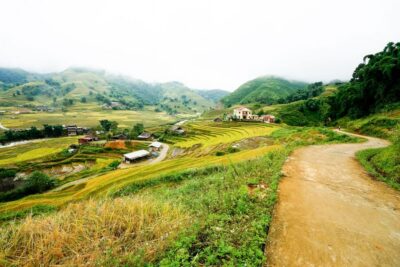
Sapa: 3-Day, 3-Night Trek and Hotel with Overnight Train
Read our review →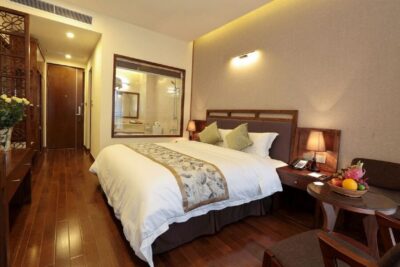

6- Days Aswan , Abu Simbel , Cruise , Luxor & Round Sleeper Train
Read our review →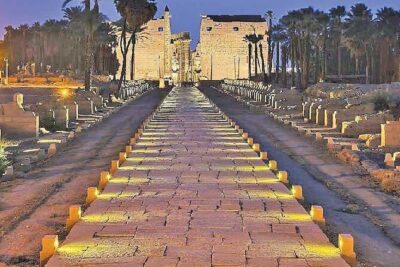
Luxor East and West Banks Tour & Overnight SLEEPER Train Rounded trip
Read our review →
Luxor East and West Banks Tour by Overnight Sitting Train Rounded trip
Read our review →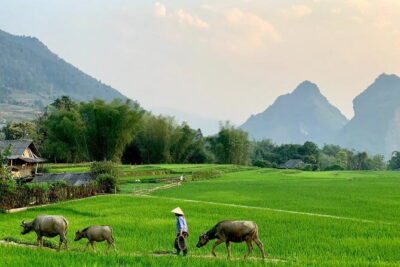
Sa Pa Trekking 2 Days 3 Nights Homestay by Night Train
Read our review →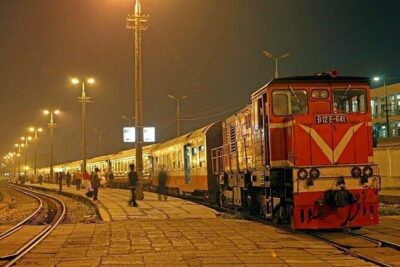
Browse the lists this tour appears in