
Review · MUMBAI
Best Combo Tour: Dabbawalas, Dhobi Ghat and Slum with Train
Mumbai makes sense when you follow its daily routines. This four-hour tour links Dabbawalas, Dhobi Ghat, and Dharavi by local train, giving you a close look at work, transport, and community life rather than only postcard sights. I like the efficient route, and the inclusion of train tickets and water keeps the $32 price easy to understand.
I especially like the chance to see Mumbai’s famous lunchbox delivery system and the open-air laundry at Dhobi Ghat in one morning. The two-hour walk through Dharavi also gives the tour time to show more than a quick photo stop. The main consideration is pace: trains, narrow lanes, and several walks may feel demanding if you prefer a slow, quiet outing.
The guides can make a big difference here. Hardik was praised for patiently explaining the Dabbawalas, answering questions, and making the train ride and Dharavi visit feel safe. Abi was also described as an excellent, patient, and informative guide.
Five reasons this Mumbai tour is worth considering
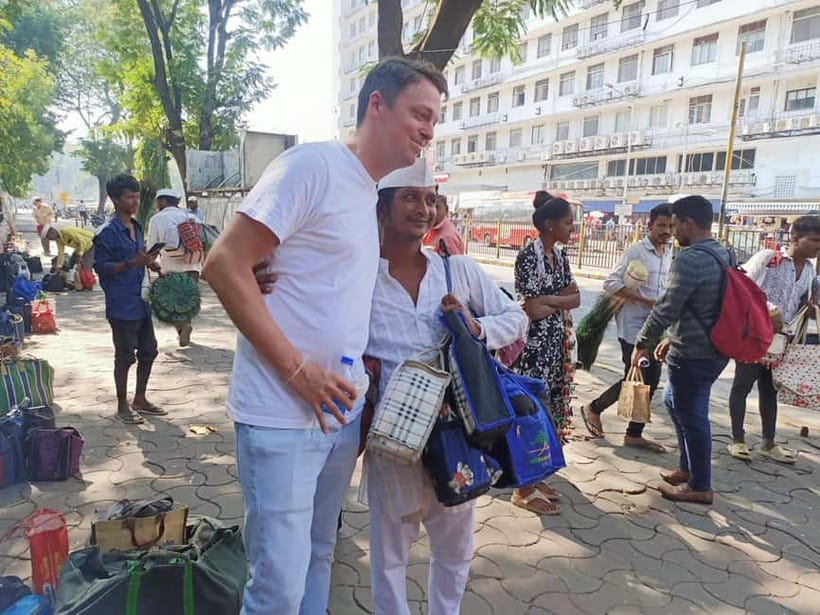
- Mumbai’s lunchbox system: Learn how the Dabbawalas move thousands of home-cooked meals across the city.
- Two short train journeys: Use Mumbai’s suburban railway as part of the tour, not just as transport between sights.
- Dhobi Ghat in person: See the concrete washing bays and working laundry from close range.
- Two hours in Dharavi: Spend the longest part of the tour walking through its lanes, workshops, and markets.
- A practical $32 package: English guiding, local train tickets, and bottled water are included, while food is not.
Why this four-hour route works
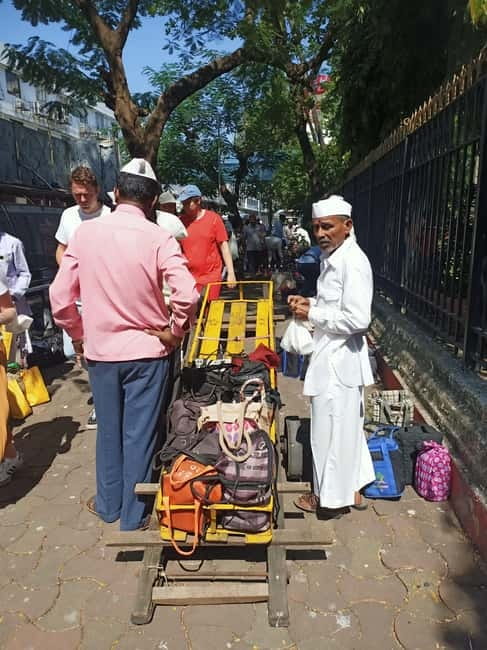
This tour is built around a simple idea: Mumbai is best understood through the systems that keep it moving. The Dabbawalas deliver food, trains move workers, Dhobi Ghat handles laundry, and Dharavi supports many small businesses and workshops.
Instead of spending four hours in traffic between far-flung sights, you use the city’s own railway. That saves time and adds a useful local detail. You are not watching Mumbai from behind a vehicle window. You are moving through it as part of the city’s everyday rhythm.
The tour begins at Churchgate Railway Station and ends near Sai Multispeciality Hospital and Research Centre. That one-way design matters. You should think about where you want to go afterward, since you will not return to Churchgate with the group.
The advertised duration is four hours. The schedule gives about 30 minutes at Churchgate, five minutes on the first train, 30 minutes at Dhobi Ghat, ten minutes on another train, and two hours in Dharavi. Those short rail segments mean the walking portions carry most of the sightseeing.
More Train Journeys in Mumbai:
- Dabbawala, Dhobi Ghat & Dharavi slum Tour with Local Train Ride
★ 5.0 · 102 reviews - Mumbai: Dharavi Slum and Dhobi Ghat Tour with Train Ride
★ 5.0 · 9 reviews - Primmum Mumbai Sightseeing With Local Train Ride Experience
★ 5.0 · 7 reviews
Starting at Churchgate with the Dabbawalas
Meet near the ticket window at the Dava Discount chemist shop inside or by Churchgate Railway Station. This is a precise meeting point, but stations can be confusing, so arriving with enough time to identify the shop is sensible.
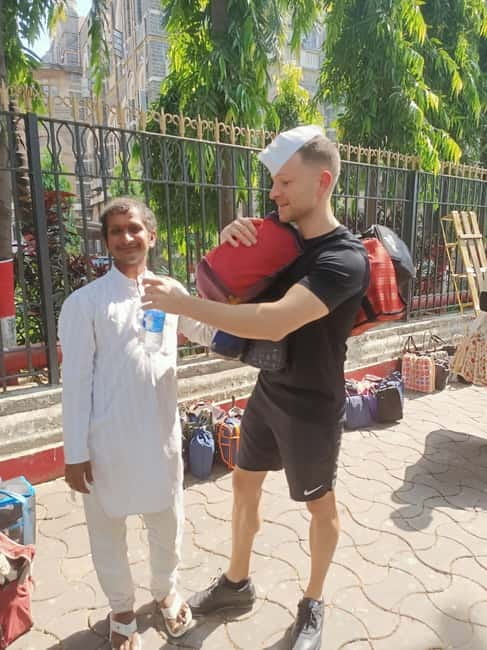
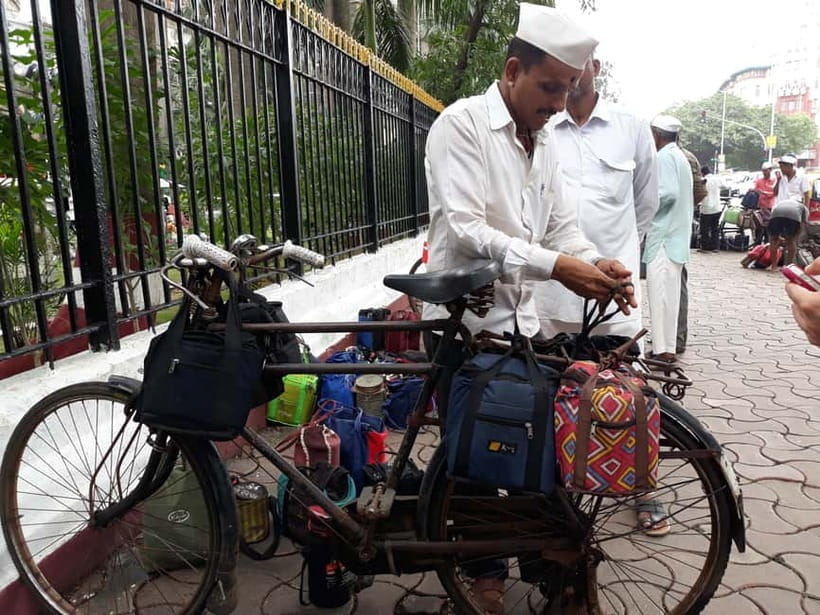
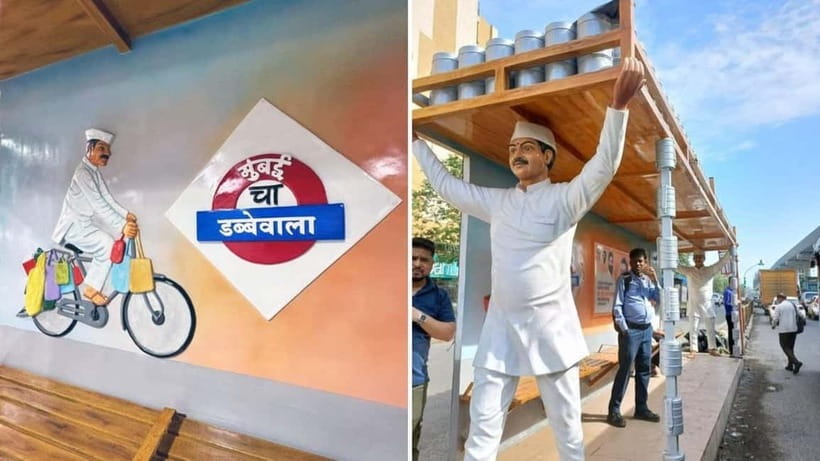
The first section introduces the Dabbawalas, Mumbai’s celebrated lunchbox delivery workers. The service has operated for more than a century, carrying home-prepared meals to office workers and returning the empty boxes later. The appeal is not simply the age of the system. It is the coordination involved in sorting and moving large numbers of lunchboxes through a crowded city.
Your guide explains how the delivery operation works and points out the people and routines behind it. The information is more useful when you connect it to the city around you. Churchgate is not just a starting point. It is part of the transport network that makes the lunchbox service possible.
The listed timing for this opening section is 30 minutes. That is enough for an introduction and guided walk, but not a long lecture on every part of the organization. If you are curious about delivery codes, work patterns, or how the Dabbawalas coordinate with trains, ask questions directly. Hardik was especially praised for taking time to answer questions clearly.
Riding Mumbai’s suburban train for five minutes
The first local train ride is listed at only five minutes. That sounds brief, but it gives you a taste of one of Mumbai’s defining public services without making rail travel the entire tour.
You will ride alongside local commuters and see the city from a more ordinary point of view. The train is part of the lesson: Mumbai’s major services depend on people and goods moving quickly through a dense urban area.
Keep your expectations realistic. A five-minute train ride is an introduction, not an extended railway tour. It may also feel busy, and you will need to stay close to the guide as the group boards and leaves. The supplied local train tickets remove one small task from your day, and the guide can help you follow the route.
If you have never used Mumbai’s suburban railway, this short section adds context to the rest of the morning. You have just heard how lunchboxes move through the city, and now you are using one of the routes that supports its working life.
Seeing the working laundry at Dhobi Ghat
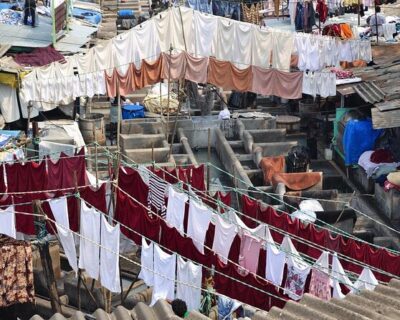
Dhobi Ghat is one of the tour’s strongest visual stops. It is known as the world’s largest outdoor laundry, with hundreds of dhobis washing and drying clothes in open-air concrete troughs.
The visit is scheduled for about 30 minutes. That gives you time for a guided explanation, photographs, and a look at the working layout. You can expect to see a place designed around repetition and practical labor, not a staged attraction built for sightseeing.
This stop is valuable because it shows another service that many people notice only after it has been completed. Clean clothing appears in homes, hotels, and businesses because people at Dhobi Ghat handle the hard work behind it. Your guide explains the institution’s role and the daily lives of the workers.
The short visit is also the main limitation. You will not have hours to observe every stage of washing, drying, and organizing clothes. Still, paired with the Dabbawala visit, Dhobi Ghat creates a clear theme: Mumbai runs on skilled systems that depend on timing, labor, and coordination.
Bring your camera if you want photographs, but keep the setting in mind. This is an active workplace. Follow the guide’s direction and avoid treating workers as scenery.
Same tracks, a different day out:
- Mumbai City + Dabbawala aka Lunchbox + Train Ride Tour – The Unfeigned Mumbai.
★ 5.0 · 6 reviews - Mumbai: Dhobi Ghat Tour with Dharavi and Train Ride Options
★ 3.4 · 5 reviews - Dharavi Slum & Dhobi Ghat Mumbai: Private Guided Tour
★ 5.0 · 4 reviews - Dhobi Ghat Laundry and Dharavi Slum Tour with Local Train
★ 5.0 · 4 reviews
The second train and the route toward Dharavi
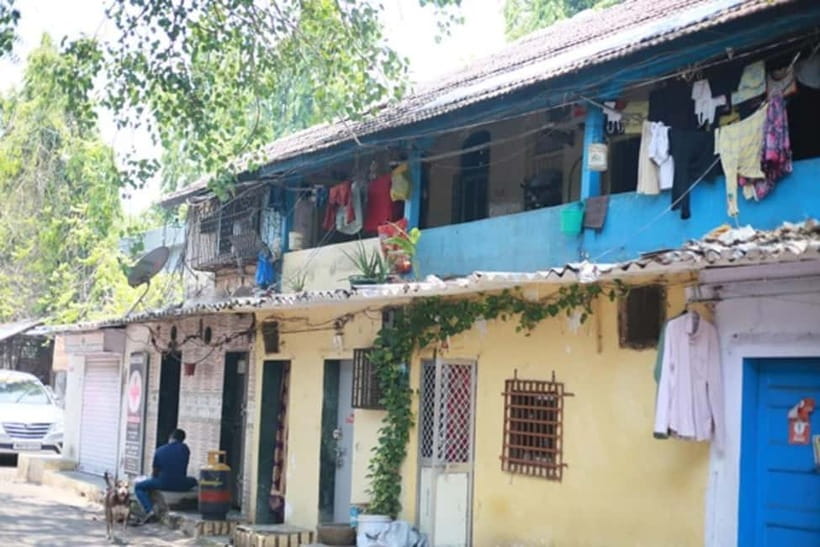
The next train ride is listed at ten minutes, giving you a little more time to watch Mumbai pass from the carriage. Again, the rail journey is short, but it links the stops in a way that feels practical rather than decorative.
The route helps you see how different parts of the city connect. In the space of one morning, you move from a major railway station to a working laundry and then toward Dharavi, using public transport between them.
The schedule is fairly tight. If trains are crowded or the walking pace slows, time at a later stop could feel compressed. That is one reason the guide matters. Abi and Hardik were both praised for clear explanations and patient help, with Hardik also singled out for paying close attention to the group’s safety.
Spending two hours walking through Dharavi
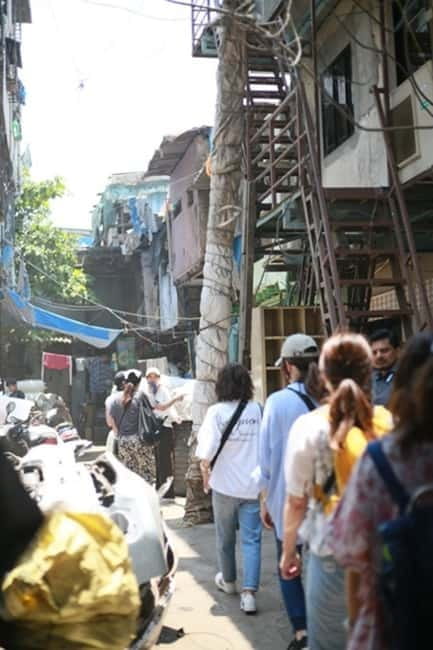
Dharavi receives the longest section of the tour, at two hours. That is the right allocation if you want more than a passing view. The walk takes you through narrow lanes, workshops, markets, and areas where local businesses operate.
The purpose is to see Dharavi as a community and working neighborhood, not simply to label it by its poverty. The tour presents its resilience, creativity, and small-business activity, giving you a more useful picture of daily life than a quick drive past the edge could provide.
You may see workshops and industries operating close to homes. The supplied description does not promise one fixed set of businesses, so the exact route can vary. What you can expect is a guided walk through the lanes, with explanations of the community and the work carried out there.
This is the part of the tour that requires the most sensitivity. Dharavi is a home and workplace, not a theme park. Listen to the guide, follow local instructions, and ask before taking photographs if the situation calls for it. The description says you can interact with residents, but respectful behavior should remain your priority.
The two-hour duration allows room for questions. Hardik’s patient approach was particularly well suited to this section, since Dharavi raises social, economic, and practical questions that deserve more than a rushed answer. You should feel free to ask how local businesses function, how the area is organized, and what you are seeing, while avoiding intrusive questions about individual residents.
Dharavi can be emotionally complicated. You may notice poverty, crowded housing, hard work, and strong enterprise in the same short walk. A good guide helps you hold those facts together without turning the visit into either a pity tour or a glossy sales pitch.
What the $32 price really includes
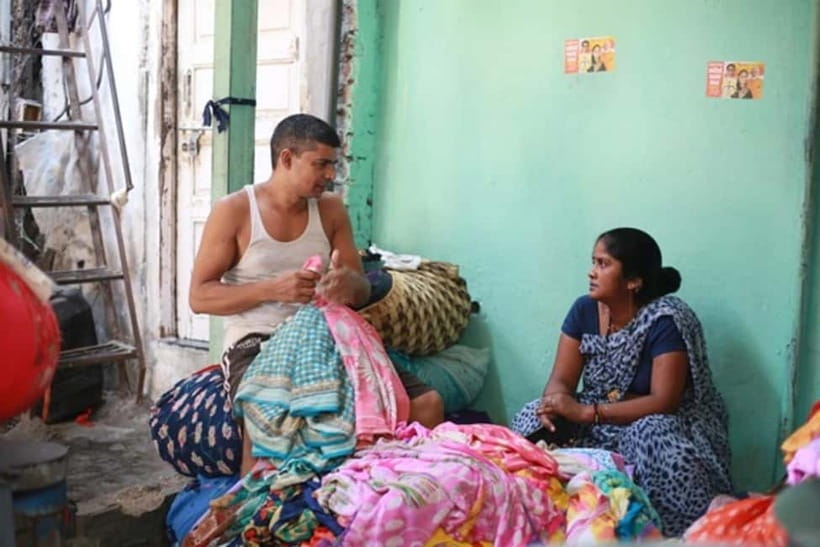
At $32 per person, the tour offers good value if you want several major Mumbai experiences in a single half-day. The price includes an English-speaking guide, local train tickets, and a water bottle.
The guide is the main value item. You could pass Dhobi Ghat or ride a train alone, but you would miss much of the context around the Dabbawalas, the laundry workers, and Dharavi’s industries. A strong guide also helps you move through the railway sections and narrow lanes with less stress.
Food and drinks are not included. The tour lasts four hours, so you may want to eat before meeting or plan a meal afterward. Do not assume lunch is part of the package simply because the day begins with the Dabbawala story.
The price is also attractive because the route combines four distinct elements: the lunchbox service, two train rides, Dhobi Ghat, and Dharavi. If you prefer one major attraction with a long, relaxed visit, this is not the right format. If you want a concentrated look at working Mumbai, the cost is reasonable.
How to prepare for the pace and setting
Wear comfortable shoes. The tour includes guided walks at Churchgate, Dhobi Ghat, and Dharavi, with the longest walking section lasting about two hours.
Carry only what you need. You will use trains and walk through narrow lanes, so a small bag is easier than bulky luggage. A water bottle is included, but bringing personal essentials is still sensible.
Keep your schedule flexible after the tour. The finish is at Sai Multispeciality Hospital and Research Centre, not at the original meeting point. Since the route uses public transport and covers working areas, the exact timing may not feel as predictable as a private vehicle tour.
The tour is conducted in English. If you want detailed explanations and have questions about Mumbai’s daily systems, this language option should suit you. If you do not understand English comfortably, you may miss some of the value because much of the tour depends on spoken explanation.
Free cancellation is available up to 24 hours before the start time, and you can reserve now and pay later. Those terms help if your Mumbai plans are still shifting, but the practical details of the meeting point remain important.
Who will enjoy this tour most
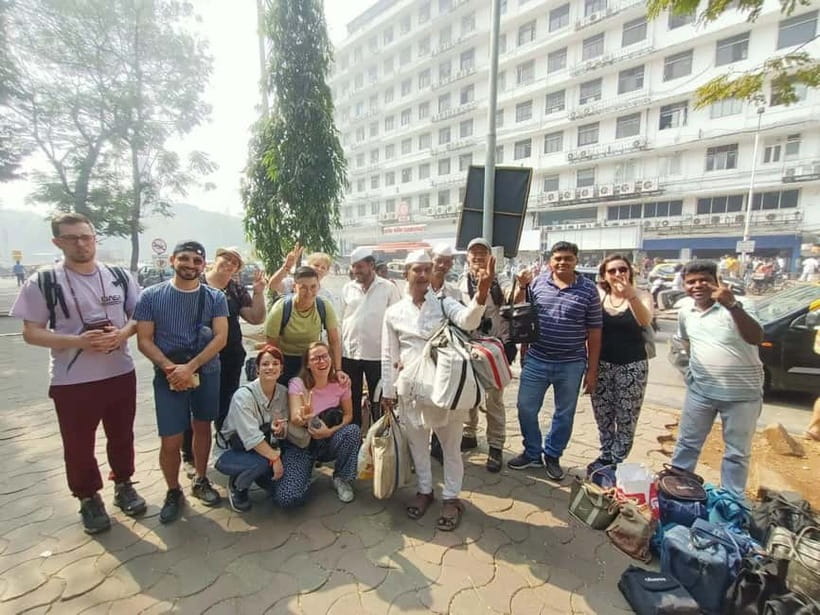
I would recommend this tour to first-time visitors who want to understand how Mumbai works beyond its famous monuments. It also suits people interested in public transport, urban work, local industries, and guided walking.
You will get the most from it if you are curious and willing to ask questions. The stops are not passive photo opportunities. The Dabbawalas and Dhobi Ghat need explanation, while Dharavi benefits from careful observation and conversation.
This tour may be less suitable if you want luxury transport, a quiet pace, or a highly polished sightseeing route. The trains are part of the point, and Dharavi can feel intense. Families with older children may appreciate the practical lessons, but each person should be comfortable with walking and public transport.
The available feedback gives the guides strong praise. Abi was called patient and informative, while Hardik was praised for his broad knowledge, careful answers, and attention to safety. Since the exact guide can vary, treat those names as examples of the level of guiding you should hope for, not a guaranteed assignment.
Should you book the Dabbawalas, Dhobi Ghat and Dharavi tour?
Book it if you want a compact, working view of Mumbai and are comfortable using trains and walking through an active community. The strongest reasons are the two-hour Dharavi visit, the practical rail connections, and the chance to see both Dabbawalas and Dhobi Ghat with an English-speaking guide.
Think twice if you need a slow schedule or dislike crowded public transport. You should also set aside money and time for food, since neither is included. For $32, though, this is a useful half-day introduction to the people and systems that keep Mumbai moving.
FAQ
Where does the tour begin?
It begins at Churchgate Railway Station near the ticket window, by the Dava Discount chemist shop.
Where does the tour finish?
The tour finishes at Sai Multispeciality Hospital and Research Centre.
How long does the tour last?
The scheduled duration is four hours.
Is an English-speaking guide included?
Yes. The tour includes a live English-speaking guide.
Are local train tickets included?
Yes. Local train tickets are included in the tour price.
Is food included?
No. Food and drinks are not included.
Is bottled water provided?
Yes. A water bottle is included.
How much time is spent in Dharavi?
The Dharavi visit is scheduled for two hours and includes guided walking and sightseeing.
Can I cancel for a full refund?
Yes. You can cancel up to 24 hours in advance for a full refund.
Just added around Mumbai
- Mumbai Slum Tour with Dhobi Ghat Laundry & Train Ride Tour★ 5.0 · 2 reviews
- Mumbai Unseen: Local Train Ride And Sightseeing Tour★ 5.0 · 3 reviews
- All in one-Combo of City, Dhobighat, Slum & Dabbawala with ferry and train ride.★ 4.5 · 2 reviews
- Dharavi Slum & Dhobi Ghat Mumbai: Private Guided Tour★ 5.0 · 4 reviews
- Meet Dabbawala Visit Dhobi Ghat & Dharavi slum with Train★ 5.0 · 2 reviews
- Dhobi Ghat Laundry and Dharavi Slum Tour with Local Train★ 5.0 · 4 reviews
- Mumbai: Dhobi Ghat Tour with Dharavi and Train Ride Options★ 3.4 · 5 reviews
- Dabbawaala Dhobi Ghat Dahravi slum With Local Train Ride★ 5.0 · 2 reviews
Mumbai Train Journeys, compared.

Dabbawala, Dhobi Ghat & Dharavi slum Tour with Local Train Ride
Read our review →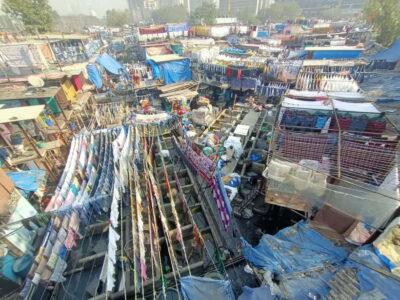
Primmum Mumbai Sightseeing With Local Train Ride Experience
Read our review →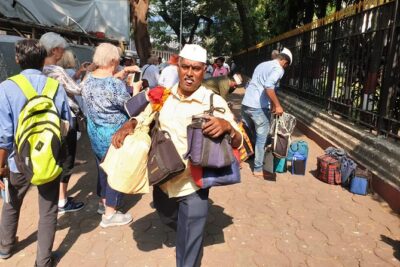
Mumbai City + Dabbawala aka Lunchbox + Train Ride Tour – The Unfeigned Mumbai.
Read our review →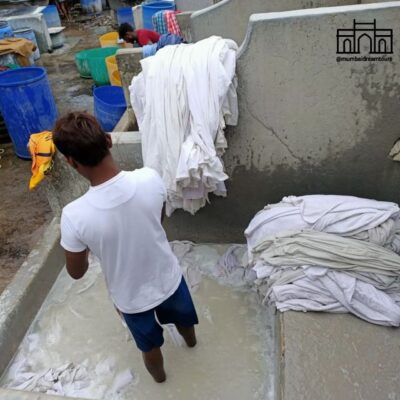
Dhobi Ghat Tour with Dharavi and Train Ride Options
Read our review →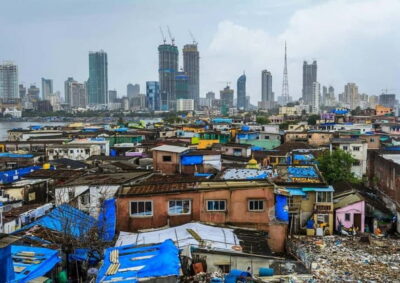
Dhobi Ghat Laundry and Dharavi Slum Tour with Local Train
Read our review →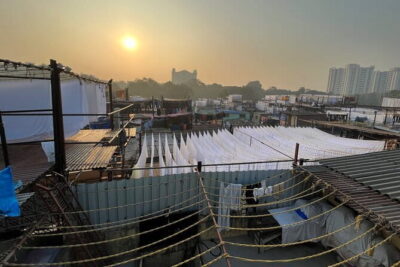
Dharavi Slum & Dhobi Ghat Mumbai: Private Guided Tour
Read our review →
Mumbai Unseen: Local Train Ride And Sightseeing Tour
Read our review →Browse the lists this tour appears in