
Review · MUMBAI
Dhobi Ghat Laundry and Dharavi Slum Tour with Local Train
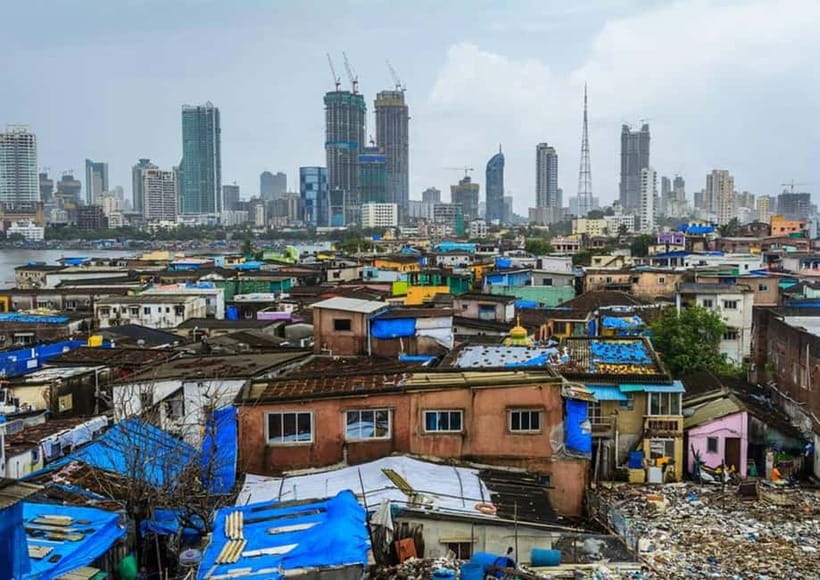
Mumbai washes, rides, and reveals itself. This three-hour experience links Dhobi Ghat, the city’s famous outdoor laundry, with a guided walk through Dharavi and a short ride on a local train. I like the clear route: you see a working place first, then travel as Mumbai residents do, before entering one of the city’s most misunderstood communities.
I also like the strong local focus. Guides such as Abhi have been praised for explaining small details, introducing the area in a respectful way, and using clear English. The main consideration is that Dharavi is a real residential and working neighborhood, not a staged attraction, so you need to approach it with care and accept that the narrow lanes and crowded traffic may feel intense.
Five useful things to know before you go
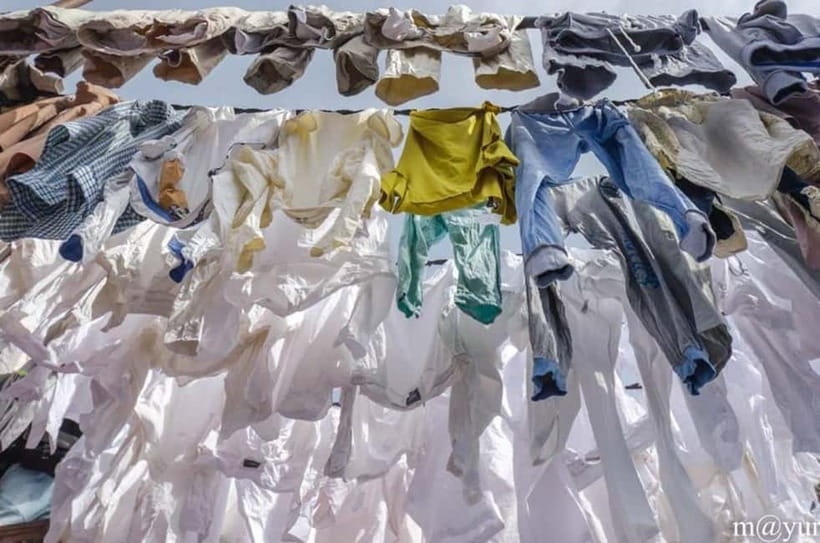
- Dhobi Ghat starts at a viewing deck: You get an organized look at rows of open-air washing troughs before walking through the site for about 30 minutes.
- The local train is part of the experience: The roughly 10-minute ride adds a genuine slice of Mumbai transport, not just a transfer between stops.
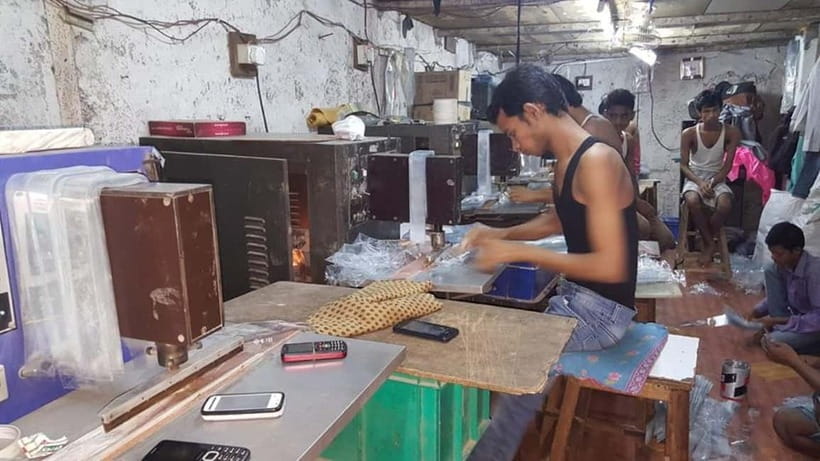
- Dharavi takes most of the tour: Around two hours are set aside for walking, workshops, markets, and community life.
- A local English-speaking guide matters: The best part of this tour is the explanation behind what you see, especially in Dharavi’s narrow lanes.
- The $13 price is strong value: Entry, transport, the train ride, water, and a guide are included, while food and drinks are extra.
- The tour ends at Sai Multispeciality Hospital: Plan your next stop from there rather than expecting to return to Dhobi Ghat.
Why this Mumbai tour is different
Many city tours show you monuments from a distance. This one focuses on work, transport, housing, and small business. That gives you a more useful picture of how Mumbai functions day to day.
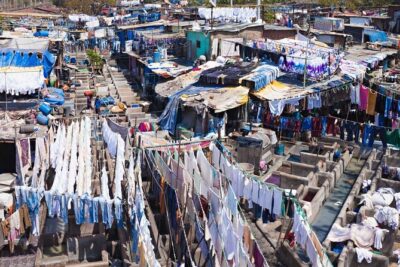
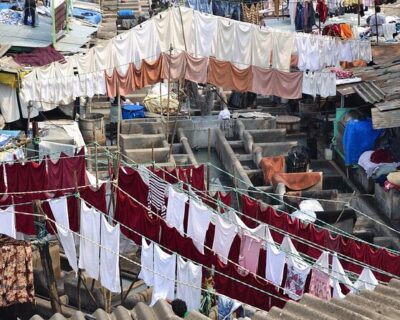
Dhobi Ghat and Dharavi also work well together. At the laundry, you watch a long-running service system built around sorting, washing, drying, and ironing clothes. In Dharavi, you see a different side of urban enterprise, with workshops, shops, and street trade packed into a residential area.
I like that the tour does not treat either place as a simple photo stop. The guide is there to explain how people work and live, which is important in Dharavi. A short visit cannot tell you everything, but it can correct the lazy idea that the area is only defined by poverty.
The experience has a serious side, but it is not designed as a lecture. The train ride breaks up the walking and lets you see Mumbai between the two main stops. For $13, the mix of transport, guiding, and access is hard to criticize.
More Train Journeys in Mumbai:
- Dabbawala, Dhobi Ghat & Dharavi slum Tour with Local Train Ride
★ 5.0 · 102 reviews - Mumbai: Dharavi Slum and Dhobi Ghat Tour with Train Ride
★ 5.0 · 9 reviews - Primmum Mumbai Sightseeing With Local Train Ride Experience
★ 5.0 · 7 reviews
Seeing Dhobi Ghat from the viewing deck
The tour begins at the Dhobi Ghat Viewing Deck. This is a practical starting point because it lets you understand the layout before entering the working area.
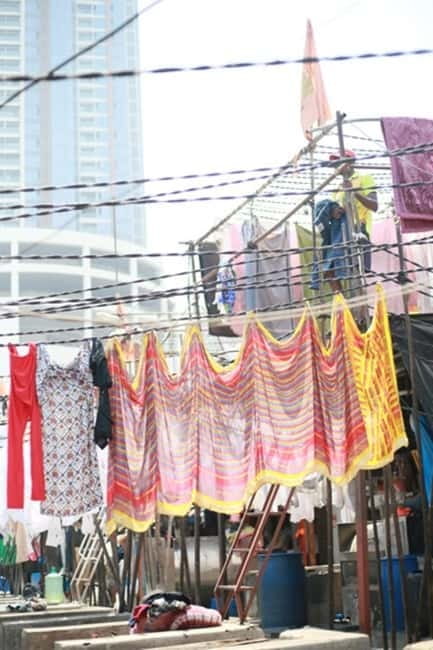
Dhobi Ghat is known for its rows of concrete washing troughs, where dhobis handwash and dry clothing in the open air. The sight is striking because the work is so large in scale, yet still depends on repeated manual tasks. Clothes must be sorted, washed, dried, and ironed before returning to customers across Mumbai.
You can expect about 30 minutes here, including a photo stop, a guided visit, and some walking. That is enough time to take in the scene and hear how the system operates, though it is not long enough for a detailed study of every part of the laundry.
The viewing deck helps with photos, but the real value is the explanation. Without a guide, you might see rows of troughs and workers. With context, you begin to understand the organization behind the activity and why Dhobi Ghat remains such a recognizable part of Mumbai.
Be considerate with your camera. This is a workplace, not a performance arranged for visitors. Listen to your guide about where photos are suitable, and give workers room to continue their jobs.
The 10-minute local train ride
After Dhobi Ghat, you board a local train for about 10 minutes. This is a short ride, but it gives the tour character.
Mumbai’s local trains are a key part of the city’s transport network. Using one during the tour means you are not simply being driven from one attraction to another. You get a quick look at an everyday part of city life, along with the movement, noise, and tight timing that come with public transport.
The ride also helps connect the two subjects of the tour. You leave a major working laundry and move toward Dharavi through the city’s own transport system. Along the way, you may see markets, high-rise buildings, and older landmarks, depending on the route and conditions.
Do not expect a long scenic train journey. Ten minutes passes quickly, and the ride is included mainly as a local experience and a useful connection. The practical benefit is that you get a taste of Mumbai’s rail network without giving up much of your three-hour schedule.
The train can feel busy. Stay with your guide and pay attention to instructions. One guide was specifically praised for looking after the group in heavy traffic and crowded conditions, which is the kind of care that matters during this part of the tour.
Walking through Dharavi for two hours
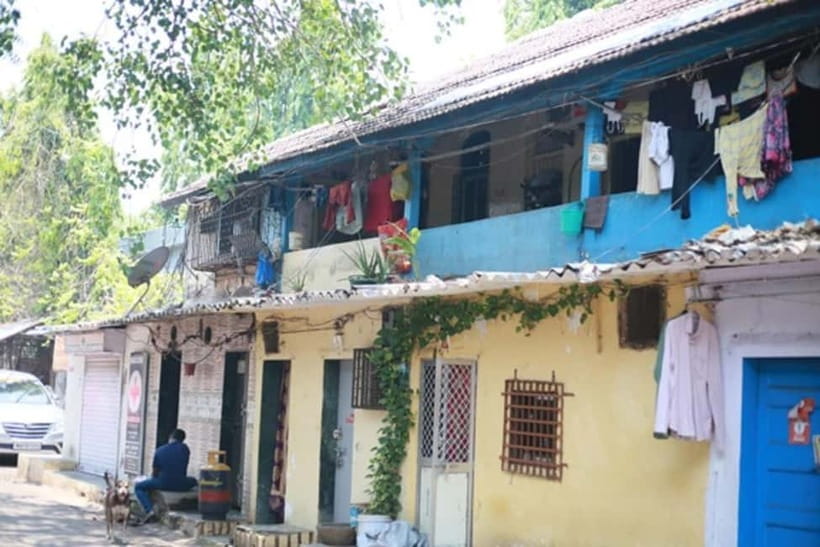
Dharavi receives the largest share of the schedule, around two hours. That is the right choice because a brief pass through the neighborhood would leave you with little more than surface impressions.
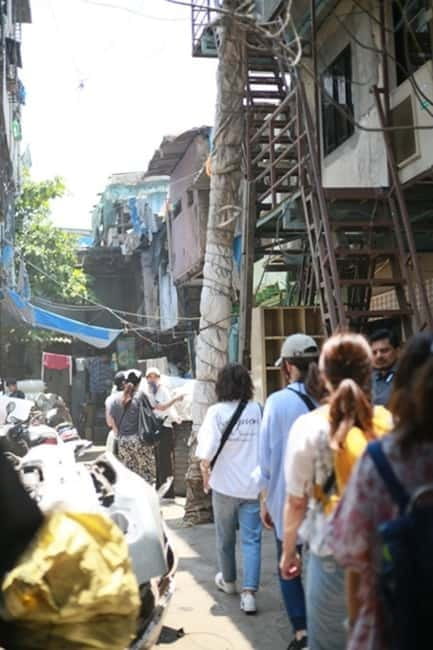
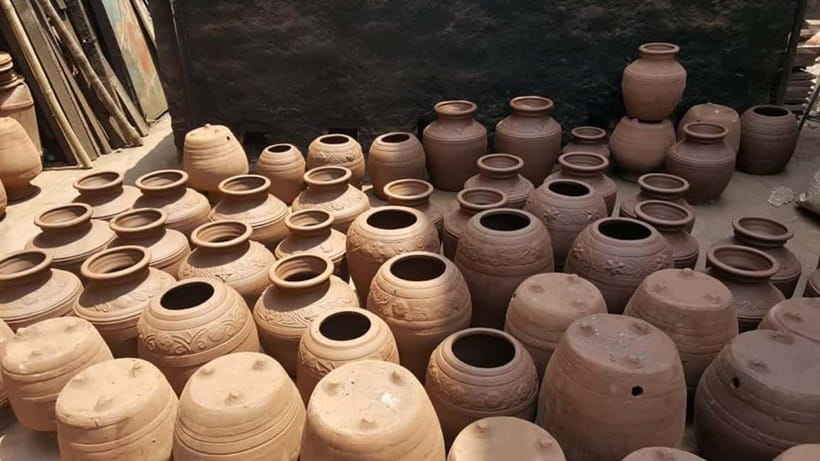
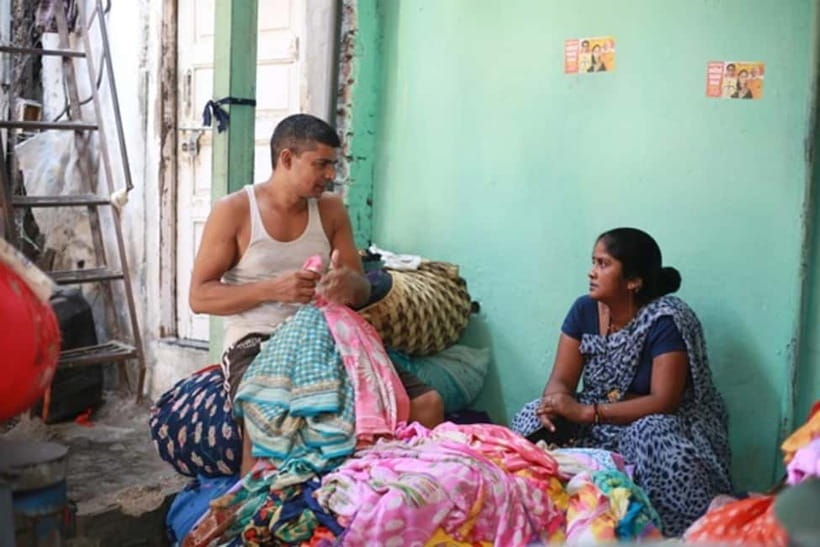
The walk takes you through narrow alleyways, workshops, street markets, and areas where people live and work close together. The guide explains the community’s economy, routines, and range of businesses. You may see how much activity fits into a small area, but the point is not simply to count workshops or take photographs.
The guide’s role is especially important here. One guide, Abhi, was praised for pointing out details that are easy to miss and for making the visit feel respectful rather than awkward. That gives you a useful standard: a good guide should explain what you are seeing, introduce the place without turning residents into scenery, and help you understand the connection between homes, workspaces, and local trade.
This is also where you should adjust your expectations. Dharavi is a living community. It is not a museum, theme park, or neatly arranged attraction. Lanes can be tight, activity can be loud, and conditions may be more demanding than on a normal sightseeing walk.
The tour description presents Dharavi as a place of resilience, creativity, and business. Those ideas are most valuable when they are tied to what you actually see: working spaces, local shops, movement through the lanes, and people managing daily life in a dense neighborhood.
You will not receive a complete picture of every resident or every part of Dharavi in two hours. No short tour could do that. What you can gain is a clearer understanding of the area’s working life and a more balanced view than a quick drive past the edge would provide.
Same tracks, a different day out:
- Mumbai City + Dabbawala aka Lunchbox + Train Ride Tour – The Unfeigned Mumbai.
★ 5.0 · 6 reviews - Mumbai: Dhobi Ghat Tour with Dharavi and Train Ride Options
★ 3.4 · 5 reviews - Dharavi Slum & Dhobi Ghat Mumbai: Private Guided Tour
★ 5.0 · 4 reviews - Mumbai Unseen: Local Train Ride And Sightseeing Tour
★ 5.0 · 3 reviews
What the reviews tell you about the guiding
The strongest praise focuses on the guides, not on a single photo opportunity. That matters because the experience depends on explanation and group care.
A French visitor found the guide’s English easy to understand, which suggests the tour can work well for people who do not speak English as a first language. Another visitor singled out Abhi for his friendly manner, useful local details, and respectful introductions.
A German visitor also praised the guides for taking good care of the group in heavy traffic. That is a practical point, not just a compliment. Mumbai’s roads and crossings can demand attention, and a guide who watches the group helps the walking sections feel more manageable.
The rating is 5 out of 5 from four reviews, so the response is very positive but based on a small number of ratings. I would treat that as encouraging evidence of good guiding, not as proof that every departure will feel identical.
When you book, check the meeting instructions and keep your guide’s contact information available if it is provided. The starting point is the Dhobi Ghat Viewing Deck, and the tour finishes at Sai Multispeciality Hospital and Research Centre.
The $13 price and what it includes
At $13 per person, this is a low-cost way to combine two major Mumbai experiences with public transport. The price includes an English-speaking local guide, entry tickets, travel fees, the local train ride, and water.
That package gives the tour good value. You are paying for access and interpretation, not just a transfer. The guide helps you understand the laundry system and Dharavi’s community life, while the train ride adds a local element that a private vehicle would miss.
Food and drinks are not included. Since the tour lasts three hours, this is not a major problem, but you should plan your own meals and snacks around the schedule. Water is included, which is useful during the walking portion.
The experience also offers free cancellation up to 24 hours before the start time and a reserve-now, pay-later option. Those terms make it easier to fit the tour into a changing Mumbai schedule. Starting times vary, so you need to check availability for the date you want.
Who should book this experience
I would recommend this tour to you if you want to understand Mumbai through ordinary work and transport rather than only through famous sights. It suits curious first-time visitors, budget-conscious sightseers, and anyone interested in how a major city supports its people.
It is also a good choice if you prefer a guided visit in English. The comments about clear explanations and careful group handling are important here, especially because Dharavi can be confusing without someone who knows the area.
You should think twice if you want a quiet, polished sightseeing outing. The local train, tight lanes, traffic, and working environment make this an active experience. It may also feel uncomfortable if you are not prepared to visit a residential community with humility.
Photography requires judgment. The tour includes photo stops, but that does not mean every person or workplace is automatically available for pictures. Follow the guide’s advice and put the camera away when the situation calls for it.
Is the Dhobi Ghat and Dharavi tour worth booking?
Yes, I think this is a worthwhile $13 tour if your goal is a grounded look at Mumbai’s working life. The combination of Dhobi Ghat, a local train, and two hours in Dharavi gives you more range than a standard neighborhood walk.
Book it for the guide, the context, and the chance to see how Mumbai moves and earns a living. Do not book it expecting entertainment in the usual sightseeing sense. You are entering real workplaces and homes, so respect and an open mind matter as much as your camera.
The small number of ratings means you should keep your expectations sensible, but the praise for Abhi, clear English, useful details, and careful handling in traffic is encouraging. For a short, inexpensive introduction to two important parts of Mumbai, this tour makes a strong case.
FAQ
How long does the Dhobi Ghat and Dharavi tour last?
The tour lasts three hours.
Where does the tour begin?
It begins at the Dhobi Ghat Viewing Deck.
Where does the tour finish?
The tour finishes at Sai Multispeciality Hospital and Research Centre.
Is a local train ride included?
Yes. A local train ride is included, and the listed train portion lasts about 10 minutes.
How long is the Dhobi Ghat visit?
The Dhobi Ghat section lasts about 30 minutes and includes a photo stop, guided visit, and walking.
How long is the Dharavi visit?
The Dharavi section lasts about two hours and includes a guided walk, sightseeing, a visit, and a photo stop.
Is a guide included?
Yes. An English-speaking local tour guide is included.
Are entry tickets included?
Yes. Entry tickets are included in the tour price.
Is food included?
No. Food and drinks are not included, but water is provided.
Can you cancel for a refund?
Yes. You can cancel up to 24 hours in advance for a full refund.
Just added around Mumbai
- Mumbai Slum Tour with Dhobi Ghat Laundry & Train Ride Tour★ 5.0 · 2 reviews
- Mumbai Unseen: Local Train Ride And Sightseeing Tour★ 5.0 · 3 reviews
- All in one-Combo of City, Dhobighat, Slum & Dabbawala with ferry and train ride.★ 4.5 · 2 reviews
- Dharavi Slum & Dhobi Ghat Mumbai: Private Guided Tour★ 5.0 · 4 reviews
- Meet Dabbawala Visit Dhobi Ghat & Dharavi slum with Train★ 5.0 · 2 reviews
- Mumbai: Dhobi Ghat Tour with Dharavi and Train Ride Options★ 3.4 · 5 reviews
- Dabbawaala Dhobi Ghat Dahravi slum With Local Train Ride★ 5.0 · 2 reviews
- Best Combo Tour: Dabbawalas, Dhobi Ghat and Slum with Train★ 3.5 · 3 reviews
Mumbai Train Journeys, compared.
Dabbawala, Dhobi Ghat & Dharavi slum Tour with Local Train Ride
Read our review →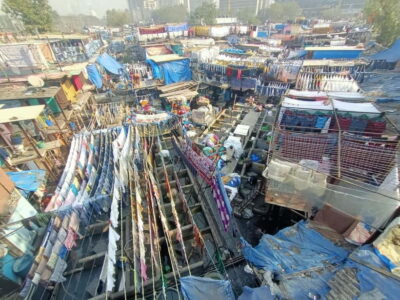
Primmum Mumbai Sightseeing With Local Train Ride Experience
Read our review →
Mumbai City + Dabbawala aka Lunchbox + Train Ride Tour – The Unfeigned Mumbai.
Read our review →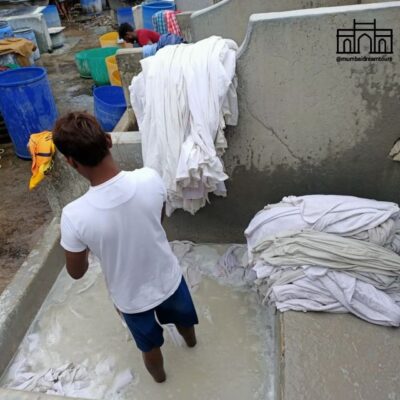
Dhobi Ghat Tour with Dharavi and Train Ride Options
Read our review →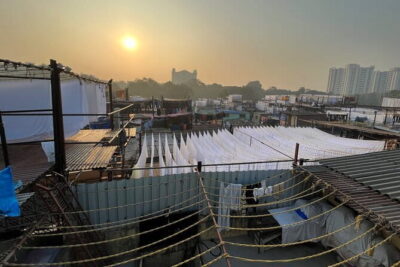
Dharavi Slum & Dhobi Ghat Mumbai: Private Guided Tour
Read our review →
Best Combo Tour: Dabbawalas, Dhobi Ghat and Slum with Train
Read our review →
Mumbai Unseen: Local Train Ride And Sightseeing Tour
Read our review →Browse the lists this tour appears in