
Review · MUMBAI
Dabbawala, Dhobi Ghat & Dharavi slum Tour with Local Train Ride
Mumbai reveals itself best in motion. This four-hour tour links three working parts of the city: Dharavi’s small industries, Mahalaxmi Dhobi Ghat’s open-air laundry, and the dabbawalas who carry home-cooked lunches across town. I especially like the resident-led walk through Dharavi and the local train ride, which gives you a useful glimpse of daily Mumbai life rather than a polished sightseeing version. The main consideration is that this is a serious, active visit through crowded streets and working neighborhoods, not a light sightseeing outing.
I also like the small maximum group of 15, since a good guide can answer questions and keep the walk respectful. Guides including Rakesh, Abhishek, Sagar, Hardik, and Dinesh have been praised for warmth, clear English, and strong local connections. You should bring water, wear comfortable shoes, and be ready for a fast-moving morning with no food or drinks included.
Key things to know before booking
- Dharavi is a working neighborhood: Expect to see leather work, pottery, soap making, baking, dyeing, plastic recycling, homes, schools, and hospitals.
- The local train is part of the lesson: You travel between parts of the tour by Mumbai’s famous suburban rail system.
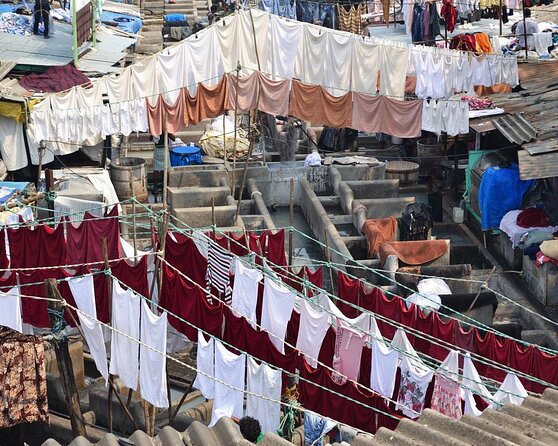
- Mahalaxmi Dhobi Ghat is viewed from the working operation: You see the open-air laundry where dhobis wash clothing for hotels and households.
- Dabbawalas are central to the story: The tour explains how Mumbai’s lunchbox delivery workers serve the city.
- The tour ends in Dharavi: The listed meeting point is near Churchgate, while the endpoint is on 90 Feet Road in Dharavi.
- It offers strong value at $35.79: The price includes the guide and local train transport, but not food, drinks, or private transfers.
Starting near Churchgate with Mumbai on the move
The tour begins on Maharshi Karve Road near Churchgate, a practical meeting point for reaching Mumbai’s railway network. From there, your guide introduces the dabbawala system and the people who deliver packed lunches around the city.
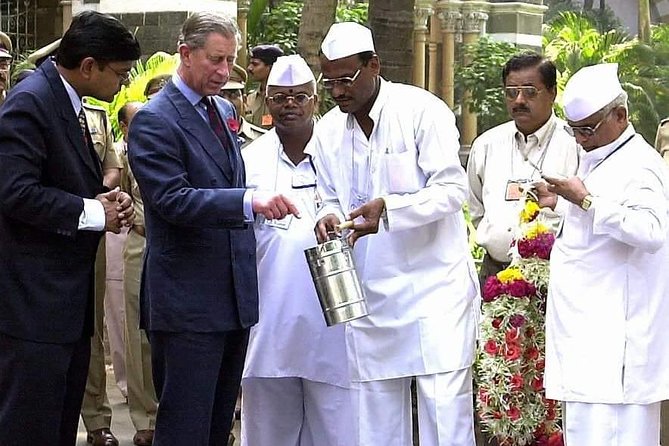
The dabbawala section is not just a quick photo stop. It gives you a way to understand one of Mumbai’s best-known daily systems through the workers themselves, a tribute statue, and the guide’s explanation of how the service fits into city life. The supplied schedule gives this portion about an hour, though the exact order and pace may vary.
The local train ride is included, which matters. You are not simply being driven from one attraction to another in a private vehicle. You travel in the same transport system that millions of Mumbaikars use, adding a practical glimpse of the city’s rhythm. The train ride can also make the tour feel more energetic and less staged.
You should expect a busy public setting. The tour is designed for most people who can participate, but you will be walking, standing, and moving through active transport areas. The group size is capped at 15, a useful limit when platforms, streets, and narrow lanes require everyone to stay together.
More Train Journeys in Mumbai:
- Mumbai: Dharavi Slum and Dhobi Ghat Tour with Train Ride
★ 5.0 · 9 reviews - Primmum Mumbai Sightseeing With Local Train Ride Experience
★ 5.0 · 7 reviews - Mumbai City + Dabbawala aka Lunchbox + Train Ride Tour – The Unfeigned Mumbai.
★ 5.0 · 6 reviews
Seeing how Mumbai’s dabbawalas move lunch

Dabbawalas deliver packed home lunches across Mumbai. For a city where people often work far from home, this service connects households, offices, trains, and neighborhoods every day.
The tour introduces the dabbawalas before moving onward by train. That sequence helps you place the system in its setting. You are not hearing about an abstract business model in a classroom. You are watching the railway and street network that make the service possible.
The dabbawala stop is best for you if you enjoy learning how ordinary systems work. The appeal is not a grand monument. It is the practical question of how thousands of lunchboxes can move through a huge city and reach the right people.
This part can be brief or more conversational depending on the guide and group. Rakesh, Abhishek, and other named guides have been praised for explaining local life with humor and patience. Guide assignments can change, so you should not book solely for one specific person, but the repeated praise for the guiding team is a genuine strength.
Mahalaxmi Dhobi Ghat and the open-air laundry
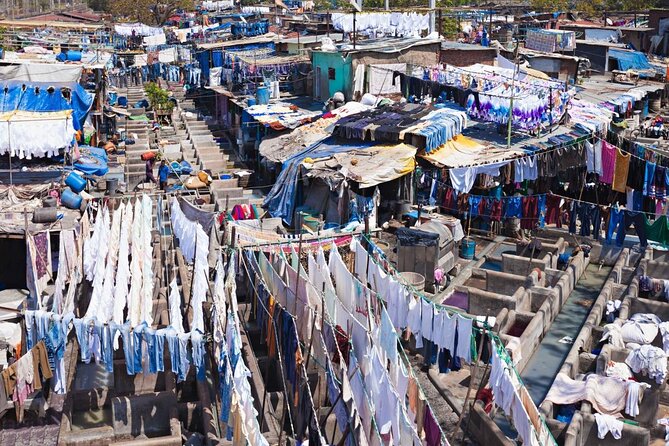
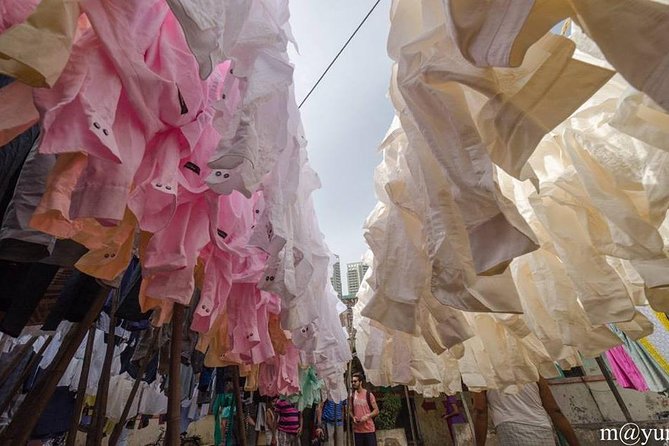
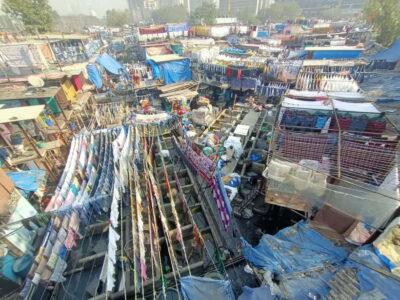
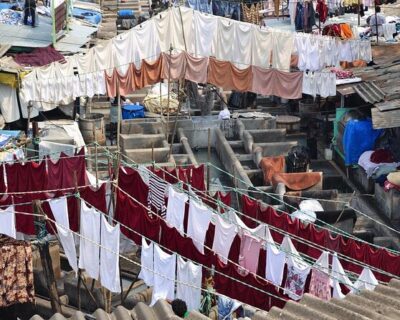
Mahalaxmi Dhobi Ghat is one of the tour’s most striking visual stops. It is a large open-air laundry where dhobis wash clothing connected with Mumbai’s hotels and other customers.
From the viewing area, you can see the scale of the operation and the physical work involved. The attraction is not a museum display. It is a working place, so your guide’s explanation helps you understand what you are looking at and why the laundry matters to the city.
Allow roughly an hour for the Dhobi Ghat portion. You will want time to take in the rows of washing spaces and ask questions. The tour description presents this as a stop to observe the operation, not a hands-on laundry activity, so keep your expectations focused on seeing and learning.
I like this stop because it gives you a look at an occupation that is easy to overlook when visiting Mumbai’s grander sights. At the same time, it can feel observational. You should be comfortable viewing a place of work without expecting a staged demonstration or a long formal presentation.
The train connection between the stops adds context. Dhobi Ghat is not treated as an isolated attraction. You see it as part of a larger city system, linked by rail and by the daily labor of people serving Mumbai’s homes, hotels, and offices.
Entering Dharavi with a resident guide
The Dharavi section takes about two hours and forms the heart of the tour. A resident guide leads you through streets and alleys, discussing both industry and home life.
The route includes a broad mix of subjects:
- Leather industries
- Pottery
- Soap making
- A bakery
- Color dye work
- Plastic recycling
- Homes in the neighborhood
- Schools and hospitals
- Small alleys and local streets
- A mention of the film Slumdog Millionaire
The value here is variety. Dharavi is not presented as a single story about poverty. You see a place where people live, work, run small businesses, attend school, receive medical care, and build livelihoods in limited space.
That distinction matters. A short visit cannot explain every part of Dharavi, and the word slum can flatten a complex neighborhood into one label. A responsible guide helps you see the people and industries rather than turning hardship into a spectacle. The strongest guide accounts describe Rakesh, Sagar, Dinesh, and others as respectful, friendly, and connected to local life.
Sagar’s background is especially relevant to the tour’s character. He is described as being from Dharavi, and one account includes a visit to his family home and a homemade meal. Do not assume that this is part of every departure, since the published inclusions list only the guide and local train transport. Still, it shows how a resident guide may give the area personal context that a detached city tour cannot.
You should follow your guide’s instructions about photography. The supplied information notes opportunities to take photos around the dabbawala activity, but it does not promise photography throughout Dharavi. Homes, workshops, and residents deserve privacy, so ask before taking pictures.
Same tracks, a different day out:
- Mumbai: Dhobi Ghat Tour with Dharavi and Train Ride Options
★ 3.4 · 5 reviews - Dharavi Slum & Dhobi Ghat Mumbai: Private Guided Tour
★ 5.0 · 4 reviews - Dhobi Ghat Laundry and Dharavi Slum Tour with Local Train
★ 5.0 · 4 reviews - Mumbai Unseen: Local Train Ride And Sightseeing Tour
★ 5.0 · 3 reviews
What the Dharavi industries teach you
The industries listed for the walk are important because they change the way you see the neighborhood. Leather work points to skilled production. Pottery and dyeing show hands-on trades. Plastic recycling reflects how materials are collected and reused. The bakery and soap-making activity add more examples of local enterprise.
You may find the contrast surprising. Dharavi is often described from the outside in terms of housing density and limited services, yet the tour also shows economic activity and practical skill. That does not erase difficult living conditions. It gives you a fuller picture.
The walk through small alleys is likely to be the most physically demanding section. You need comfortable footwear, water, and patience when the pace slows or the group has to make room for local movement. One four-hour tour cannot provide a complete account of Dharavi, but it can correct the idea that the neighborhood is only a place of deprivation.
The tour is also a reminder that Mumbai’s working life is spread across many settings. Laundry workers, lunchbox carriers, pottery makers, recyclers, bakers, and leather workers each keep part of the city moving. That connection is the real theme tying the three stops together.
Is $35.79 a good price?
At $35.79 per person, the tour offers solid value if you want a guide-led introduction to working Mumbai. You receive roughly four hours, a local train ride, a guide, three connected subjects, and a small group capped at 15 people.
The price is especially fair for visitors who would not feel comfortable finding these places alone. A resident guide can help you understand what you are seeing, keep the route organized, and make the Dharavi visit more considerate. The train transport also saves you from planning each connection yourself.
There are limits. Food and drinks are not included, and the tour does not end back at Churchgate. It ends near Sai Multispeciality Hospital and Research Centre on 90 Feet Road in Dharavi. You should plan the rest of your day from Dharavi rather than assuming you will return to the starting point.
The value is lower if you want a private, slow-paced cultural visit with plenty of time at each stop. The group limit is modest, but this remains a shared tour. It is better suited to someone who wants a well-organized overview than someone seeking a long, personal visit inside one community.
Comfort, pace, and guide quality
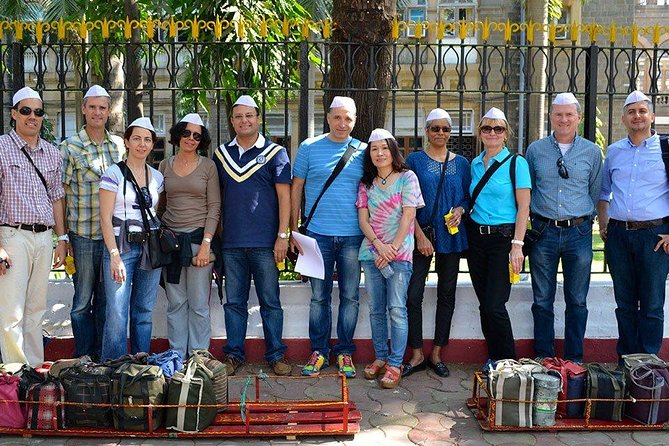
The strongest part of this experience is the guide. Rakesh is praised for local knowledge, humor, and friendly connections. Abhishek is described as engaging and entertaining. Hardik is praised for a pleasant manner and clear explanations. Sagar’s local background adds personal meaning, while Dinesh is described as attentive and reassuring, including help at the end of the tour.
These details matter because the subject requires tact. A guide who merely points at crowded housing would make the experience uncomfortable. A guide who explains the industries, answers questions, and treats residents with respect can turn the same route into a thoughtful lesson.
The tour is rated 5 out of 5 from 102 ratings, with 100 percent recommending it. That is a strong signal, though you should still match the experience to your interests. The positive pattern is clear: people value the guides, the local train ride, the laundry operation, and the broader view of Mumbai life.
Bring extra water. Wear shoes suited to several hours on foot. Keep your belongings secure in crowded public areas, and listen closely when the guide gives directions. The tour can run comfortably for most participants, but it is not a seated excursion.
Who should book this Mumbai tour?
I would choose this tour if you want to see Mumbai through its working systems rather than only through monuments and waterfront views. It suits curious adults, experienced visitors, and anyone interested in housing, labor, small business, transport, and daily life.
It is also a good choice if you want a short experience that covers several parts of the city. In four hours, you see the dabbawala network, the open-air laundry, the railway system, and Dharavi’s industries.
You may want to skip it if you dislike crowded public transport, walking through narrow streets, or visiting places where people are living and working. It also may not suit anyone looking for a luxury outing, a food tour, or a private car-based sightseeing trip.
A sensitive attitude is essential. You are entering real homes and workplaces, not a theme park. Listen more than you photograph, follow the guide’s lead, and remember that the people you see are not scenery.
Booking details worth knowing
The experience is run by Mumbai Dream Tours and uses mobile tickets. Confirmation is provided when you book, and free cancellation is available up to 24 hours before the start time. Cancellations or changes made less than 24 hours before the start are not accepted for a refund.
The tour begins near Churchgate and ends in Dharavi. It is usually booked about 16 days ahead, so reserving early makes sense if your Mumbai dates are fixed. The stated maximum is 15 people, which keeps the group more manageable than a large coach outing.
Should you book it?
Book this tour if you want a direct, guided look at how Mumbai works. The combination of the local train, Dhobi Ghat, dabbawalas, and a resident-led Dharavi walk gives you far more context than visiting any one of these places alone.
The best reason to go is the guide-led interpretation. Rakesh, Abhishek, Sagar, Hardik, and Dinesh have each been praised for making difficult subjects understandable and for helping people feel safe and welcome. Just bring water, wear good shoes, respect privacy, and expect a working neighborhood rather than a polished attraction.
At $35.79, it is a worthwhile half-day choice for an open-minded visitor who wants to understand Mumbai beyond its postcard sights.
FAQ
How long does the Dabbawala, Dhobi Ghat and Dharavi tour last?
The tour lasts approximately four hours.
Where does the tour begin?
It begins on Maharshi Karve Road near Churchgate in Mumbai.
Where does the tour end?
The listed endpoint is near Sai Multispeciality Hospital and Research Centre on 90 Feet Road in Dharavi.
Is local train transport included?
Yes. Transport by local train is included in the experience.
Is food or drink included?
No. Food and drinks are not included, so you should bring water and plan any meals separately.
What is the maximum group size?
The tour allows a maximum of 15 participants.
Just added around Mumbai
- Mumbai Slum Tour with Dhobi Ghat Laundry & Train Ride Tour★ 5.0 · 2 reviews
- Mumbai Unseen: Local Train Ride And Sightseeing Tour★ 5.0 · 3 reviews
- All in one-Combo of City, Dhobighat, Slum & Dabbawala with ferry and train ride.★ 4.5 · 2 reviews
- Dharavi Slum & Dhobi Ghat Mumbai: Private Guided Tour★ 5.0 · 4 reviews
- Meet Dabbawala Visit Dhobi Ghat & Dharavi slum with Train★ 5.0 · 2 reviews
- Dhobi Ghat Laundry and Dharavi Slum Tour with Local Train★ 5.0 · 4 reviews
- Mumbai: Dhobi Ghat Tour with Dharavi and Train Ride Options★ 3.4 · 5 reviews
- Dabbawaala Dhobi Ghat Dahravi slum With Local Train Ride★ 5.0 · 2 reviews
Mumbai Train Journeys, compared.
Primmum Mumbai Sightseeing With Local Train Ride Experience
Read our review →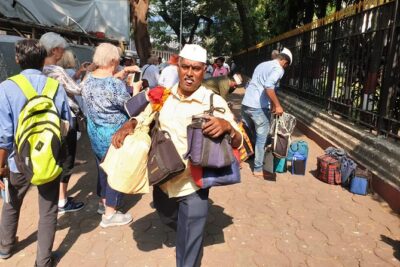
Mumbai City + Dabbawala aka Lunchbox + Train Ride Tour – The Unfeigned Mumbai.
Read our review →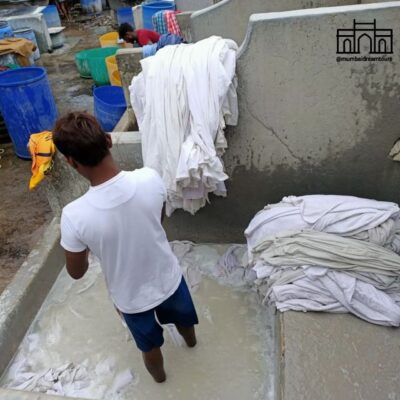
Dhobi Ghat Tour with Dharavi and Train Ride Options
Read our review →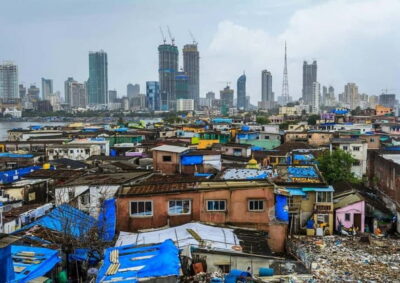
Dhobi Ghat Laundry and Dharavi Slum Tour with Local Train
Read our review →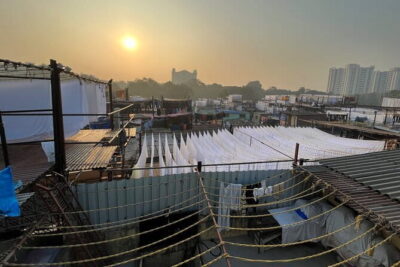
Dharavi Slum & Dhobi Ghat Mumbai: Private Guided Tour
Read our review →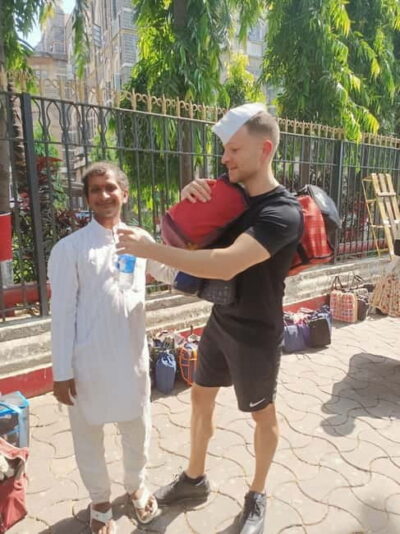
Best Combo Tour: Dabbawalas, Dhobi Ghat and Slum with Train
Read our review →
Mumbai Unseen: Local Train Ride And Sightseeing Tour
Read our review →Browse the lists this tour appears in