
Review · MUMBAI
Dabbawaala Dhobi Ghat Dahravi slum With Local Train Ride
Mumbai works at full speed.
This tour brings together three very different sides of the city: the famous dabbawala lunch-box network, Mahalaxmi’s open-air Dhobi Ghat, and the working neighborhoods of Dharavi. I like the way it combines human stories with everyday industry, and I also like that the English-speaking guide lives in the slum and can provide local context. The main consideration is that this is not a polished sightseeing outing. You will walk through narrow alleys, see poverty alongside enterprise, and use public transport, so it may feel demanding for some visitors.
For $34 per person, you get a lot of ground covered in one experience. The tour is especially useful if you want to understand how Mumbai functions beyond its grand buildings and waterfront views. It is less suitable if you want a relaxed schedule, private luxury, or an easy outing during pregnancy.
Key points to know before booking
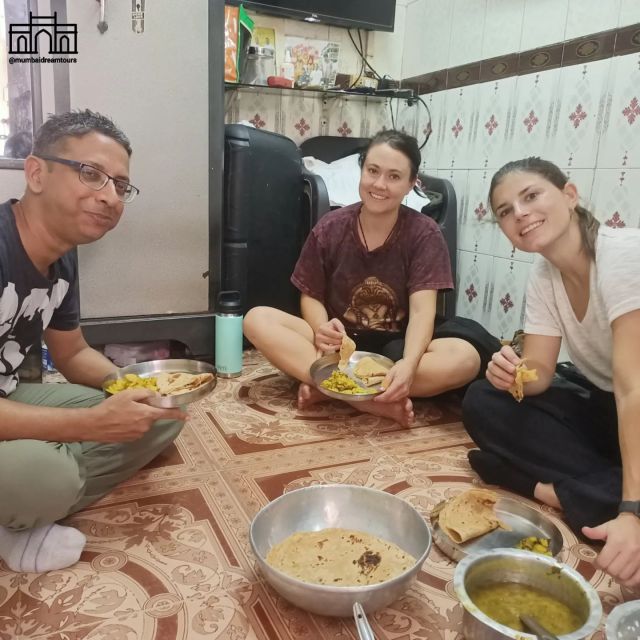
- Dabbawalas at work: Learn how roughly 5,000 lunch-box couriers move about 130,000 meals around Mumbai each day.
- Dhobi Ghat from close range: See the rows of concrete washing pens used by workers who handle laundry from hotels and hospitals.
- Dharavi beyond stereotypes: Explore pottery, leather work, recycling, food production, shrines, schools, homes, and small markets.
- A local guide with personal ties: The guide himself lives in Dharavi, adding useful local perspective to the walk.
- Public transport is part of the lesson: The local train ride shows how Mumbai’s daily movement depends on its railway system.
- A practical $34 package: The cost covers several major experiences, though the walking and public transport require energy and an open mind.
Why this Mumbai combo tour is worth your time
Mumbai can be hard to understand from a taxi window. Its wealth, cramped housing, informal businesses, railways, and street industries sit close together, often within the same neighborhood. This tour gives you a way to look at that daily machinery with a guide instead of simply passing it by.
I especially like the mix of famous sights and working communities. Dhobi Ghat is widely photographed, but it makes more sense when you see it alongside Dharavi’s small factories and the dabbawalas’ delivery system. Together, these stops show how Mumbai relies on organization, repetition, and skilled labor.
The tour is not designed around monuments. Its attractions are people, workplaces, transport links, and compact communities. That makes it a better choice for you if you want social and economic context rather than a standard list of city landmarks.
More Train Journeys in Mumbai:
- Dabbawala, Dhobi Ghat & Dharavi slum Tour with Local Train Ride
★ 5.0 · 102 reviews - Mumbai: Dharavi Slum and Dhobi Ghat Tour with Train Ride
★ 5.0 · 9 reviews - Primmum Mumbai Sightseeing With Local Train Ride Experience
★ 5.0 · 7 reviews
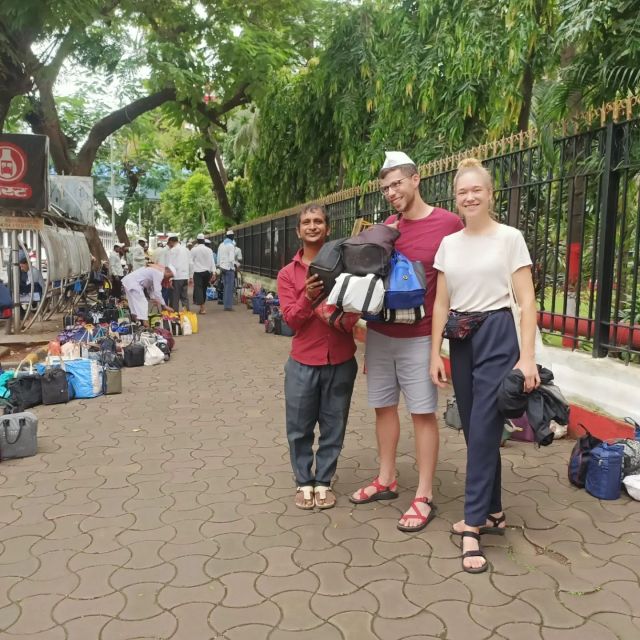
Meeting Mumbai’s dabbawalas and their lunch-box system
The dabbawala section introduces one of Mumbai’s best-known working networks. A dabbawala is, in simple terms, a person who carries a box. The box is usually a cylindrical metal or aluminum container filled with a home-cooked meal.
Each day, about 5,000 dabbawalas collect filled lunch boxes from homes and deliver them to offices across the city. After lunch, they collect the empty boxes and return them to the households so the cycle can begin again the next day.
The scale is remarkable. Around 130,000 lunch boxes are delivered, and roughly 260,000 collection and delivery transactions take place within six hours. The service operates six days a week for about 51 weeks of the year.
What makes this especially interesting is the limited use of technology. The system developed long before smartphones, tracking apps, and computerized logistics. The dabbawalas depend on routines, visual markings, railway connections, teamwork, and local knowledge.
I would pay close attention here to the practical details. This is not simply a story about hardworking couriers. It is a lesson in how a city builds a reliable system from simple tools and repeated habits.
The dabbawala visit also adds a human face to Mumbai’s office culture. A home-cooked meal can travel across a huge city and reach the right desk at lunchtime. That tells you something about family life, work, commuting, and the value placed on food prepared at home.
The exact format of the meeting may depend on the day’s operations. Still, this part is likely to be most rewarding if you enjoy seeing how ordinary services function behind the scenes.
Seeing the concrete washing pens at Mahalaxmi Dhobi Ghat
Dhobi Ghat is Mumbai’s famous open-air laundry near Mahalaxmi railway station. It is easy to see from the flyover by the station, but this tour gives the site a place within a wider city experience.
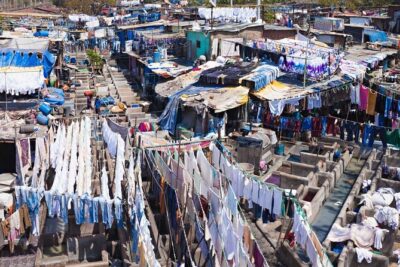
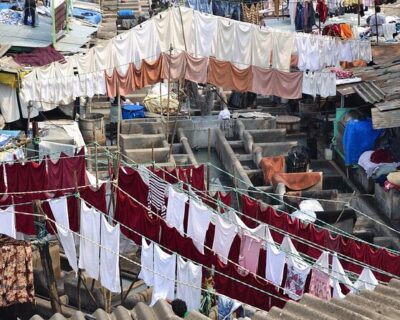
The washers, known locally as dhobis, work in rows of open-air concrete pens. Each pen has its own washing area and flogging stone. Laundry from Mumbai’s hotels and hospitals is handled here, making this much more than a colorful photo stop.
The setting is visually striking because the work is done in the open. Lines of clothing, concrete basins, water, and repetitive manual labor create a scene that feels very different from a modern commercial laundry.
I like this stop because it shows an old trade continuing in the middle of a major financial city. You can see the physical effort involved, and you can also think about the chain behind clean sheets, towels, and uniforms used elsewhere in Mumbai.
You should keep your expectations sensible. This is a working laundry, not a museum arranged for visitors. The sight may be crowded, wet, noisy, or visually intense. Comfortable shoes are important, and you should follow the guide’s instructions about where to walk and what to photograph.
Dhobi Ghat is often described as one of the world’s largest outdoor laundries. Its location beside a railway station also reinforces one of the tour’s main themes: Mumbai’s work, housing, transport, and commerce are packed tightly together.
Riding Mumbai’s local train

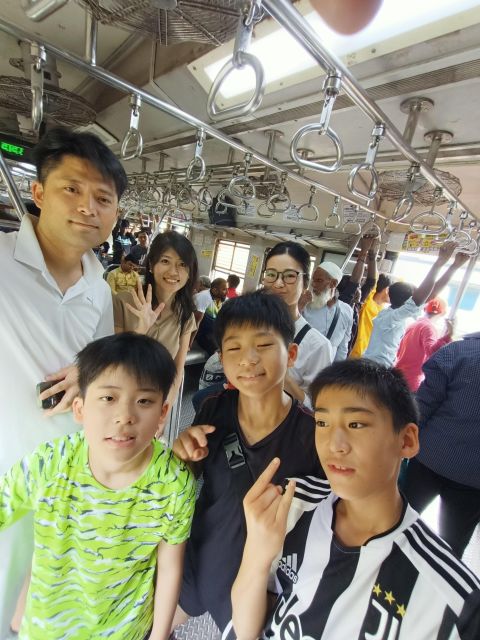
The local train ride adds movement to the tour. Instead of viewing Mumbai only from the roadside, you experience one of the transport systems that keeps the city connected.
The train is not merely a way to get from one stop to another. It helps explain why the dabbawala system works and why location matters so much in Mumbai. Homes, stations, offices, workshops, and markets are linked by constant movement.
You should expect public transport rather than a private sightseeing vehicle. That means the ride is part of the real city experience, but it may also be busy or tiring. If you dislike crowded transport, ask yourself if the local train is a key reason you want to book.
I like having this element included because it prevents the tour from becoming a series of isolated stops. You move through the city as people do every day. The railway becomes part of the story instead of just a backdrop.
The available information does not state the exact train route, departure time, or length of the ride. Plan around the fact that this is an active public transport experience, and wear shoes that are easy to walk in.
Same tracks, a different day out:
- Mumbai City + Dabbawala aka Lunchbox + Train Ride Tour – The Unfeigned Mumbai.
★ 5.0 · 6 reviews - Mumbai: Dhobi Ghat Tour with Dharavi and Train Ride Options
★ 3.4 · 5 reviews - Dharavi Slum & Dhobi Ghat Mumbai: Private Guided Tour
★ 5.0 · 4 reviews - Dhobi Ghat Laundry and Dharavi Slum Tour with Local Train
★ 5.0 · 4 reviews
Entering Dharavi with a local guide

Dharavi was founded in 1882 during the British Raj and now occupies valuable land in the middle of Mumbai. It is often labeled only as a slum, but that single word leaves out most of what happens there.
The tour presents Dharavi as a place of homes, workshops, commerce, religious activity, education, and recycling. The guide himself lives in the area, which can help you see it as a neighborhood rather than a display of hardship.
That distinction matters. You will see small spaces used with remarkable efficiency, but you should not treat the area as a human exhibit. Listen carefully, avoid intrusive behavior, and remember that people live and work in the lanes you are walking through.
The narrow alleys are one of the defining parts of the route. They lead past houses, small businesses, markets, and workspaces. The close quarters may feel overwhelming, yet they also show how residents have built livelihoods in a place with limited room.
The inclusion of schools and hospitals gives the tour a broader frame. Dharavi is not only a place of production. It is also where families live, children study, people receive care, and communities organize themselves.
Small industries packed into very little space
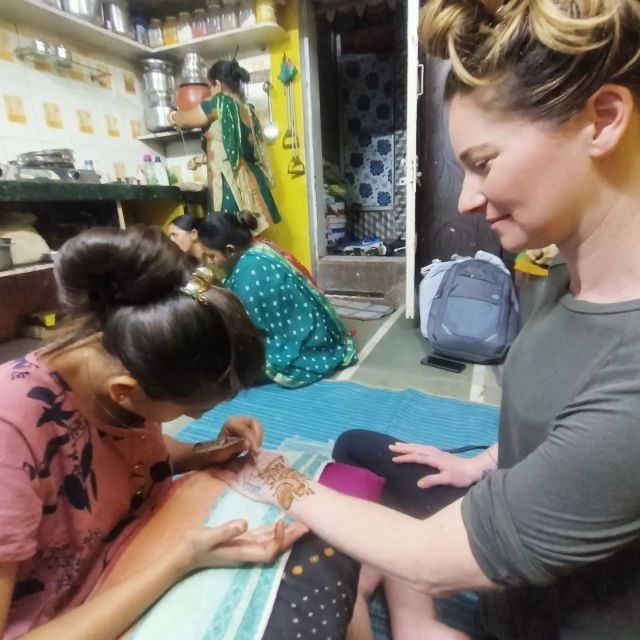
Dharavi’s workshops are a major reason to choose this tour. The route includes leather industries, pottery, soap production, bakeries, color dyeing, and plastic recycling.
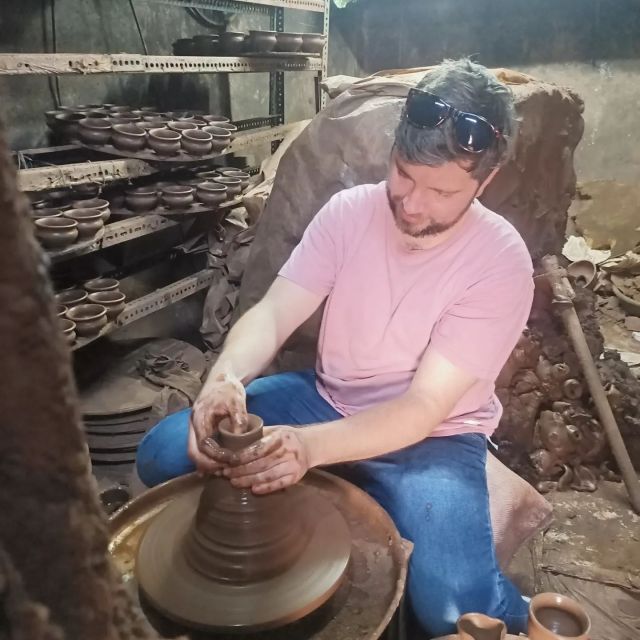
Each activity shows a different form of local enterprise. Pottery connects the area to skilled handwork. Leather production points to long-running commercial trades. Soap and dye work reveal how basic manufacturing can happen in compact spaces.
The recycling visits may be especially useful for you if you want to understand how materials are reused in a crowded city. The tour includes plastic recycling and the recycling of vegetable oil cans. These are practical examples of waste being turned into something with continued value.
A bakery adds another everyday detail. Food production can happen close to homes and other workshops, showing how mixed-use neighborhoods operate.
The tour also includes a Muslim community making a shrine for Hindus. This is an unusual detail and a useful reminder that religious and cultural life does not always fit into neat categories. Mumbai’s communities often share space in ways that are easy to miss from a standard sightseeing route.
You should not expect every workshop to operate like a formal attraction. Work may be taking place in tight quarters, and access can depend on local conditions. The value comes from seeing the scale and variety of activity, not from a staged demonstration.
The place connected with Slumdog Millionaire
The route includes a place where Slumdog Millionaire was shot. For some visitors, this adds a film connection to the neighborhood. It can also provide a starting point for discussing how Dharavi has been represented to the outside world.
I would treat this as a small part of the experience rather than its main reason for booking. The film reference may attract you, but the stronger material is the living community around it: homes, markets, workshops, and streets that continue to function beyond the movie.
A film location can also create a risk of viewing Dharavi only through entertainment. The tour is more worthwhile when you use the reference as context and then pay attention to present-day life.
What $34 includes and what it means for value
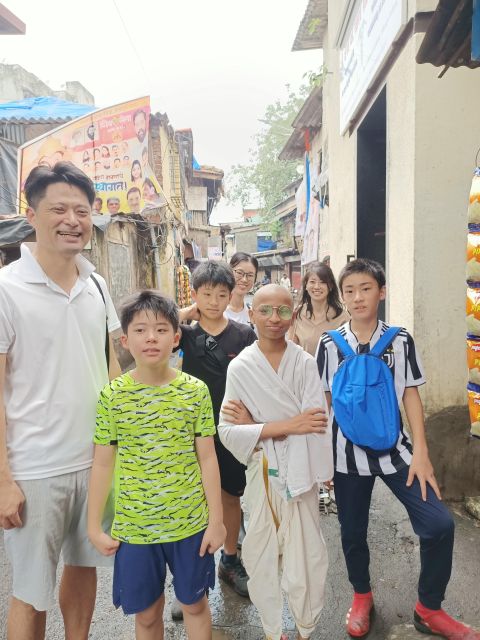
At $34 per person, this is an efficient package if you want several distinctly Mumbai experiences in one outing. You receive the dabbawala visit, Dhobi Ghat, a local train ride, and a guided walk through Dharavi.
The value is not based on entry tickets to grand attractions. It comes from access, explanation, and the chance to move through working parts of the city with a local guide. You are paying for a connected story rather than a collection of expensive admissions.
The package also includes a wide range of Dharavi subjects:
- Leather work
- Pottery
- Soap making
- Bakery production
- Color dyeing
- Plastic recycling
- Vegetable oil can recycling
- A local market
- Homes, schools, and hospitals
- Religious and community activity
That is a lot of ground for the price. The tradeoff is physical and emotional. You will walk through tight lanes, use local transport, and see difficult living conditions alongside creativity and enterprise.
The tour is offered in English. It also allows you to reserve and pay later, which can help if you want to keep your Mumbai plans flexible. Cancellation is available up to 24 hours in advance for a full refund.
Who should book this experience?

I would recommend it to first-time visitors who want a stronger sense of how Mumbai operates. It suits curious adults, photographers who value context, students of urban life, and anyone interested in transport, small businesses, recycling, or community systems.
It is also a good fit if you have already seen Mumbai’s main monuments and want a different side of the city. The tour provides more social and working context than a typical city highlights route.
You should think twice if you want a quiet day, dislike public transport, or feel uncomfortable walking through poor neighborhoods. The experience requires respect and maturity. Dharavi is a home and workplace first, not a sightseeing set.
Pregnant women should not book this tour, according to the available safety information. Comfortable shoes are recommended, and alcohol and drugs are not allowed.
My verdict on the dabbawala, Dhobi Ghat, and Dharavi tour
I like this tour because it connects three powerful Mumbai stories: food delivery, laundry work, and neighborhood industry. The local train ride ties them together and gives you a more direct sense of the city’s daily movement.
The strongest feature is the guide’s personal connection to Dharavi. A guide who lives there can help you understand the area as a real community rather than a label on a map.
Book it if you want practical insight, close-up city life, and a tour that goes beyond postcard Mumbai. Skip it if you prefer a gentle sightseeing day or feel that a slum visit would not sit comfortably with you. At $34, it offers strong value for an active visitor who approaches Dharavi with respect.
FAQ
Where does this tour take place?
The experience takes place in Mumbai, in Maharashtra, India. It includes visits to the dabbawalas, Mahalaxmi Dhobi Ghat, Dharavi, and a local train ride.
What are dabbawalas?
Dabbawalas are lunch-box delivery workers. The word refers to someone who carries a box, with dabba meaning a lunch box or container.
How many dabbawalas work in Mumbai?
About 5,000 dabbawalas deliver lunch boxes across Mumbai each day.
How many lunch boxes do they deliver?
The dabbawalas deliver about 130,000 lunch boxes to offices throughout the city each day.
What is Dhobi Ghat?
Dhobi Ghat is Mumbai’s open-air laundry. Washers known as dhobis work in rows of concrete washing pens, handling laundry from places such as hotels and hospitals.
Where is Dhobi Ghat located?
Mahalaxmi Dhobi Ghat is next to Mahalaxmi railway station on the Western Railway’s Saat Rasta roundabout. It can also be seen from the flyover near the station.
What can you see in Dharavi?
The tour includes leather industries, pottery, soap making, bakeries, color dyeing, plastic recycling, vegetable oil can recycling, markets, homes, schools, hospitals, and small alleys.
Does the tour include a local train ride?
Yes. A local train ride in Mumbai is included as part of the experience.
What language is the tour offered in?
The tour is offered in English.
Is the tour suitable for pregnant women?
No. The available information says it is not suitable for pregnant women. Comfortable shoes are recommended, and alcohol and drugs are not allowed.
Just added around Mumbai
- Mumbai Slum Tour with Dhobi Ghat Laundry & Train Ride Tour★ 5.0 · 2 reviews
- Mumbai Unseen: Local Train Ride And Sightseeing Tour★ 5.0 · 3 reviews
- Dharavi Slum & Dhobi Ghat Mumbai: Private Guided Tour★ 5.0 · 4 reviews
- All in one-Combo of City, Dhobighat, Slum & Dabbawala with ferry and train ride.★ 4.5 · 2 reviews
- Meet Dabbawala Visit Dhobi Ghat & Dharavi slum with Train★ 5.0 · 2 reviews
- Dhobi Ghat Laundry and Dharavi Slum Tour with Local Train★ 5.0 · 4 reviews
- Mumbai: Dhobi Ghat Tour with Dharavi and Train Ride Options★ 3.4 · 5 reviews
- Best Combo Tour: Dabbawalas, Dhobi Ghat and Slum with Train★ 3.5 · 3 reviews
Mumbai Train Journeys, compared.
Dabbawala, Dhobi Ghat & Dharavi slum Tour with Local Train Ride
Read our review →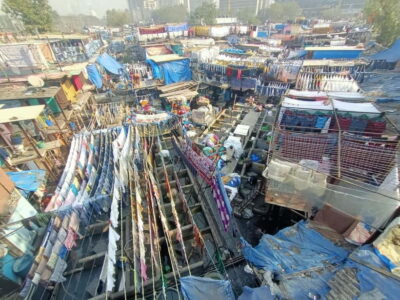
Primmum Mumbai Sightseeing With Local Train Ride Experience
Read our review →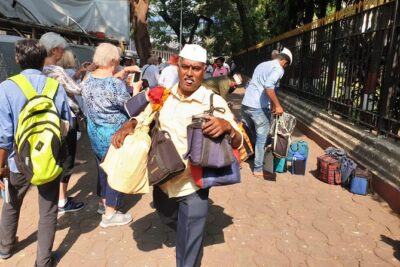
Mumbai City + Dabbawala aka Lunchbox + Train Ride Tour – The Unfeigned Mumbai.
Read our review →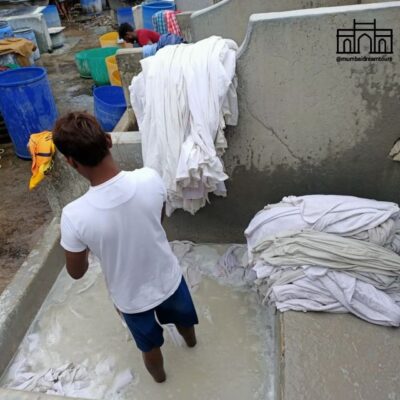
Dhobi Ghat Tour with Dharavi and Train Ride Options
Read our review →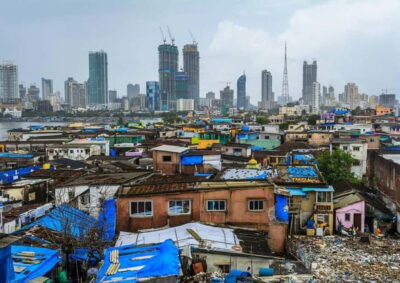
Dhobi Ghat Laundry and Dharavi Slum Tour with Local Train
Read our review →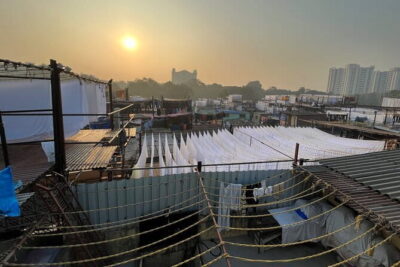
Dharavi Slum & Dhobi Ghat Mumbai: Private Guided Tour
Read our review →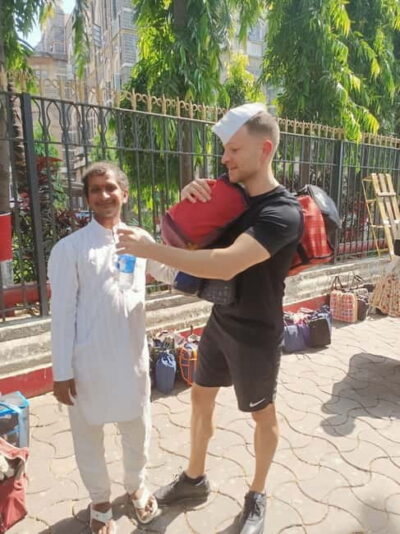
Best Combo Tour: Dabbawalas, Dhobi Ghat and Slum with Train
Read our review →Browse the lists this tour appears in