
Review · MUMBAI
Mumbai Slum Tour with Dhobi Ghat Laundry & Train Ride Tour
Mumbai reveals itself in layers. This three-hour tour links Dhobi Ghat, Dharavi, and a short local train ride, giving you a close look at work, homes, transport, and small businesses that many visitors miss. I like the mix of guided walking and public transport, and I like that a resident guide leads the Dharavi visit rather than an outsider looking in. The main consideration is that Dharavi is a working neighborhood, not a staged attraction, so you need to approach it with respect and expect a brisk, revealing walk.
I also like the low price, about $11.36 per person, which includes entry fees, transport, and the train ticket. Guides named Alkama and Bharti received especially warm praise for being friendly, informative, and able to explain the area’s past and present. Still, the tour’s current five-star score comes from only two ratings, so I would treat that as a good sign, not a guarantee of a perfect outing.
Key points to know before booking
- Dhobi Ghat in 30 minutes: See Mumbai’s famous open-air laundry and learn how the washing operation works.
- Dharavi for two hours: Walk with a local English-speaking guide through homes, workplaces, and small-scale industries.
- A real Mumbai train ride: Travel from Mahim for about 15 minutes, using the same system locals use.
- Small group format: The maximum group size is 15, which helps keep the walk manageable.
- Very low cost: The price includes transport, admission fees, and the train ticket, though food is not included.
- A sensitive subject: Dharavi is a living community, so courtesy, modest behavior, and careful photography matter.
Why this Mumbai combination works
Mumbai can be hard to read from a taxi window. You see crowded roads, railway lines, towers, workshops, and tightly packed housing, but the city’s working systems often remain hidden. This tour gives you three useful ways to understand it: laundry at Dhobi Ghat, neighborhood enterprise in Dharavi, and rail travel from Mahim.
I like the structure because each stop adds something different. Dhobi Ghat is a quick visual introduction. Dharavi supplies the main substance. The train ride finishes the experience with a practical look at how people move through Mumbai.
The tour is not designed for a slow, private exploration. At roughly three hours, it keeps moving. That makes it useful if you have limited time in Mumbai, but it also means you should not expect long stops, extended meals, or a relaxed photography session at every point.
The maximum group size is 15. That is small enough for a guide to speak with the group and answer questions, while still being large enough that you will not get a fully private experience. If you want the guide’s full attention, arrive ready to stay close and listen.
More Train Journeys in Mumbai:
- Dabbawala, Dhobi Ghat & Dharavi slum Tour with Local Train Ride
★ 5.0 · 102 reviews - Mumbai: Dharavi Slum and Dhobi Ghat Tour with Train Ride
★ 5.0 · 9 reviews - Primmum Mumbai Sightseeing With Local Train Ride Experience
★ 5.0 · 7 reviews
Dhobi Ghat: Mumbai’s open-air laundry
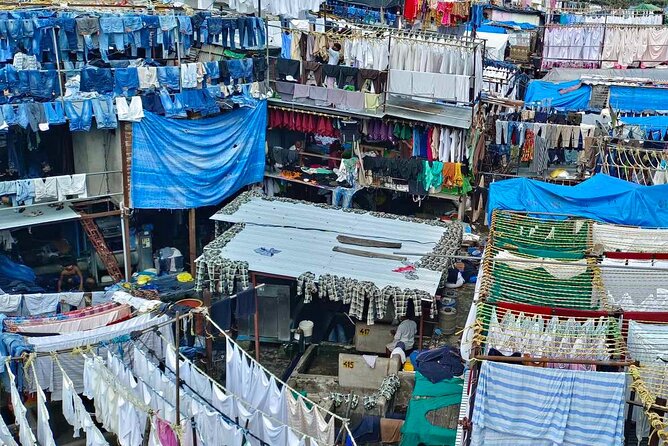
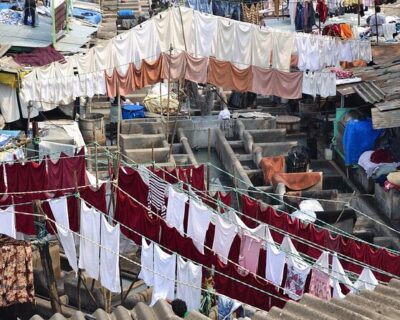
The first stop is Dhobi Ghat, where you spend about 30 minutes with your guide. The site is known as the world’s largest outdoor laundry, and its appeal comes from seeing a major working operation rather than a museum display.
Your guide explains the daily laundry activity and the work carried out there. The short visit gives you an efficient introduction to one of Mumbai’s most unusual places, with admission included in the tour price.
I would think of Dhobi Ghat as a visual stop. You are there to understand the scale and organization of the laundry work, not to spend half a day examining every corner. Thirty minutes is enough to make the place memorable and to give context before you enter Dharavi.
This stop also helps set the right tone. The tour is about work as much as sightseeing. You are not simply collecting photographs of a famous Mumbai scene. You are seeing a place where people earn a living.
A practical note: comfortable walking shoes are recommended for the full tour. Even though the Dhobi Ghat visit is short, the entire outing includes walking through an active neighborhood and moving between transport points.
Dharavi: the main two-hour visit
Dharavi takes about two hours, and this is where most of your time goes. The neighborhood has a population of almost one million people and is widely known as one of Asia’s largest slum areas. The guide’s job is to help you see beyond the label.
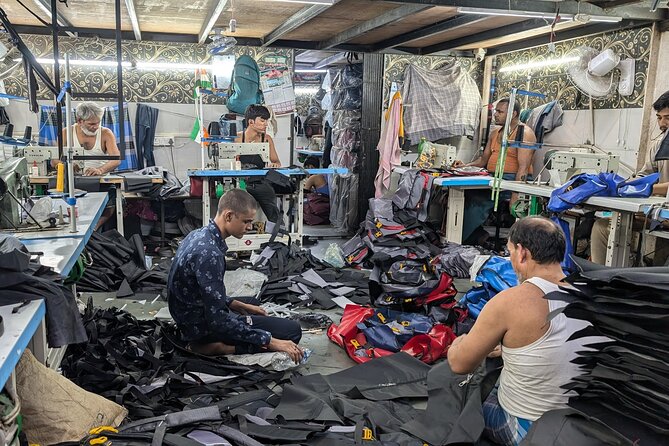
You can expect to learn about daily life, work, and the way the community functions. The route includes small-scale businesses connected with plastic recycling, leather, garments, and textiles. These details matter because Dharavi is not only a residential area. It is also a place of production and trade.
I appreciate that the visit uses a local resident guide. The guide can explain the streets and work areas from a direct local viewpoint, rather than presenting the neighborhood as a distant social problem. Alkama was praised for being chatty, well informed, and able to explain the area’s history. Bharti was also praised for being helpful and informative. If either guide leads your group, you can reasonably expect a strong focus on explanation and conversation.
The tour also points out a location connected with the film Slumdog Millionaire. That may interest film fans, but it should not become the main reason to book. The more useful part of the visit is seeing how homes, workspaces, and community life exist close together.
Respect matters inside Dharavi
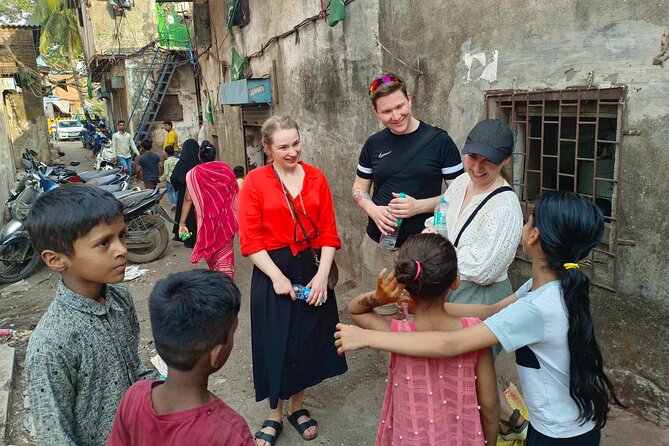
A tour of Dharavi requires more care than a standard city walk. You are entering a place where people live and work, not a set built for visitors. Keep your voice low, follow the guide’s instructions, and avoid treating residents as photo subjects.
The supplied information does not set out a specific photography policy, so I would ask the guide before taking pictures. That simple step helps protect privacy and keeps the experience respectful. You should also wear practical clothing and shoes, since the route is a walking visit through an active neighborhood.
The tour is presented as a way to challenge negative stereotypes. That is valuable, but you should still keep your expectations realistic. A three-hour visit cannot explain every part of Dharavi, and no short tour can represent every resident’s experience. What it can do is show you selected working areas and offer a local guide’s account of the community.
Some people may find the subject uncomfortable. That is not necessarily a flaw, but it is worth considering before booking. If you want only polished monuments and easy sightseeing, this will not be the right outing. If you want a more direct look at how people live and work in Mumbai, it can be worthwhile.
Same tracks, a different day out:
- Mumbai City + Dabbawala aka Lunchbox + Train Ride Tour – The Unfeigned Mumbai.
★ 5.0 · 6 reviews - Mumbai: Dhobi Ghat Tour with Dharavi and Train Ride Options
★ 3.4 · 5 reviews - Dharavi Slum & Dhobi Ghat Mumbai: Private Guided Tour
★ 5.0 · 4 reviews - Dhobi Ghat Laundry and Dharavi Slum Tour with Local Train
★ 5.0 · 4 reviews
The Mahim train ride lasts only 15 minutes
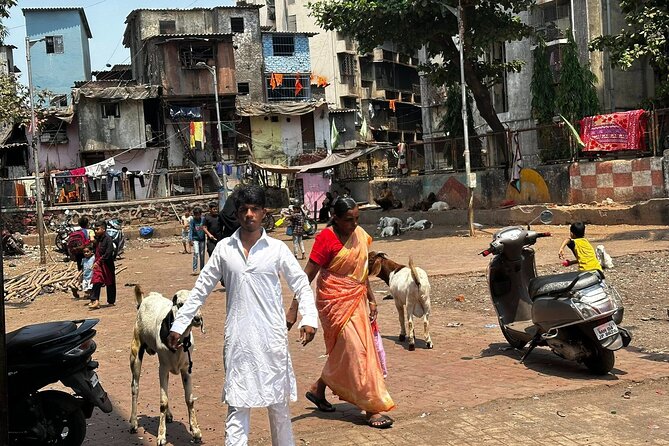
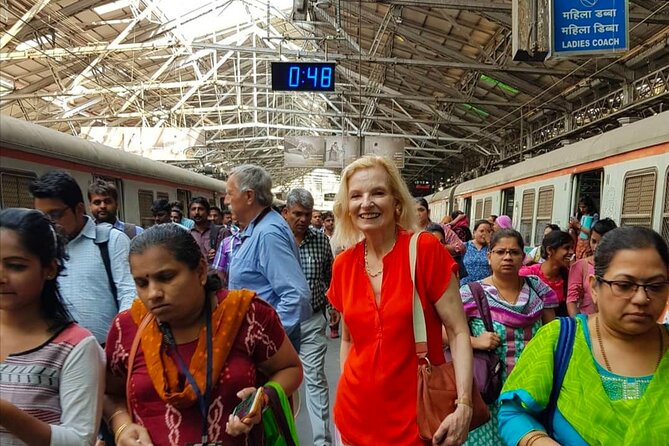
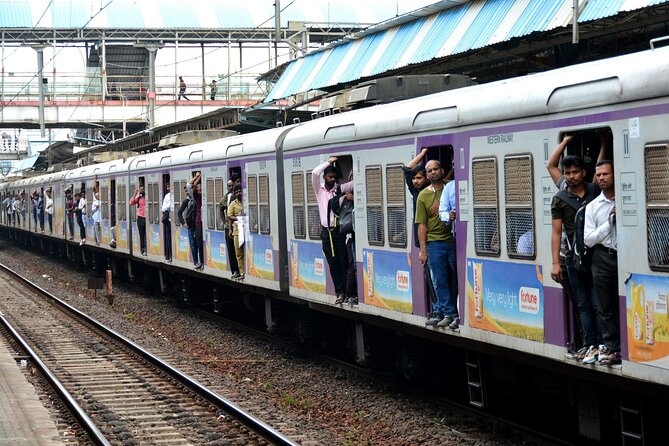
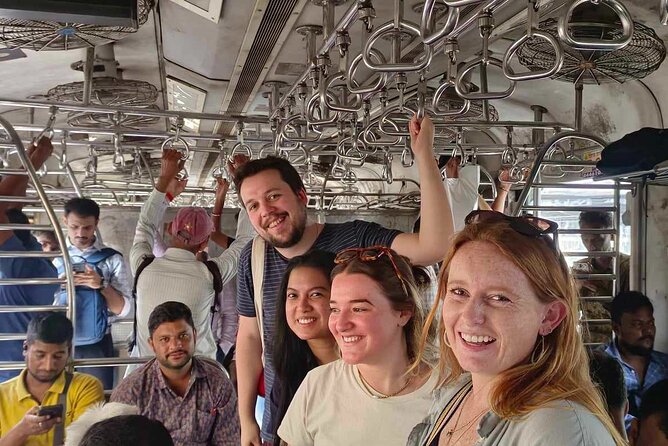
After Dharavi, the tour uses Mahim station for a short local train ride. The journey lasts about 15 minutes and is included in the ticket price. The purpose is simple: to give you a taste of how local people travel around Mumbai.
Do not expect a long railway journey or a scenic excursion. This is a brief part of the tour, but it adds an important everyday detail. Mumbai’s trains are central to city life, and riding one gives you a practical sense of the transport system that connects neighborhoods.
The train ride also changes the pace. After walking through Dhobi Ghat and Dharavi, you get a short experience of moving through the city with local commuters. It helps connect the individual stops into a broader picture of Mumbai.
The listed end point is Mahalaxmi Railway Station, while the train portion begins from Mahim. That makes the ending useful if you plan to continue sightseeing or use the railway network afterward. Check the exact meeting instructions before setting out, since the starting point is a specific coffee shop near Mahim station.
Meeting point, timing, and what the price covers
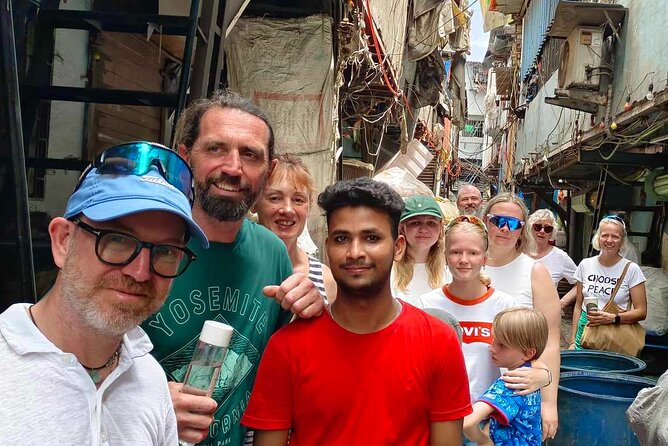
The tour begins at Third Wave Coffee, Tip Road, Unit 58, Ground, Ram Mahal, Senapati Bapat Marg, Marinagar Colony, near Mahim station. The listed end point is Mahalaxmi Railway Station on Keshavrao Khadye Marg.
The start and finish are different, so you should plan your day around that. This is not a round trip back to the starting point. The meeting area is near public transport, which is useful in a city where road traffic can affect arrival times.
At about $11.36, the tour offers strong value for the amount included. The price covers all entrance fees, travel costs, the local train ticket, and an English-speaking guide from Dharavi. Food is not included, but the short duration makes that easy to plan around.
I would compare the price with the cost of arranging several separate visits. Here, you get a guide, transport, and three connected experiences in one booking. The main value is not luxury or comfort. It is access, structure, and local explanation at a very low price.
Group discounts are available. Confirmation arrives at booking, and free cancellation is allowed if you cancel at least 24 hours before the start time. Within 24 hours, you will not receive a refund, and changes made in that period are not accepted.
Who will get the most from this tour

This outing suits you if you want to understand Mumbai through everyday work and transport. It is especially useful for first-time visitors who would otherwise see the city mainly from roads, hotel districts, and major sights.
You will probably enjoy it if you like:
- Local guides who explain how a place works
- Short walking tours with several different stops
- Public transport experiences
- Social and economic context alongside sightseeing
- Small businesses and working neighborhoods
- Low-cost activities with several inclusions
It may be less suitable if you need a private pace, dislike walking, or want a traditional sightseeing tour focused on architecture and major landmarks. The group can include up to 15 people, and the visit to Dharavi deals with real living conditions that some people may find difficult.
Families can consider it because most participants can take part, but adults should decide if the subject and walking pace suit younger children. The supplied details do not specify a minimum age or special child arrangements, so ask the provider if that matters for your group.
Practical advice for a better visit
Wear comfortable walking shoes. This is the clearest preparation advice, and it applies to the neighborhood walk, the station transfers, and the movement between stops.
Arrive at the coffee shop meeting point with time to spare. The tour depends on transport and a fixed schedule, so a late start could affect the whole group.
Bring water and plan food separately. Food is not included, and the tour lasts about three hours. You may prefer to eat before or after, depending on the start time.
Listen closely during the Dharavi section. The most useful part is the explanation of local work, not simply seeing the streets. Ask your guide about the businesses and the history of the area, as both Alkama and Bharti were praised for being open and informative.
Keep your group compact. In narrow or busy areas, staying close to the guide helps you hear the explanation and avoids slowing other people who live and work there.
Is this tour good value?
For the price, yes, with a few sensible limits. You receive a guide, entry fees, local transport, and a train ticket for about $11.36. That is an unusually inexpensive way to connect three very different parts of Mumbai.
The strongest value comes from the Dharavi visit and the guide’s local perspective. The Dhobi Ghat stop is short, and the train ride is only 15 minutes, but both add useful context without greatly increasing the cost.
The tour does not offer a polished, private, or highly flexible experience. It is a group outing with a maximum of 15 people. The route is also more educational than scenic, and the Dharavi visit asks you to think carefully about how you observe a working community.
The two highly positive accounts give the tour a promising start. Alkama’s friendly explanations and Bharti’s helpful approach are exactly the qualities you want for a visit like this. Still, the small number of ratings means you should judge the tour by its format and your own interests, not by the score alone.
Should you book the Mumbai slum and train tour?
Book it if you want a direct, low-cost look at Mumbai’s working life and you are comfortable visiting a sensitive residential area with respect. The combination of Dhobi Ghat, Dharavi, and the Mahim train ride gives you more than a single attraction, while the resident guide adds context you would be unlikely to get on your own.
Skip it if you want a private tour, a gentle sightseeing pace, or a focus on grand landmarks. For everyone else, this is a practical introduction to a side of Mumbai that many visitors miss. Wear good shoes, stay open-minded, and give the guide your full attention. That is where the tour’s real value lies.
FAQ
How long does the Mumbai Slum Tour with Dhobi Ghat and Train Ride last?
The tour lasts approximately three hours.
Where does the tour begin?
It begins at Third Wave Coffee, Unit 58, Ground, Ram Mahal, Senapati Bapat Marg, Marinagar Colony, near Mahim station in Mumbai.
Where does the tour end?
The tour ends at Mahalaxmi Railway Station on Keshavrao Khadye Marg.
Is the local train ticket included?
Yes. The train ticket and travel fees are included in the tour price.
How long is the Dharavi visit?
The guided Dharavi portion lasts about two hours.
Is food included?
No. Food is not included in the tour.
Can I cancel for a full refund?
Yes, if you cancel at least 24 hours before the experience start time. Cancellations made within 24 hours are not refundable.
Just added around Mumbai
- Mumbai Unseen: Local Train Ride And Sightseeing Tour★ 5.0 · 3 reviews
- All in one-Combo of City, Dhobighat, Slum & Dabbawala with ferry and train ride.★ 4.5 · 2 reviews
- Dharavi Slum & Dhobi Ghat Mumbai: Private Guided Tour★ 5.0 · 4 reviews
- Meet Dabbawala Visit Dhobi Ghat & Dharavi slum with Train★ 5.0 · 2 reviews
- Dhobi Ghat Laundry and Dharavi Slum Tour with Local Train★ 5.0 · 4 reviews
- Mumbai: Dhobi Ghat Tour with Dharavi and Train Ride Options★ 3.4 · 5 reviews
- Dabbawaala Dhobi Ghat Dahravi slum With Local Train Ride★ 5.0 · 2 reviews
- Best Combo Tour: Dabbawalas, Dhobi Ghat and Slum with Train★ 3.5 · 3 reviews
Mumbai Train Journeys, compared.

Dabbawala, Dhobi Ghat & Dharavi slum Tour with Local Train Ride
Read our review →
Primmum Mumbai Sightseeing With Local Train Ride Experience
Read our review →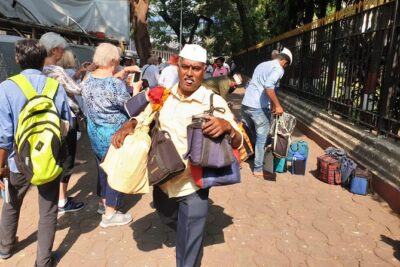
Mumbai City + Dabbawala aka Lunchbox + Train Ride Tour – The Unfeigned Mumbai.
Read our review →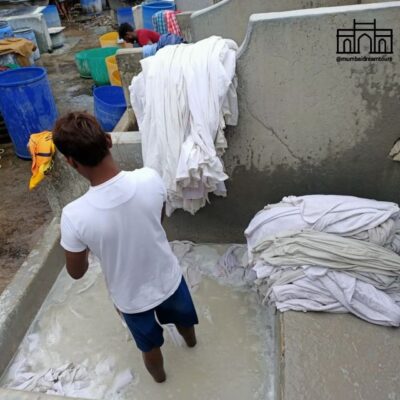
Dhobi Ghat Tour with Dharavi and Train Ride Options
Read our review →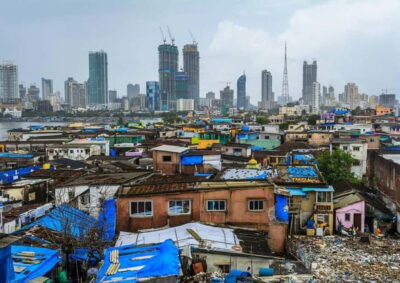
Dhobi Ghat Laundry and Dharavi Slum Tour with Local Train
Read our review →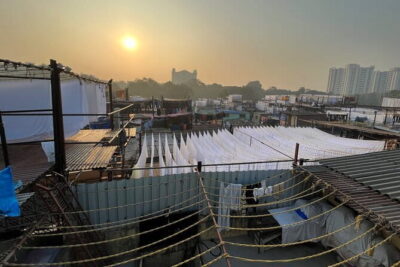
Dharavi Slum & Dhobi Ghat Mumbai: Private Guided Tour
Read our review →
Best Combo Tour: Dabbawalas, Dhobi Ghat and Slum with Train
Read our review →Browse the lists this tour appears in